



Hormuz Shipping Crisis Triggers 84% Vessel Decline | Cross-Border Sellers Face 15-25% Logistics Cost Surge
- Strait of Hormuz vessel transits collapsed from 31 to 5 ships (84% decline) as US-Iran ceasefire expires August 19, 2026; oil prices surge $6/barrel; maritime insurance and fuel surcharges directly impact Asia-to-Europe/North America e-commerce corridors with 20-30 day delivery delays














Overview
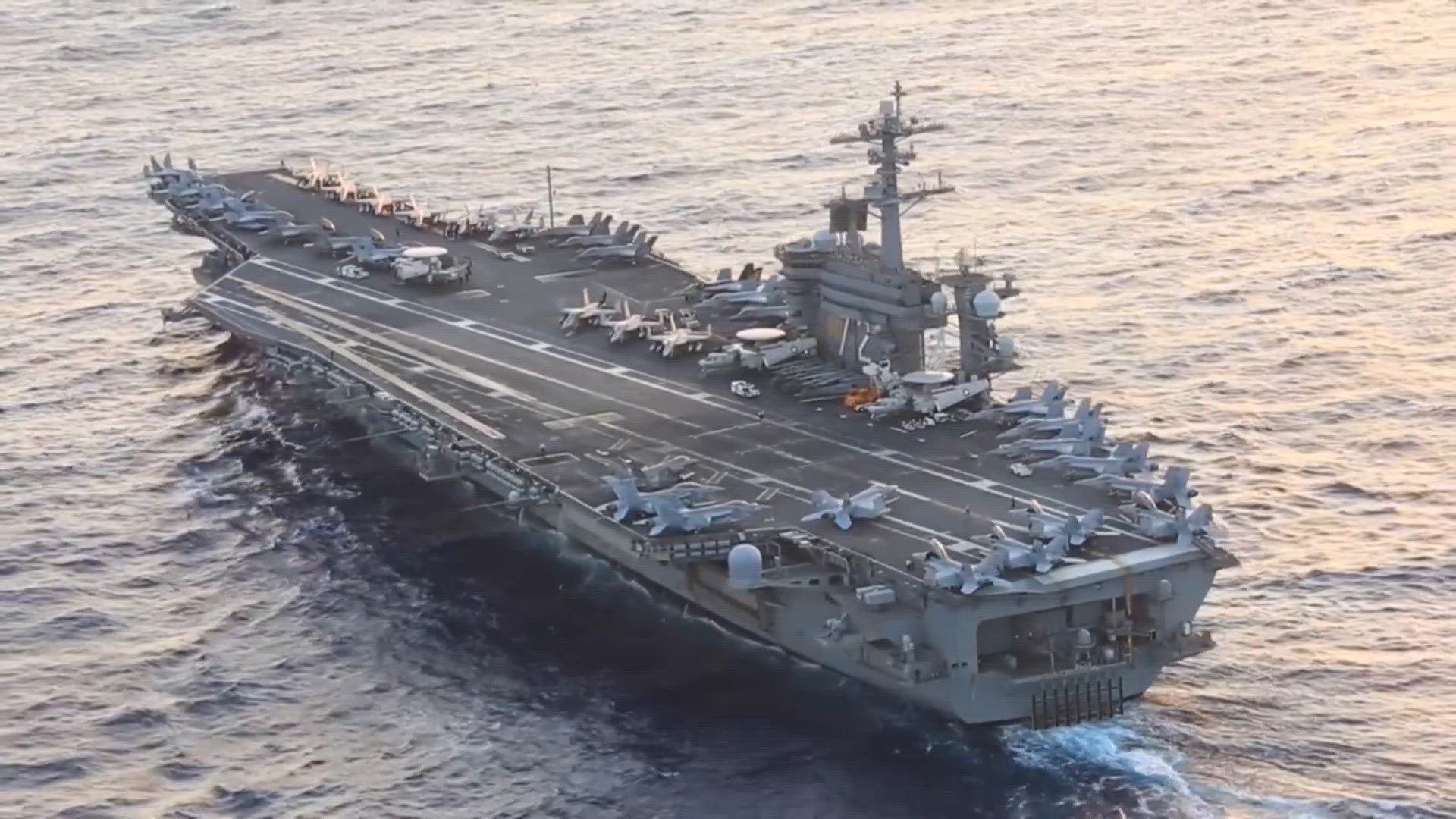
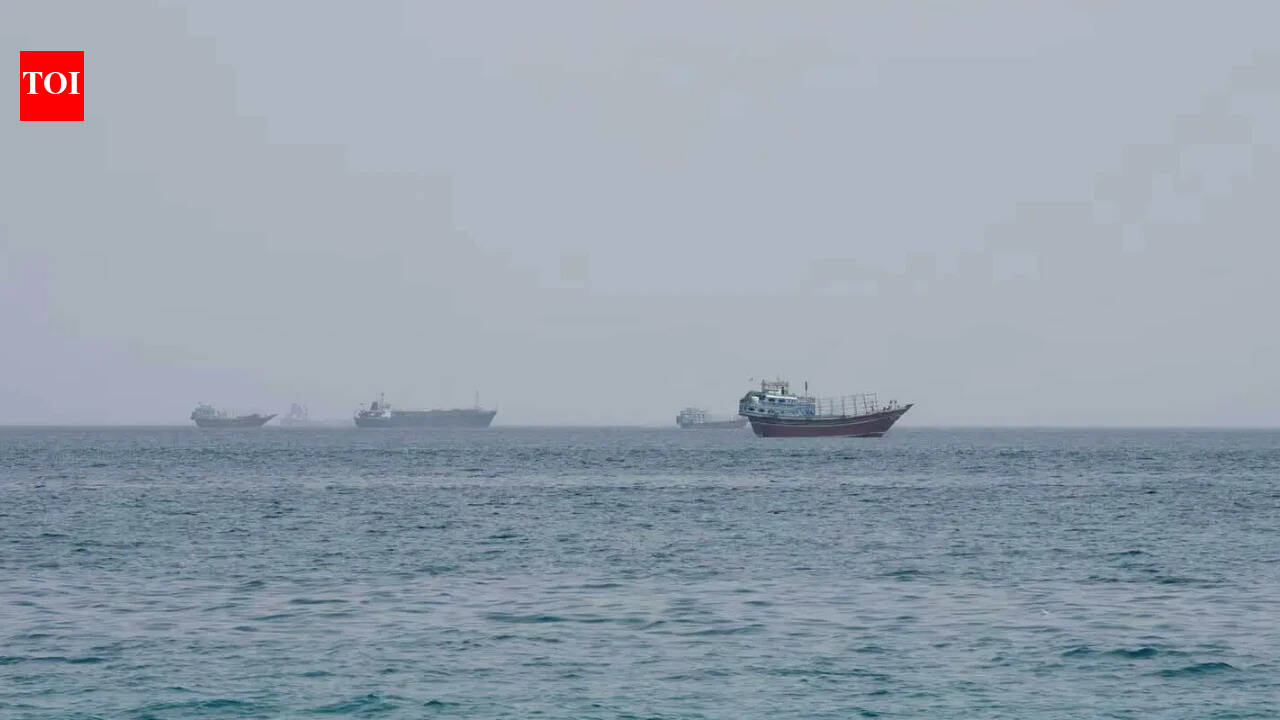
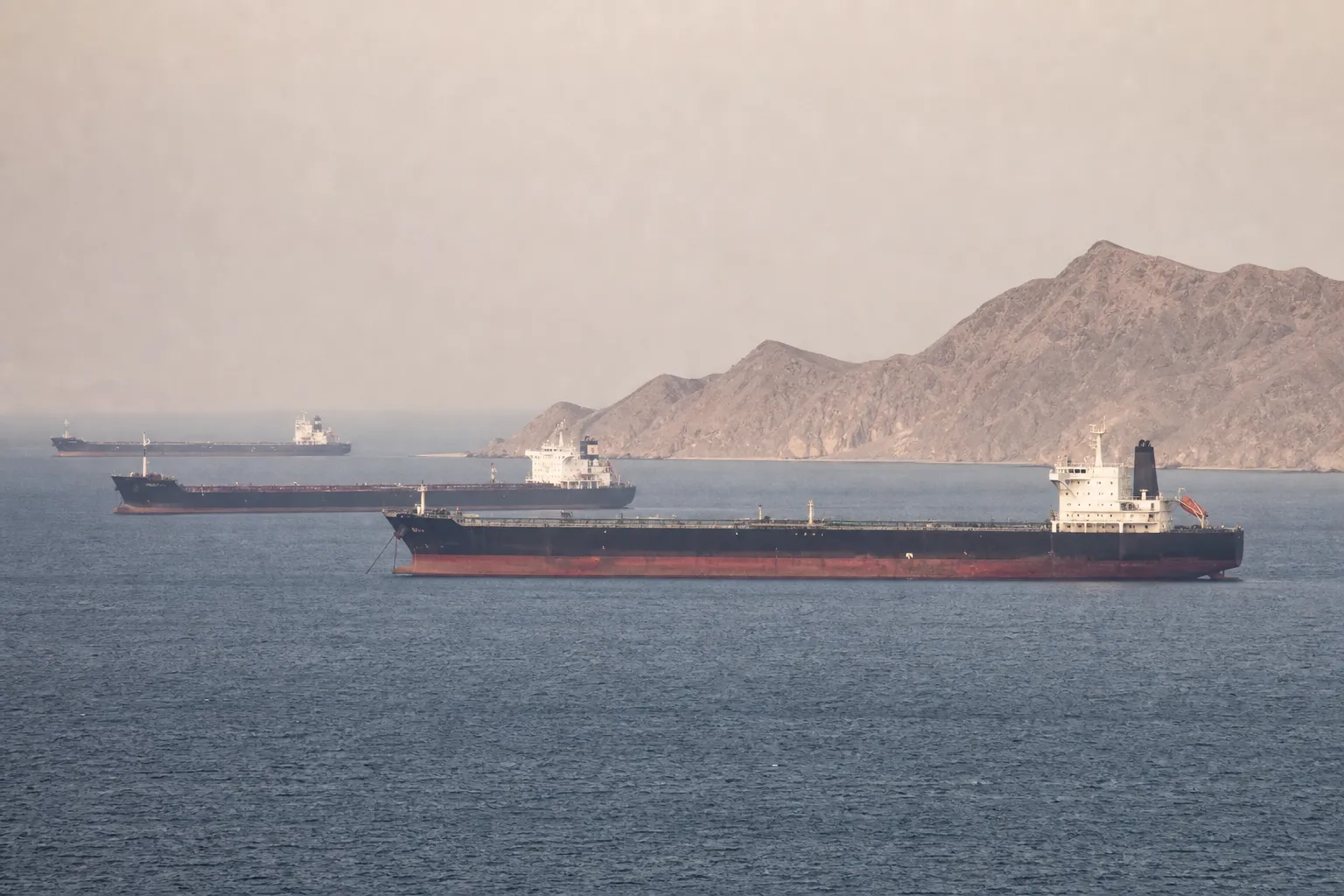
Critical Supply Chain Disruption for Cross-Border E-Commerce Sellers: The Strait of Hormuz—handling approximately one-third of global seaborne oil trade and one-fifth of global crude oil shipments—has experienced catastrophic shipping collapse as US-Iran diplomatic negotiations stalled and the 60-day ceasefire expires on August 19, 2026. Kpler shipping data reveals vessel transits plummeted from 31 ships in the prior weekend to just 5 on Saturday and zero on Sunday (August 17, 2026), representing an 84% decline. Overall traffic is down 90% since the February 28, 2026 conflict began, compared to the pre-war baseline of 130+ daily transits. Brent crude surged to $89.20/barrel (up $0.72) and West Texas Intermediate rose to $82.83/barrel (up $0.44), with both contracts gaining 5%+ the previous week following attacks on Abu Dhabi National Oil Company (ADNOC) tankers and Saudi Aramco refinery infrastructure.
Immediate Logistics Cost Impact: For cross-border e-commerce sellers, this geopolitical escalation creates severe operational headwinds. Shipping disruptions directly impact three critical cost vectors: (1) Fuel surcharges: Oil price increases above $90/barrel trigger automatic 3-5% fuel surcharges on ocean freight, translating to $150-400 additional cost per 20-foot container depending on origin/destination; (2) Maritime insurance premiums: War risk insurance for Hormuz transit has increased 200-300% (from 0.5% to 1.5-2% of cargo value), adding $500-2,000 per shipment for electronics, apparel, and home goods; (3) Transit time delays: Vessel rerouting around the Cape of Good Hope adds 10-15 days to Asia-Europe routes and 5-8 days to Asia-North America corridors, forcing sellers to increase safety stock by 20-30% to maintain service levels. HSBC shipping expert Parash Jain advised treating shipping chaos as the industry baseline, indicating prolonged volatility.
Seller Segment Vulnerability Analysis: Small-to-medium sellers (SMBs) shipping 500-2,000 units monthly from China/Vietnam to US/EU face the highest margin compression—estimated 8-12% cost increase on landed goods. Large sellers with established 3PL networks and pre-negotiated contracts experience 4-6% increases but benefit from volume leverage. Sellers dependent on Asian manufacturing for time-sensitive categories (electronics, apparel, home goods) face extended lead times of 20-30 days, forcing inventory buffer increases. The Bab el-Mandeb strait (controlled by Yemeni Houthis) compounds disruption: weekend commodity vessel transits declined from 55 to 49, with zero tracked Saudi oil shipments, creating secondary supply chain bottlenecks. Iran's Foreign Minister Abbas Araqchi stated no formal ceasefire exists and negotiations have stalled, with only indirect communication through Qatar and Pakistan intermediaries, suggesting prolonged volatility through Q4 2026 and potentially into 2027.
Strategic Sourcing Implications: The crisis creates arbitrage opportunities for sellers willing to shift sourcing corridors. Vietnam, India, and Indonesia—accessible via alternative maritime routes avoiding Hormuz—become increasingly attractive for categories like apparel, electronics accessories, and home goods. Sellers currently dependent on Middle Eastern markets (UAE, Saudi Arabia, Qatar) face demand uncertainty as regional logistics costs spike. The diplomatic impasse suggests no near-term resolution: President Trump claimed he would declare the Strait a US territory, while Iran's Deputy Foreign Minister countered that the waterway remains under Iranian control exclusively, indicating hardened negotiating positions. Supply chain diversification and inventory buffer strategies become critical operational priorities for sellers targeting 2026-2027 profitability.
Questions 7
What is the timeline for Hormuz shipping to normalize, and should I lock in long-term shipping contracts now?
Normalization is unlikely before Q1 2027 based on current diplomatic signals. Iran's Foreign Minister stated no formal ceasefire exists and negotiations have stalled, with only indirect communication through Qatar and Pakistan intermediaries. The 60-day ceasefire expires August 19, 2026 with no renewal agreement in sight, and President Trump's claim to declare the Strait a US territory while Iran asserts exclusive control indicates hardened negotiating positions. For shipping contracts: (1) avoid 12-month commitments at current elevated rates ($2,500-3,500/TEU Asia-US vs. $1,800-2,200 pre-conflict); (2) negotiate 3-month rolling contracts with fuel surcharge caps at 4-5% maximum; (3) lock in war risk insurance rates for Q4 2026 before further escalation; (4) establish backup routing agreements with 3PLs for Cape of Good Hope alternatives. HSBC shipping expert Parash Jain advised treating shipping chaos as the industry baseline, suggesting volatility persists through 2027. Monitor weekly Kpler vessel transit data—when transits exceed 50 ships/weekend consistently, begin normalizing contract terms.
How does the Bab el-Mandeb strait blockade compound Hormuz disruption for my supply chain?
The Bab el-Mandeb strait (controlled by Yemeni Houthis) creates a secondary bottleneck affecting sellers targeting Middle Eastern markets. Weekend commodity vessel transits declined from 55 to 49 ships, with zero tracked Saudi oil shipments, indicating severe regional logistics constraints. For sellers shipping to UAE, Saudi Arabia, and Qatar, expect 15-25% cost increases and 5-10 day delays beyond Hormuz impacts. The dual-strait disruption (Hormuz + Bab el-Mandeb) effectively closes the primary Asia-to-Middle East-to-Europe corridor, forcing rerouting around Africa. Sellers dependent on Middle Eastern markets should consider: (1) temporary inventory pre-positioning in Dubai/Jebel Ali before further escalation; (2) shifting demand generation to North America/EU markets with more stable logistics; (3) renegotiating supplier contracts to account for 30-40 day lead times instead of 20-25 days. The Houthis declared a naval blockade on Saudi Arabia in July 2026, indicating sustained regional hostility.