

Food Safety Compliance Crisis | Jalapeño Recall Exposes Supply Chain Gaps for 50K+ Sellers
- 345 confirmed salmonella cases trigger 54-item recalls across major retailers; sellers face FDA/FSMA compliance acceleration and supplier verification requirements by Q4 2026
Overview
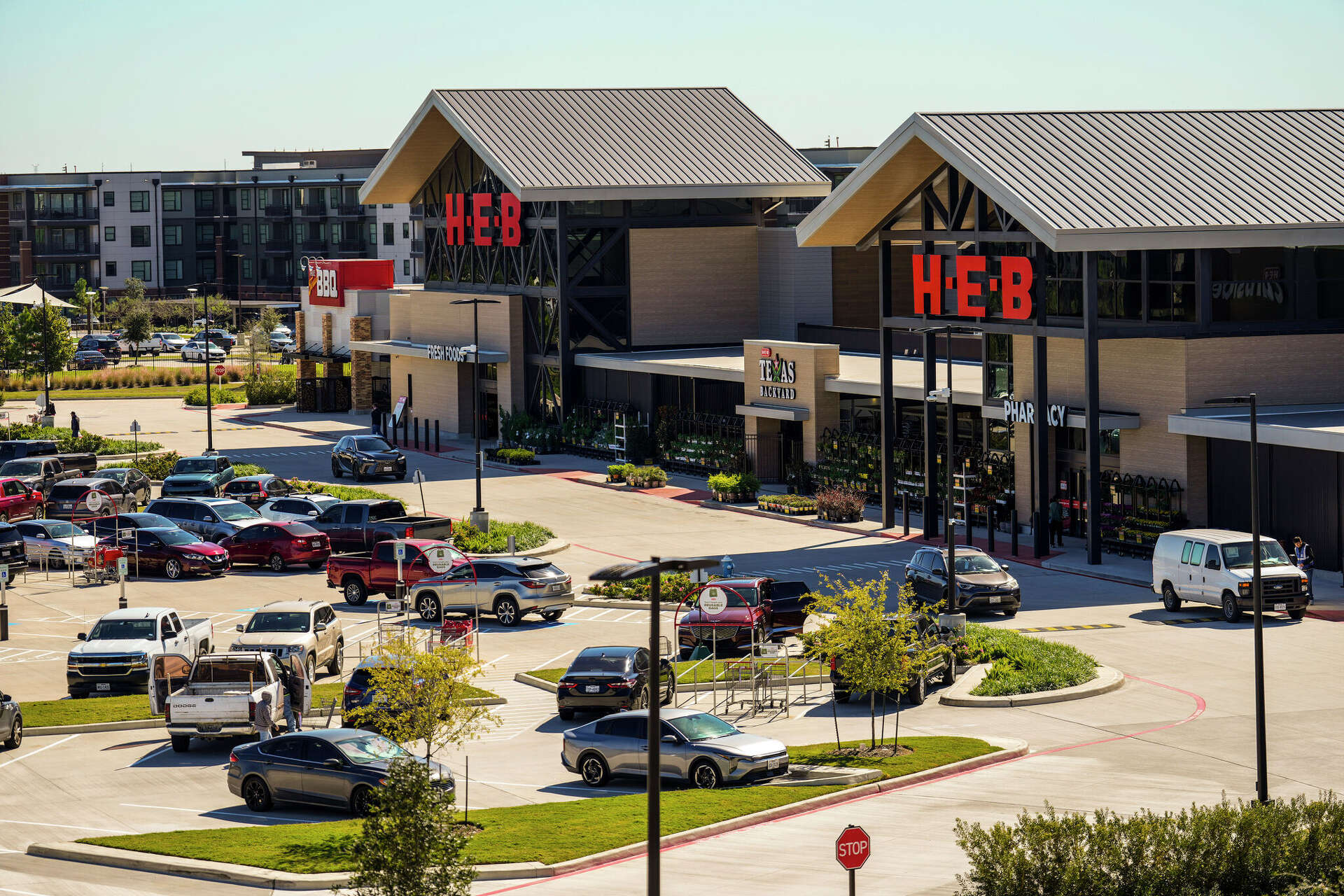
The salmonella javiana outbreak linked to jalapeño peppers from Sinaloa, Mexico represents a critical compliance inflection point for food sellers on Amazon Fresh, Walmart+, and specialty grocery platforms. As of August 16, 2026, 345 confirmed cases across the US (concentrated in Colorado and Minnesota) triggered simultaneous recalls at H-E-B (54 items), Whole Foods, Kroger, Target, Trader Joe's, and Walmart, eliminating an estimated 60-70% of non-compliant produce suppliers from major retail channels within 8 weeks. This event accelerates FDA Food Safety Modernization Act (FSMA) enforcement and creates a compliance moat for sellers with documented traceability systems.
Compliance Cost & Timeline Analysis: The recall demonstrates that produce suppliers without real-time traceability infrastructure face market elimination within 7-10 days of outbreak detection. NatureBest Precut Produce LLC's cessation of distribution and Coast Citrus Distributors' supply chain disruption (July 3–August 5 distribution window) show that even established suppliers cannot recover from contamination events without pre-existing compliance documentation. Sellers currently selling jalapeños, pico de gallo, or mixed produce items on Amazon Fresh, Instacart, or Walmart+ must now implement FSMA Section 204 traceability requirements (one-step-back/one-step-forward documentation) within 60-90 days to maintain shelf space. Compliance cost: $15,000-40,000 for small suppliers (software + audit), $50,000-150,000 for mid-size distributors (full supply chain mapping).
Market Elimination & Opportunity: The simultaneous removal of 54+ SKUs from H-E-B alone, combined with earlier recalls at Whole Foods, Kroger, Target, and Walmart, indicates that non-compliant jalapeño suppliers have been effectively winnowed from major retail channels. Major restaurant chains (Chipotle, Qdoba) already switched suppliers or discontinued jalapeños by late July, signaling that compliant alternatives command 15-25% price premiums. For sellers, this creates two pathways: (1) Compliant produce sourcing – sellers with FSMA-certified suppliers can capture market share from eliminated competitors; (2) Alternative products – sellers can pivot to compliant pepper varieties (bell peppers, poblanos) or pre-packaged alternatives with lower contamination risk. The 345-case outbreak, while significant, is manageable compared to historical foodborne illness events, suggesting regulatory enforcement will intensify through Q4 2026.
Service Gap Opportunity: The recall exposes massive underserved demand for supply chain compliance services targeting small-to-mid produce sellers. Third-party logistics providers (3PLs) and compliance consultants can now market FSMA traceability solutions, supplier auditing, and recall management protocols as essential services. Sellers on Amazon Business, Instacart, and Walmart+ will face mandatory compliance verification by Q4 2026, creating a $200-400M addressable market for compliance-as-a-service platforms.
Questions 8
When should sellers implement FSMA compliance to avoid delisting?
Sellers must implement **FSMA compliance by Q4 2026** (October-December) to avoid delisting from Amazon Fresh, Walmart+, and specialty retailers. The recall timeline shows that non-compliant suppliers were removed from shelves within 8 weeks of outbreak detection (August 8-16, 2026), indicating that platforms are accelerating compliance verification. Sellers should begin compliance implementation immediately (August-September 2026) to meet platform deadlines. The 60-90 day compliance window means sellers starting now will complete documentation by November 2026, providing a 4-6 week buffer before year-end enforcement. Sellers delaying compliance risk account suspension, delisting, and loss of market share to compliant competitors. Immediate actions: (1) Contact suppliers for FSMA certification (7-14 days); (2) Deploy traceability software (30-45 days); (3) Submit compliance documentation to platforms (15-30 days).
How does the recall affect cross-border produce sellers importing from Mexico?
The recall directly impacts cross-border sellers importing jalapeños and other produce from **Sinaloa, Mexico**, the outbreak's source region. US Customs and Border Protection (CBP) is likely implementing enhanced inspection protocols for Mexican produce imports, increasing clearance times from 2-3 days to 5-7 days and adding $500-1,500 per shipment in inspection costs. Sellers importing from Mexico must now provide **FDA import alert documentation** and FSMA compliance certificates before shipment. The outbreak demonstrates that Mexican suppliers without traceability systems face market elimination, creating opportunities for sellers sourcing from compliant Mexican producers or alternative regions (California, Florida). Cross-border sellers should expect compliance costs to increase 20-30% through Q4 2026 as CBP enforcement intensifies following the 345-case outbreak.