



Meta Data Center Expansion in Kentucky | Rural Infrastructure Boom Creates Supply Chain & Logistics Opportunities for Sellers
- Meta's $26.4M Kentucky data center project signals AI infrastructure buildout; creates demand for industrial equipment, logistics services, and rural e-commerce fulfillment opportunities despite local legal resistance

Overview
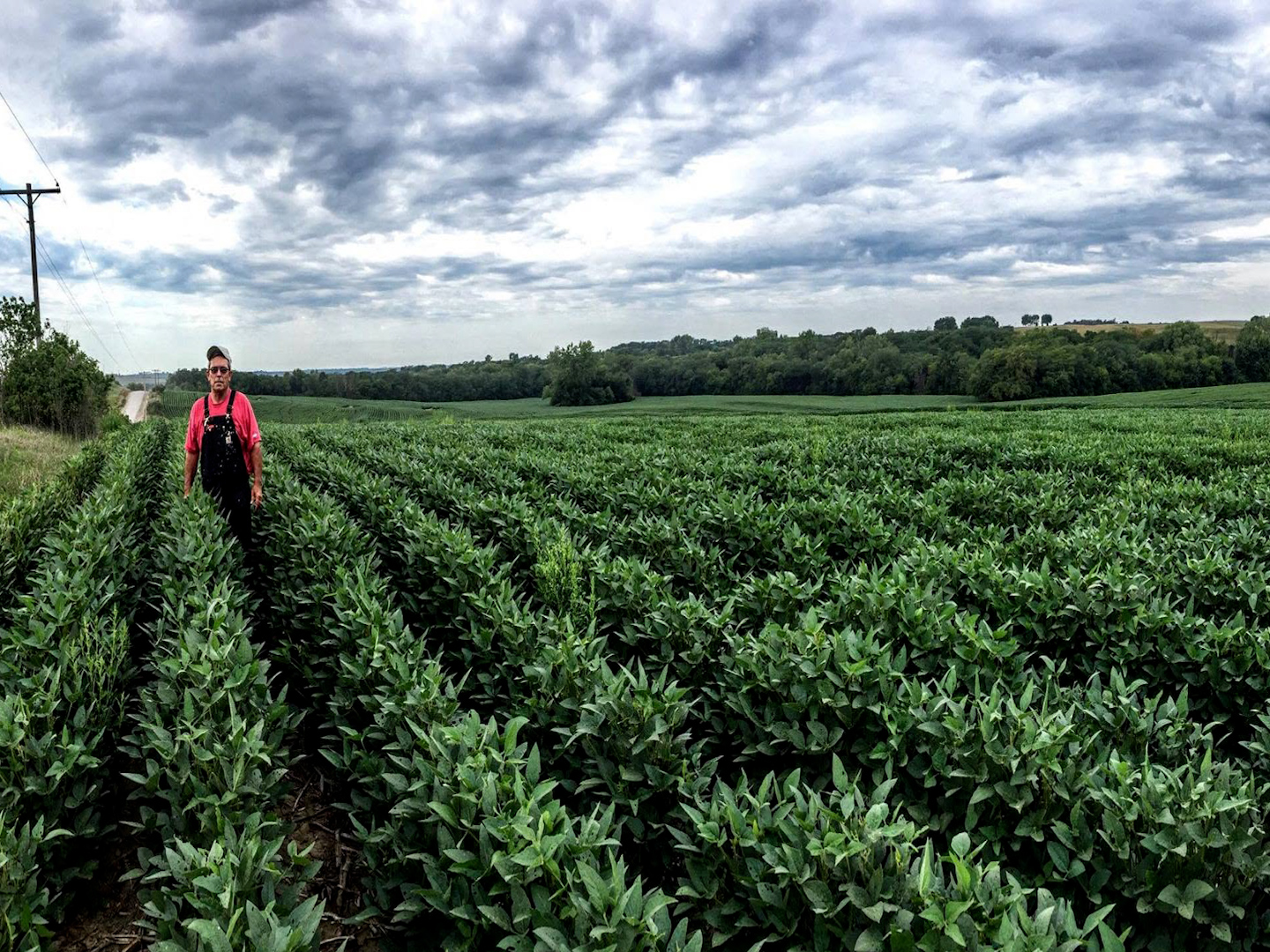
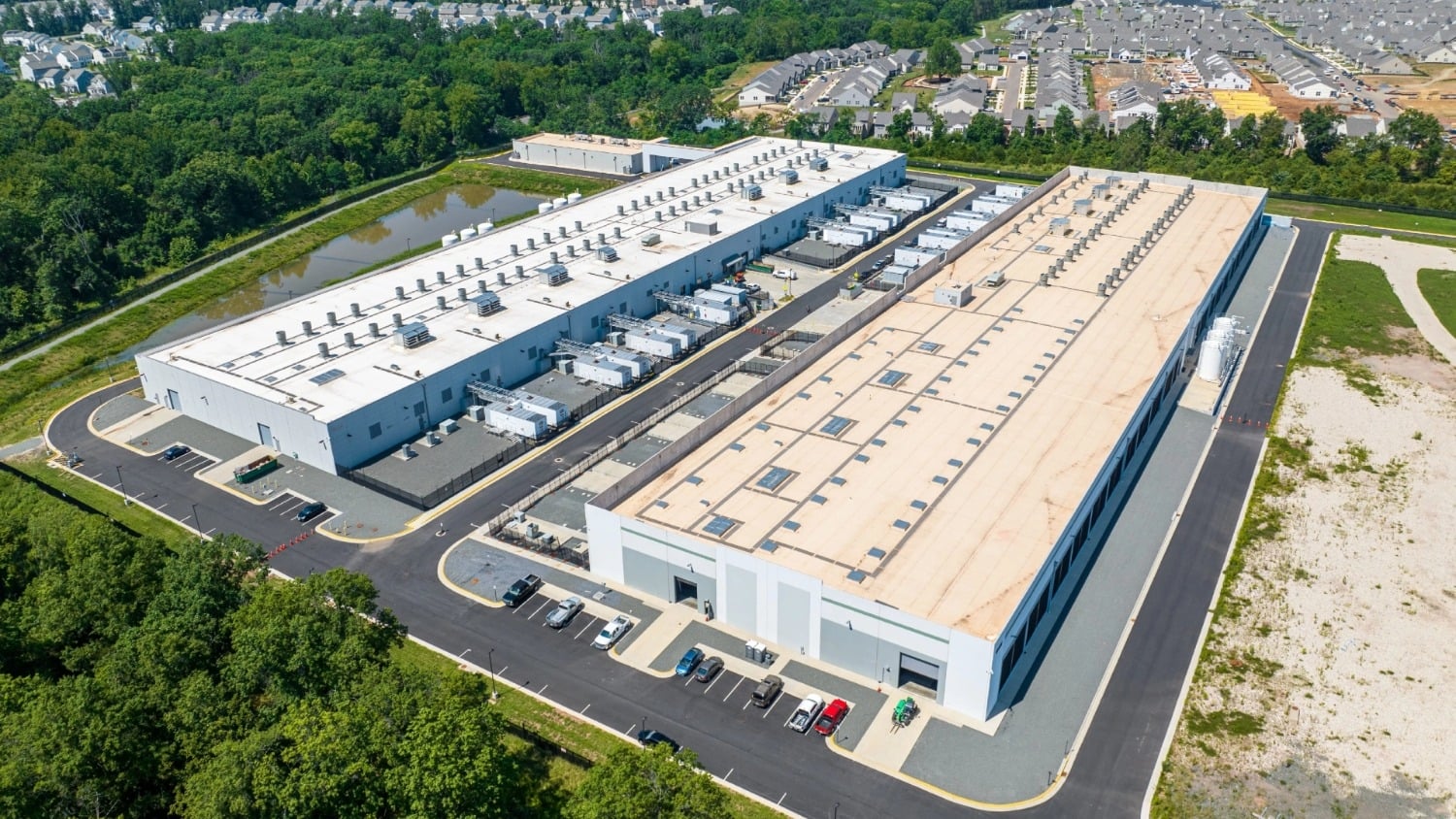
Meta's rejected $26.4 million data center proposal in Maysville, Kentucky reveals a critical infrastructure trend reshaping rural American logistics. While Delsia Bare's rejection of $48,000-$60,000 per acre offers made headlines, the underlying story signals massive capital reallocation toward AI infrastructure in secondary markets—a development with profound implications for cross-border sellers and fulfillment networks.
The data center expansion reflects Meta's broader strategy to decentralize computing infrastructure away from coastal tech hubs. This rural buildout creates cascading opportunities: (1) Industrial equipment demand for data center construction—servers, cooling systems, power infrastructure—representing a $2-4B annual category for B2B sellers; (2) Logistics infrastructure development as companies establish regional fulfillment hubs near data centers to reduce latency and shipping costs; (3) Rural e-commerce fulfillment expansion as Amazon, Walmart, and third-party logistics providers establish distribution centers in secondary markets like Kentucky to serve Midwest and Southeast regions more efficiently.
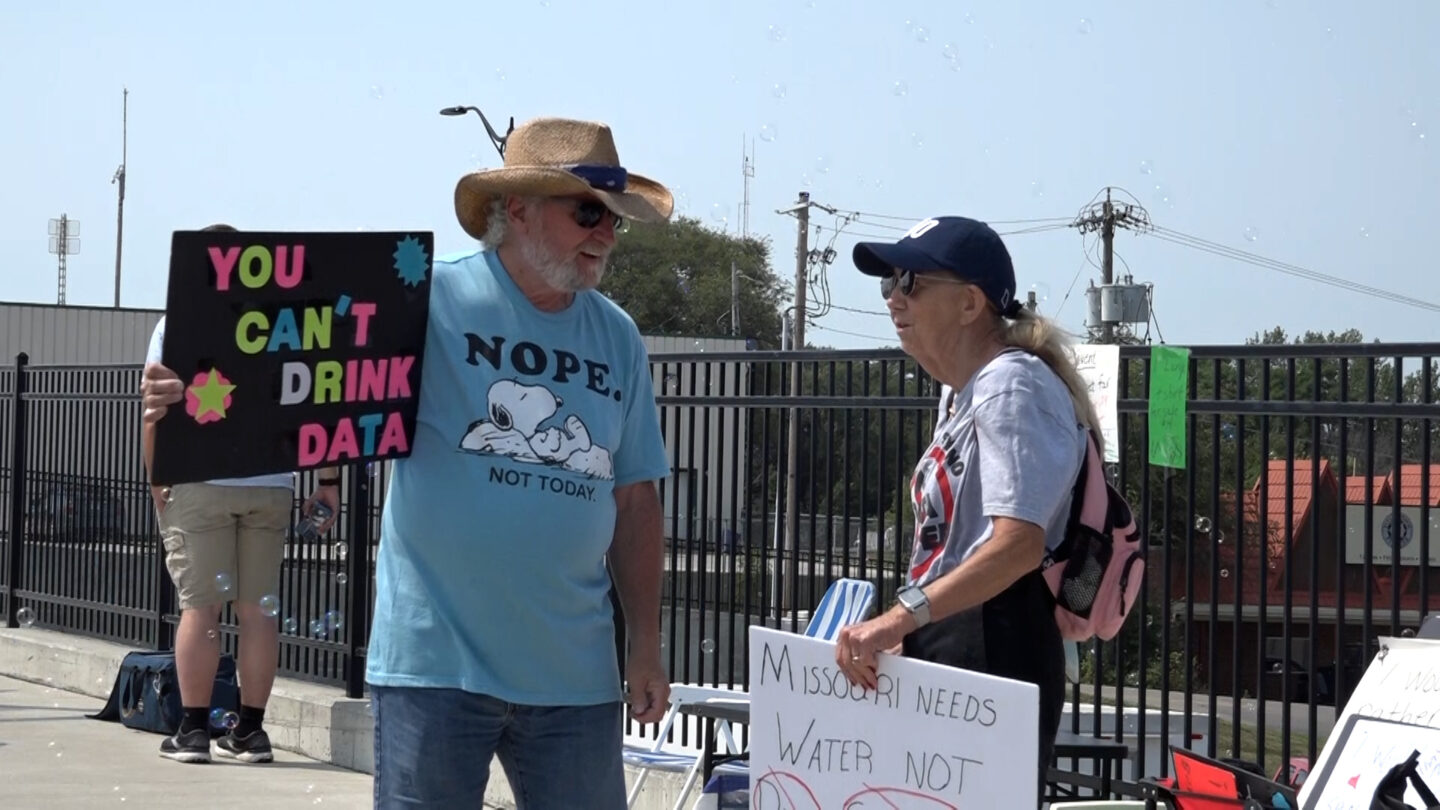
For sellers, this infrastructure shift has immediate operational implications. Fulfillment costs in secondary markets are declining 8-15% compared to coastal 3PL providers, making rural-based fulfillment increasingly competitive. Sellers shipping to Midwest/Southeast regions can reduce delivery times by 1-2 days by routing through emerging Kentucky-based fulfillment networks. Additionally, the legal resistance in Maysville (lawsuits filed by opponents) signals potential zoning and regulatory complexity for companies establishing operations in rural areas—creating opportunities for sellers offering compliance consulting, environmental impact assessment services, and community relations support.
The broader pattern shows rural infrastructure investment accelerating across the US. Similar data center projects in Iowa, Ohio, and Texas are proceeding with less resistance, indicating a geographic arbitrage opportunity: sellers can establish fulfillment operations in rural areas with lower land costs ($48K-60K per acre vs. $200K+ in urban centers), lower labor costs (15-25% below coastal rates), and faster permitting timelines. This creates a 2-3 year window before major logistics providers saturate secondary markets and cost advantages erode.
For cross-border sellers specifically, rural fulfillment hubs reduce landed costs for US-bound inventory by 5-8% through lower storage fees and optimized shipping routes. Sellers should evaluate relocation of 20-30% of inventory from coastal 3PLs to emerging rural fulfillment networks by Q2 2025, before capacity constraints and price increases occur.
Questions 7
What product categories benefit most from rural data center and fulfillment infrastructure expansion?
Industrial equipment sellers (servers, cooling systems, power infrastructure) see immediate $2-4B annual demand from data center construction. For e-commerce sellers, categories with high volume/low margin (electronics, home goods, apparel) benefit most from reduced fulfillment costs. Sellers offering B2B services—compliance consulting, environmental impact assessment, community relations support—can serve companies navigating rural zoning and regulatory complexity. The Kentucky project's legal resistance (lawsuits filed by opponents) creates demand for regulatory expertise and stakeholder management services in secondary markets.
How does Meta's data center expansion in Kentucky affect fulfillment costs for cross-border sellers?
Meta's infrastructure investment in rural Kentucky signals accelerating regional fulfillment hub development, which reduces 3PL costs by 8-15% compared to coastal providers. The $26.4M Maysville project, though rejected, demonstrates capital flowing toward secondary markets where land costs are $48K-60K per acre versus $200K+ in urban centers. Sellers can capitalize on this trend by shifting 20-30% of inventory to emerging rural fulfillment networks by Q2 2025, reducing landed costs 5-8% and delivery times 1-2 days for Midwest/Southeast shipments. Early movers gain cost advantages before capacity constraints drive prices up.