




India UPI Merchant Fees 0.3-0.5% | $1B Payment Cost Impact for 550M Users
- Introduces 0.3-0.5% MDR on transactions above 2,000 rupees for large merchants; affects 550M+ UPI users and cross-border sellers accepting Indian payments



























Overview
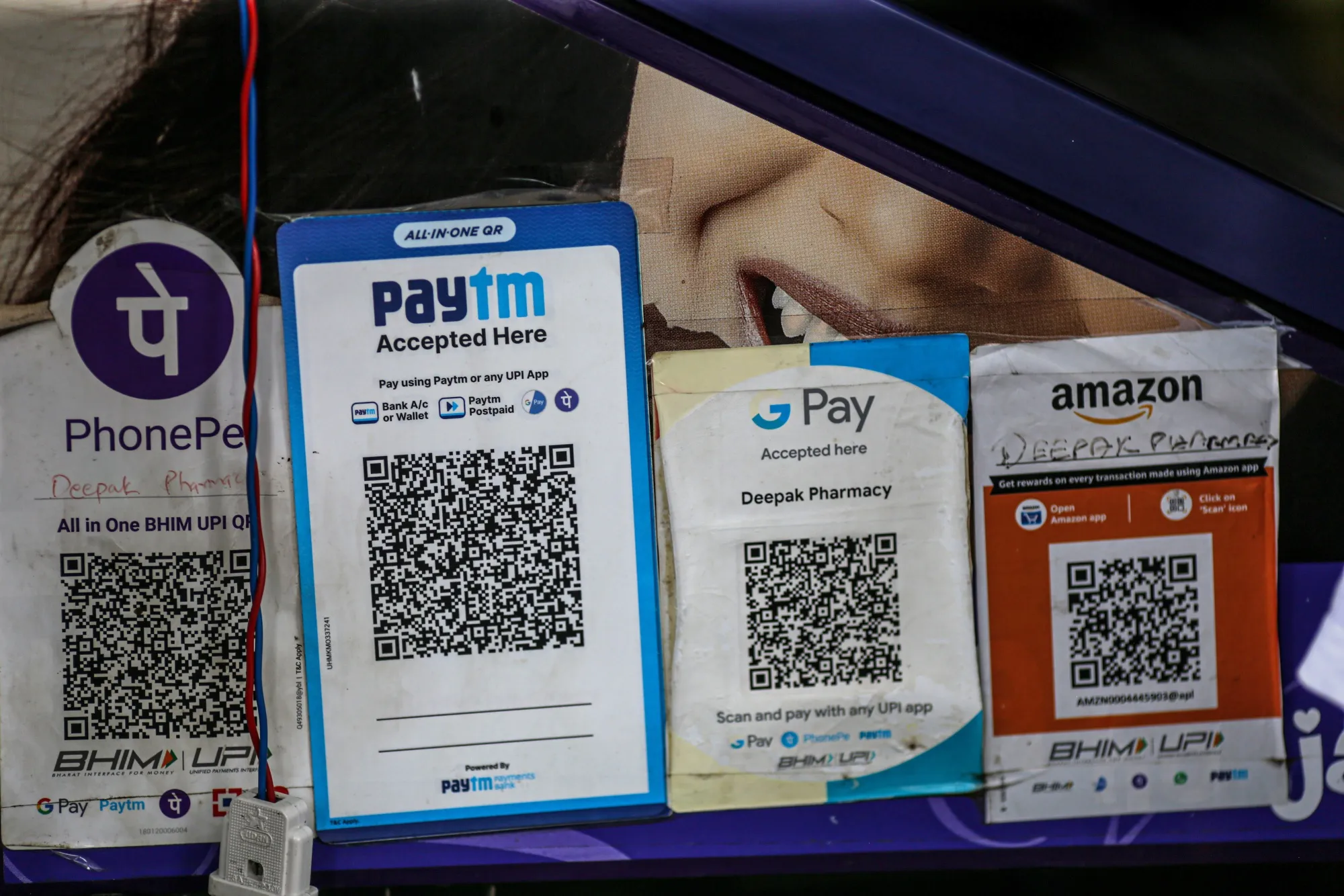
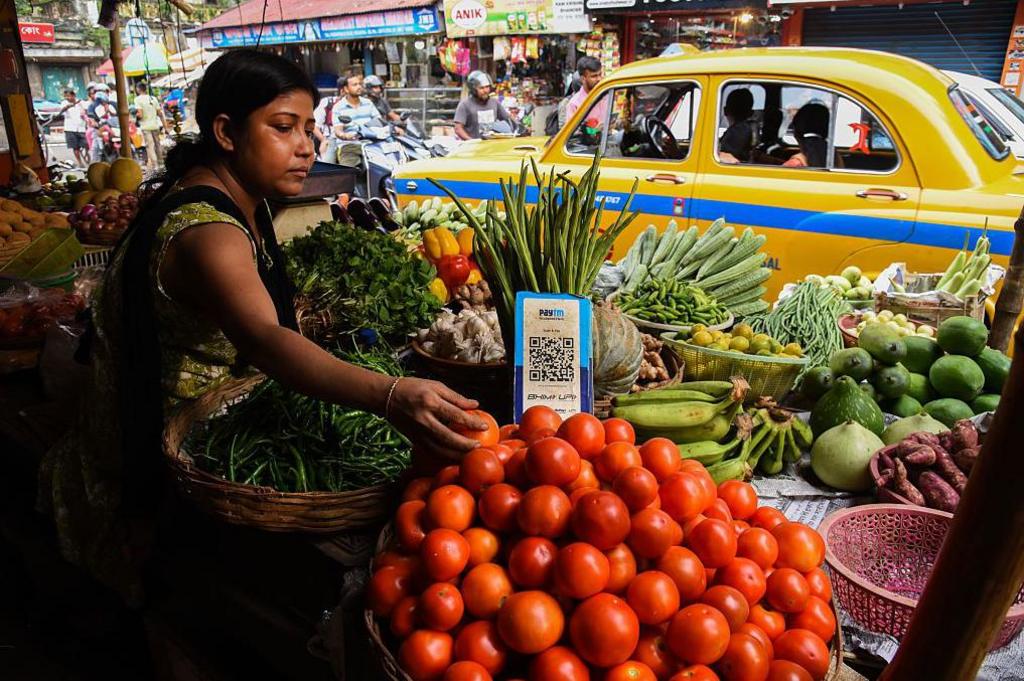
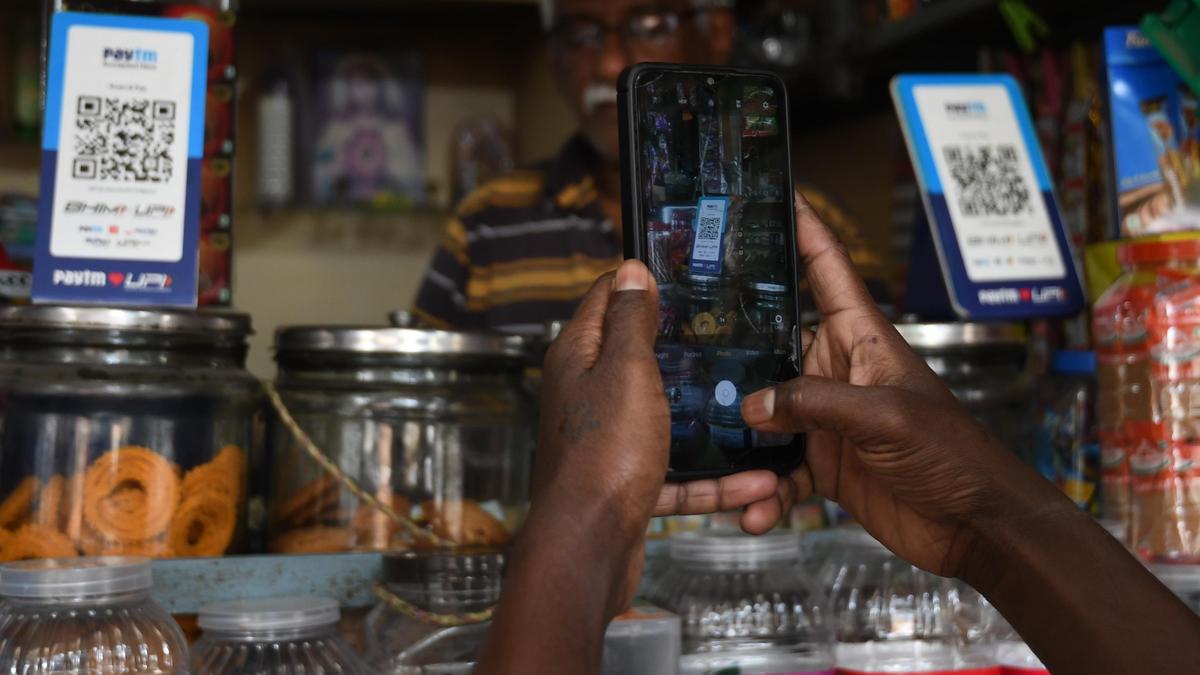
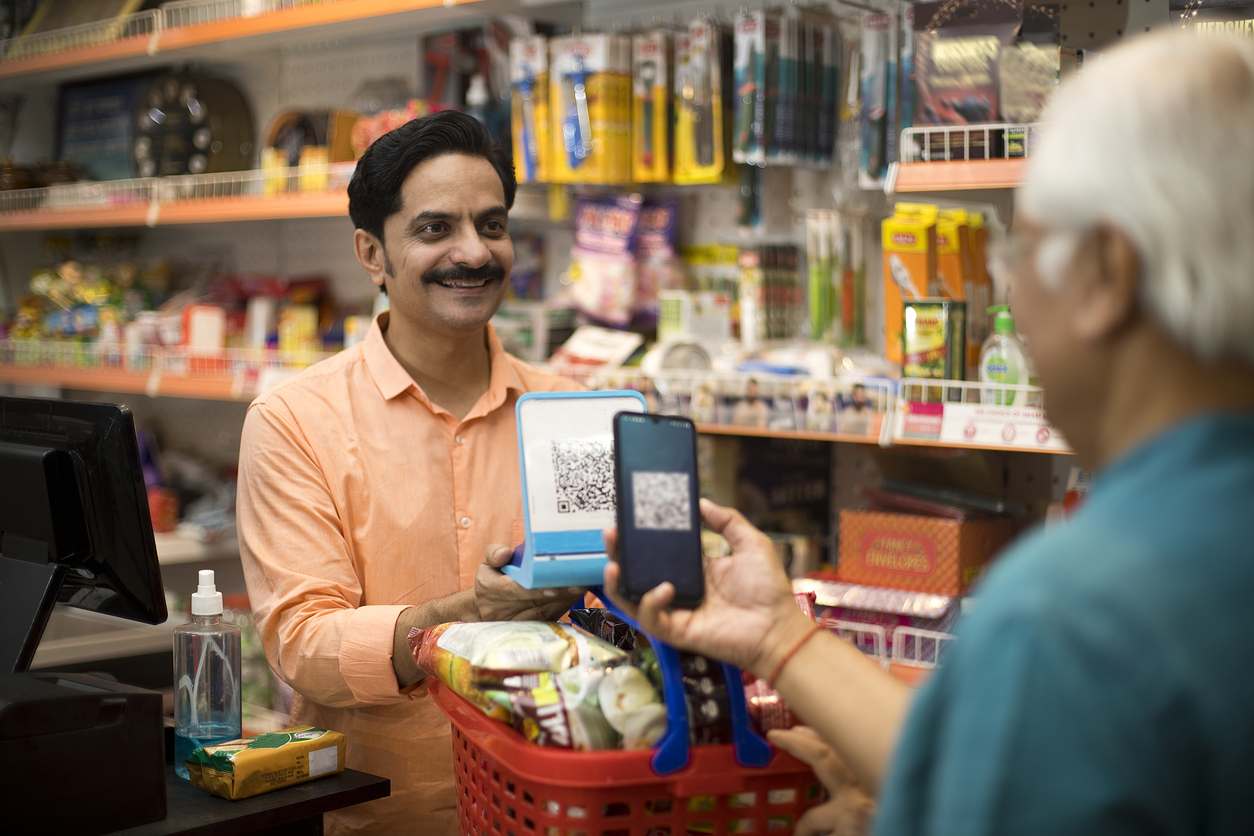
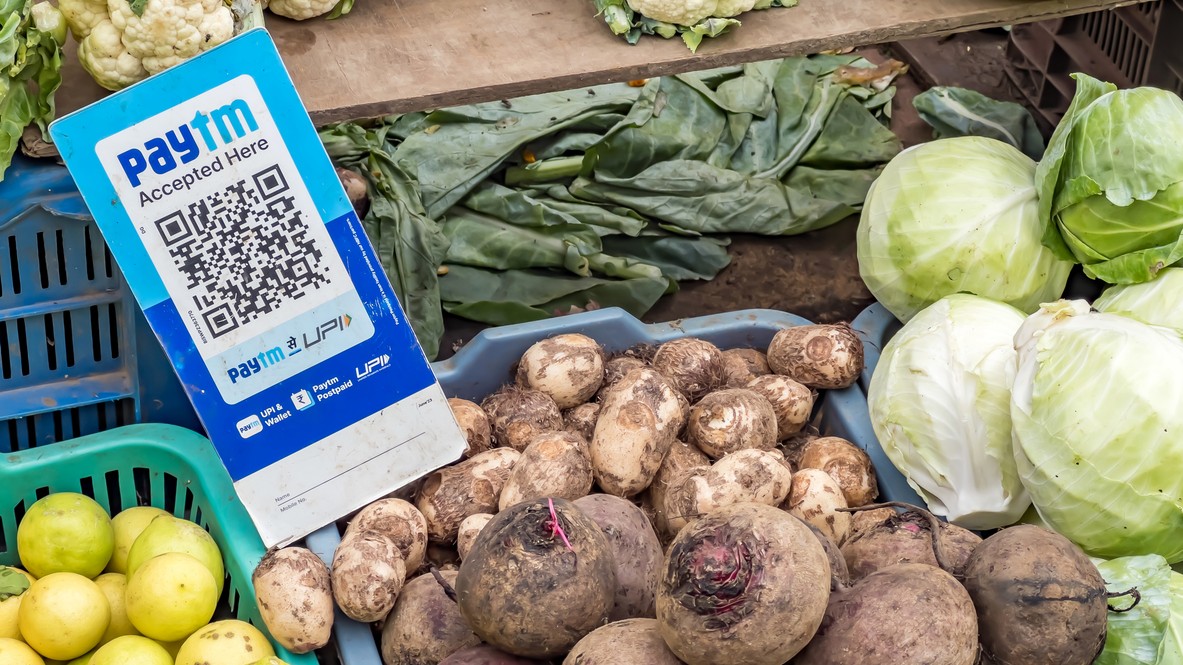
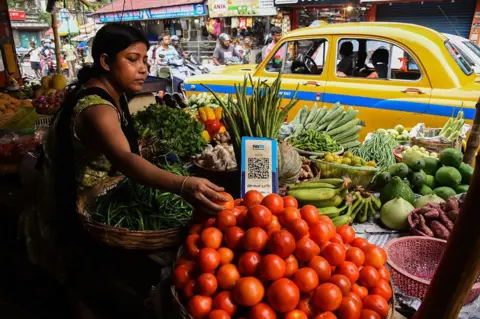
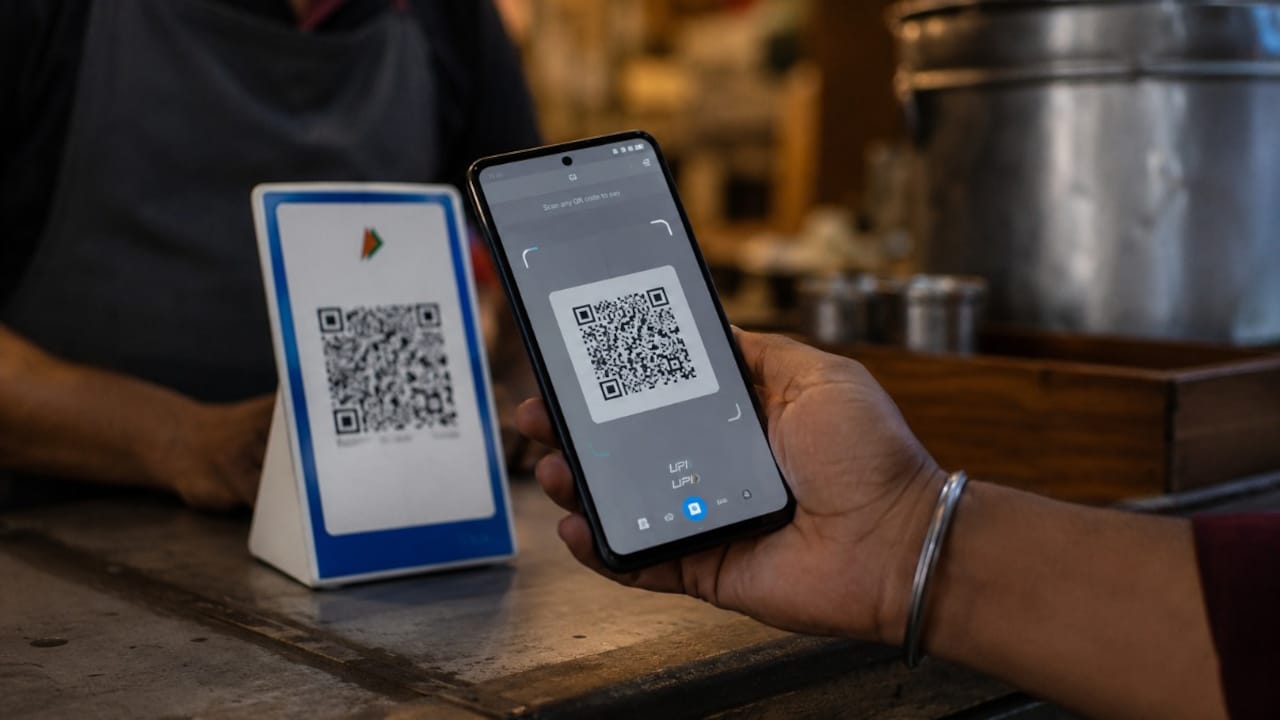
India's proposed introduction of merchant discount rates (MDR) of 0.3-0.5% on Unified Payments Interface (UPI) transactions above 2,000 rupees marks a critical inflection point for the world's largest digital payments network. Since its 2016 launch, UPI has processed 23.6 billion transactions worth 29.87 trillion rupees in July alone, serving 550+ million users across 11 countries through competing apps like Google Pay and PhonePe. This fee structure targets high-value transactions at large retailers—representing only 4% of merchant payment volumes but 67% of transaction value—potentially generating up to $1 billion in annual revenue for banks and payment providers.
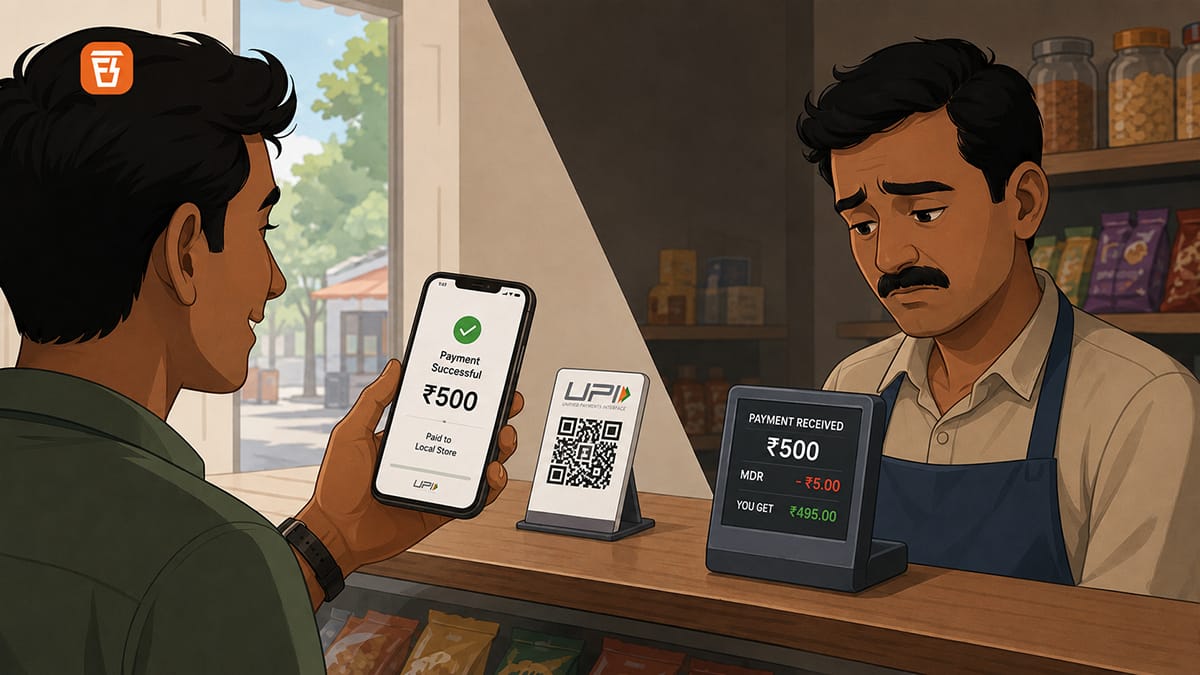
For cross-border e-commerce sellers, this represents a fundamental shift in payment economics for India's market. The proposed fees directly impact sellers operating on Indian marketplaces or accepting UPI payments from Indian customers, effectively increasing payment processing costs by 0.3-0.5% on high-ticket transactions. Small merchants operating on thin margins face the greatest risk, particularly in developing districts where payment networks remain nascent. The Reserve Bank of India governor acknowledged that infrastructure costs must be borne by someone, as UPI's decade-long free model was subsidized through government compensation to banks and payment firms.
Brazil's Pix system demonstrates a viable alternative model: free individual payments with low-cost business charges, serving 140 million people and 14 million companies. This suggests India could adopt a tiered approach balancing sustainability with merchant adoption. The critical challenge lies in designing fees that sustain UPI's infrastructure without discouraging adoption among informal traders and small businesses essential to network expansion. Economist research by Abhinav Motheram and Sharon Buteau indicates merchant acceptance was a key driver of UPI adoption—not merely a consequence—meaning fee introduction risks dampening the very merchant participation that fueled UPI's explosive growth.
For sellers, this creates immediate payment cost pressures on India-focused operations while opening opportunities to optimize payment routing, negotiate volume-based exemptions with payment providers, and explore alternative payment methods for consumer transactions (which remain fee-free). The 0.3-0.5% fee on high-value transactions could compress margins by 15-30 basis points for sellers processing significant Indian rupee volumes, requiring immediate cost structure review and potential pricing adjustments.
Questions 8
Which seller segments face the highest risk from UPI merchant fees?
Small merchants operating on thin margins face the greatest risk, particularly those in developing districts where payment networks remain nascent. Sellers of high-ticket items (electronics, home goods, luxury products) with average transaction values above 2,000 rupees will experience immediate fee impact. Informal traders and small businesses essential to UPI's network expansion are most vulnerable to fee-driven adoption decline. Large retailers representing 4% of merchant payment volumes but 67% of transaction value will absorb fees more easily due to scale advantages. Sellers with margins below 5% require urgent pricing or cost restructuring to maintain profitability.
What payment routing strategies can sellers use to minimize UPI fee impact?
Sellers can implement tiered payment strategies: encourage UPI for transactions below 2,000 rupees (fee-free), offer alternative methods for high-value purchases (credit cards, net banking, digital wallets with different fee structures). Negotiate volume-based exemptions with payment aggregators like Google Pay and PhonePe, which may offer merchant discounts for high-volume sellers. Consider splitting large transactions into multiple smaller payments below the 2,000 rupee threshold, though this risks customer friction. Explore emerging payment methods and regional payment systems that may offer competitive fee structures. Monitor Reserve Bank of India policy evolution, as Brazil's Pix model suggests fees may eventually decrease as infrastructure costs stabilize.