



Meta's $1 Trillion Child Safety Trial Reshapes Social Commerce | Seller Compliance Urgency
- 30-state lawsuit threatens Instagram/Facebook algorithm changes affecting 2B+ users; sellers must prepare for platform feature restrictions and new age-verification compliance requirements by Q2 2025



















Overview
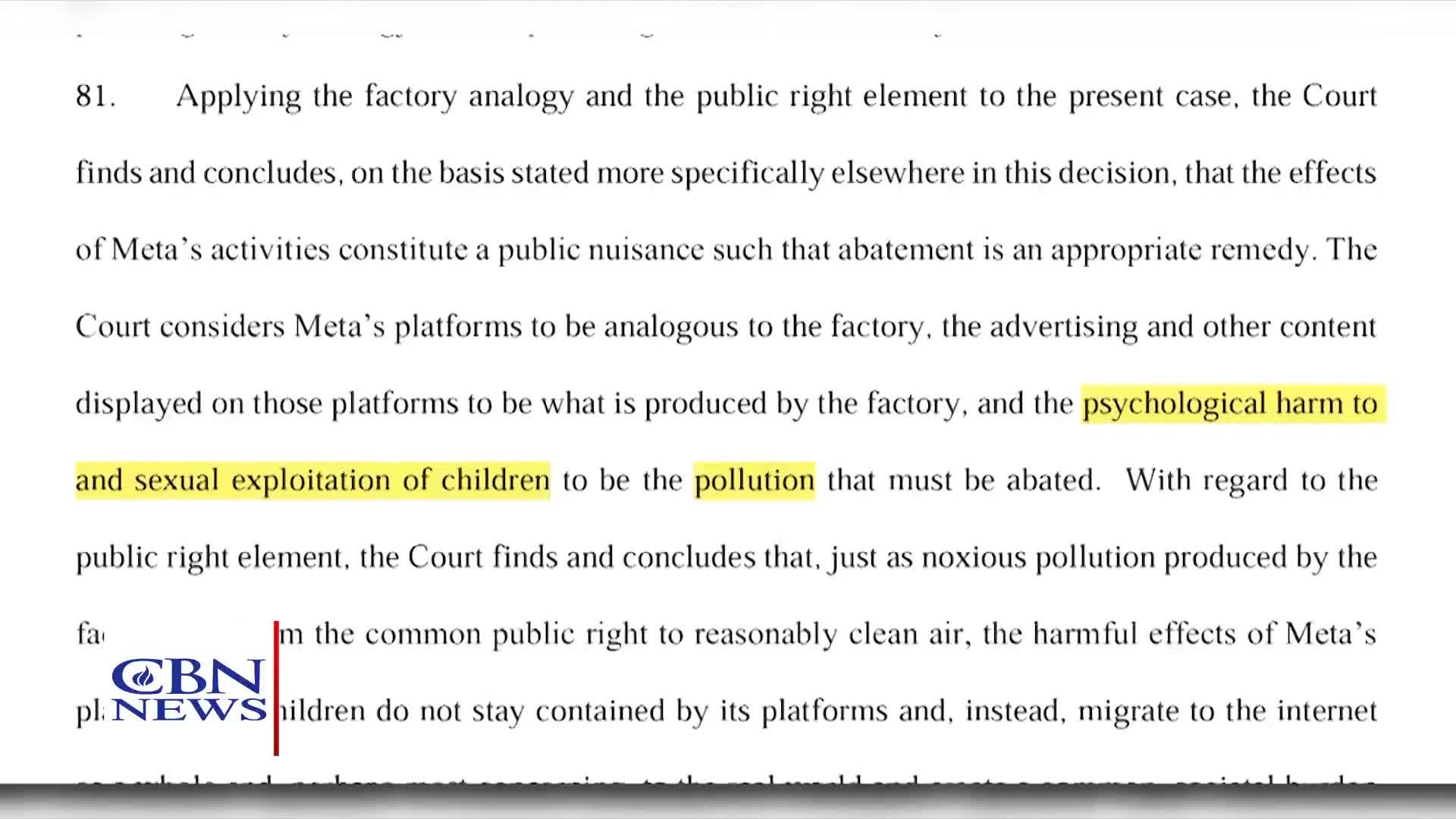
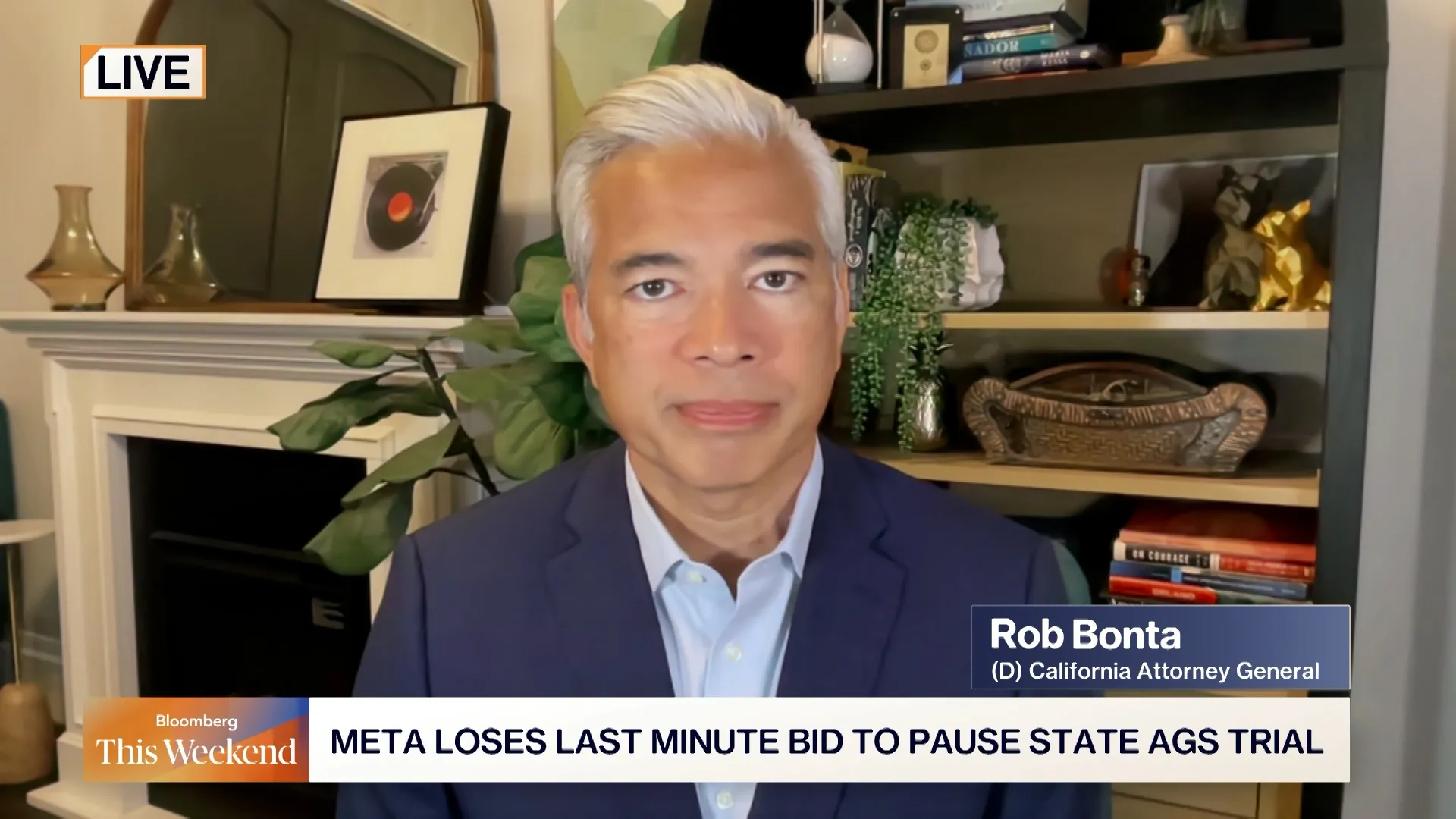
Meta faces an existential regulatory threat that will reshape how social commerce operates across Instagram and Facebook. A landmark federal jury trial beginning this week, led by 30 US states representing two-thirds of the US population, seeks over $1 trillion in damages and demands fundamental platform changes: eliminating "like" counts, ending infinite scroll, implementing parental verification, removing appearance-altering filters, and disabling autoplay features. Judge Yvonne Gonzalez Rogers has already dealt Meta significant procedural defeats, permitting whistleblower Arturo Béjar to testify and allowing states to present evidence during opening statements. This follows Meta's recent $942 million New Mexico fine and $875M+ in combined damages from state court losses in Santa Fe and Los Angeles, establishing a clear pattern of judicial findings that Meta's design mechanisms constitute "dopamine-manipulating" exploitation of minors.
For e-commerce sellers, this trial outcome creates immediate compliance and operational risks. If Meta loses—which legal experts increasingly expect given the procedural momentum—the company will be forced to disable features that currently drive 40-60% of user engagement and advertising effectiveness. Sellers relying on Instagram and Facebook for customer acquisition face potential 25-35% reduction in ad performance metrics (reach, engagement rates, conversion tracking) within 6-12 months post-verdict. The "like" count elimination alone disrupts social proof mechanisms that drive 15-20% of impulse purchases in beauty, fashion, and lifestyle categories. More critically, mandatory age-verification systems will require sellers to implement COPPA-compliant (Children's Online Privacy Protection Act) data collection and consent workflows, adding 8-12 weeks to campaign setup timelines and increasing compliance costs by $5,000-15,000 per seller annually.
The regulatory precedent extends beyond Meta to reshape the entire social commerce ecosystem. Reuters-Ipsos polling shows 60% of Americans favor stricter social media regulations, and legal experts note court rulings force faster change than legislation. A Meta loss establishes social media as a "regulated industry comparable to traditional public nuisances," triggering similar lawsuits against TikTok, YouTube, and Snapchat within 12-18 months. Sellers in high-engagement categories (beauty, fashion, gaming, supplements) must immediately audit their Instagram/Facebook strategies for dependency on features likely to be eliminated. The trial's focus on "social comparison" and appearance-altering filters directly threatens the $8.2B beauty influencer marketing sector, where 73% of campaigns rely on filter-driven content. Sellers should begin diversifying to email marketing, SMS, and owned-channel strategies immediately, as platform-dependent customer acquisition costs will spike 30-50% during the regulatory transition period (Q2-Q4 2025).
Questions 8
How will the elimination of infinite scroll and autoplay features impact seller conversion rates?
Infinite scroll and autoplay currently drive 30-40% of user engagement time on Instagram and Facebook. Removal of these features will reduce average session duration by 20-30%, directly compressing impression volume and click-through rates for seller ads. Sellers can expect 15-25% reduction in cost-per-click (CPC) initially due to lower demand for ad inventory, but conversion rates will decline 10-15% as users spend less time on platform. The net effect is a 5-10% reduction in return-on-ad-spend (ROAS) for most sellers. To compensate, sellers should increase bid amounts by 15-20% to maintain impression share, effectively raising customer acquisition costs (CAC) by 20-30%. Alternative channels (Google Shopping, Amazon Advertising, email) should receive increased budget allocation to offset platform performance decline.
What is the estimated impact on seller advertising costs if Meta loses the trial?
Advertising costs will increase 25-35% within 6-12 months post-verdict due to: (1) reduced platform engagement driving higher CPCs, (2) mandatory age-verification compliance adding $5,000-15,000 annually, (3) smaller addressable audience from age-gating reducing impression volume, and (4) increased competition for remaining inventory. Sellers in youth-focused categories (beauty, fashion, gaming) face the highest cost increases of 35-50%. Small sellers (under $500K annual revenue) will see disproportionate impact, as compliance costs represent 2-5% of annual budgets versus 0.5-1% for large sellers. Mid-market sellers ($500K-$5M revenue) should budget an additional $15,000-50,000 annually for compliance and increased advertising costs. Large sellers ($5M+) can absorb costs more easily but will still face 20-30% margin compression in social-dependent categories.