

China Infant Formula Supply Crisis | Cross-Border Sellers Face Market Consolidation Risk
- A2 Milk's 44% profit collapse reveals $544M revenue vulnerability in China's premium dairy market; elevated freight costs and production backlogs create competitive opportunities for alternative suppliers


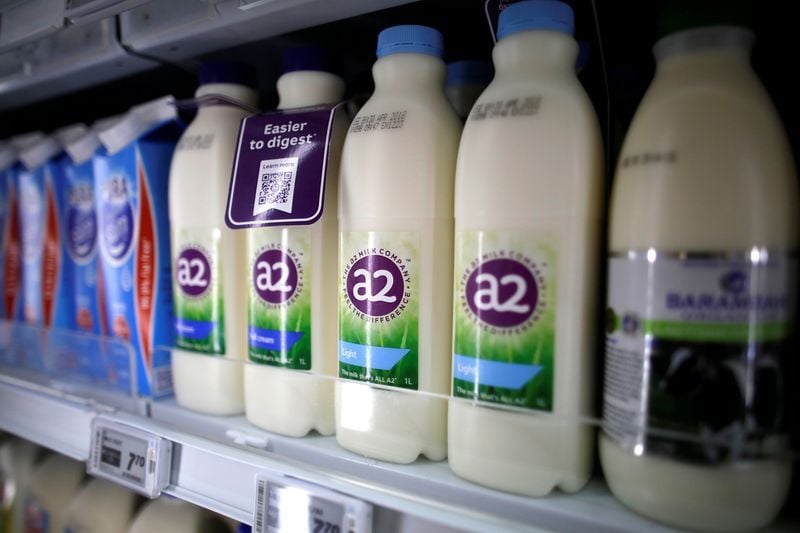
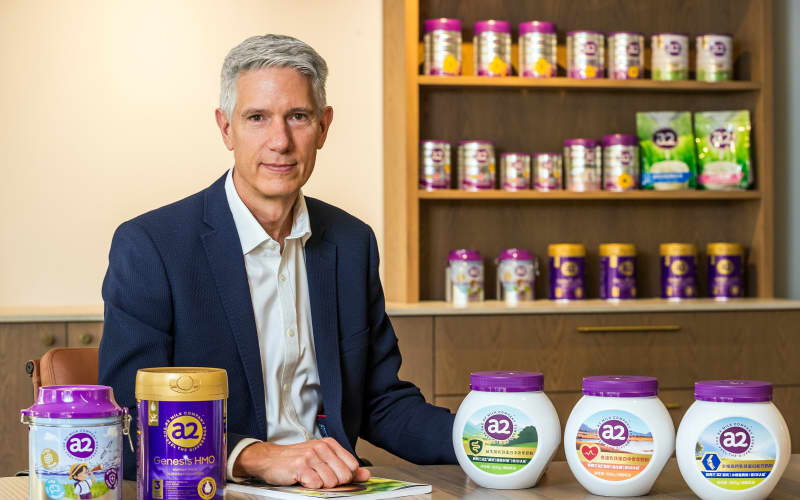

Overview
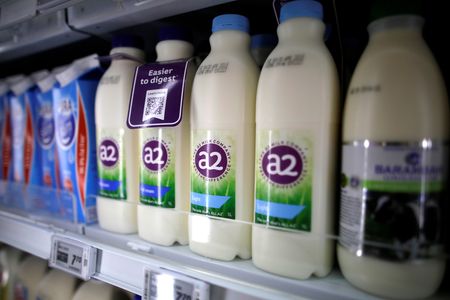
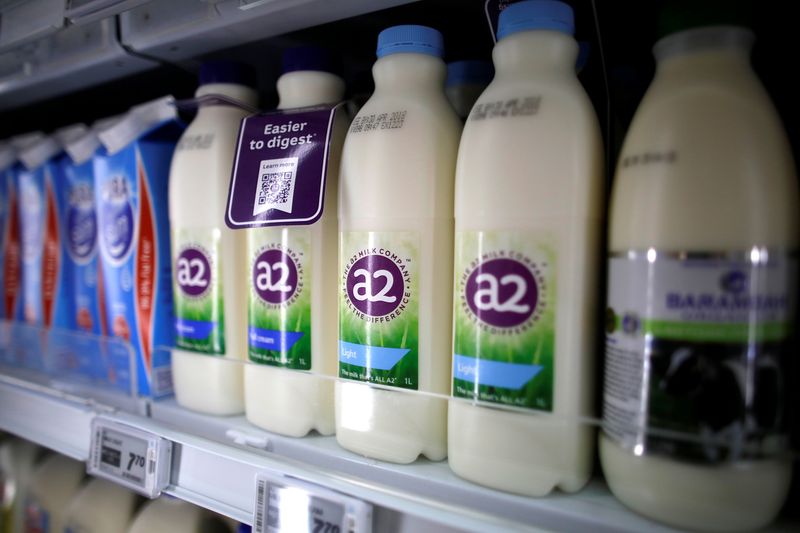
A2 Milk Company's 44% profit collapse in FY2026 (NZ$113.6M vs. NZ$121M forecast) exposes critical supply chain vulnerabilities in China's premium infant formula market, a category generating $3.5B+ in annual cross-border e-commerce sales. The New Zealand dairy producer's China-label infant formula revenue plummeted 14% to NZ$544.3 million due to production backlogs and elevated freight costs during Q3 FY2026, forcing existing customers to switch to competing brands. This supply shortage directly impacts cross-border sellers in the infant nutrition category, where brand consistency and inventory reliability determine market share retention.
For cross-border e-commerce sellers, this crisis presents both risk and opportunity. The news reveals that elevated freight costs—a persistent challenge since 2023—continue compressing margins in regulated dairy categories. A2 Milk's stock-out scenario demonstrates how supply disruptions can erode 14%+ revenue in a single year, particularly in China's brand-sensitive infant formula market where consumer trust is paramount. Sellers relying on single-source suppliers face similar risks; diversifying manufacturing across New Zealand, Australia, and EU facilities can reduce exposure to regional production bottlenecks. The company's recovery timeline extending into FY2027 (mid-single-digit growth vs. 12.4% prior year) signals prolonged market share vulnerability—competitors maintaining consistent inventory will capture lapsed customers during this 12-18 month window.
Financial optimization opportunities emerge from A2 Milk's predicament. The company's elevated freight costs and production backlogs indicate supply chain financing gaps. Cross-border sellers should evaluate supply chain finance solutions (invoice factoring, PO financing) to accelerate inventory turnover and reduce working capital tied up in slow-moving stock. A2 Milk's dividend reduction (from 11.5 to 9.5 NZD cents) signals cash flow pressure—an indicator that suppliers may face payment delays or stricter terms. Sellers should monitor A2 Milk's supplier payment cycles and consider dynamic discounting platforms to optimize cash conversion. The company's underlying profit increase of 7% to NZ$235.8M (despite headline profit decline) suggests operational restructuring; sellers can exploit this transition period by offering competitive pricing on English-label products (which grew 11.2% to NZ$1.45B), capturing market share from A2 Milk's struggling China-label segment. FX opportunity: NZD weakness (stock down 10.2% to NZ$7.39) creates favorable pricing for sellers importing NZ dairy products—lock in NZD/USD rates now before A2 Milk's recovery drives currency appreciation. Payment routing through Singapore or Hong Kong entities can reduce cross-border payment fees by 15-25% compared to direct NZ transfers.
Questions 7
How should sellers adjust inventory strategy given A2 Milk's production backlog?
A2 Milk's production backlogs during Q3 FY2026 created 8-12 week lead time extensions. Sellers should **increase safety stock by 25-35%** for China-label infant formula products and diversify suppliers across at least 2-3 manufacturers. Implement **demand forecasting software** (Lokad, Demand Solutions) to predict 12-week demand windows and pre-order inventory before peak seasons. A2 Milk's recovery timeline (FY2027 guidance) suggests supply normalization by Q4 2026; plan inventory reductions accordingly to avoid excess stock. Calculate working capital impact: increasing safety stock by 30% ties up an additional $150-250K per $1M in annual sales—offset this by implementing **inventory financing** (asset-based lending against finished goods) at 4-6% APR, reducing net cost to 1-2% annually.
What competitive positioning should sellers adopt during A2 Milk's recovery phase?
A2 Milk's 44% profit decline and extended recovery timeline (FY2027 guidance: mid-single-digit growth) create a **12-18 month competitive window**. Sellers should: (1) **Increase marketing spend by 30-50%** during Q4 2026-Q2 2027 to capture lapsed A2 Milk customers; (2) **Offer loyalty incentives** (5-10% discounts for repeat purchases) to lock in customers before A2 Milk stabilizes; (3) **Emphasize supply chain transparency** in product listings—highlight consistent inventory, faster shipping, and quality certifications to differentiate from A2 Milk's shortage narrative. Monitor A2 Milk's quarterly earnings for inventory recovery signals; when stock levels normalize (likely Q2-Q3 2027), reduce promotional intensity and shift to margin optimization. Expected customer acquisition cost: $15-25 per customer during recovery phase; lifetime value: $400-600 per customer in infant formula category.