




US-China Chip Supply Shift Reshapes Electronics Sourcing | Seller Opportunity in Device Components
- Apple's domestic memory chip pivot signals 15-25% supply chain reallocation; sellers of electronics, laptops, and smart devices face component cost volatility and sourcing timeline shifts through 2025




























Overview
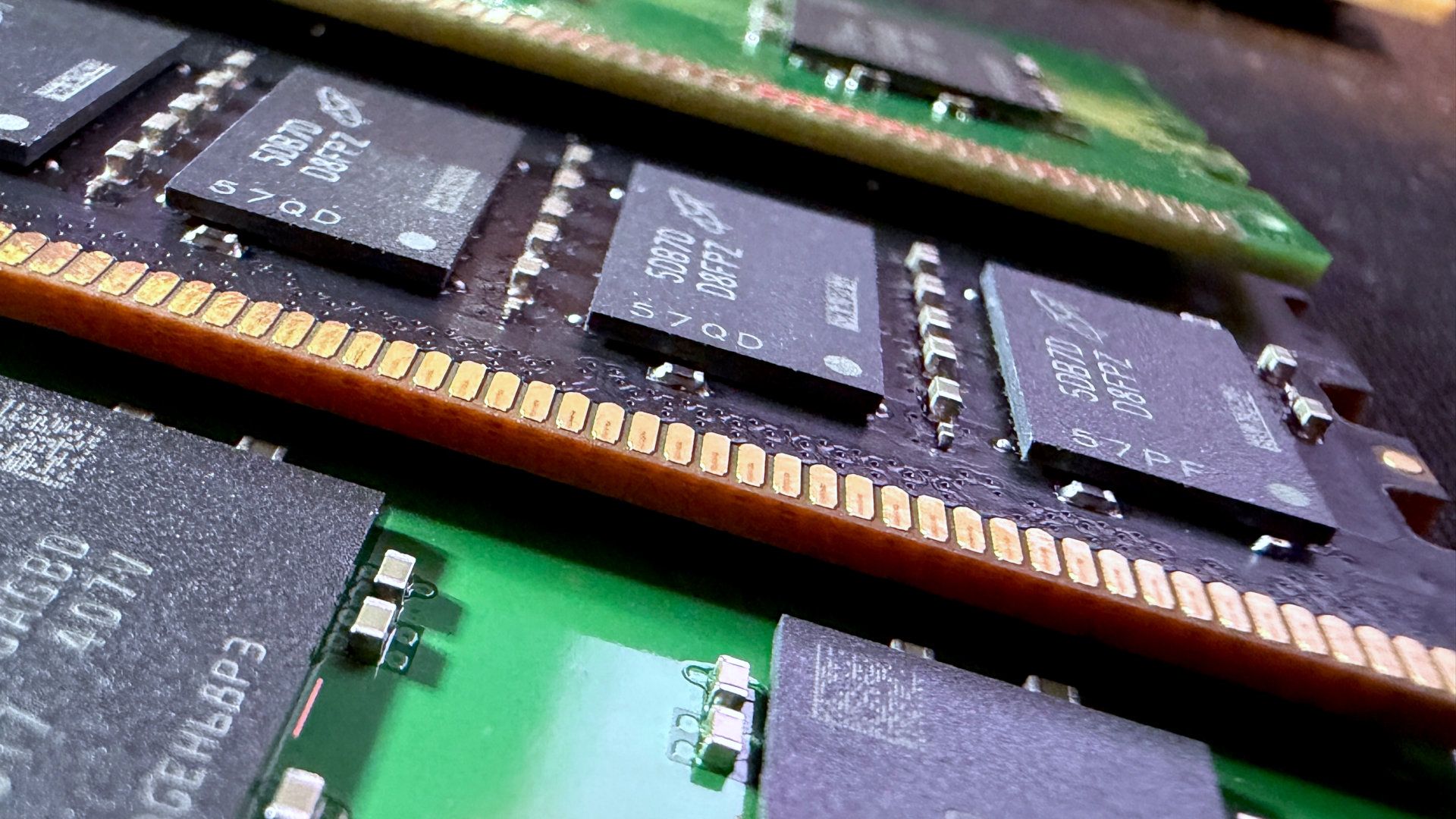
The geopolitical semiconductor realignment triggered by U.S. government pressure on Apple's memory chip sourcing represents a critical supply chain inflection point for cross-border electronics sellers. Commerce Secretary Howard Lutnick's public opposition to Apple sourcing memory chips from Chinese manufacturers signals an accelerating shift toward domestic and allied-nation semiconductor procurement. This policy intervention, combined with Micron Technology's stock surge to near $1,000 (10.7% weekly gain, strongest in 2+ months) and the KOSPI index's 2.4% rise reflecting Samsung and SK Hynix strength, indicates major demand tailwinds for U.S. and South Korean memory manufacturers through 2025.
For electronics sellers, this creates a bifurcated supply landscape. Sellers sourcing components from Chinese memory chip suppliers face potential 8-15% cost increases and 4-8 week delivery delays as Apple and other major OEMs redirect procurement to Micron, Samsung, and SK Hynix. Conversely, sellers with existing relationships to U.S./South Korean component distributors gain competitive advantage through stable pricing and faster fulfillment. The shift particularly impacts sellers in laptops, tablets, gaming devices, and smart home categories—segments where memory represents 12-18% of component costs. Amazon FBA sellers shipping electronics to U.S. and EU markets should expect component cost pressures to compress margins by 3-7% through Q2 2025, while sellers with diversified sourcing (U.S., South Korea, Taiwan) maintain pricing flexibility.
The supply chain reallocation window is immediate but manageable. Industry data shows similar geopolitical semiconductor shifts (2018-2019 trade tensions) created 6-9 month transition periods before new supply chains stabilized. Sellers have 4-8 weeks to audit current memory chip sourcing, identify alternative suppliers among Micron's expanding capacity, and lock in pricing before demand surge fully materializes. The bearish retail sentiment on Stocktwits despite Micron's stock strength suggests institutional investors see sustained demand, while retail traders remain uncertain—creating a 2-3 month window before component availability tightens significantly. Sellers in high-volume electronics categories (1,000+ units monthly) should prioritize supplier diversification; smaller sellers can monitor pricing trends and adjust sourcing in Q1 2025 when supply chain impacts become clearer.
Questions 8
Should I diversify my memory chip suppliers now or wait for prices to stabilize?
Immediate diversification is strategically superior to waiting. Micron's stock surge to near $1,000 and South Korean chipmaker strength indicate institutional investors expect sustained demand and pricing power. The 4-8 week window before supply tightens represents the optimal time to negotiate long-term supplier agreements at current pricing levels. Waiting until Q2 2025 risks paying 10-15% premiums as component availability tightens. Sellers should contact Micron distributors, Samsung suppliers, and SK Hynix partners within 2 weeks to lock in pricing and allocation guarantees. This proactive approach protects margins through 2025 and provides competitive advantage over sellers who delay.
How does this supply chain shift affect Amazon FBA storage and fulfillment costs?
Indirectly but significantly—higher component costs reduce seller margins, forcing inventory optimization to maintain profitability. Sellers facing 3-7% margin compression may reduce inventory velocity, increasing Amazon FBA storage fees by 5-10% as inventory sits longer. Conversely, sellers with stable sourcing can maintain aggressive inventory levels and capture market share from competitors facing cost pressures. Amazon FBA sellers should model margin scenarios assuming 8-12% component cost increases and adjust inventory strategy accordingly. Consider shifting 15-25% of inventory to 3PL providers with lower storage costs if component cost increases exceed 10%, preserving cash flow through the transition period.