


ChatGPT Computer History Tracks Mac Activity | Critical Data Security & Compliance Alert for E-Commerce Sellers
- OpenAI's keystroke logging feature poses data exposure risks for sellers managing sensitive inventory, pricing, and customer data on macOS; unavailable in EU/UK due to GDPR constraints











Overview
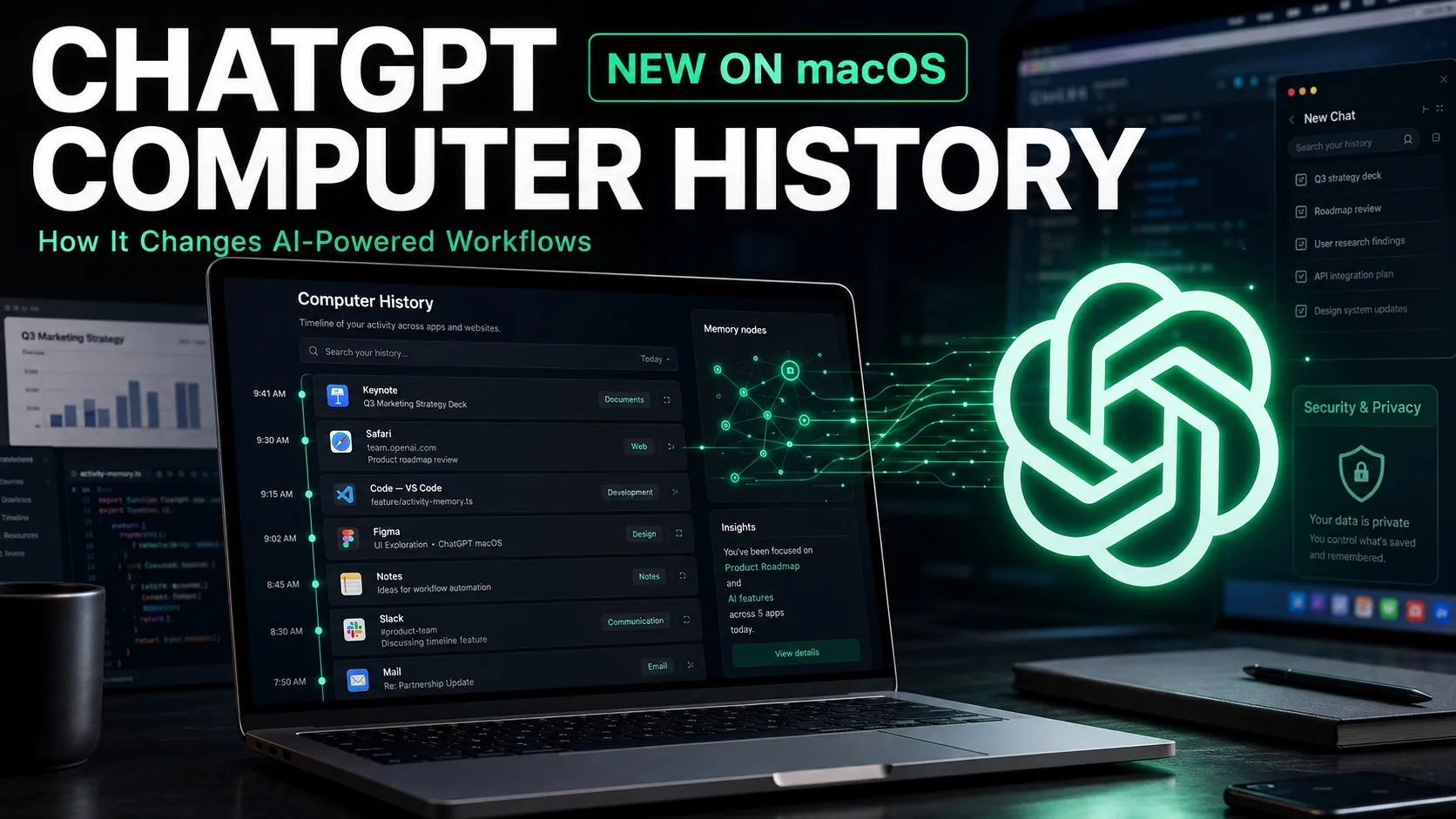
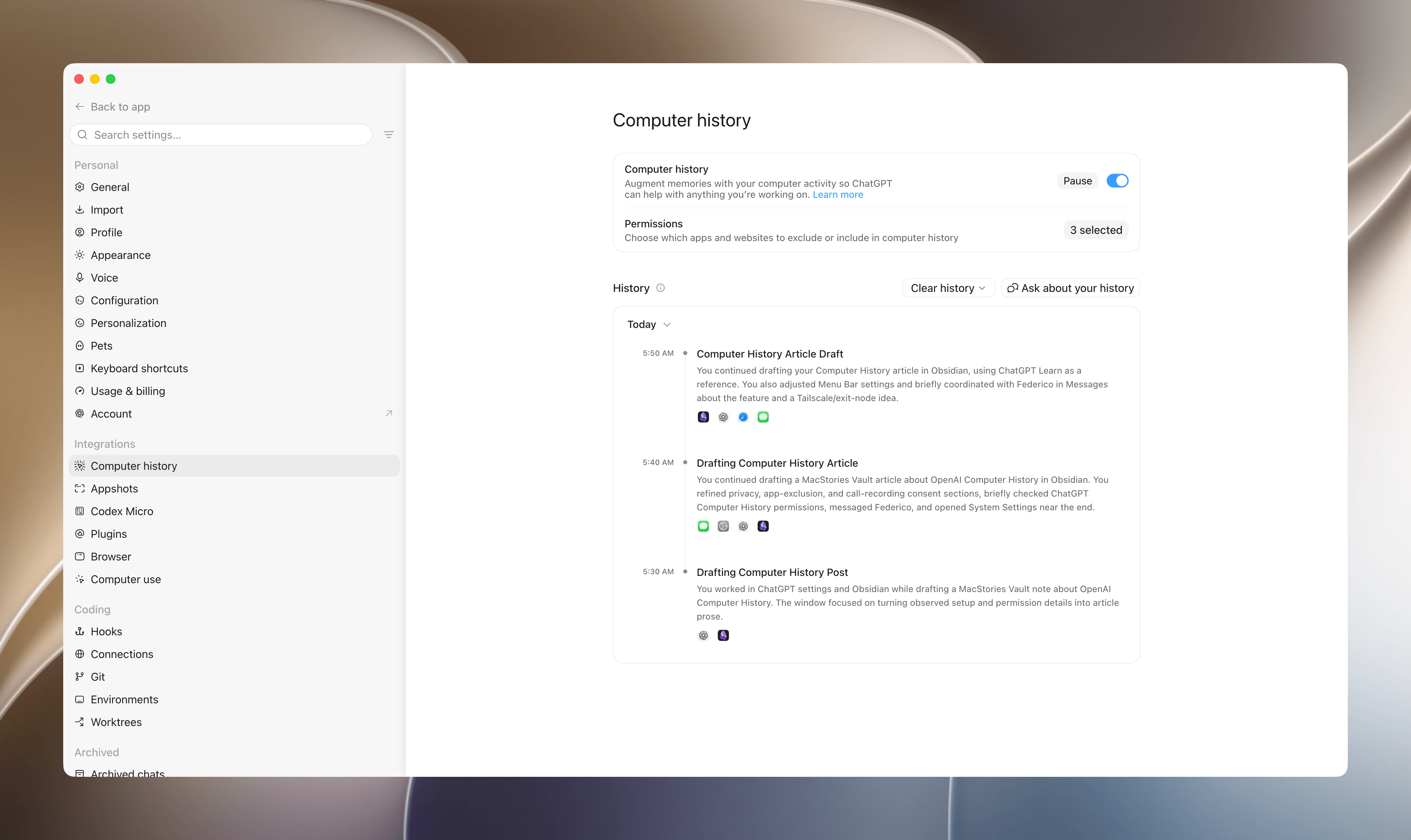
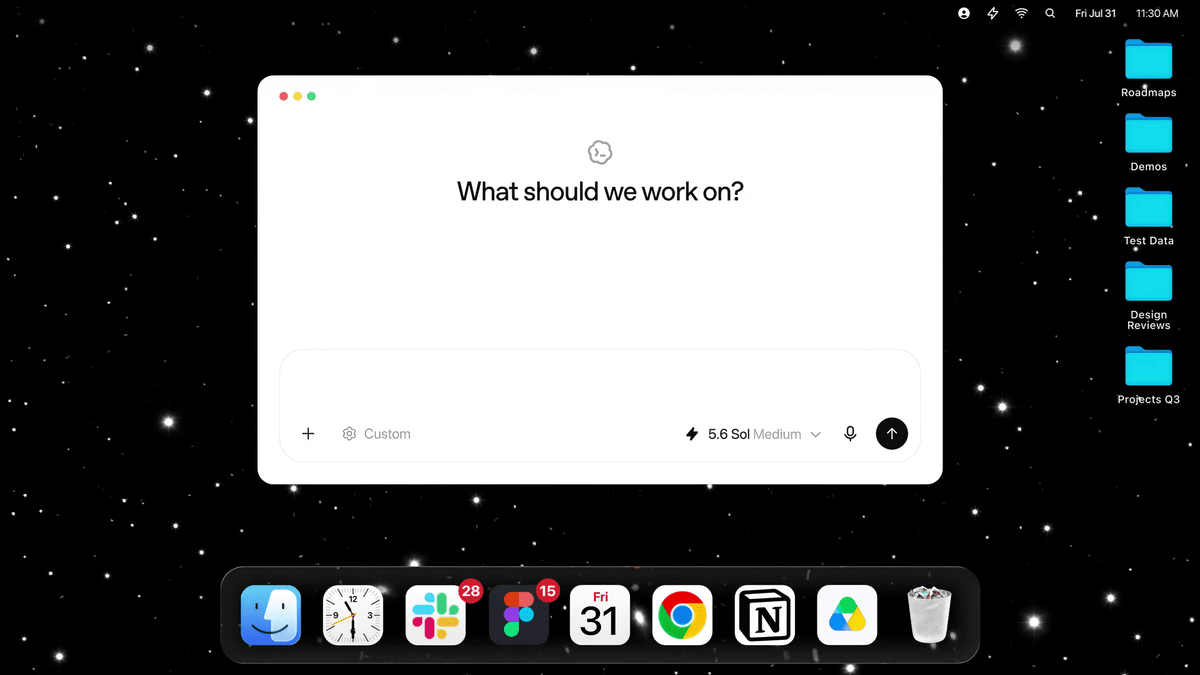
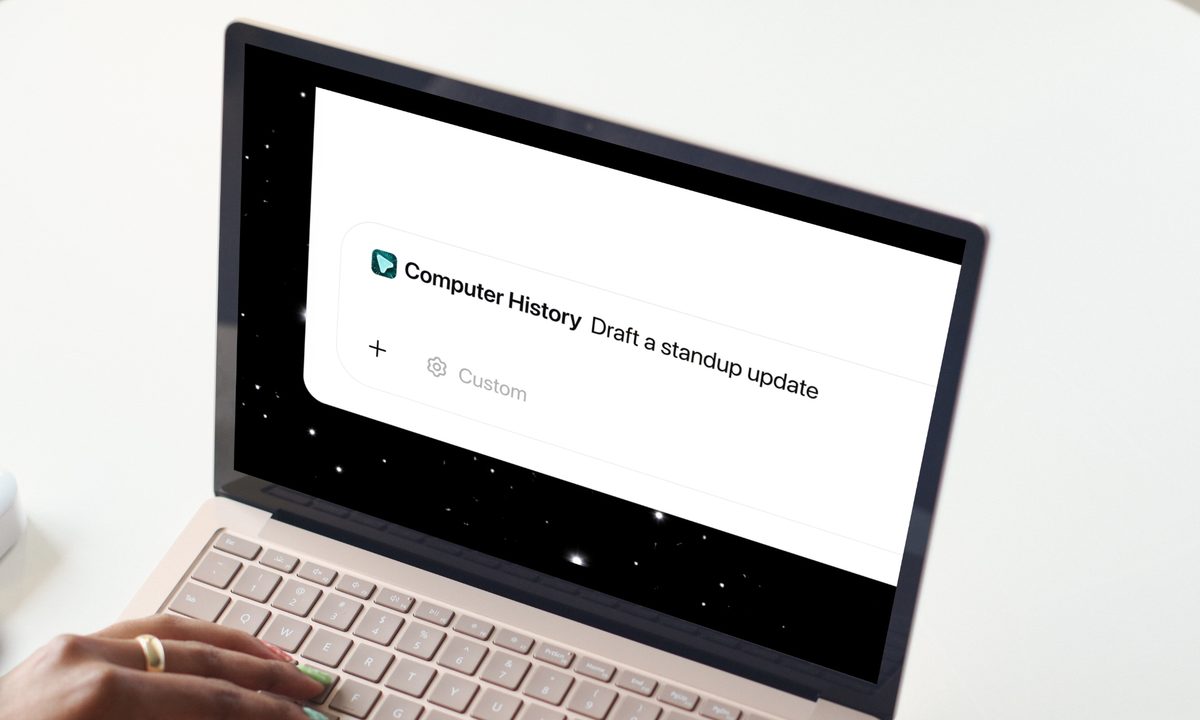
OpenAI's Computer History feature, launched in August 2026 for macOS, represents a significant shift in AI-powered productivity automation—but introduces critical data security and compliance challenges for e-commerce sellers. The feature tracks user clicks, keystrokes, keyboard shortcuts, and app switches to create searchable memory for ChatGPT, enabling the AI to suggest automations, complete unfinished tasks, and understand work patterns. However, this capability creates substantial risks for sellers managing sensitive business data.
The Core Risk for E-Commerce Sellers: Memory files are stored locally as unencrypted plain-text Markdown files, meaning any program running under the same macOS account could potentially access them. For sellers using ChatGPT to manage inventory systems, pricing strategies, customer communications, or supplier negotiations, this represents a critical vulnerability. The feature operates through macOS's accessibility framework and records all interactions unless explicitly excluded—creating exposure to prompt injection attacks and unauthorized data access.
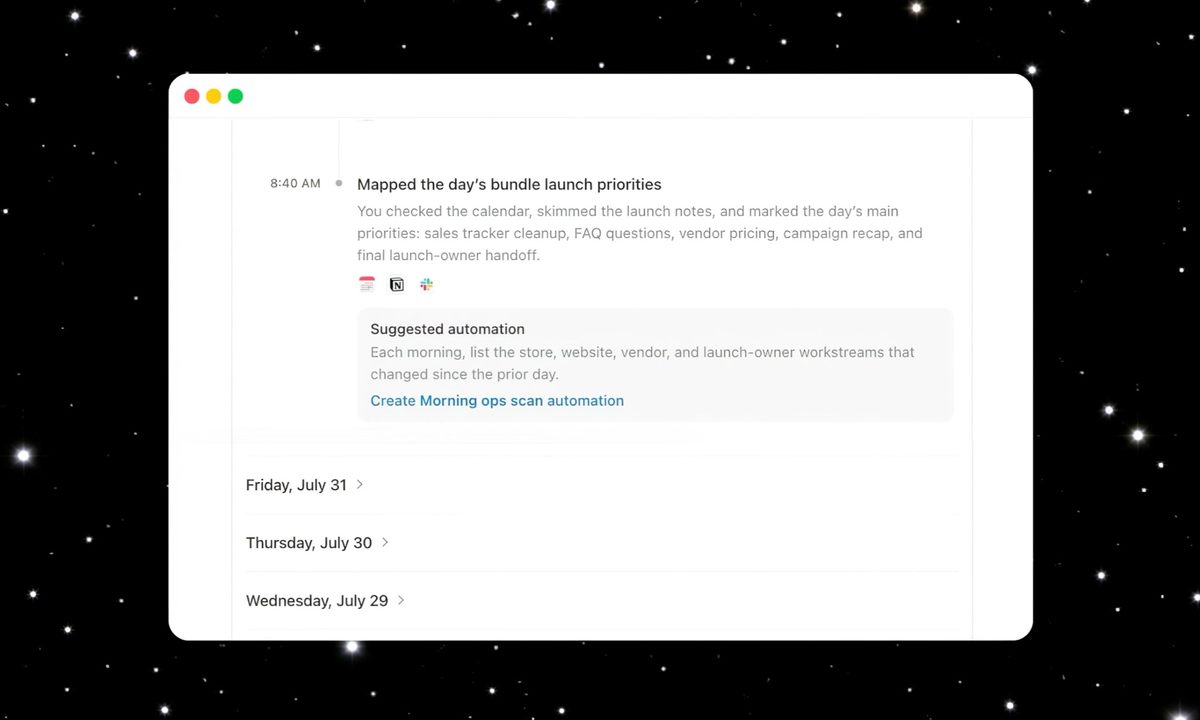
Automation Opportunities vs. Security Trade-offs: While Computer History enables powerful automation wins—ChatGPT can now retrieve recently edited documents, check Slack sharing status, and provide activity recaps—sellers must weigh these productivity gains against data exposure risks. The feature is opt-in with granular controls (users can exclude specific apps/websites and pause recording), but the default behavior captures sensitive business data. Temporary event files remain on devices for 48 hours before deletion, with OpenAI processing them on servers without retention unless legally required. However, chat contents containing surfaced memories may become training data depending on user settings, creating potential exposure of proprietary e-commerce strategies.
Regional Compliance Constraints: The feature is unavailable in the European Economic Area, Switzerland, and the United Kingdom—reflecting GDPR and regional data protection regulations. This creates operational friction for cross-border sellers managing teams across multiple regions. EU-based sellers cannot leverage Computer History for business operations, while US-based sellers can, creating competitive asymmetry in AI-powered productivity tools.
Immediate Data Governance Imperative: OpenAI explicitly advises against using Computer History with applications handling health, financial, or personal data, and recommends excluding communication apps unless all participants consent. For e-commerce sellers, this means excluding: payment processing tools, customer email/messaging platforms, supplier communication apps, and inventory management systems containing pricing data. The practical impact is that sellers lose automation benefits precisely where they're most valuable—in business-critical workflows.
AI Automation Wins Available NOW: Despite security constraints, sellers can capture immediate productivity gains by using Computer History for non-sensitive tasks: market research documentation, competitor analysis, content ideation, and general ChatGPT conversation context. This enables 15-25% faster task completion for research-heavy workflows while maintaining data security by excluding sensitive business applications.
Questions 8
How does Computer History differ from Microsoft's Windows Recall feature?
Computer History is narrower in scope than Windows Recall. Unlike Windows Recall, Computer History deliberately excludes screenshots, screen recordings, microphone input, and system audio—capturing only event-based data (clicks, keystrokes, app switches). However, Computer History stores data as unencrypted plain-text files locally, while Windows Recall uses encrypted storage. Computer History is opt-in with granular controls (users can exclude specific apps/websites), whereas Windows Recall faced criticism for its opt-out approach. For sellers, Computer History's narrower scope reduces some privacy risks but the unencrypted storage creates different vulnerabilities. Both features are unavailable in EU/UK regions due to data protection regulations.
What automation opportunities can sellers safely capture with Computer History?
Sellers can use Computer History for non-sensitive workflows to achieve 15-25% faster task completion: market research documentation (competitor analysis, trend tracking), content ideation (product descriptions, marketing copy), general ChatGPT conversation context for research-heavy tasks, and learning resource organization. The feature enables ChatGPT to retrieve recently edited documents and provide activity recaps, accelerating research workflows. However, sellers must exclude all business-critical applications: payment processors, customer email/messaging platforms, inventory management systems, supplier communication tools, and financial tracking applications. The key is compartmentalization—use Computer History for exploratory/research work while maintaining strict data governance for sensitive business operations.