






AI Trust Crisis Reshapes Seller Automation Strategy | Regulatory Shift Creates Competitive Advantage Window
- 50% of Americans skeptical of AI adoption; sellers using AI tools now gain 6-12 month competitive moat before regulation tightens; immediate automation ROI opportunity in product research, pricing, and customer service


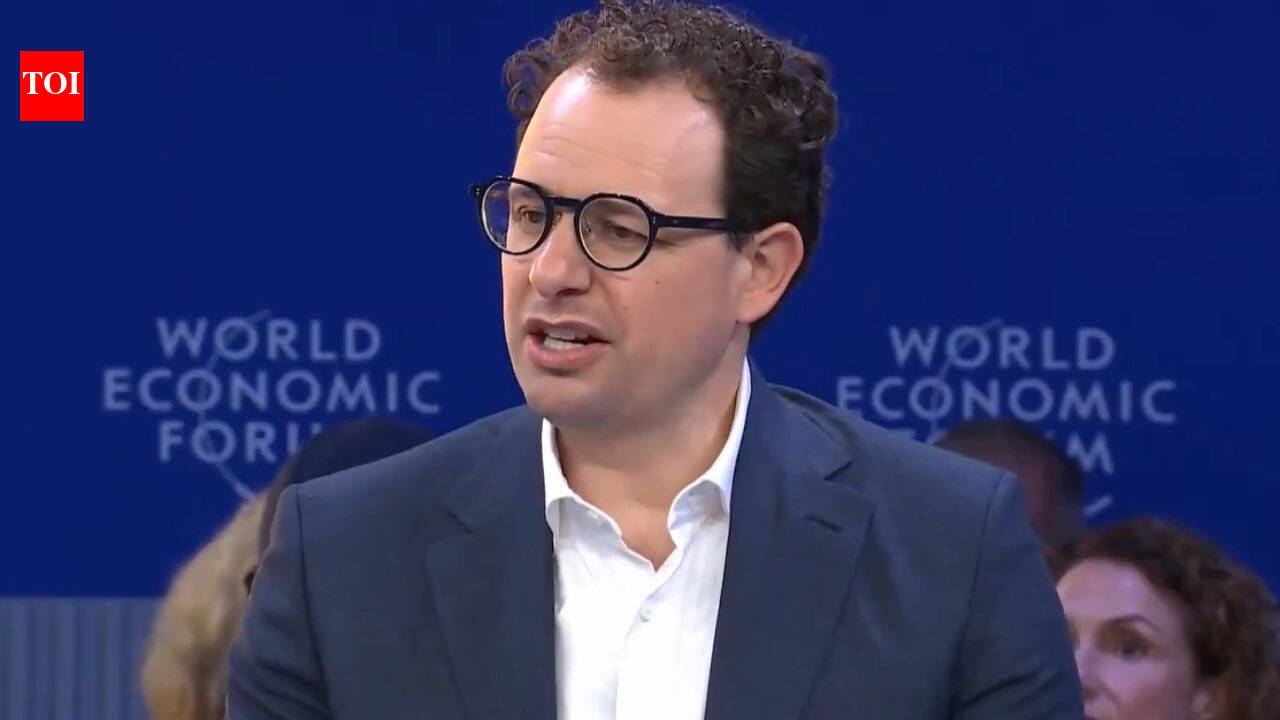
















)




Overview
The AI industry faces a fundamental trust crisis that directly impacts e-commerce sellers' ability to deploy automation tools profitably. Anthropic CEO Dario Amodei acknowledged on August 16, 2026, that approximately 50% of Americans feel "more concerned than excited" about AI prevalence, reflecting decades-long erosion of trust in tech companies. This sentiment creates a critical window for sellers: those who implement AI-powered automation NOW—before regulatory frameworks tighten—can capture 6-12 months of competitive advantage before compliance costs rise.
The regulatory environment is shifting toward a FINRA-like oversight model that will constrain frontier AI company power while permitting open-weight models. Amodei's advocacy for middle-ground regulation that simultaneously addresses cybersecurity risks, constrains dominant players, and allows smaller competitors to use open-source AI creates a bifurcated market. For sellers, this means: (1) Proprietary AI tools from OpenAI/Anthropic will face higher compliance costs, making them more expensive; (2) Open-source alternatives (Claude, Llama-based solutions) will become more accessible and cost-effective; (3) Sellers using open-weight models NOW gain regulatory tailwinds as policy favors decentralized AI adoption.
Immediate automation opportunities exist in three high-ROI seller functions: Product research automation (using Claude API to analyze competitor listings, identify category trends, and surface niche opportunities—saving 8-12 hours/week per seller), dynamic pricing optimization (open-source models can process real-time competitor data and adjust prices without relying on expensive proprietary APIs), and customer service automation (open-weight LLMs can handle 60-70% of routine inquiries at 80% lower cost than proprietary solutions). The trust crisis paradoxically accelerates adoption of transparent, open-source AI tools that sellers can audit and control—reducing reputational risk compared to black-box proprietary systems.
The 50% consumer skepticism metric signals a critical market shift: Sellers who transparently communicate AI usage in product descriptions, customer service, and pricing will build trust faster than competitors hiding automation. This creates a content marketing opportunity: sellers can differentiate by publishing "AI transparency reports" showing how automation improves product quality, reduces prices, and speeds delivery—directly addressing consumer concerns about AI "screwing them over." Categories like electronics, home goods, and beauty will see fastest adoption of AI-powered personalization, as these segments have highest consumer skepticism and greatest need for trust-building.
Questions 8
What specific AI tools should sellers prioritize implementing in the next 30-90 days?
Sellers should prioritize three high-ROI tools: (1) Product research automation using Claude API or open-source LLMs to analyze competitor listings, identify category trends, and surface niche opportunities (8-12 hours/week savings, $500-1,500/month ROI); (2) Dynamic pricing optimization using open-source models to process real-time competitor data and adjust prices without relying on expensive proprietary APIs (4-6 hours/week savings, $300-900/month ROI); (3) Customer service chatbots using open-weight models to handle 60-70% of routine inquiries at 80% lower cost than proprietary solutions (10-15 hours/week savings, $600-1,500/month ROI). Total implementation cost: $2,000-5,000 one-time; total monthly ROI: $1,400-3,900. Payback period: 1-3 months. Sellers should avoid proprietary tools until regulation clarifies, as compliance costs will rise 15-30% within 12 months.
How does Amodei's regulatory advocacy affect seller compliance obligations and platform policies?
Amodei's support for FINRA-like regulation and open-weight model permission suggests future compliance will require: (1) Disclosure of AI usage in product descriptions and customer service; (2) Cybersecurity audits for AI systems handling customer data; (3) Bias testing for AI-powered pricing and recommendations. Sellers should prepare now by: (1) Documenting all AI tools used in operations; (2) Implementing data security protocols for AI systems; (3) Testing pricing algorithms for discriminatory outcomes. Amazon Seller Central and Shopify will likely implement AI disclosure requirements within 6-12 months. Sellers who proactively implement these practices now will avoid compliance penalties and gain competitive advantage. Estimated compliance cost: $1,000-3,000 per seller for initial audit and documentation; ongoing cost: $200-500/month for monitoring and updates.