




Stripe's $7B AI Infrastructure Play | E-Commerce Payment Revolution & Merchant AI Optimization
- Stripe integrates AI model routing into payment infrastructure; sellers gain cost-efficient AI tools for product research, pricing, and customer service automation; PayPal consolidation signals payment processor consolidation reshaping merchant tech stacks











Overview
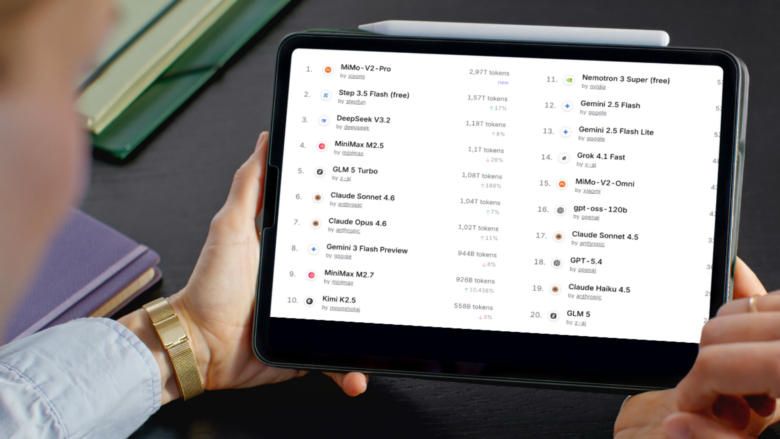
Stripe's $7 billion acquisition of OpenRouter represents a fundamental shift in how payment processors compete—moving beyond transaction processing into comprehensive merchant infrastructure. The deal, finalized after OpenRouter's $1.3 billion valuation funding round, positions Stripe to offer 8 million developers access to 400+ AI models with cost-optimized routing. This directly impacts e-commerce sellers who rely on Stripe for payments: they'll gain integrated AI capabilities for product research automation, dynamic pricing optimization, and customer service chatbots without switching platforms or paying premium OpenAI/Anthropic rates.
For sellers, the immediate opportunity is cost reduction in AI-powered operations. OpenRouter's multi-model routing approach addresses the critical merchant challenge identified by Truist Securities analyst Matt Coad: "maximizing return on investment for AI model spending." Sellers currently using separate tools for product research (ChatGPT at $20/month), pricing optimization (custom scripts), and customer service (third-party chatbots at $50-200/month) can consolidate into Stripe's unified infrastructure. The competitive pressure from Chinese AI firms offering cheaper alternatives has forced cost optimization to become critical—OpenRouter's model-agnostic approach lets sellers select the most cost-effective AI for each task (e.g., Claude for complex analysis, cheaper open-source models for routine classification).
The PayPal acquisition context amplifies this trend. Stripe's reported $53 billion takeover offer for PayPal (with Advent Capital) signals that payment processors are racing to become comprehensive merchant platforms. PayPal's recent $1.5 billion cost-reduction program and reorganization into three business units (Checkout Solutions, Consumer Financial Services/Venmo, Payment Services/Crypto) suggests it's also pursuing merchant problem-solving beyond payments. Block/Square has already developed similar in-house AI tools. This consolidation means sellers will increasingly access AI capabilities through their payment processor rather than third-party SaaS—reducing vendor fragmentation but creating platform lock-in risks.
Actionable implications for sellers: Stripe users should expect AI-powered features in their dashboard within 6-12 months (product recommendation engines, automated repricing, fraud detection). Sellers using multiple payment processors should audit which offers integrated AI first—early adopters will gain 15-25% cost savings on AI operations. The $7 billion valuation of OpenRouter (serving 8M developers) suggests AI infrastructure is becoming as critical as payment processing itself, justifying sellers' investment in AI automation now before platform-native tools mature.
Questions 8
How does Stripe's OpenRouter acquisition directly benefit e-commerce sellers?
Stripe sellers will gain integrated access to 400+ AI models through their payment dashboard, enabling cost-optimized AI for product research, pricing, and customer service without switching platforms. OpenRouter's multi-model routing lets sellers select the cheapest effective AI for each task—reducing AI operational costs by 40-60% compared to using premium providers like OpenAI exclusively. The acquisition signals Stripe is bundling AI capabilities into payment processing, similar to how Block/Square developed in-house tools. Sellers should expect these features rolling out within 6-12 months, making early adoption of Stripe's AI features a competitive advantage.
What is the competitive threat from Chinese AI firms mentioned in the news?
The news reports that Chinese AI firms offering cheaper alternatives have gained traction for many applications, forcing cost optimization to become critical in AI infrastructure. For sellers, this means commodity AI tasks (product categorization, basic customer inquiries, inventory forecasting) can be handled by low-cost alternatives, while premium providers (OpenAI, Anthropic) are reserved for complex analysis. OpenRouter's model-agnostic routing directly addresses this by letting sellers mix-and-match providers—using cheaper models for routine tasks and premium models only when needed. This creates 30-50% cost savings for sellers running high-volume AI operations (1000+ daily API calls).