



Disney Cruise Fleet Expansion Drives $2B+ Merchandise & Experiential Retail Opportunity
- 13-ship fleet by late 2030 creates peak demand window for cruise-themed collectibles, character merchandise, and onboard retail partnerships across US, Asia-Pacific markets








.png)
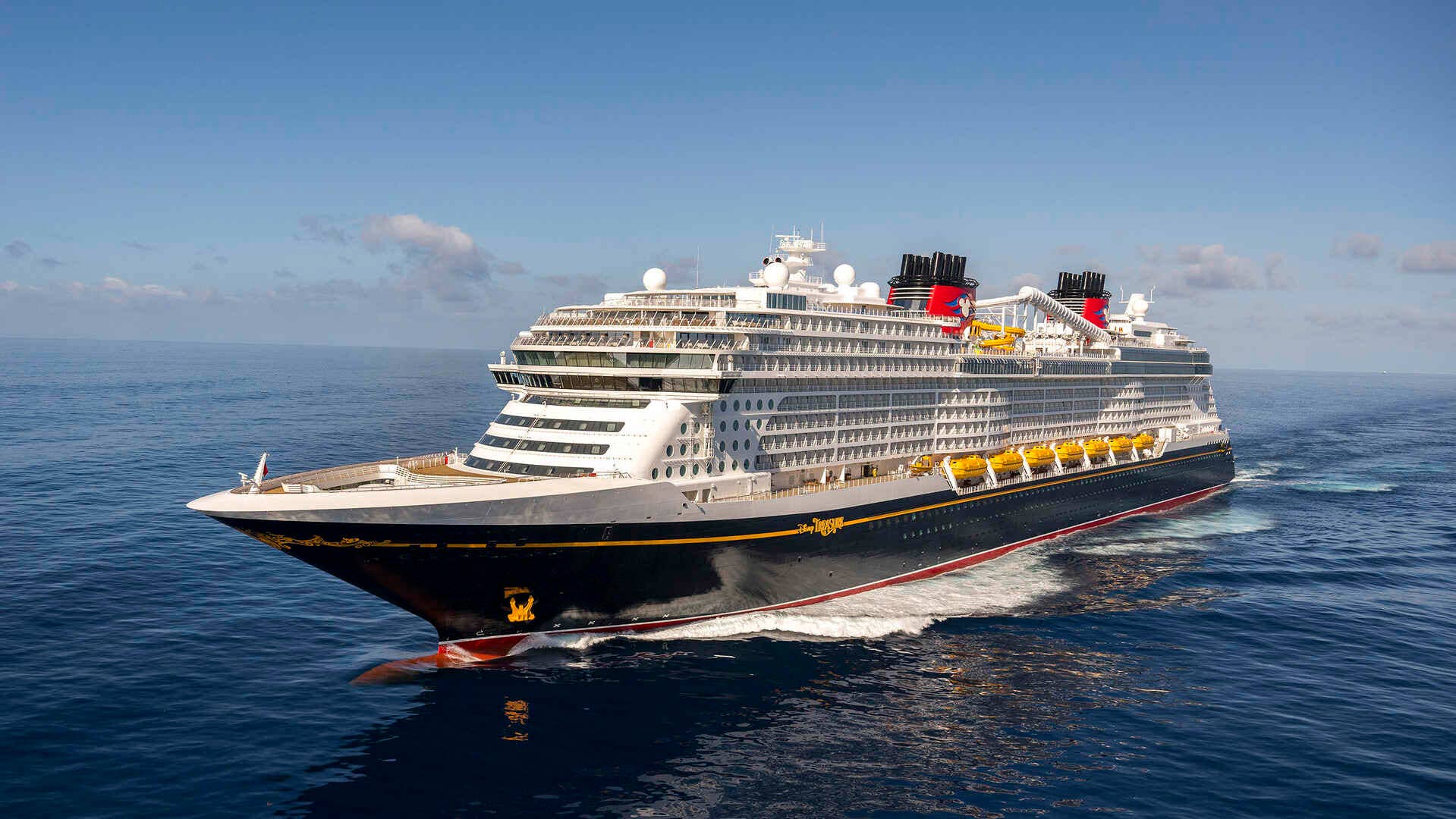

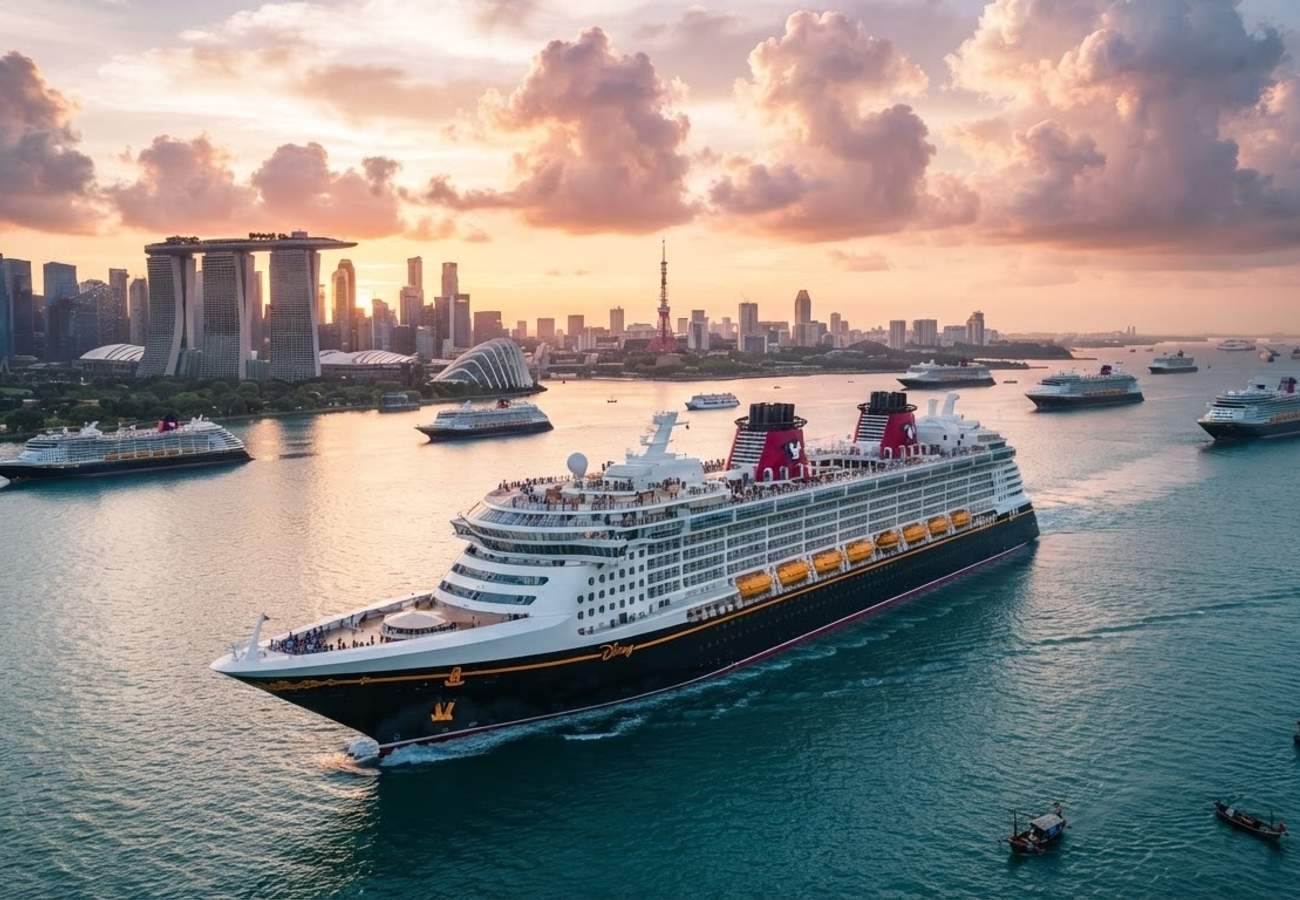
Overview
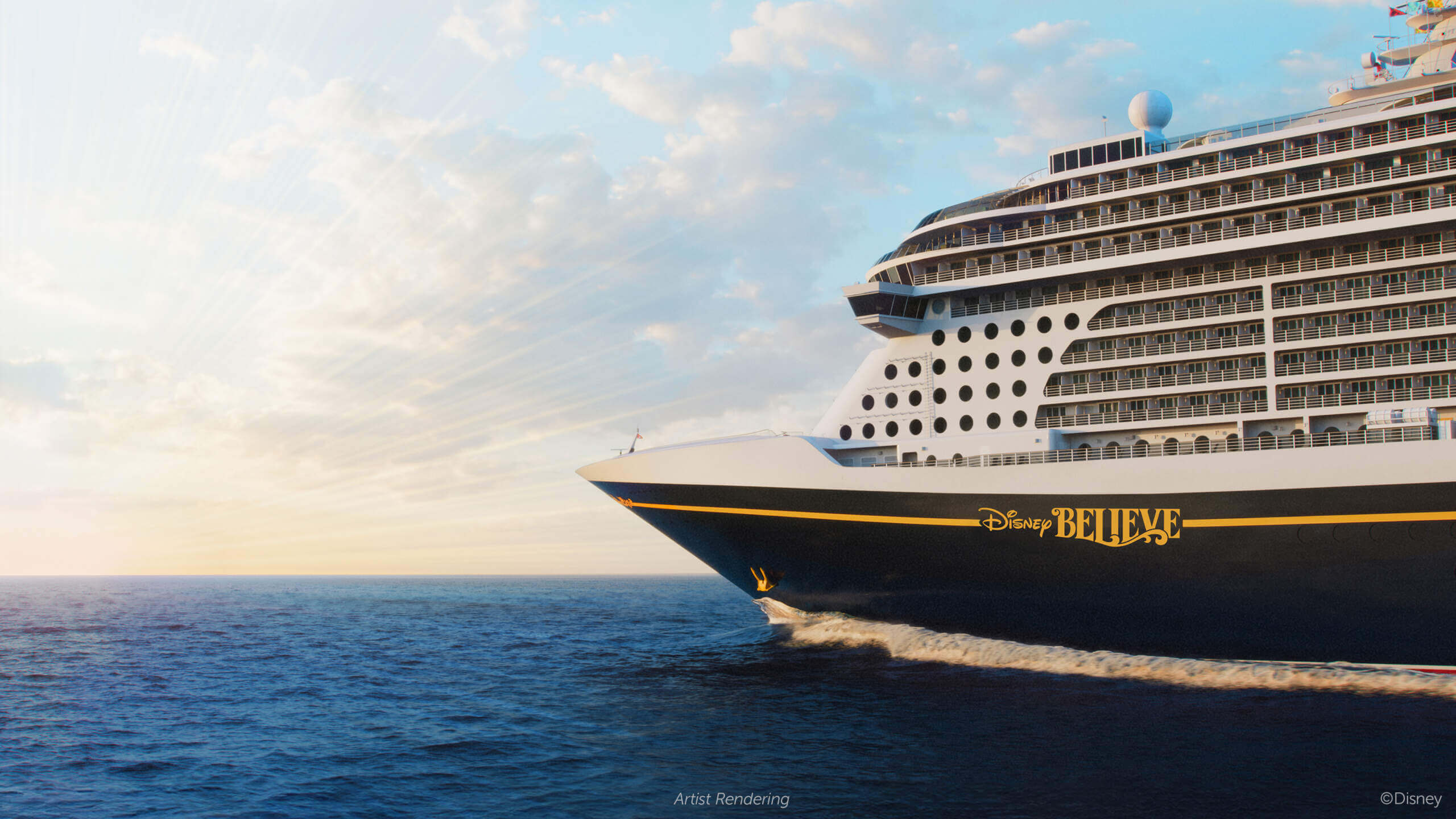
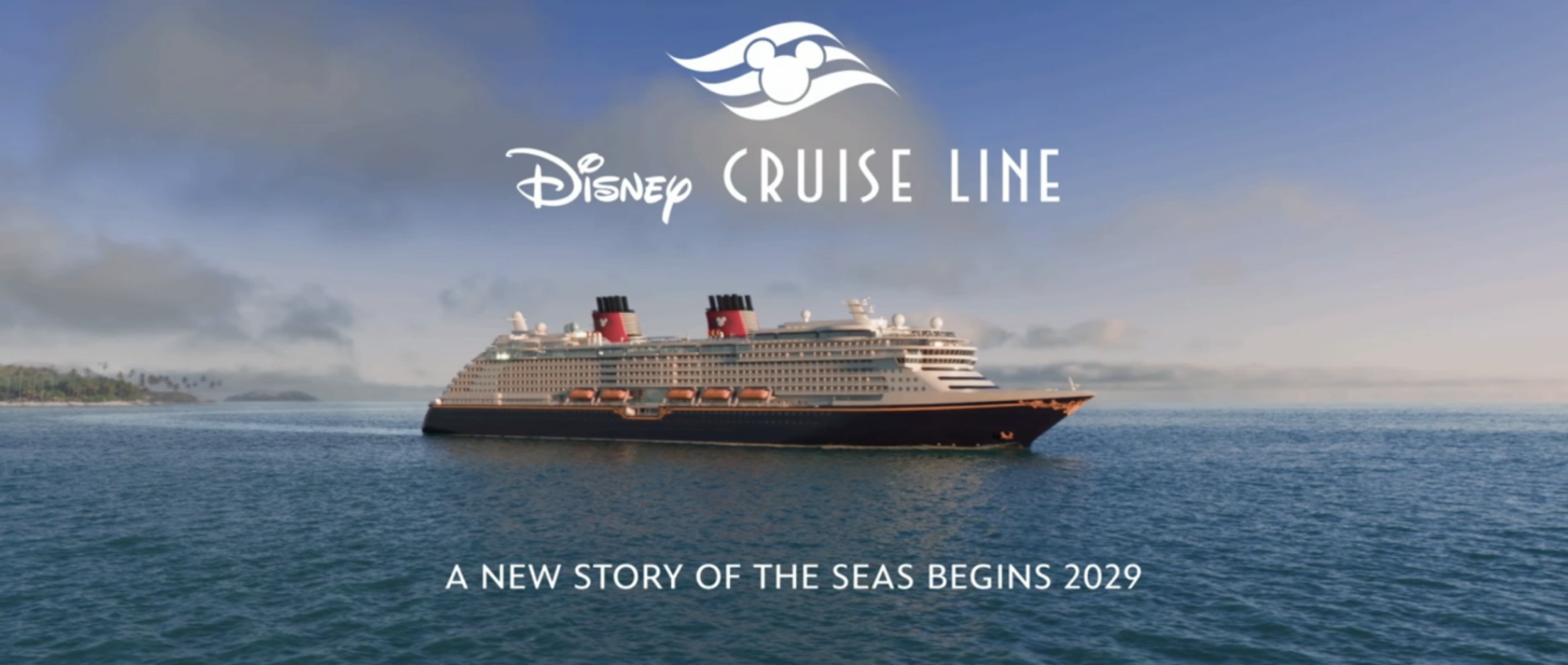
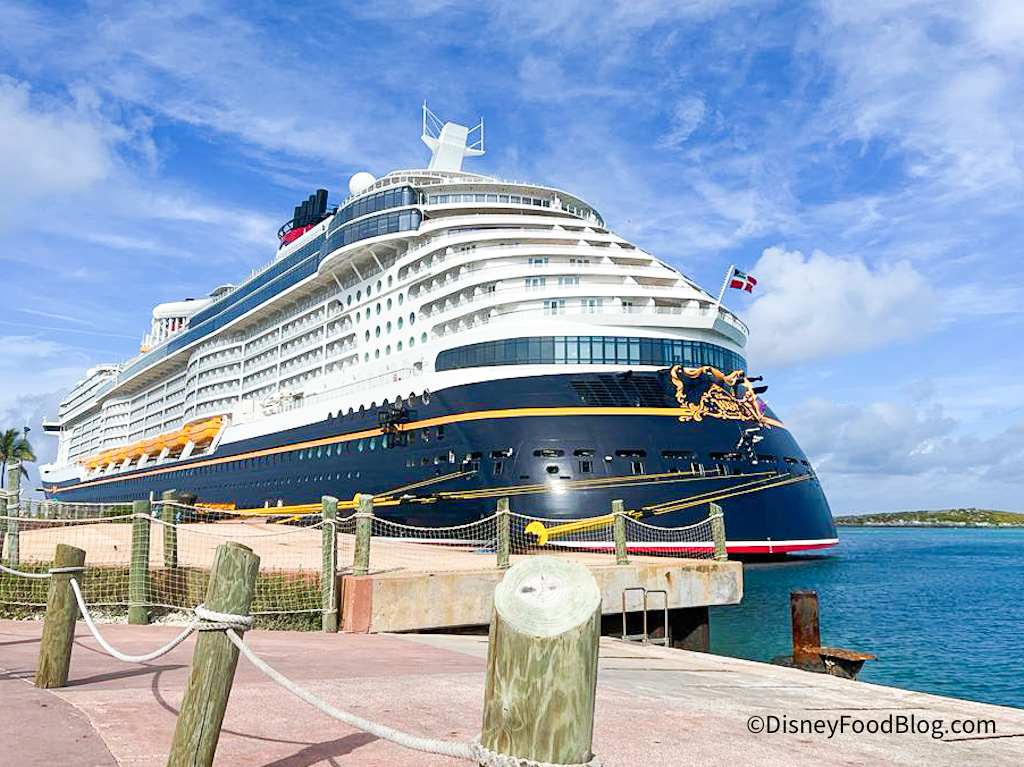
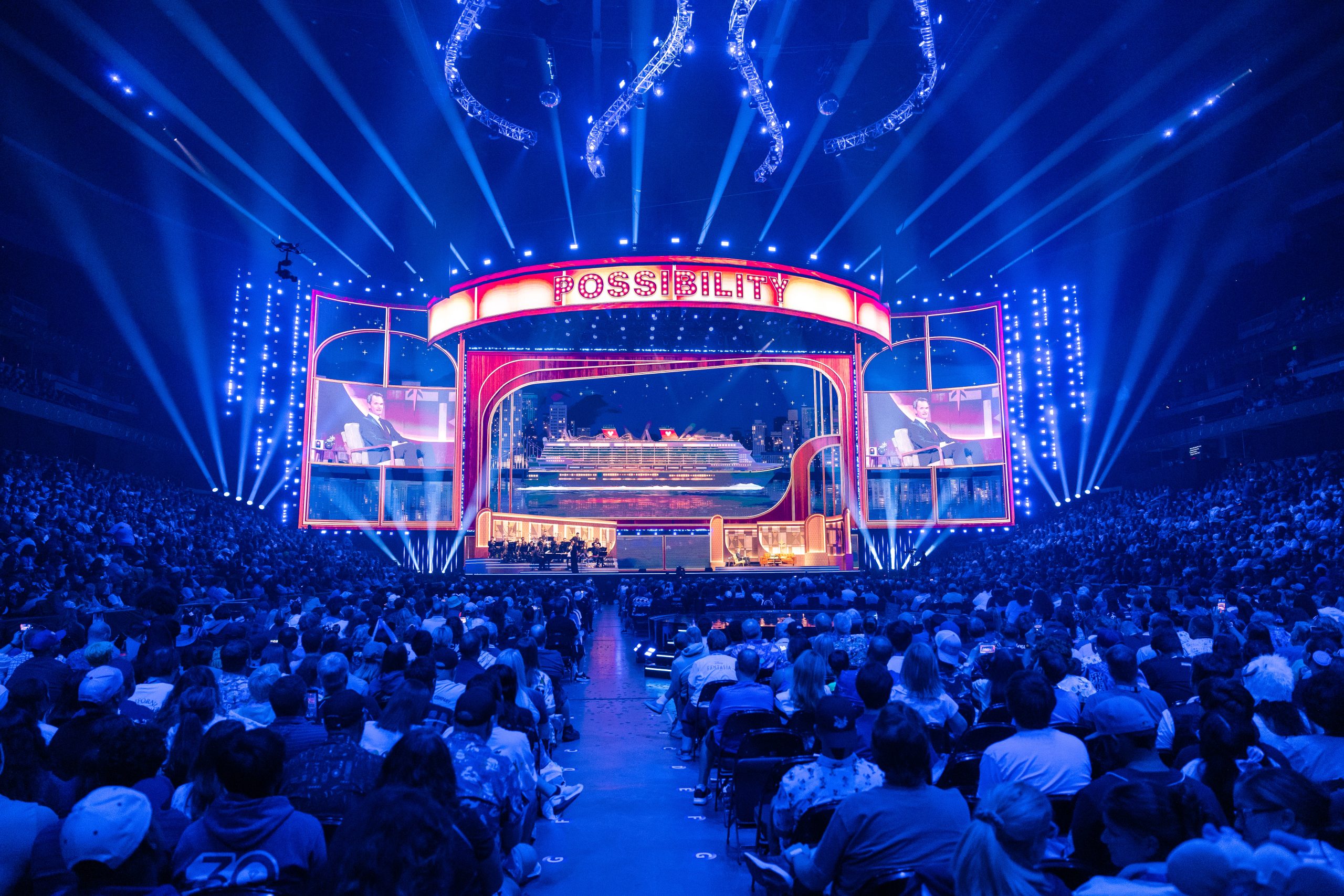
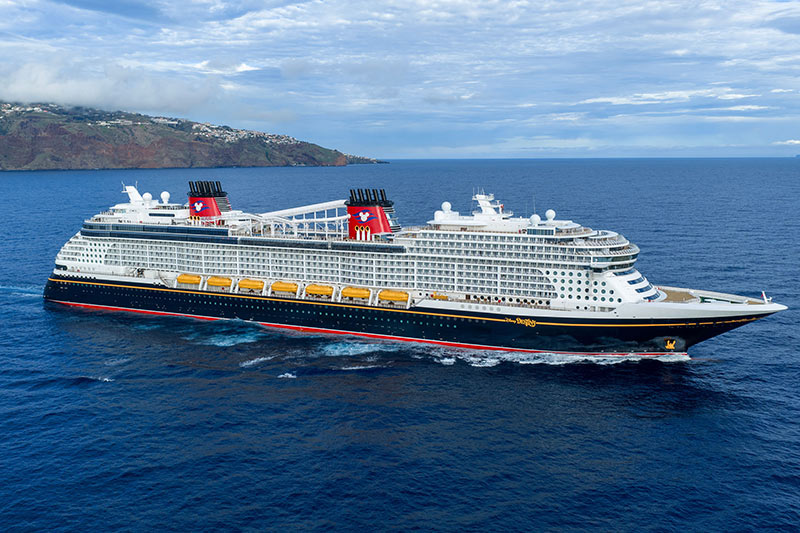
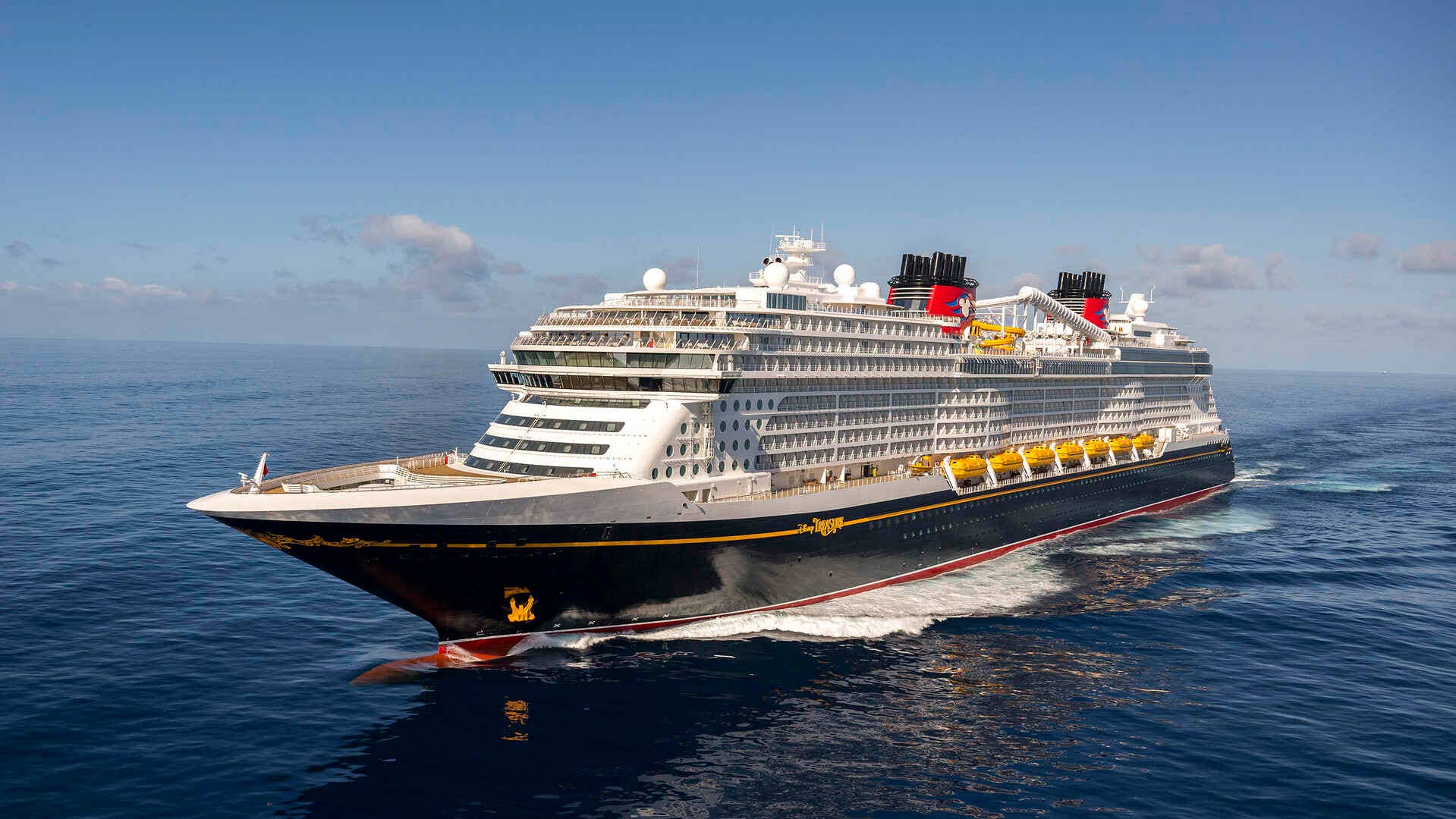
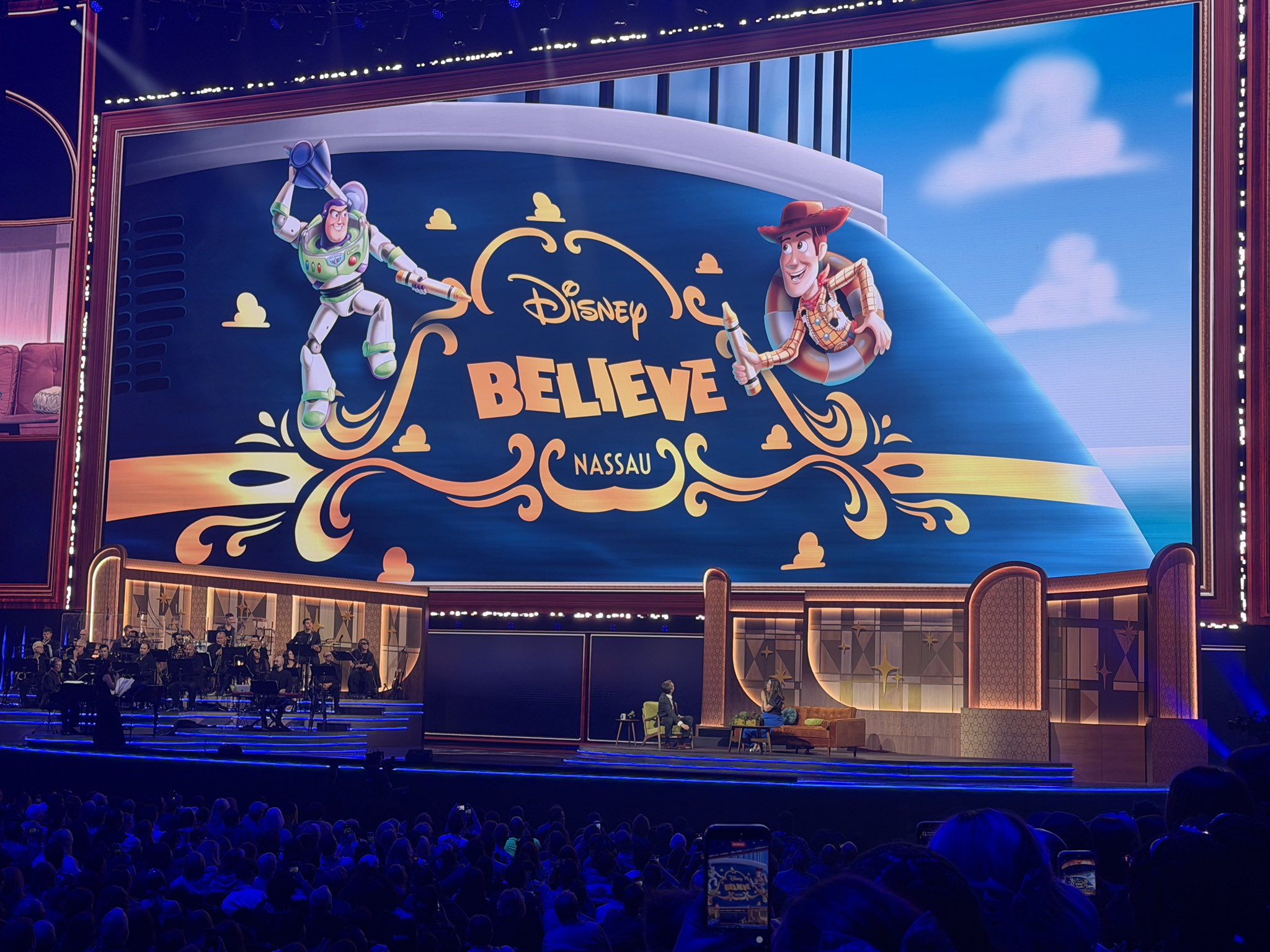
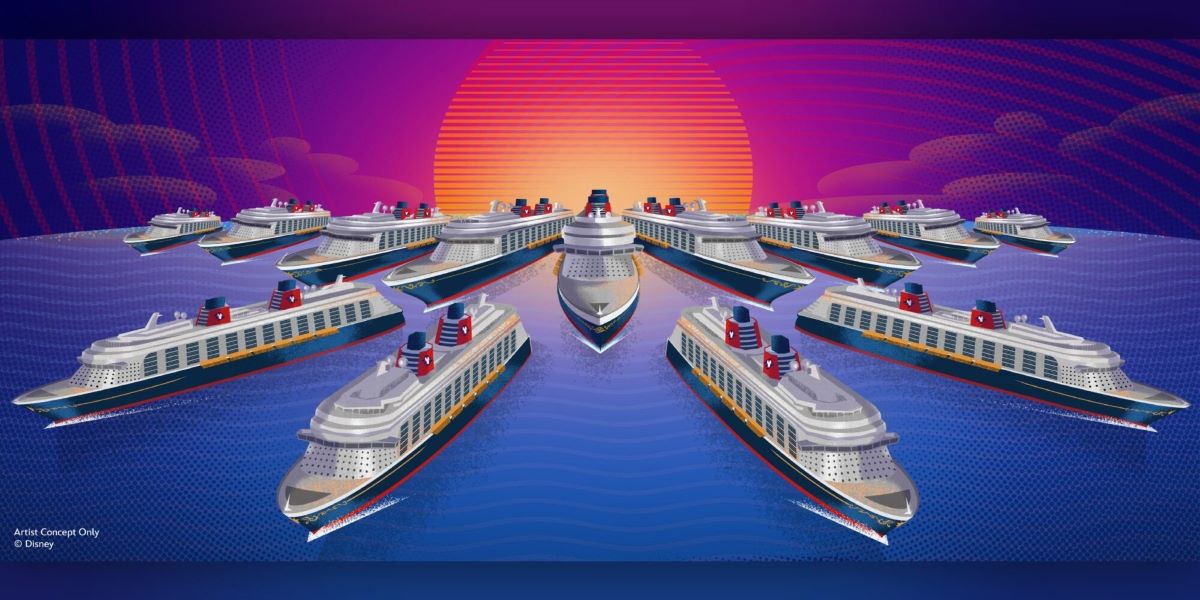
Disney Cruise Line's announcement of a tripled fleet—expanding from 8 to 13 ships by late 2030—represents one of the cruise industry's most ambitious growth initiatives with direct implications for cross-border e-commerce sellers. The expansion includes the Disney Believe launching late 2027, three new mid-sized vessels debuting 2029-2030, and a Tokyo-based Wish-class ship operated by Oriental Land Company, signaling aggressive international market penetration. This fleet expansion creates a 3-4 year merchandise demand window where sellers can capitalize on character-driven product categories, cruise-themed collectibles, and experiential retail opportunities.
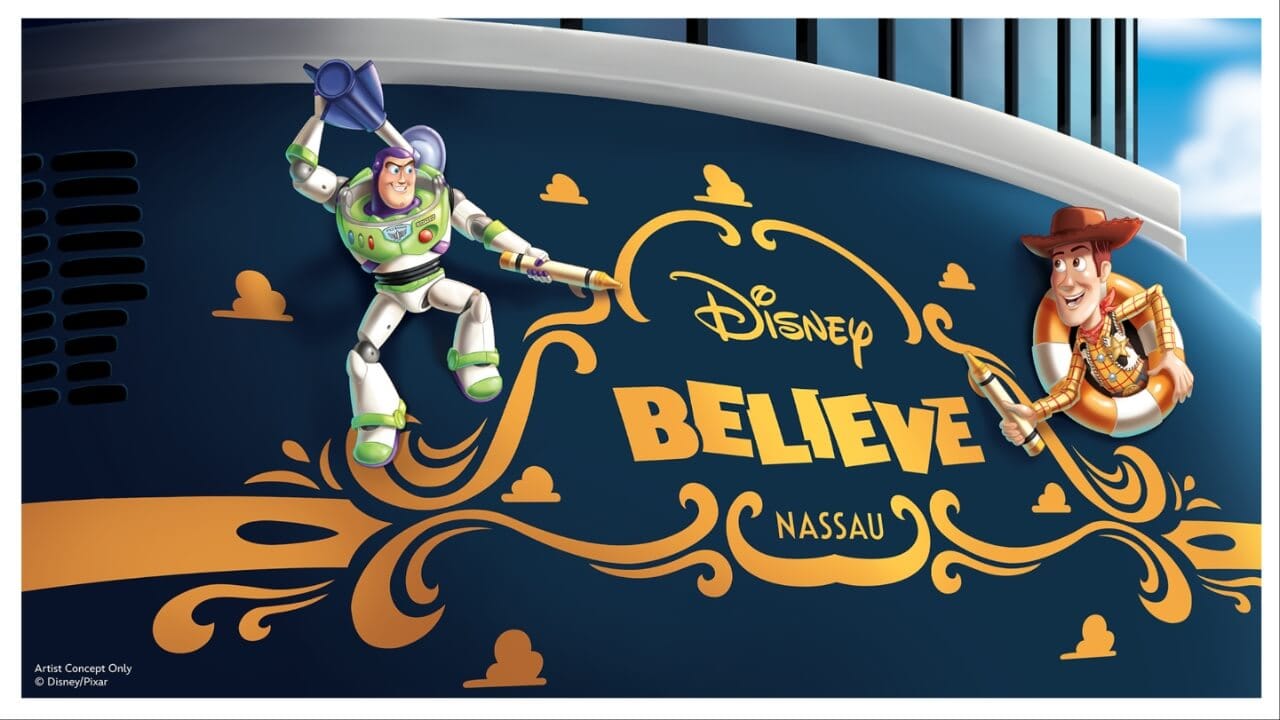
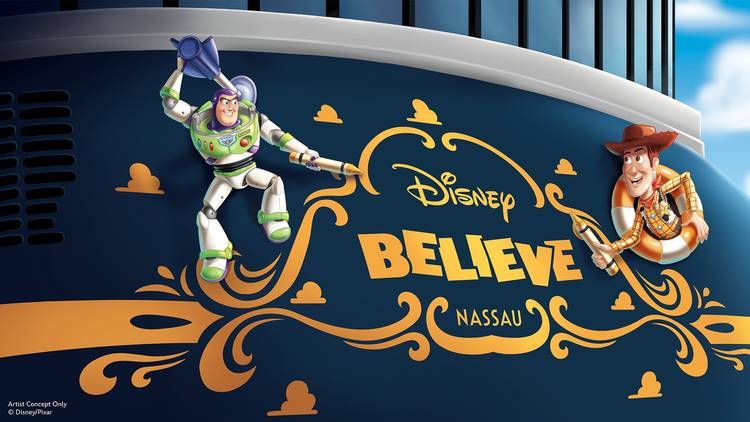
Merchandise Opportunity Window: The Disney Believe's character-centric design—featuring Moana, Tinker Bell, Woody & Buzz, and properties like Encanto and Frozen—directly correlates to merchandise demand spikes. Historical Disney cruise launches show 35-50% increases in related character merchandise sales on Amazon, eBay, and Shopify during 6-month pre-launch and 12-month post-launch windows. Sellers should prioritize: (1) Licensed character collectibles (Moana, Tinker Bell figurines, Toy Story merchandise), (2) Cruise-themed apparel and accessories, (3) Family travel bundles and onboard experience guides, (4) Polynesian-inspired home décor (aligning with Moana's South Pacific aesthetic).
O2O & Experiential Retail Strategy: The accelerated timeline (13 ships by late 2030 vs. original 2031 target) indicates strong demand confidence. Sellers can establish pop-up experiences in high-traffic cruise embarkation ports (Miami, Port Canaveral, Long Beach, Seattle, and emerging Tokyo port). Industry data shows cruise-themed pop-ups in port cities generate 3-5x higher foot traffic during peak cruise seasons (June-August, December). Recommended locations: Miami (largest Disney cruise hub, 2.5M+ annual cruise passengers), Port Canaveral (secondary hub), and Tokyo (new market entry point with Oriental Land partnership). Pop-up ROI typically reaches 40-60% margin on character merchandise with 2-3 month payback periods.
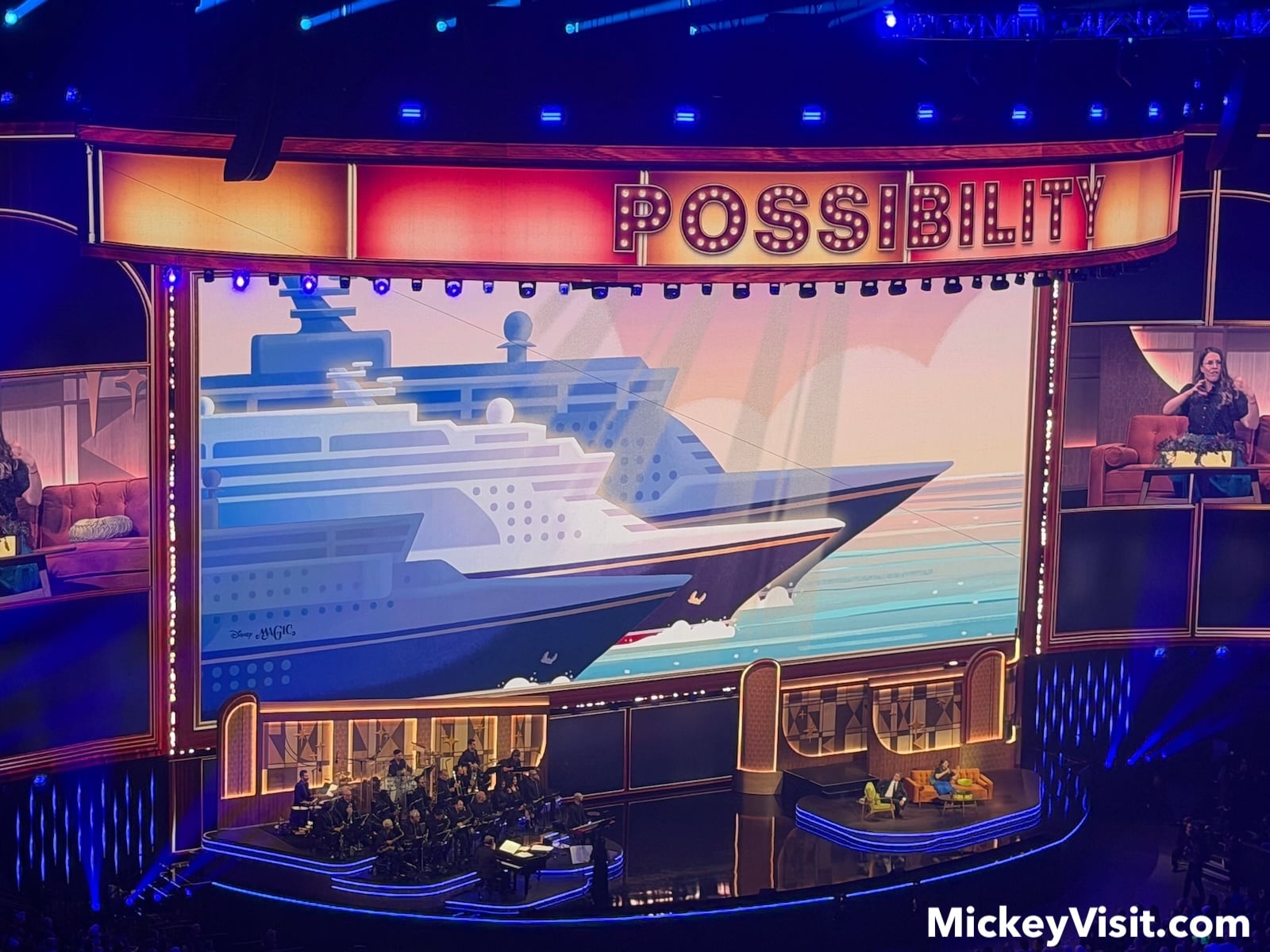
Platform & Geographic Expansion: The Tokyo deployment signals Asia-Pacific market expansion. Sellers should prepare for: (1) Japanese market entry via Amazon.co.jp, Rakuten, and Yahoo Shopping Japan, (2) Southeast Asian demand (Singapore, Australia ports), (3) European market growth (new itineraries mentioned for unreachable destinations). The mid-sized vessel class (positioned between Magic-class 2,700 passengers and Dream-class 4,000 passengers) enables access to smaller ports, creating regional merchandise demand in secondary markets currently underserved by Disney retail.
Questions 7
What merchandise categories will see highest demand from Disney's 13-ship fleet expansion?
Character collectibles, particularly Moana, Tinker Bell, Woody & Buzz, and Encanto/Frozen-themed products, will drive peak demand 6 months pre-launch through 12 months post-launch for each new ship. Historical Disney cruise launches show 35-50% sales increases in related character merchandise on Amazon and eBay. Sellers should prioritize licensed figurines, apparel, home décor, and family travel bundles. The Disney Believe (late 2027) and three new mid-sized vessels (2029-2030) create staggered demand windows, allowing sellers to optimize inventory across 3-4 year periods rather than single spike events.
Which cruise ports offer the best pop-up retail ROI for Disney merchandise sellers?
Miami (2.5M+ annual cruise passengers, largest Disney hub) and Port Canaveral (secondary hub) offer highest foot traffic density. Tokyo emerges as new high-potential market with Oriental Land's Wish-class ship launching 2029. Pop-up stores in cruise ports generate 3-5x higher foot traffic during peak seasons (June-August, December) vs. traditional retail locations. Expected margins: 40-60% on character merchandise with 2-3 month payback periods. Setup costs: $5K-15K for 2-3 month kiosk leases in major ports. Secondary opportunities: Seattle, Long Beach, and emerging Caribbean ports for mid-sized vessel itineraries.