

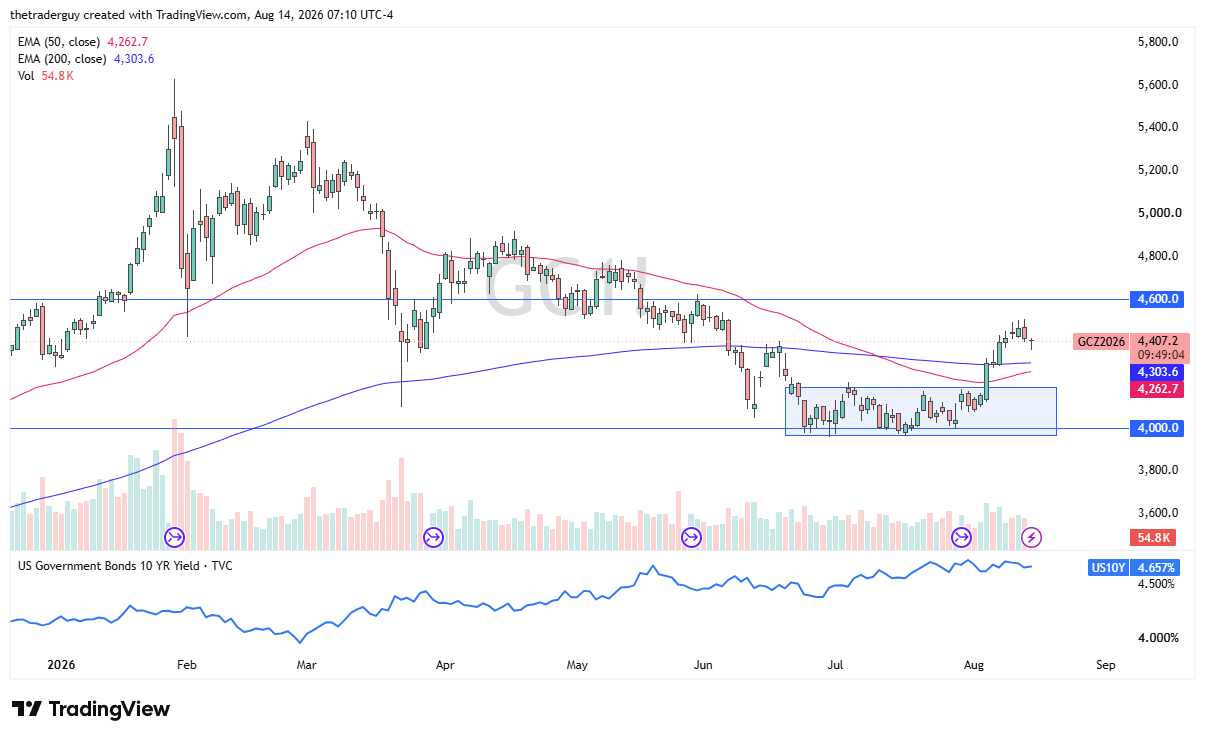


USD Weakness & Gold Rally Signal FX Opportunity for Cross-Border Sellers
- Weaker dollar (0.2% DXY decline) creates immediate payment arbitrage for sellers; 2.4% weekly gold surge reflects 0.6% US retail sales drop and reduced rate-hike risks









































Overview
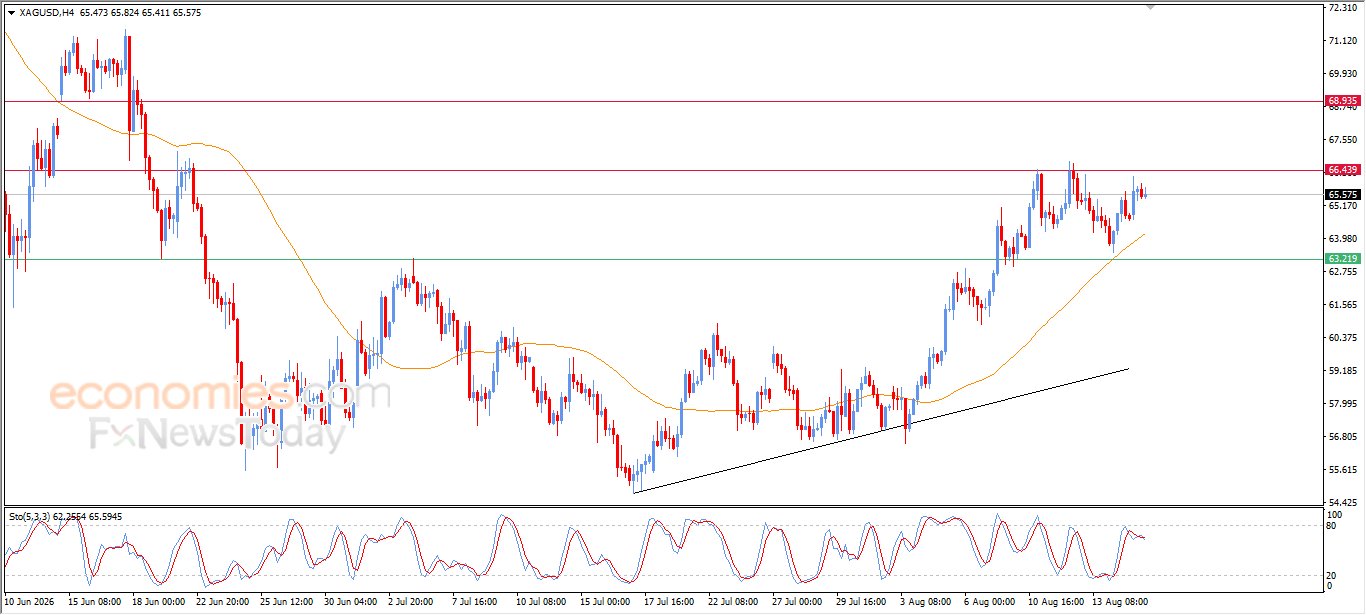
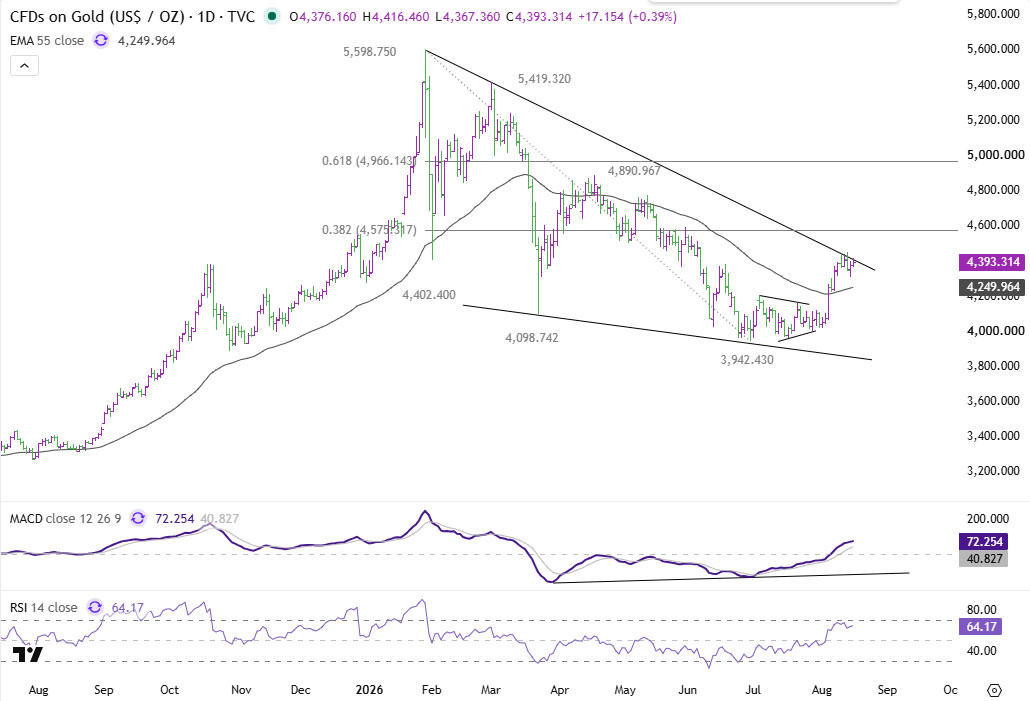
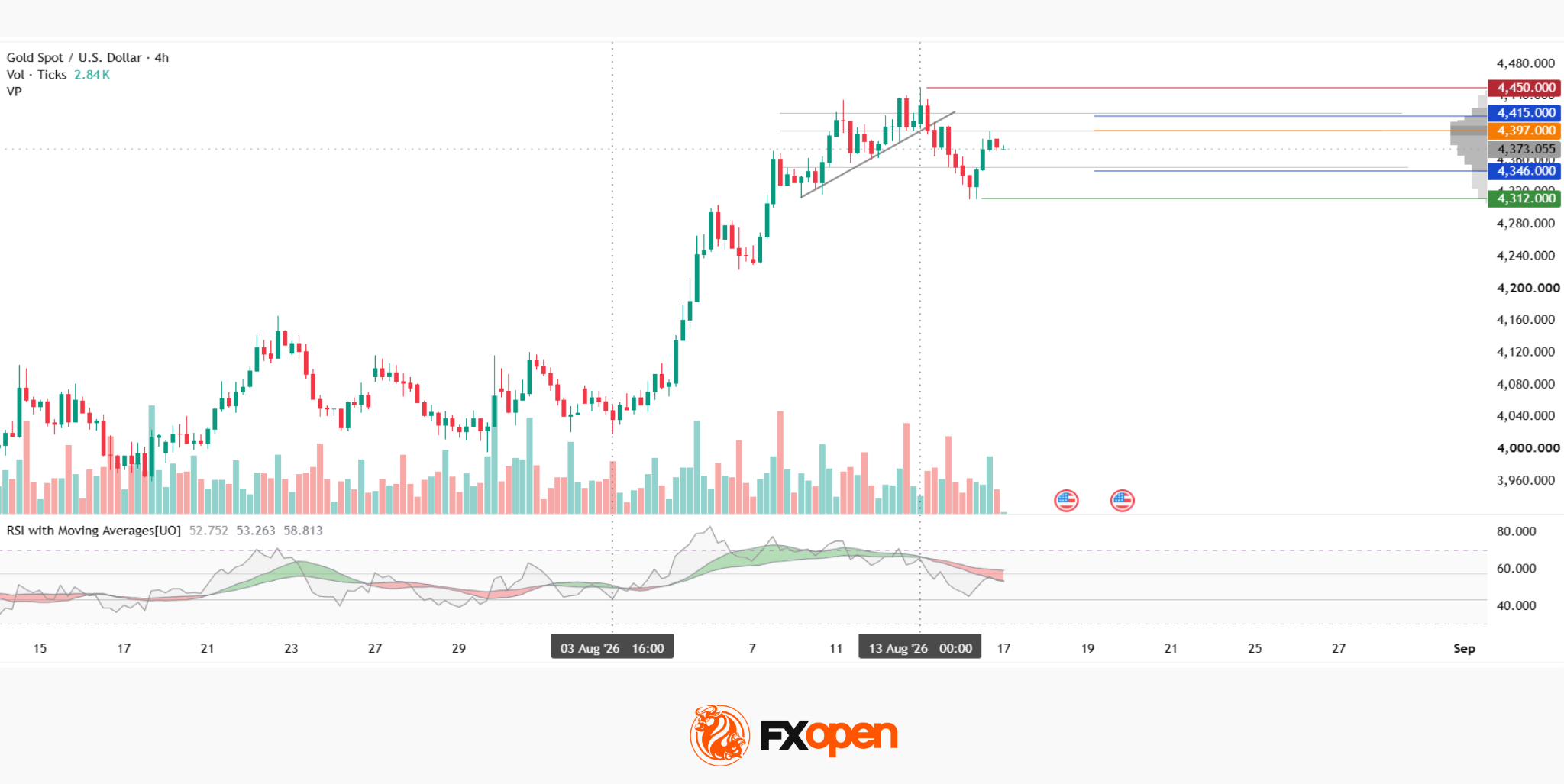
The macroeconomic backdrop is shifting decisively in favor of cross-border sellers operating in USD-denominated markets. As reported August 16-17, 2026, gold surged to $4,440/oz (2.4% weekly gain, 32.7% YoY) while the US Dollar Index weakened 0.2% despite a 1.2% year-to-date gain. This divergence stems from weaker-than-expected US retail sales (down 0.6% in July vs. +0.1% expected) and declining consumer sentiment (8-point August drop), which have eased Federal Reserve rate-hike expectations. For fintech-focused sellers, this creates a three-layer financial optimization opportunity: (1) Payment Cost Arbitrage: Weaker USD makes US imports more expensive for foreign buyers while improving margins on US exports. Sellers should immediately lock in favorable exchange rates on EUR/USD, GBP/USD, and JPY/USD pairs before potential Fed rate cuts further compress spreads. (2) Working Capital Acceleration: Lower rate expectations reduce financing costs. Sellers can refinance existing inventory loans at 2-4% lower APR through trade finance providers (e.g., Stripe Capital, Brex, Flexport Finance) and redeploy freed capital into higher-margin categories. (3) Cash Conversion Cycle Improvement: Softer consumer spending signals inventory risk; sellers should accelerate invoice factoring on USD receivables (typically 1-2% discount) to convert 30-60 day payment terms into immediate cash, then redeploy into faster-turning SKUs. The inverse gold-dollar relationship indicates sustained USD weakness through Q4 2026 if retail weakness persists. Sellers with multi-currency exposure should hedge 40-60% of Q4 USD receivables via forward contracts (cost: 0.5-1.2% annualized) to lock in current rates before further depreciation. For sellers sourcing from Asia (CNY, INR, PHP), the weak dollar improves input costs by 3-5%, expanding gross margins. However, Middle East geopolitical risks could trigger inflation spikes, compressing margins on commodity-heavy categories (electronics, home goods). The critical window is immediate: rate-cut expectations typically compress FX volatility within 4-6 weeks, so payment optimization and hedging decisions should be executed within 7-10 days.
Questions 8
How does USD weakness from 0.2% DXY decline impact my cross-border payment costs?
A weaker dollar directly reduces payment processing fees for sellers receiving foreign currency. When USD weakens, your EUR/GBP/JPY receivables convert to more USD at settlement, effectively lowering your effective payment fee rate by 0.3-0.8%. More importantly, the 2.4% weekly gold rally signals sustained USD weakness through Q4 2026 if retail weakness persists. Sellers should lock in forward contracts on 40-60% of Q4 receivables now at current rates (cost: 0.5-1.2% annualized) before spreads compress. For sellers using Stripe or PayPal, this means delaying USD conversion by 5-7 days can capture an additional 0.2-0.4% margin as the dollar continues weakening.
What financing opportunities emerge from lower Fed rate expectations?
The 0.6% July retail sales decline and 8-point consumer sentiment drop have reduced near-term rate-hike risks, signaling potential Fed rate cuts in Q4 2026. This creates immediate refinancing opportunities: inventory loans currently at 8-10% APR can be refinanced at 4-6% through Brex, Stripe Capital, or Flexport Finance. For a seller with $500K in inventory financing, this represents $20-30K annual savings. Additionally, invoice factoring rates (typically 1-2% discount) may compress to 0.8-1.2% as lenders compete for volume in a lower-rate environment. Lock in new financing terms within 7-10 days before rate-cut expectations fully price into lending markets.