


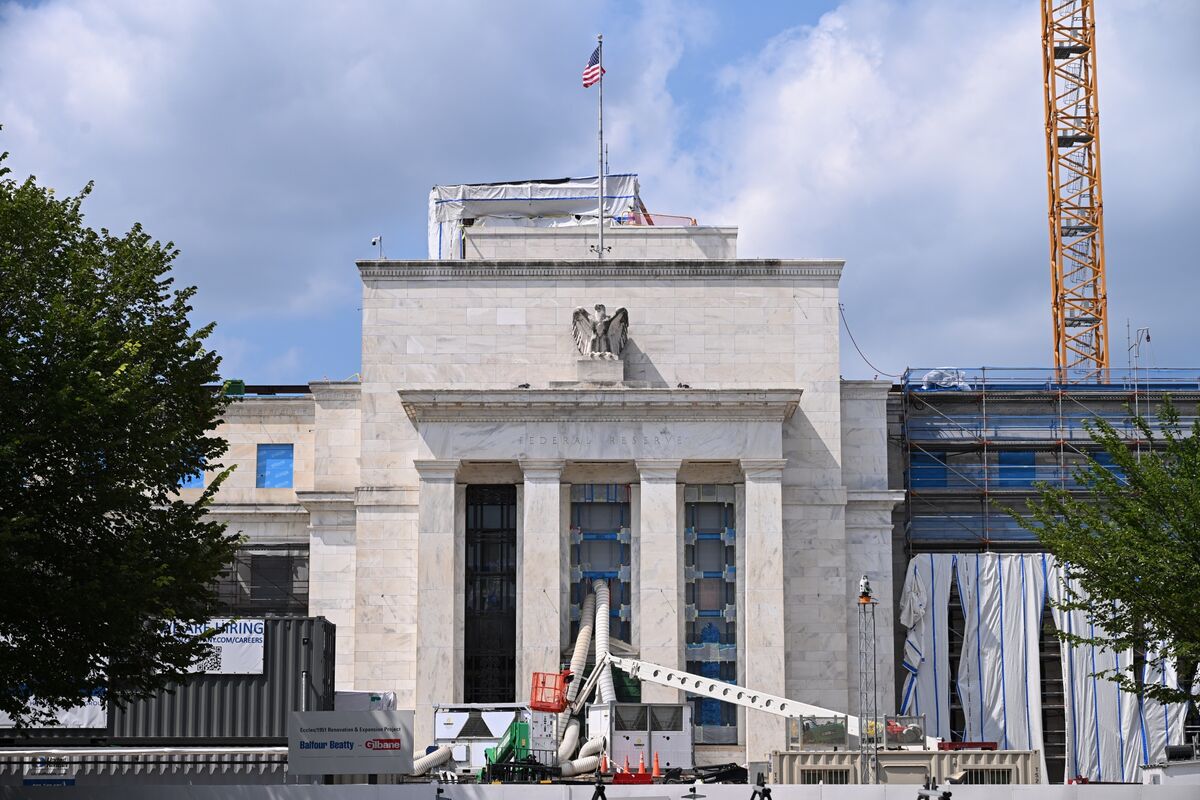
Fed Rate Hike Unlikely | Cross-Border Sellers Gain Working Capital Window
- Goldman Sachs downgrades September rate hike probability to "very unlikely"; soft retail sales and cooling inflation create 3-6 month financing advantage for e-commerce sellers with USD exposure






Overview
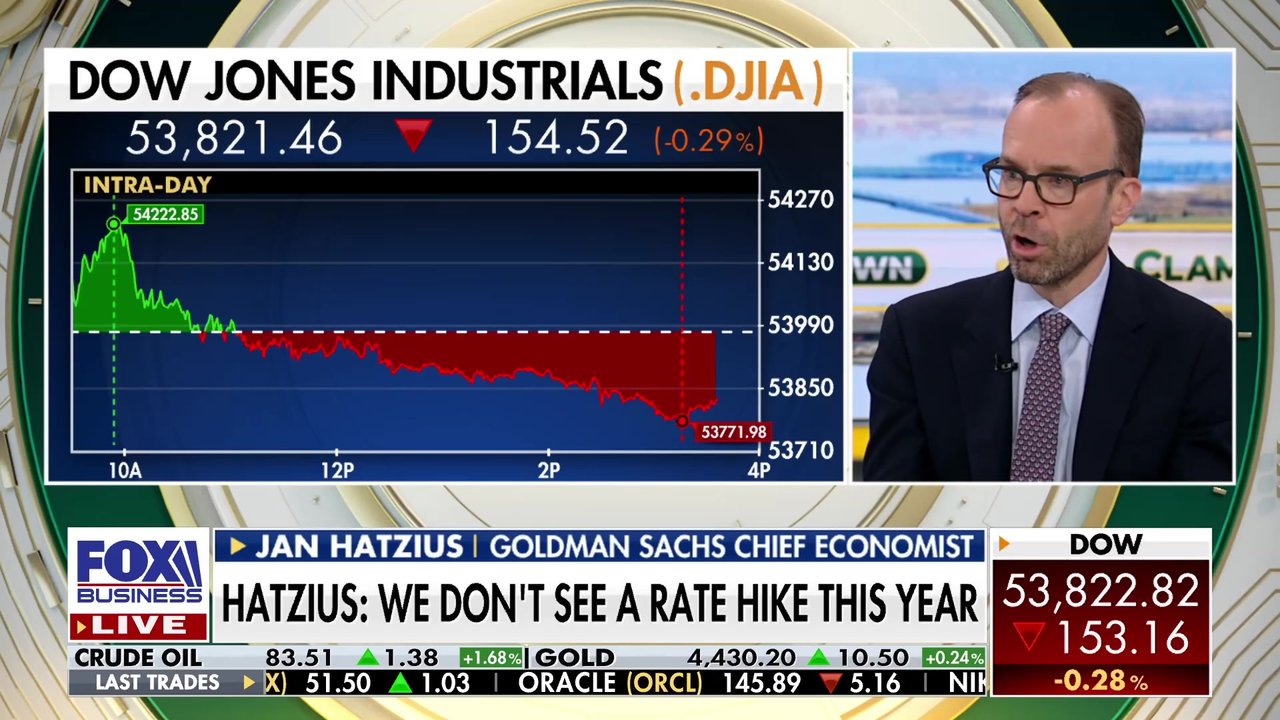
Goldman Sachs' August 17, 2026 assessment fundamentally shifts the financial landscape for cross-border e-commerce sellers. Chief Economist Jan Hatzius declared a September Federal Reserve rate increase "very unlikely," citing three critical economic headwinds: softer-than-expected retail sales, disappointing employment figures, and continued inflation cooling. Market traders now price only a 30.6% probability of a 25 basis point rate hike to the 3.75-4% range, with most participants expecting rates to remain unchanged. This dovish pivot creates immediate financial optimization opportunities for sellers managing USD-denominated costs, international financing, and multi-currency cash flows.
For cross-border sellers, the extended low-rate environment unlocks three critical financial advantages. First, working capital financing becomes cheaper: sellers relying on invoice factoring, PO financing, or inventory loans will see APR rates decline 50-150 basis points over the next 3-6 months as lenders reduce risk premiums. A seller with $500K in outstanding inventory financing could save $2,500-7,500 quarterly. Second, currency hedging costs compress: FX forward contracts and options pricing for USD/EUR, USD/GBP, and USD/CNY pairs will decline as interest rate differentials narrow, reducing hedging costs by 15-25% for sellers protecting against currency volatility. Third, consumer purchasing power strengthens in the US market: lower rate expectations support sustained consumer spending, particularly in discretionary categories (electronics, home goods, apparel) where cross-border sellers generate 40-60% of revenue. Goldman's analysis explicitly notes that "if the Fed maintains lower rates longer than markets currently expect, this could support stronger consumer spending in the United States."
The payment and cash flow implications are immediate and actionable. Sellers with significant USD-denominated costs (manufacturing in Asia, inventory financing in dollars, or US-based fulfillment) benefit from extended low-rate periods through reduced financing costs and improved cash conversion cycles. Specifically, sellers should: (1) Lock in favorable financing terms NOW before rates stabilize—APR rates on 90-day inventory loans could rise 50-100 bps within 4-6 weeks as market expectations adjust; (2) Refinance existing USD debt before September Fed meeting—current 4.5-5.2% rates on seller financing may jump to 5.0-5.8% if rate expectations shift; (3) Accelerate cross-border transactions in USD-heavy corridors (US-to-EU, US-to-UK) where lower US rates create favorable exchange rate windows. The news also signals reduced pressure on shipping costs: lower Fed rates typically correlate with fuel price moderation, potentially reducing DHL, FedEx, and ocean freight costs by 2-4% over Q4 2026. Sellers should monitor weekly Fed communications and employment data releases (first Friday of each month) as leading indicators for financing cost movements.
Questions 7
What currency hedging opportunities exist with lower US interest rates?
Lower Fed rate expectations compress FX forward contract and options pricing by 15-25%, reducing hedging costs for sellers protecting USD/EUR, USD/GBP, and USD/CNY exposures. If you're hedging $1M in quarterly cross-border transactions, you could save $3,750-6,250 in hedging costs. The interest rate differential between US and other currencies narrows, making currency protection cheaper. Consider locking in 6-12 month forward contracts now before rates stabilize, particularly for high-volume corridors like US-to-EU and US-to-UK shipments.
Will lower Fed rates boost US consumer spending for my products?
Yes—Goldman explicitly states that extended lower rates 'could support stronger consumer spending in the United States.' Softer retail sales data and cooling inflation reduce pressure for rate hikes, maintaining purchasing power in discretionary categories (electronics, home goods, apparel) where cross-border sellers generate 40-60% of revenue. This is particularly bullish for Q4 2026 holiday season demand. Sellers should increase inventory in high-demand categories and accelerate PPC spending to capture the anticipated consumer spending surge before competitors adjust.