

China-Iran Oil Trade Reshapes Supply Chain Risk | Cross-Border Sellers Face Compliance Pressure
- Chinese refineries' Iranian crude imports signal geopolitical volatility affecting manufacturing costs, shipping routes, and tariff exposure for 50K+ cross-border sellers importing from China


Overview
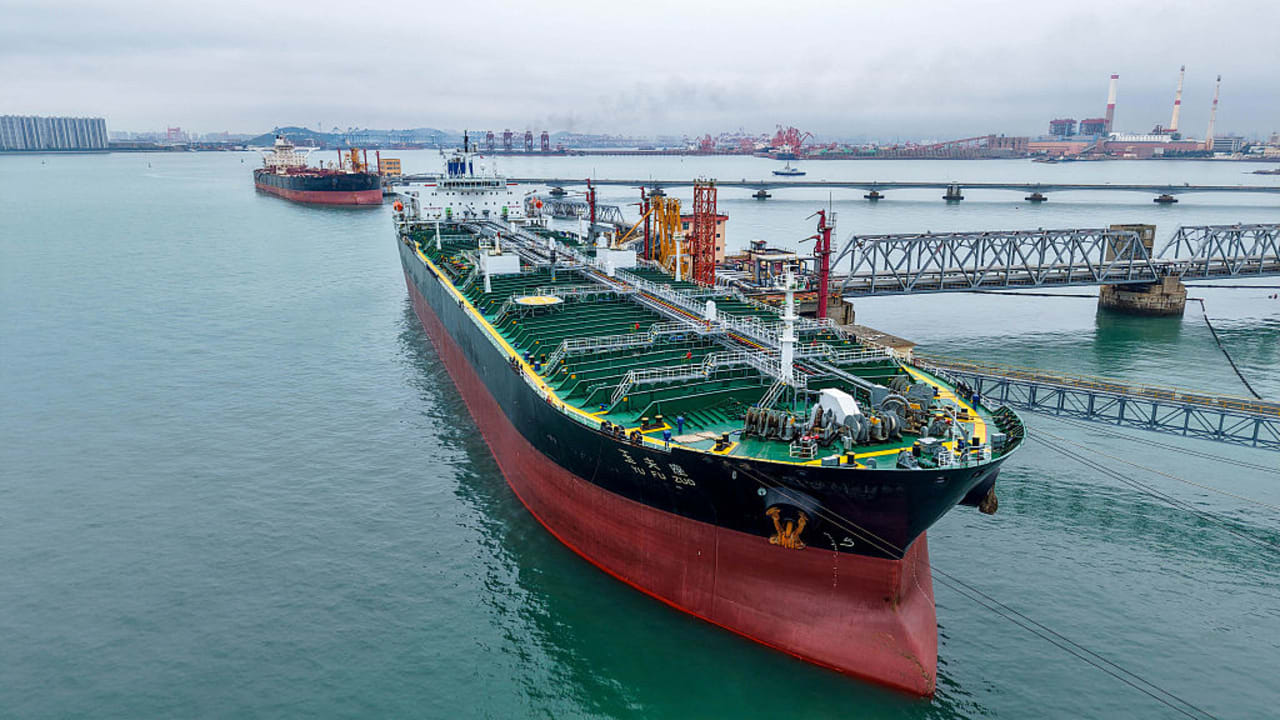
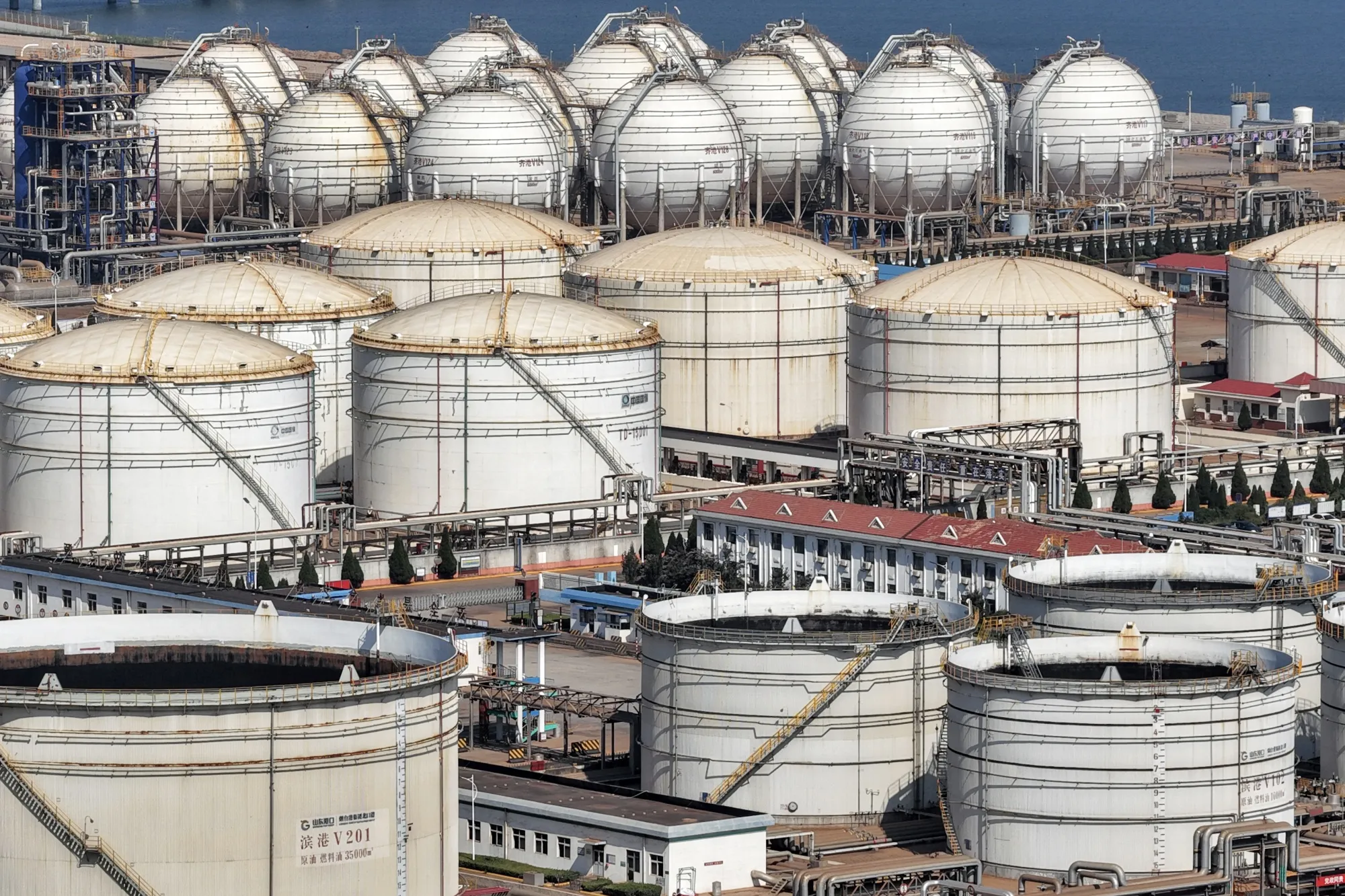
China's deepening engagement with sanctioned Iranian oil markets represents a critical supply chain risk for cross-border e-commerce sellers importing from Chinese manufacturers. The Wall Street Journal reports that major Chinese refineries have become Tehran's primary financial lifeline through crude oil transactions, while Hengli Group emerges as the leading importer of sanctioned Iranian crude. Simultaneously, China's independent oil refiners ("teapots") are dramatically increasing Iranian crude purchases following Shandong inventory depletion—inventories fell to 360 million barrels by July 2026 (lowest in 8 months), representing a 35 million barrel monthly decline. China's total crude imports rebounded 22% to 8.45 million barrels per day in July, signaling aggressive market re-engagement.
For cross-border sellers, this geopolitical dynamic creates three immediate supply chain vulnerabilities: First, manufacturing cost inflation—rising energy prices directly increase Chinese factory production costs, compressing margins on electronics, apparel, home goods, and consumer products by 5-12% as refineries pass through crude costs. Second, logistics disruption risk—increased U.S.-China sanctions enforcement could trigger shipping delays, port congestion, or payment system freezes affecting fulfillment timelines for Amazon FBA, eBay, and Shopify sellers. Third, compliance exposure—sellers importing through Chinese supply chains must conduct enhanced due diligence to avoid inadvertent sanctions violations; companies with supply chain links to Hengli Group or other sanctioned entities face penalties up to $250K+ and operational restrictions.
The timing window is critical. China's inventory normalization and return to aggressive Iranian crude purchasing (projected August 2026 onwards) signals sustained energy market volatility through Q4 2026. Sellers relying on just-in-time manufacturing from Shandong province face 2-4 week production delays as refineries prioritize energy-intensive petrochemical operations. Currency fluctuations tied to China's energy spending could devalue the yuan 3-8% against the dollar, reducing profit margins on dollar-denominated sales. The U.S. export blockade restrictions temporarily lifted during June-July 2026, but future tightening could restrict Iranian crude availability, spiking energy costs 15-25% and cascading through Chinese manufacturing.
Strategic implications for seller segments: Large sellers (1000+ monthly units) should diversify sourcing to Vietnam, India, or Mexico to reduce China-specific energy cost exposure. Medium sellers (100-500 units) should negotiate fixed-price contracts with suppliers through Q4 2026 to lock in costs before further volatility. Small sellers should monitor shipping costs weekly and consider 3PL providers outside China-dependent logistics networks. All sellers must audit supply chain partners for sanctions compliance—verify suppliers have no connections to Hengli Group, Chinese state-owned enterprises, or Iran-linked entities through OFAC screening tools.
Questions 8
How does China's Iranian crude oil purchasing affect my manufacturing costs as an Amazon FBA seller?
China's aggressive Iranian crude imports (22% surge to 8.45M barrels/day in July 2026) directly increase factory energy costs, which manufacturers pass to suppliers. For electronics, apparel, and home goods categories, expect 5-12% production cost increases through Q4 2026. Chinese refineries prioritize energy-intensive petrochemical operations, reducing capacity for consumer goods manufacturing. Sellers importing 500+ units monthly should lock in fixed-price supplier contracts immediately to avoid 8-15% margin compression. Monitor Shandong inventory levels (currently 360M barrels, lowest in 8 months) as further depletion signals accelerating cost inflation.
What sanctions compliance risks do I face if my Chinese supplier has connections to Hengli Group?
Hengli Group is identified as the primary importer of sanctioned Iranian crude oil, making it a high-risk entity under OFAC regulations. If your supplier has direct or indirect ownership links to Hengli, you face penalties up to $250K+ and operational restrictions on Amazon, eBay, or Shopify. Conduct immediate OFAC screening using the Specially Designated Nationals (SDN) list at treasury.gov. Request written compliance certifications from suppliers confirming no Hengli connections. For sellers already importing from Hengli-linked suppliers, consult trade compliance counsel immediately—delays increase penalty exposure. This applies to all seller sizes importing from China.