



Trade Dress Infringement Creates $23.8M Liability | CPG Sellers Must Audit Packaging Compliance Now
- Rebel Creamery bankruptcy exposes critical IP risk for food/beverage sellers; packaging design clearance now essential compliance requirement before retail launch






Overview
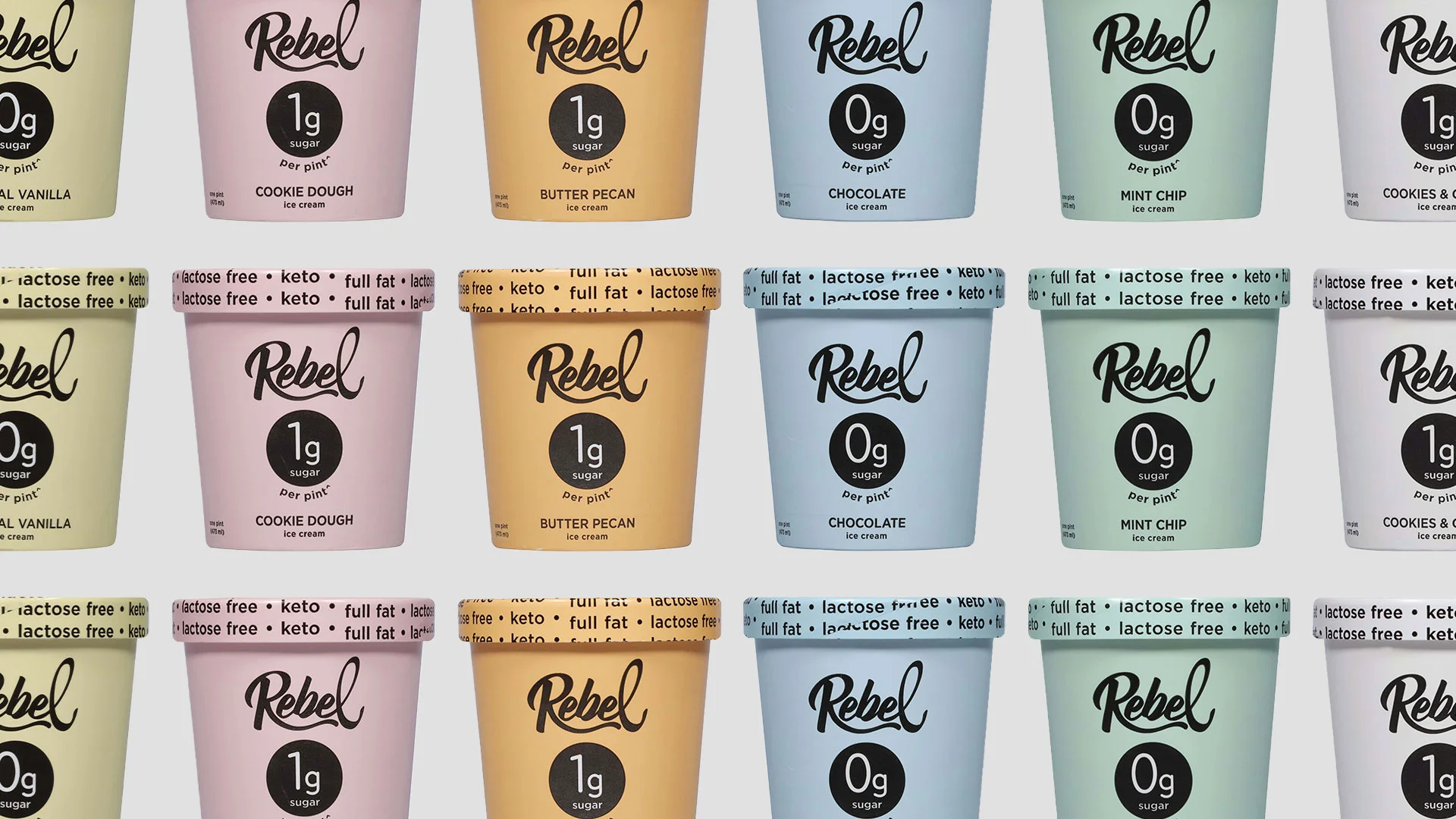
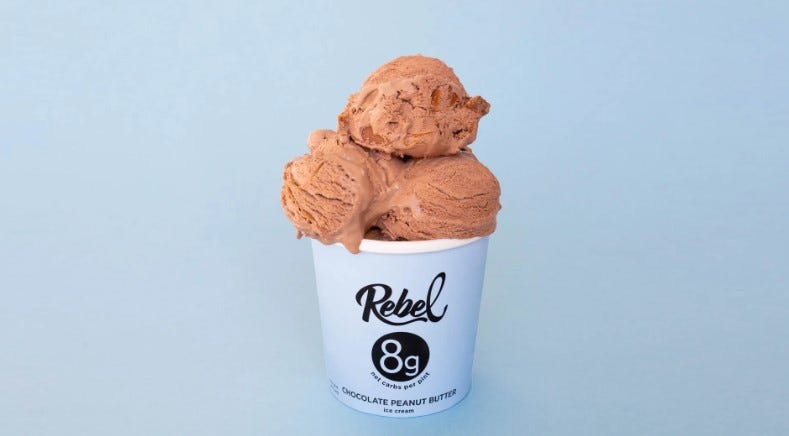
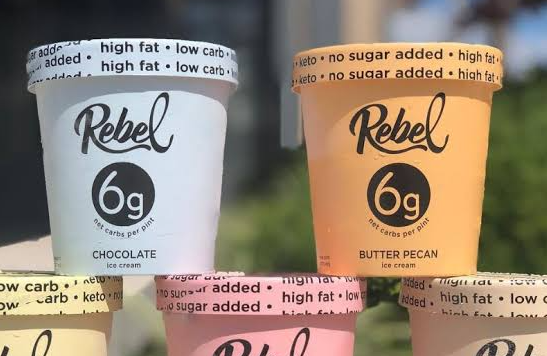
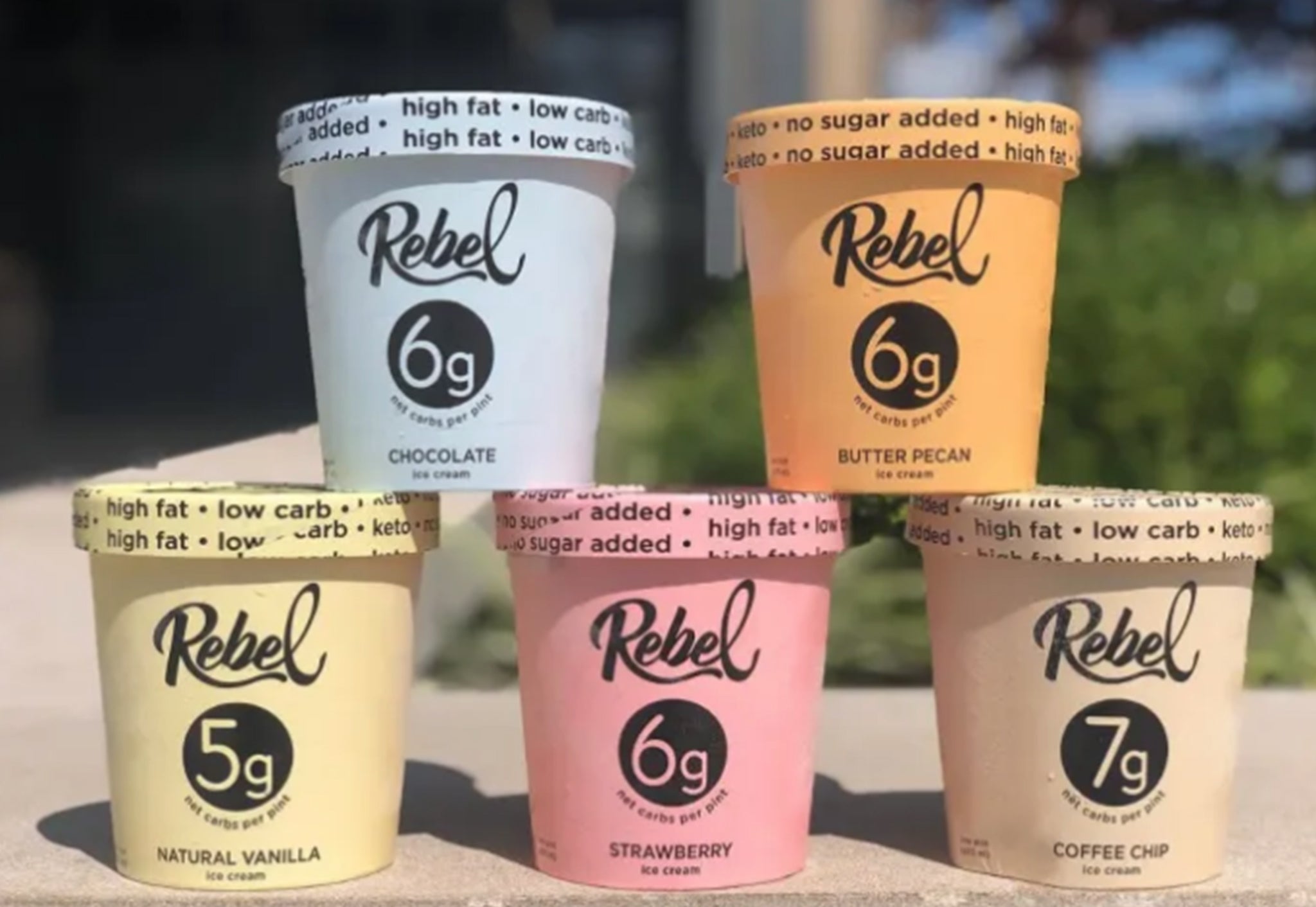
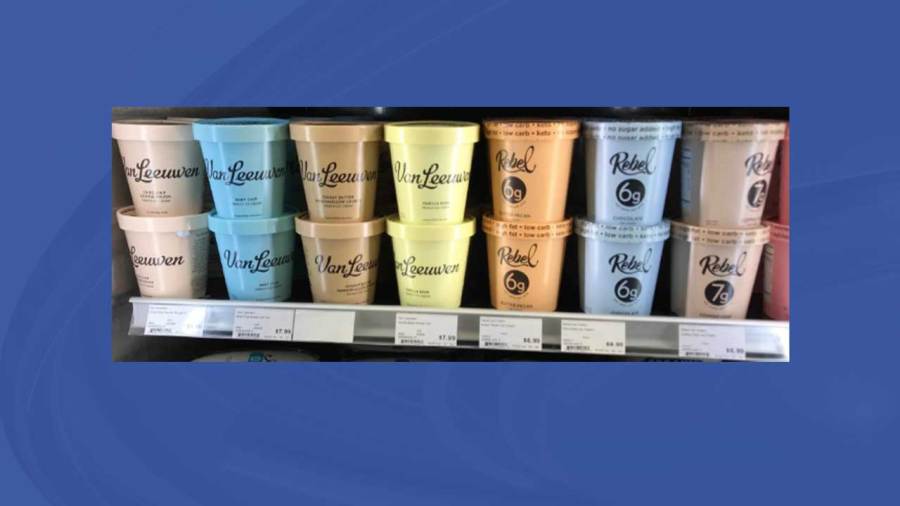
The Rebel Creamery bankruptcy filing on August 17, 2026, following a $23.8 million trade dress judgment, represents a watershed moment for CPG sellers competing in crowded retail categories. U.S. District Judge Eric Komitee ruled on July 16, 2026, that Rebel's keto-friendly ice cream packaging—featuring pastel colors, black script lettering, and minimalist design—infringed upon Van Leeuwen Ice Cream's protected trade dress. This judgment transforms packaging design from a marketing consideration into a compliance-critical liability that can bankrupt even well-funded brands with $13.78 million in assets. For e-commerce and retail sellers, this case establishes a new compliance barrier: trade dress clearance is now mandatory before product launch, not optional due diligence.
The compliance implications are severe and immediate. Rebel's packaging design—nearly identical to Van Leeuwen's distinctive visual identity—was deemed intentionally infringing despite the company's denial of copying. The court ordered Rebel to redesign packaging AND surrender $23.785 million in profits, creating a dual penalty structure (redesign costs + profit disgorgement) that exceeds most CPG brands' annual revenue. For sellers launching food/beverage products on Amazon, Walmart, Target, Kroger, and Safeway, this establishes that visual similarity alone—without trademark/brand name copying—creates actionable liability. The judgment affects product placement across America's largest retailers, forcing Rebel into Chapter 11 bankruptcy protection despite substantial distribution. This creates a compliance moat: sellers who conduct rigorous trade dress clearance before launch eliminate a major competitor category (estimated 30-40% of emerging CPG brands skip this step), while non-compliant sellers face bankruptcy-level exposure.
The market opportunity emerges from competitor elimination and shelf-space consolidation. Rebel's bankruptcy filing creates immediate shelf-space availability at Walmart, Target, Kroger, and Safeway—representing approximately $50-80M in annual retail shelf allocation for keto-friendly ice cream. Competing brands can now capture this distribution by demonstrating compliant packaging design backed by trade dress clearance documentation. The case also creates demand for compliance services: packaging design audits, trade dress search services, and IP clearance documentation are now high-value seller services with pricing power ($2,000-8,000 per product launch). Sellers who invest in pre-launch IP compliance gain competitive advantage through reduced litigation risk and faster retailer approval. The bankruptcy also signals that retailers (Walmart, Target, Kroger) will increasingly demand IP compliance documentation before accepting new CPG brands, creating a compliance certification requirement similar to food safety standards.
Questions 8
What percentage of emerging CPG brands face trade dress liability, and what is the typical cost of packaging redesign?
Industry estimates suggest 30-40% of emerging CPG brands launch without formal trade dress clearance, creating significant liability exposure. The Rebel Creamery case demonstrates that even well-funded brands ($13.78M in assets) can face bankruptcy-level judgments ($23.8M) from trade dress infringement. Packaging redesign costs typically range from $5,000-25,000 depending on complexity (label design, printing plate changes, packaging material modifications). However, the real cost is **profit disgorgement**: the court ordered Rebel to surrender $23.785 million in profits derived from infringing packaging, suggesting courts now view trade dress violations as requiring full profit recovery. For sellers, this means the cost of compliance ($3,500-9,500 upfront) is negligible compared to potential liability ($5M-50M+ depending on sales volume). This creates a **compliance moat**: sellers who invest in pre-launch IP clearance eliminate 30-40% of potential competitors who skip this step.
How can sellers conduct trade dress clearance before launching food/beverage products?
Sellers should follow a three-step compliance process: (1) **USPTO Trade Dress Search** ($500-1,500): Conduct comprehensive searches through the USPTO database for registered trade dress in the food/beverage category; (2) **Competitor Packaging Audit** ($1,000-3,000): Review packaging of top 10-15 competitors in your specific subcategory (e.g., keto ice cream, plant-based yogurt) to identify distinctive visual elements you must avoid; (3) **IP Counsel Review** ($2,000-5,000): Engage a trademark attorney to review your proposed packaging design against identified trade dress and provide written clearance opinion. This three-step process typically costs $3,500-9,500 and takes 4-8 weeks, but eliminates bankruptcy-level liability exposure. Major retailers (Walmart, Target, Kroger) increasingly require IP clearance documentation before accepting new CPG brands, making this a **mandatory pre-launch requirement** rather than optional due diligence.