



AI Infrastructure Boom Drives Chip Demand Surge | E-Commerce Hardware & Cloud Computing Opportunities
- Sustained AI spending signals 15% annual growth in memory/storage components through 2030; sellers can capitalize on cloud infrastructure expansion and AI-powered e-commerce tools





















Overview
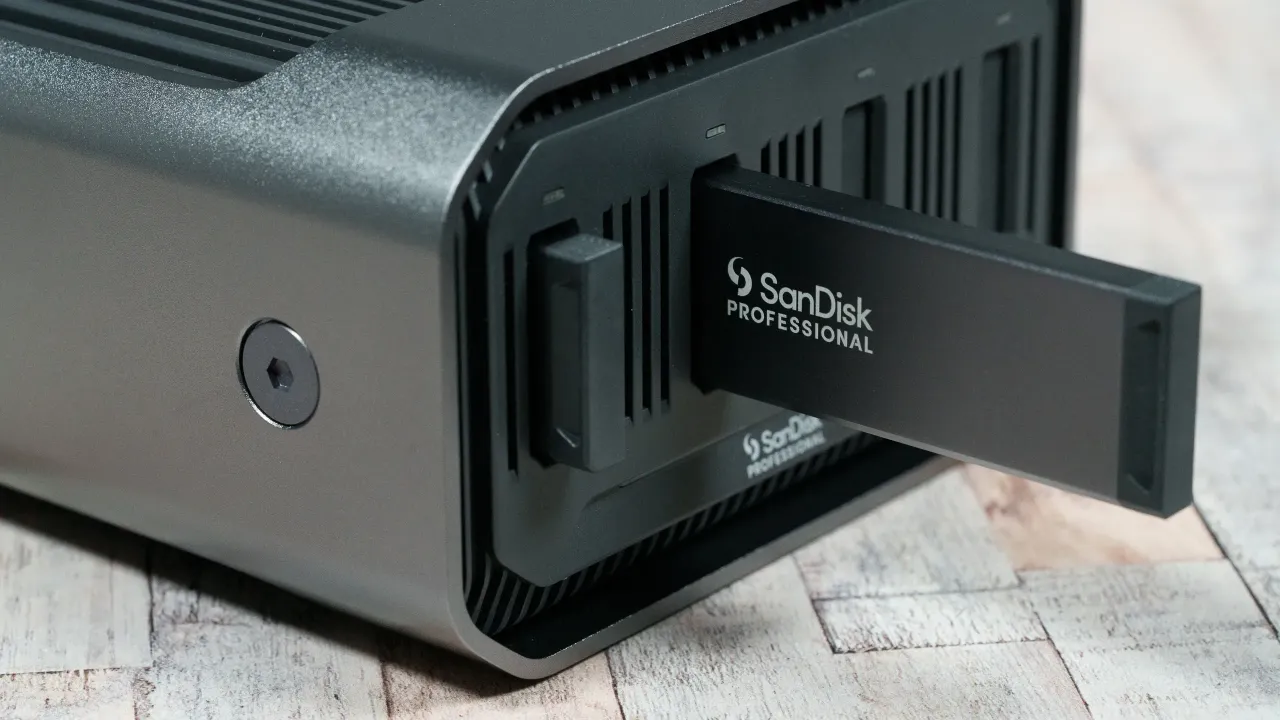
The semiconductor sector is experiencing a structural shift driven by sustained artificial intelligence infrastructure spending, creating significant opportunities for e-commerce sellers across multiple dimensions. On August 17, 2026, memory chipmakers SanDisk (SNDK) and Micron Technology (MU) surged 6-11% following analyst upgrades that project mid-to-high-teens revenue growth through 2030, supported by BiCS10 QLC and High Bandwidth Flash technologies for AI workloads. Critically, U.S. Commerce Department intervention blocking Apple's planned purchases from Chinese manufacturers (ChangXin Memory Technologies, Yangtze Memory Technologies) protects U.S. chip suppliers' pricing power and market share, signaling government commitment to domestic semiconductor supply chains.
For e-commerce sellers, this creates three immediate opportunities: First, AI-powered product research and pricing optimization tools are becoming essential competitive advantages. With Anthropic achieving $11.5 billion in Q2 2026 revenue (14x year-over-year growth) and OpenAI reaching $40 billion annualized revenue, enterprise AI adoption is accelerating. Sellers can now leverage AI-driven inventory management, dynamic pricing algorithms, and customer service automation to reduce operational costs by 15-25% while improving conversion rates. Second, cloud infrastructure expansion directly benefits sellers using Amazon Web Services, Google Cloud, and Alibaba Cloud for e-commerce operations—these platforms are investing heavily in AI-optimized data centers, improving performance and reducing latency for global sellers. Third, Alibaba's strategic pivot toward AI (with Qwen models exceeding 3 billion downloads in six months) signals that Asian e-commerce platforms are embedding AI capabilities into seller tools, creating competitive pressure for Western platforms to accelerate similar integrations.
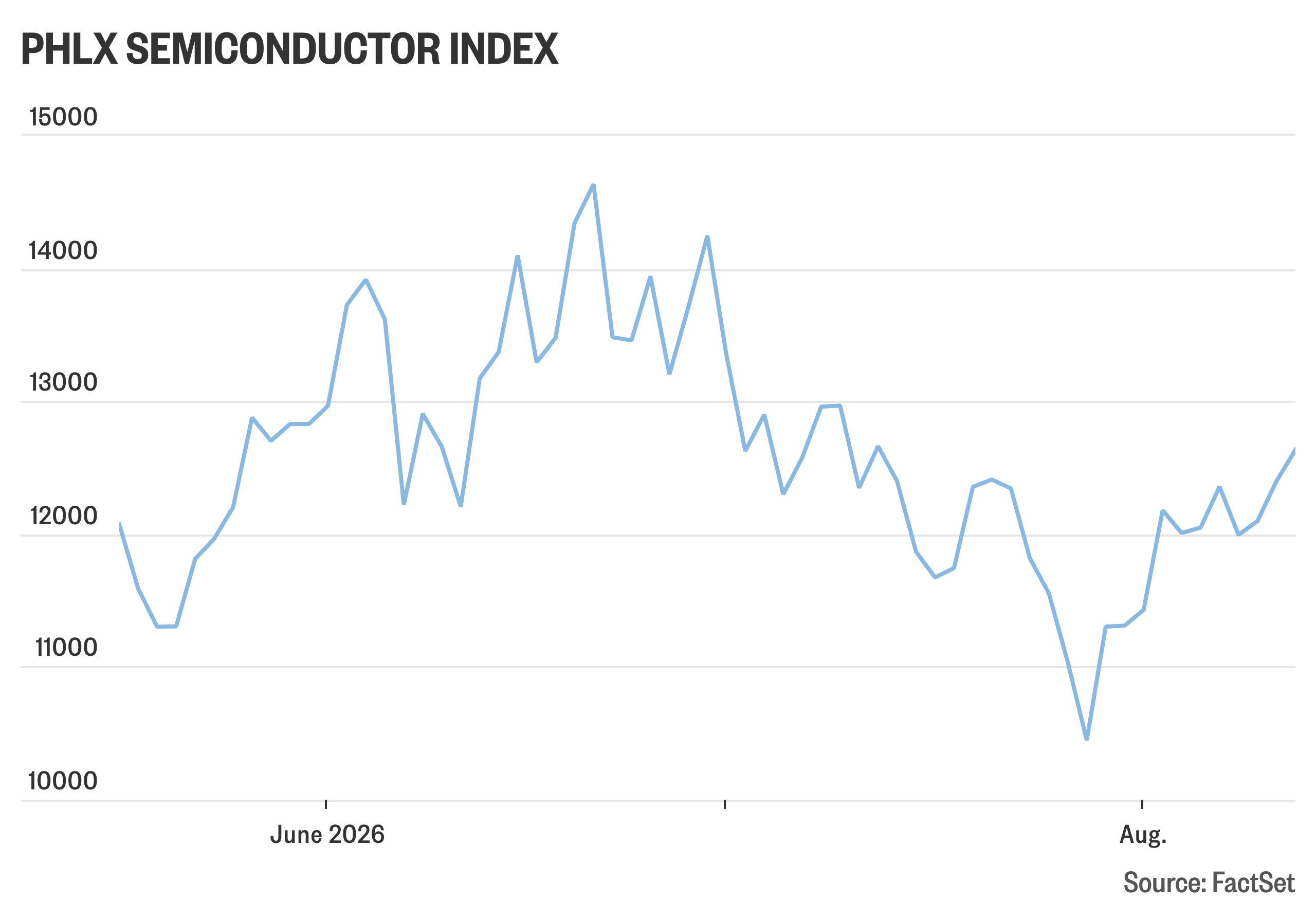
The geopolitical dimension reshapes supply chain strategy. U.S. trade policy increasingly prioritizes domestic chip supply chains, meaning sellers relying on Chinese-manufactured electronics or components face potential tariff exposure. Sellers importing consumer electronics, smart home devices, or computing peripherals should diversify sourcing toward U.S. and allied manufacturers (South Korea's Samsung and SK Hynix benefit from KOSPI's 2.4% rise). The semiconductor sector's elevated volatility (30-40% declines in July followed by current surges) indicates investors remain cautious about AI spending sustainability, but strong financial performance from Anthropic and OpenAI provides structural support. Sellers should monitor memory chip costs closely—if U.S. suppliers maintain pricing power due to Chinese import restrictions, component costs could rise 8-15% over the next 12 months, directly impacting margins for electronics sellers and increasing fulfillment infrastructure costs for those using cloud-based logistics platforms.
Questions 8
What are the cost implications of rising memory chip prices for FBA sellers and 3PL providers?
U.S. trade policy protecting domestic chip suppliers (Micron, SanDisk) from Chinese competition could increase component costs 8-15% over 12 months. For FBA sellers and 3PL providers, this impacts: (1) Fulfillment infrastructure costs—data center equipment, networking hardware, and storage systems rely on memory chips; Amazon and 3PL providers may pass 3-8% of cost increases to sellers through higher fulfillment fees; (2) Inventory management systems and barcode scanning equipment require memory chips, increasing capital expenditure for warehouse automation; (3) Electronics sellers importing products with memory components face direct cost increases. Sellers should: (1) Review current FBA fee structures and 3PL contracts for cost escalation clauses; (2) Negotiate long-term supplier contracts now before potential price increases; (3) Consider shifting 10-20% of inventory to alternative fulfillment methods (Shopify, self-fulfillment) to reduce FBA exposure; (4) Monitor Amazon Seller Central announcements for potential fee increases in Q4 2026-Q1 2027. The news indicates elevated sector volatility, so lock in pricing agreements before further cost increases materialize.
How does Alibaba's AI strategy (Qwen models with 3 billion downloads) affect cross-border sellers?
Alibaba's strategic pivot toward AI—with Qwen models exceeding 3 billion downloads in six months (vs. Google's 418 million and Meta's 227 million)—signals aggressive AI integration into its e-commerce platforms. The company aims to generate $100 billion in AI-related revenue within five years and has committed billions to cloud computing and semiconductor development. For cross-border sellers on Alibaba, Taobao, and AliExpress, this means: (1) AI-powered seller tools will become standard, creating competitive pressure for Amazon and Shopify to accelerate similar integrations; (2) Alibaba's cloud infrastructure investments will improve platform performance for sellers; (3) AI-driven product recommendations and dynamic pricing will become more sophisticated, requiring sellers to optimize listings and pricing strategies accordingly. Sellers using Alibaba platforms should expect rapid AI tool rollouts in 2026-2027. Sellers on Western platforms (Amazon, eBay, Shopify) should monitor Alibaba's AI innovations and advocate for similar tools from their platforms, as competitive parity will become essential for maintaining market share.