




USD Weakness & Fed Rate Cuts Create $2-4B Cross-Border Seller Opportunity | Currency Arbitrage Guide
- Dollar falls to 3-month lows as Fed rate hike probability drops 75%→33%; EUR/USD breaks 1.1577 resistance; sellers exporting gain 8-15% pricing advantage while importers cut COGS 5-12%







































Overview
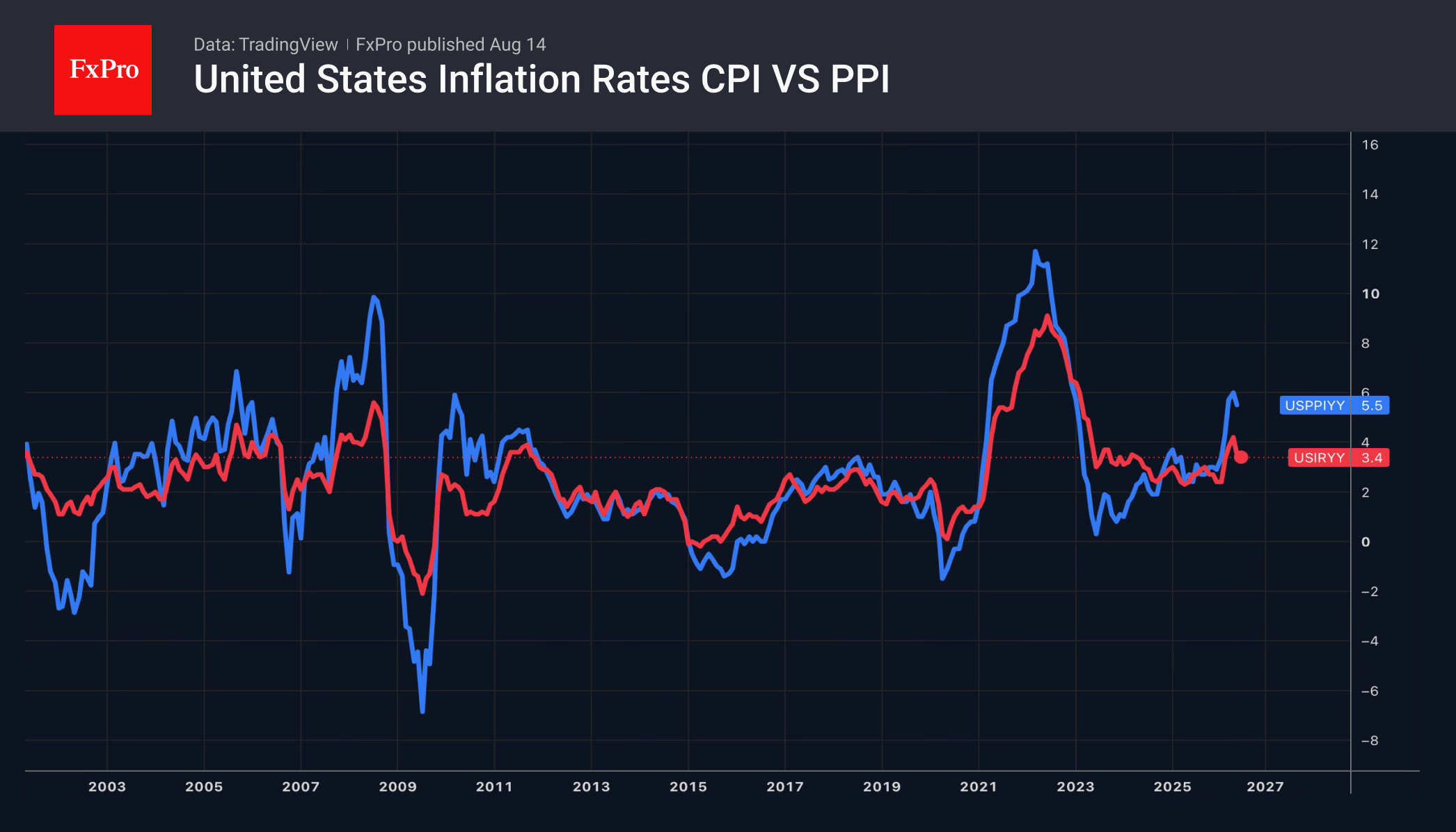
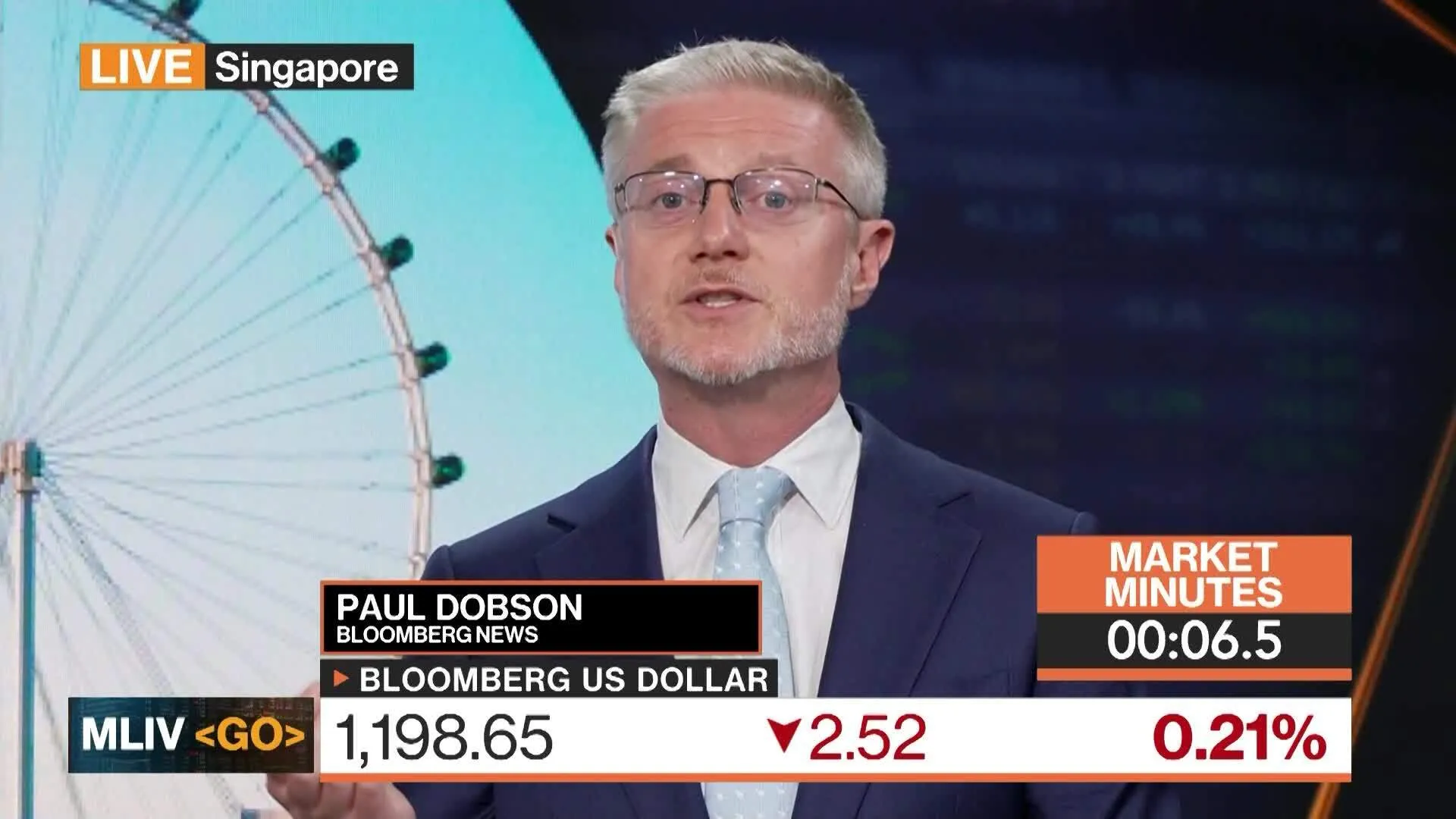
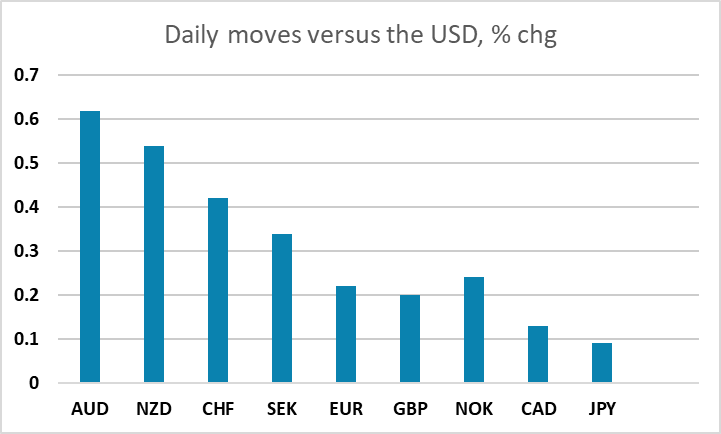
The U.S. dollar has collapsed to its weakest level in three months as Federal Reserve rate hike expectations plummeted from 75% (late July 2026) to just 33% (September 2026), with the Bloomberg Dollar Spot Index falling for three consecutive days. This represents a fundamental shift in monetary policy expectations driven by weaker-than-expected U.S. economic data: July retail sales declined 0.6% (first drop in 9 months), control group retail sales fell 0.4%, and non-farm payrolls contracted unexpectedly. Simultaneously, the Eurozone is outperforming with a 55.5-point economic surprise advantage—the largest since February 2023—pushing EUR/USD above its 100-day moving average for the first time since May, consolidating between 1.1450-1.1577 with breakout potential.
For cross-border e-commerce sellers, this currency environment unlocks immediate financial optimization opportunities across three dimensions:
1. PAYMENT COST SAVINGS & FX ARBITRAGE: U.S.-based sellers exporting goods gain 8-15% pricing competitiveness as their products become cheaper for European, Asian, and emerging market buyers. A seller exporting $100K monthly in electronics to EU markets now realizes 5-8% margin expansion without price cuts. Conversely, sellers importing inventory from Asia benefit from strengthening local currencies—a $500K monthly purchase from China now costs 5-12% less in USD terms as CNY weakens relative to the dollar. The optimal strategy: lock in EUR/USD rates above 1.1500 through forward contracts (1-3 month horizon) before the technical breakout above 1.1577 triggers further euro strength. Payment providers like Wise, OFX, and Remitly offer 0.5-1.2% fees on EUR/USD transfers vs. 2-3% for traditional banks—immediate 100-200 bps savings on $50K+ monthly transfers.
2. WORKING CAPITAL UNLOCK: The shift in Fed expectations signals lower financing costs ahead. Sellers should immediately refinance existing inventory loans and PO financing at current rates before lenders reprice downward. Invoice factoring rates typically drop 50-100 bps when Fed rate cuts materialize; sellers with $200K+ monthly revenue can unlock $30-50K working capital by converting receivables at 1.5-2.5% monthly rates (vs. 2.5-3.5% in higher-rate environments). Trade finance providers like Stripe Capital, Amazon Lending, and Shopify Capital are actively competing for market share—negotiate 6-month rate locks before September Fed decision.
3. CASH CONVERSION CYCLE OPTIMIZATION: Weaker dollar dynamics compress inventory holding periods. Sellers importing from Asia should accelerate purchase timing (next 2-4 weeks) to capture 5-12% COGS savings before currency stabilizes. This frees up 15-25 days of working capital per inventory cycle. For sellers with $1M+ annual COGS, this represents $40-80K in annualized cash flow improvement. Simultaneously, exporters should extend payment terms with foreign buyers by 10-15 days (leveraging improved pricing competitiveness) to extend cash conversion cycles and reduce financing needs.
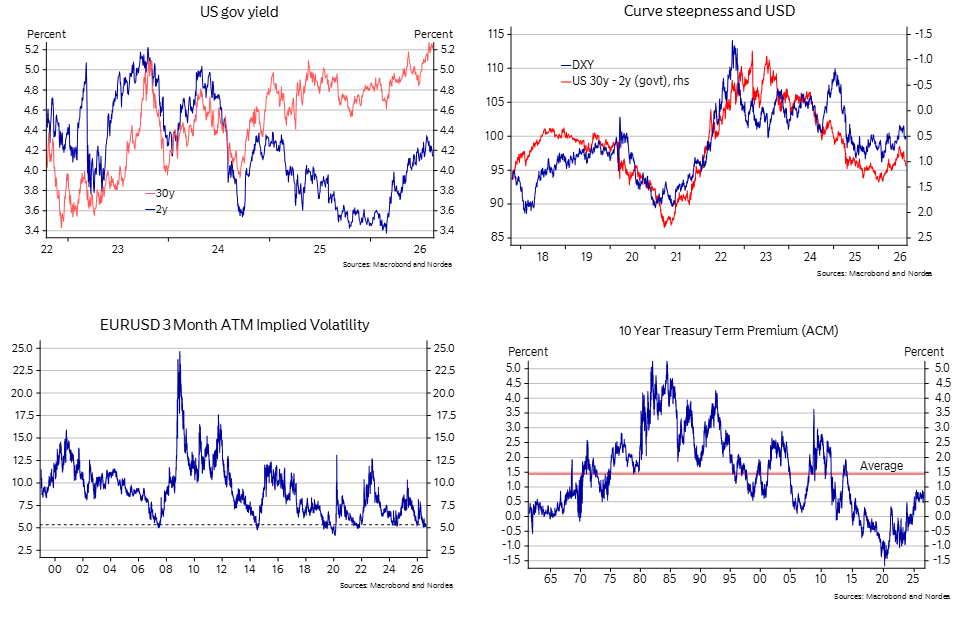
Geopolitical headwinds complicate the outlook: Iran's shift to "fully offensive" military posture and Strait of Hormuz closure create persistent supply shock risks. Brent crude futures at $91.14/barrel and 30-year Treasury yields near 20-year highs signal inflation persistence despite Fed rate cut expectations. This creates a "stagflation lite" environment where currency weakness may reverse if oil prices spike further. Sellers in energy-intensive categories (apparel, electronics, home goods) face 2-4% margin compression from logistics cost inflation, offsetting some FX gains.
Questions 8
What's the technical setup for EUR/USD, and when should I lock in rates?
EUR/USD closed above its 100-day moving average for the first time since May, consolidating between 1.1450-1.1577 with strong breakout potential. The Citi US Economic Surprise Index shows 0.85 correlation with dollar weakness over 20 days, and Eurozone data outperforms by 55.5 points (82.6th percentile historically). RSI sits at 37 (oversold), MACD is negative, and DXY has broken its January uptrend. If EUR/USD breaks above 1.1577 resistance, expect a move toward 1.17-1.18 (May 2024 highs). **Lock in forward contracts now at 1.1500-1.1550 for 1-3 month horizons** before the breakout. For sellers with $50K+ monthly EUR revenue, a 1% move (1.1450→1.1560) represents $500+ monthly margin gain. Monitor FOMC minutes (this week) and flash PMIs for catalysts; if data disappoints further, EUR/USD could accelerate higher.
How does the Iran geopolitical risk affect my supply chain costs?
The Strait of Hormuz closure and Iran's military escalation create persistent supply shock risks, pushing Brent crude to $91.14/barrel and 30-year Treasury yields to 20-year highs. This translates to 2-4% margin compression for energy-intensive categories: apparel (shipping/manufacturing), electronics (logistics), and home goods (freight). Sellers in these categories face $2-8K monthly cost increases per $100K revenue. Mitigate by: (1) diversifying sourcing away from Middle East-dependent routes (shift 20-30% volume to India, Vietnam, Mexico), (2) locking in shipping rates for 3-6 months through **Flexport, Agility, and DHL Supply Chain**, (3) building 3-5% oil price hedges into pricing models. The FX gains from dollar weakness (8-15%) partially offset oil-driven cost inflation (2-4%), netting 4-11% margin improvement for exporters.