


Uber-Zipline Drone Delivery Partnership Reshapes Last-Mile Logistics | Seller Fulfillment Strategy Guide
- Drone delivery scaling to 1M daily orders by 2029 creates cost-saving opportunities for lightweight goods; sellers must adapt packaging and warehouse positioning for 5-10 minute delivery windows in 50+ US cities





























Overview
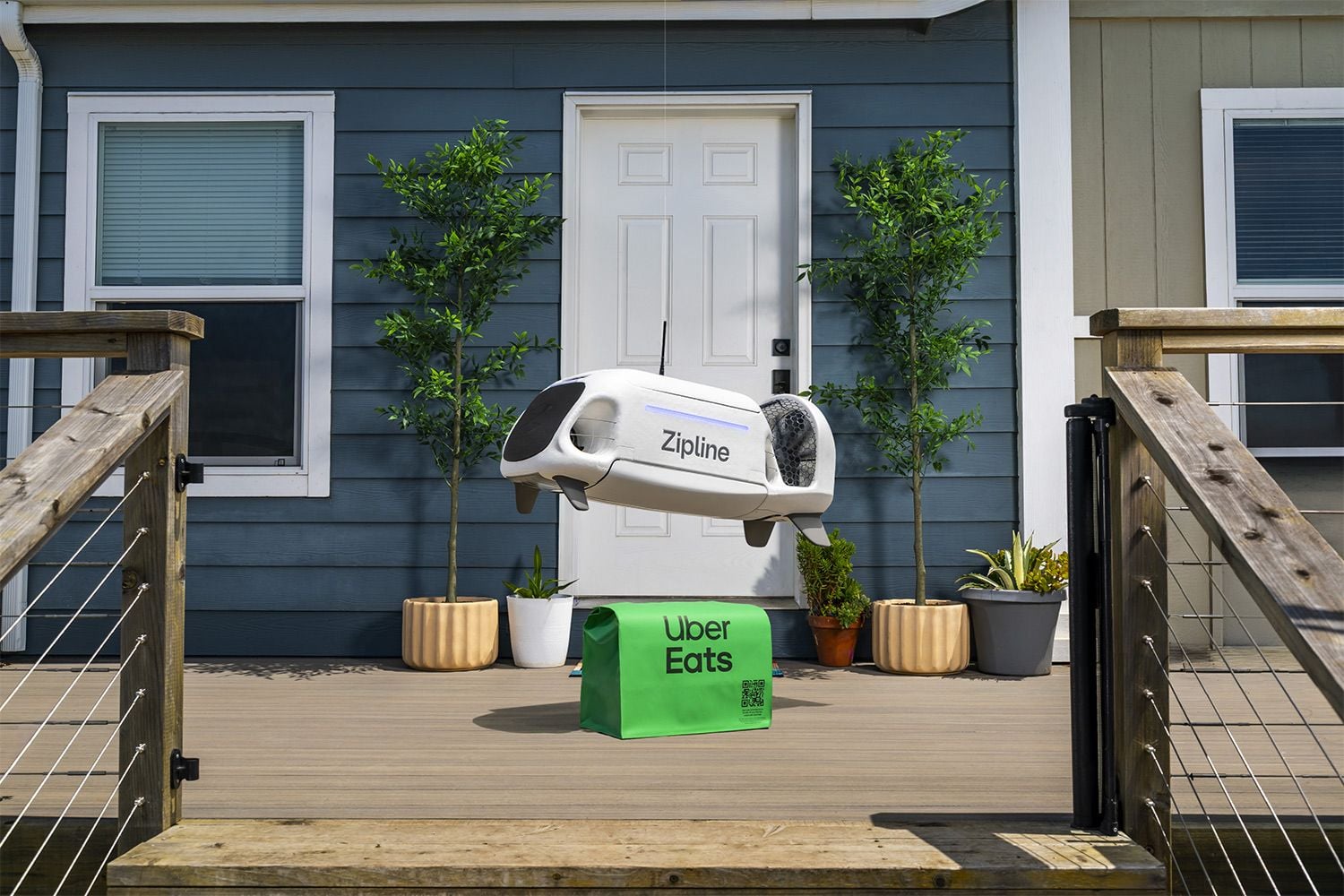
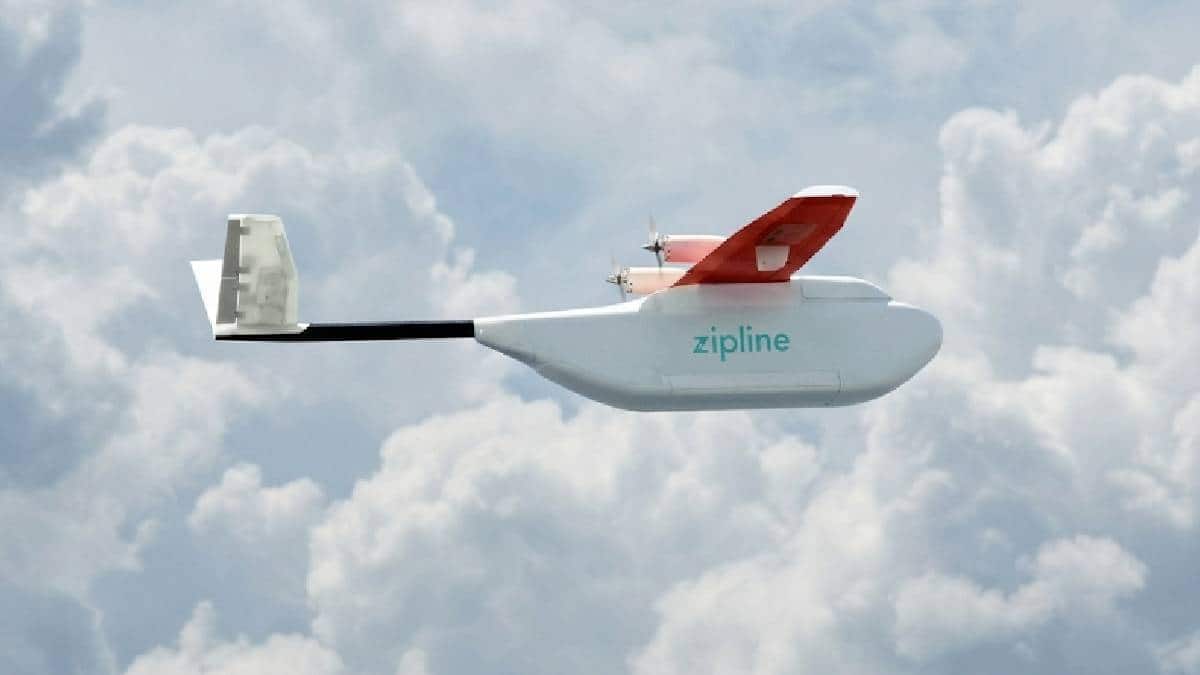
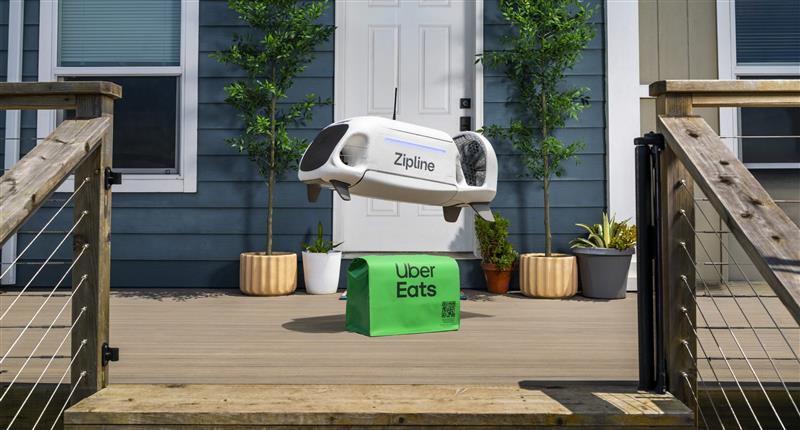
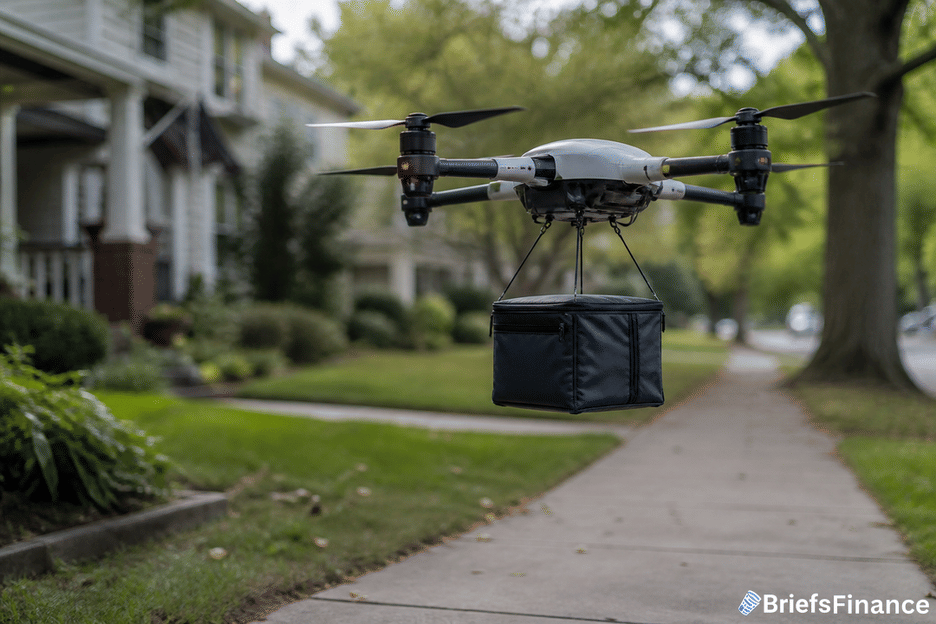
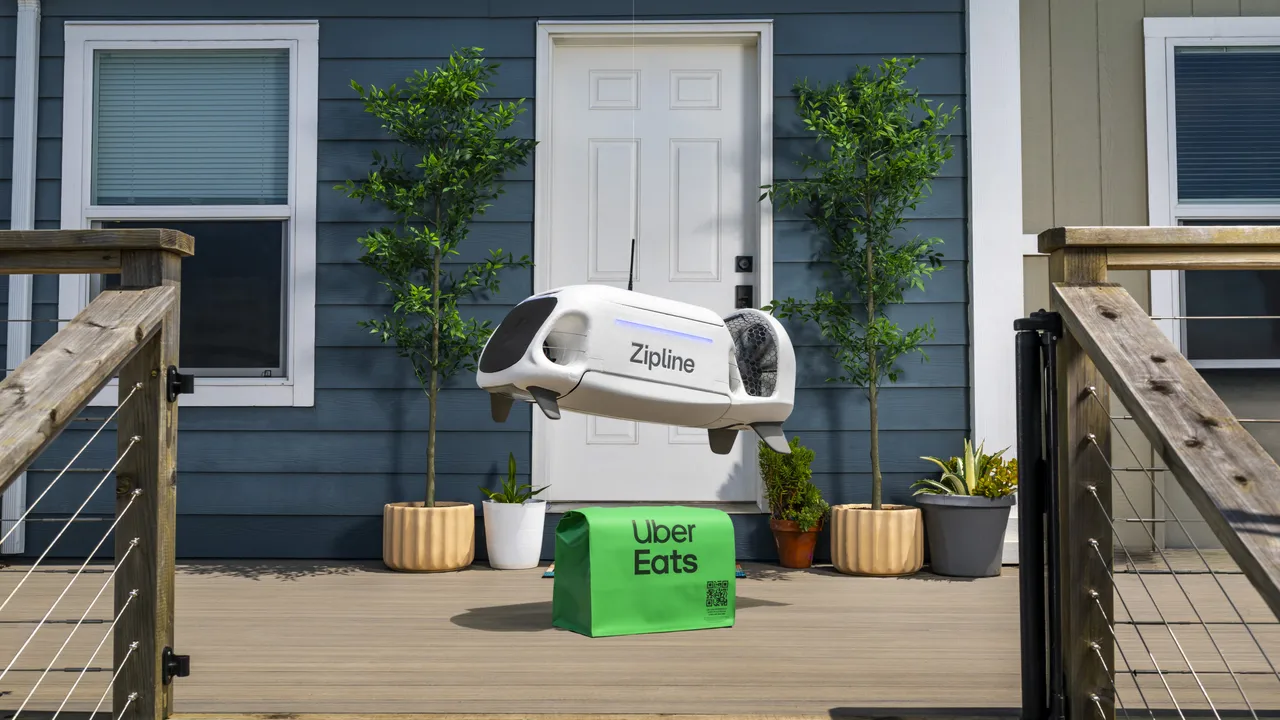
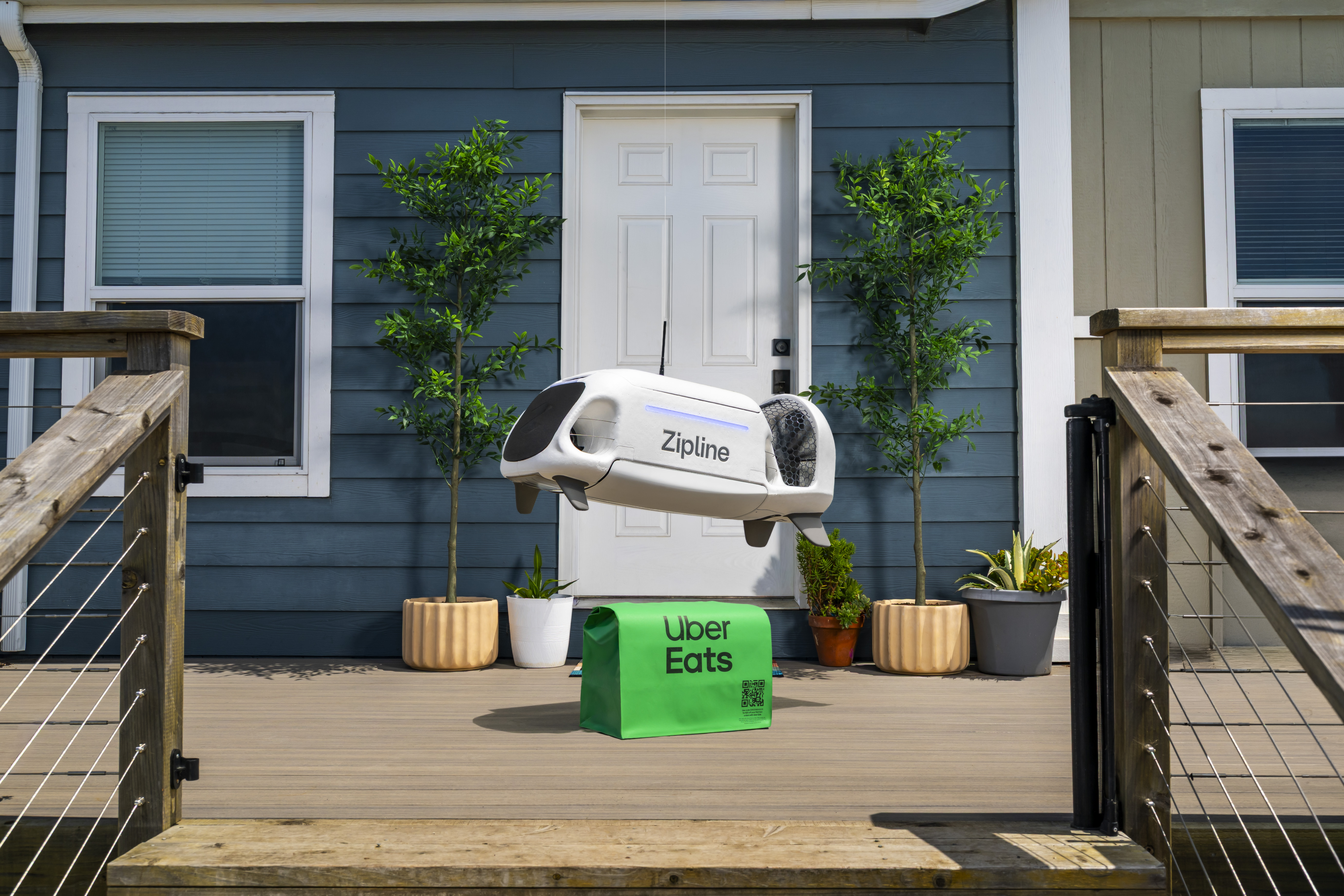
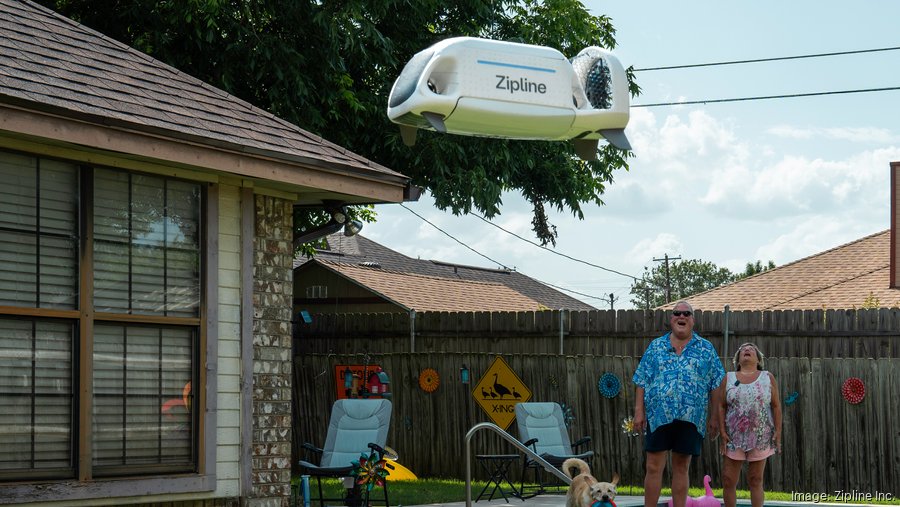
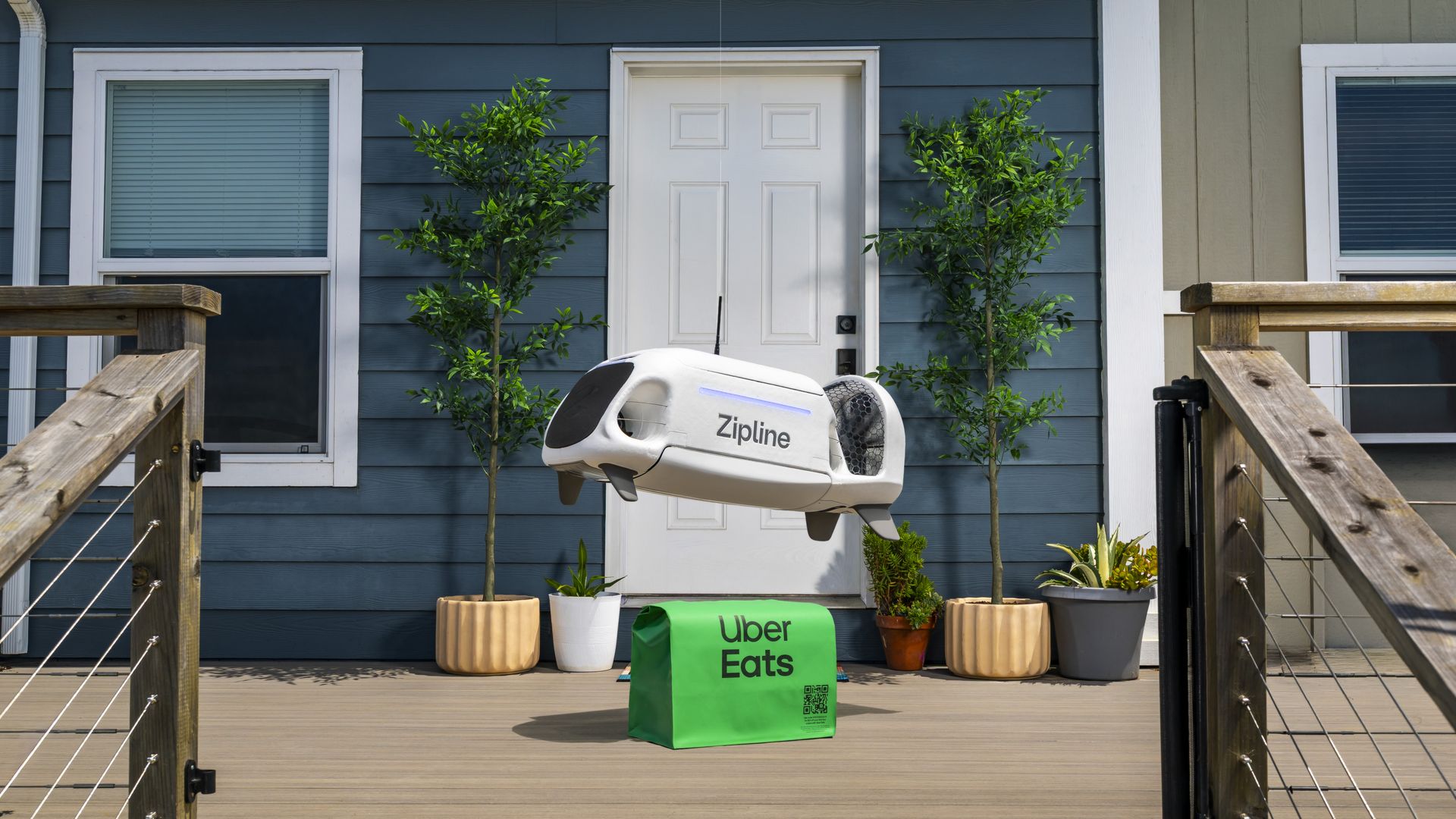
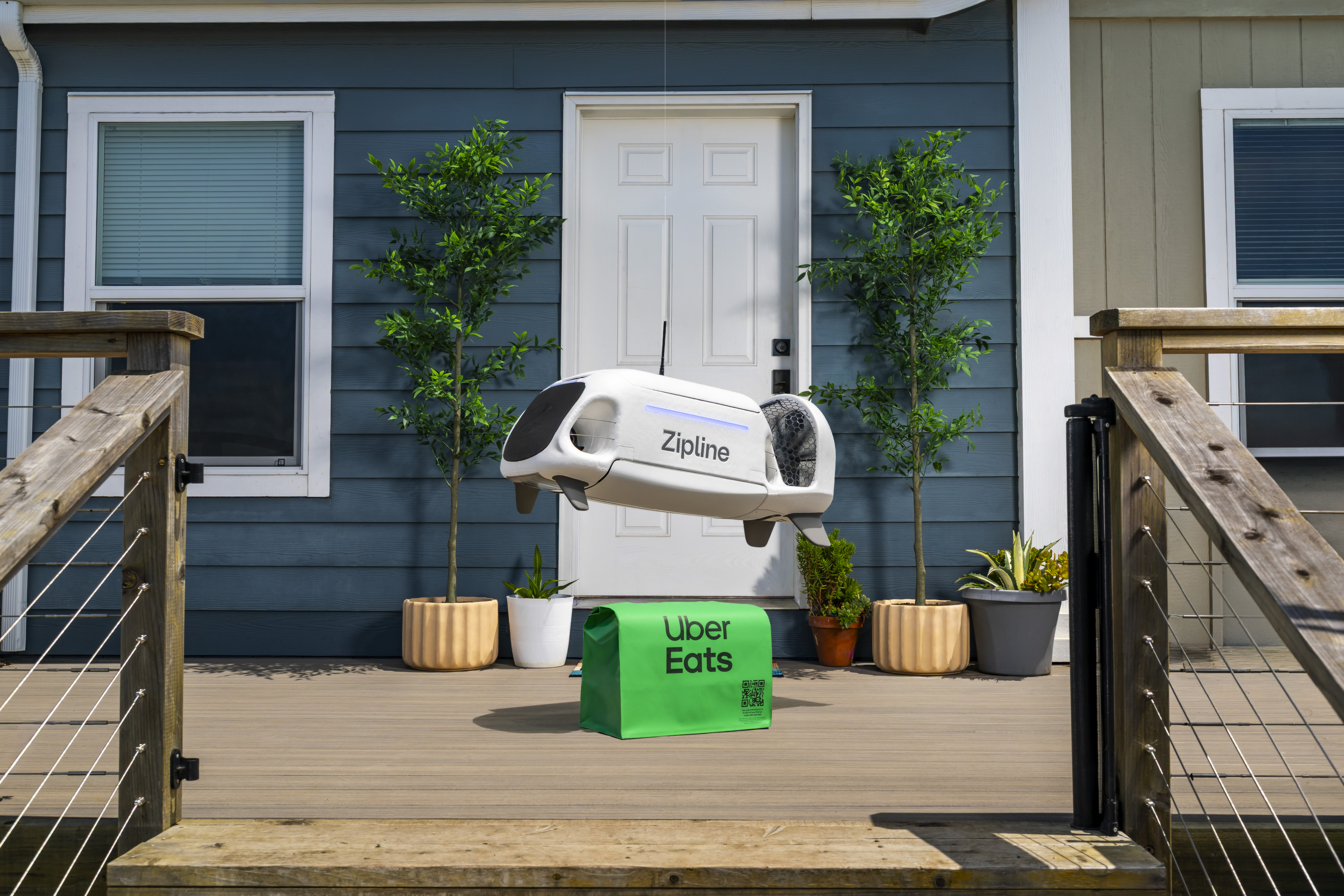
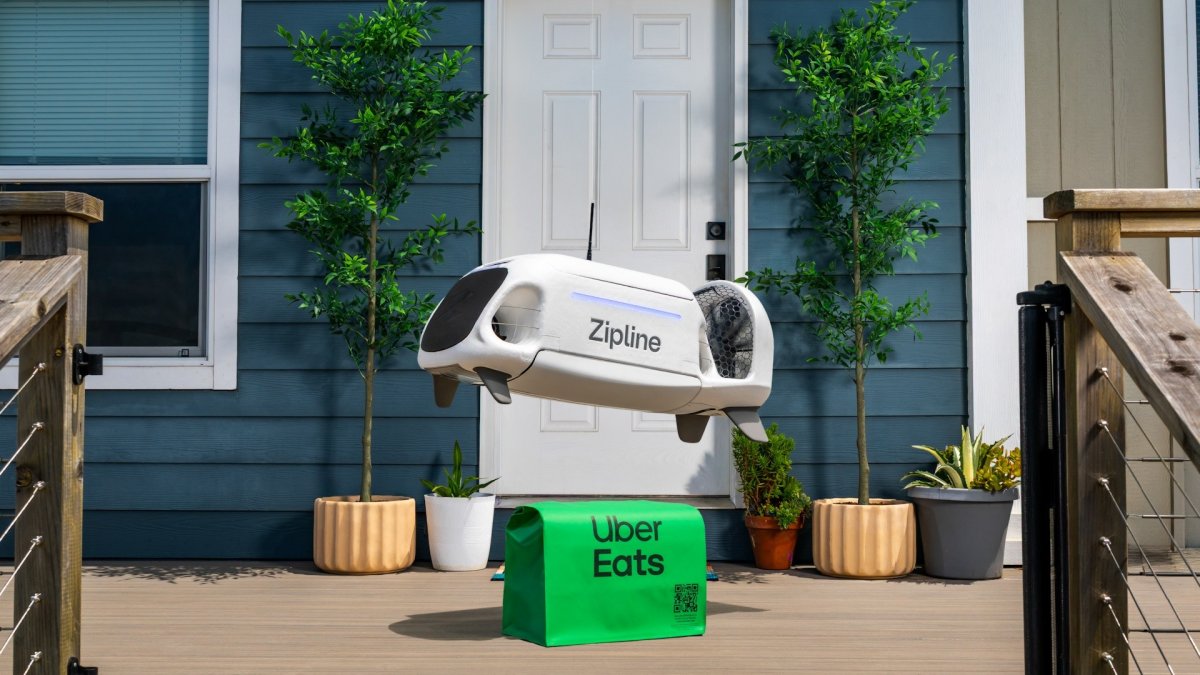
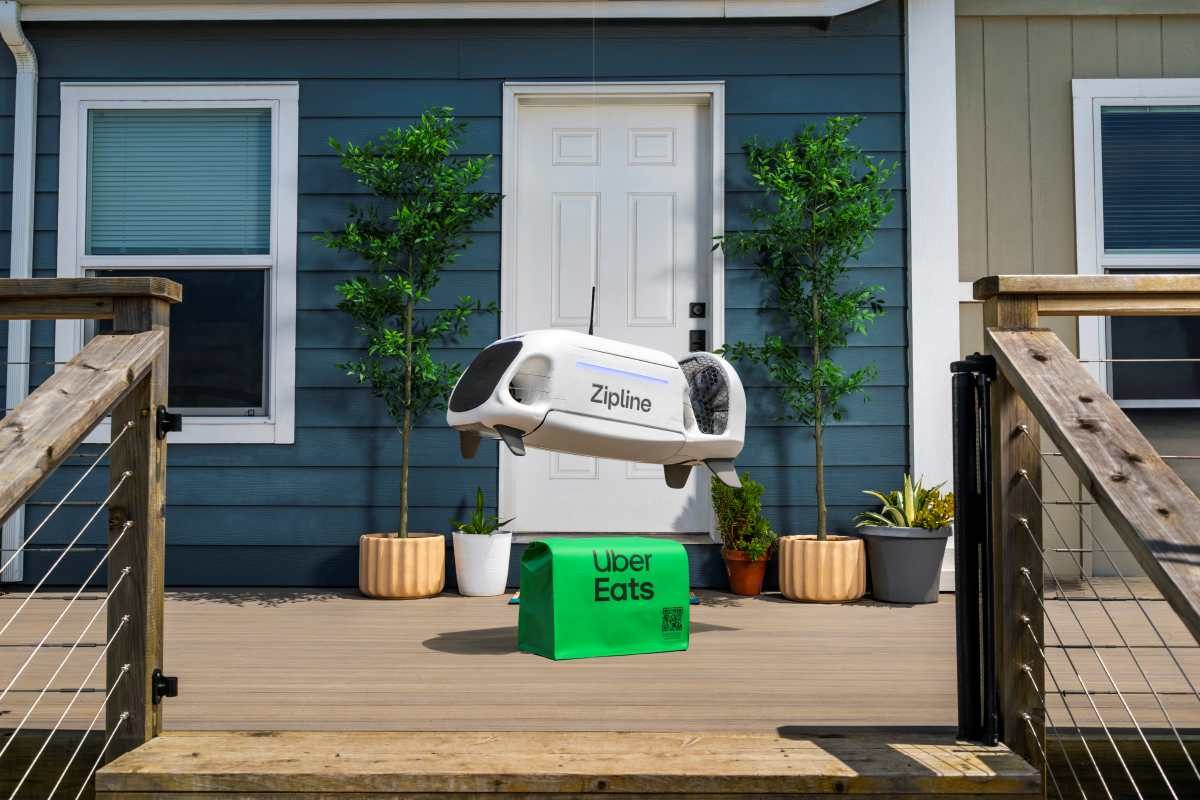
The Uber-Zipline partnership announced August 17, 2026, represents a fundamental shift in last-mile delivery economics that directly impacts e-commerce fulfillment strategies. The companies target 1 million drone deliveries daily by end of 2029, with initial launches in Houston and Dallas by year-end 2024, expanding to dozens of U.S. cities. Zipline's proven operational capability—2.7 million completed deliveries, one delivery every 20 seconds globally, 135+ million autonomous miles—combined with Uber's logistics network and Uber Eats platform integration creates a scalable infrastructure that will compress delivery times to 5-10 minutes for eligible orders.
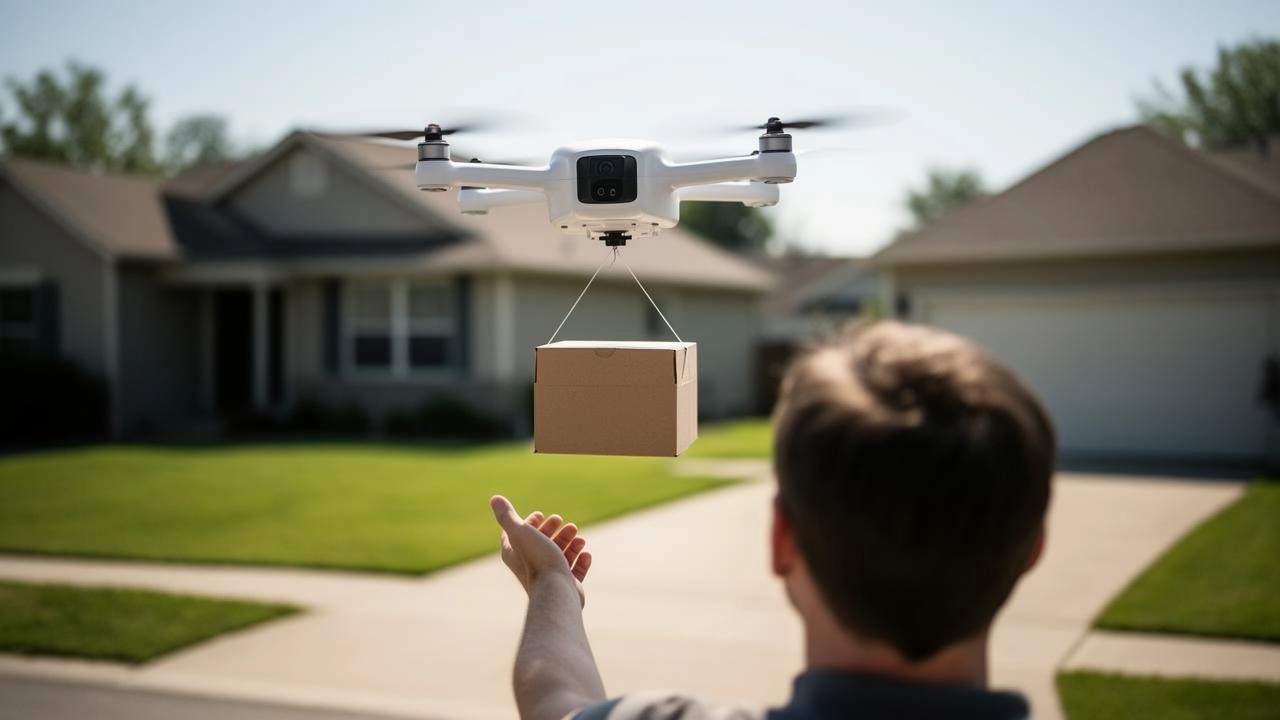
For cross-border and domestic e-commerce sellers, this partnership creates immediate cost-saving opportunities in last-mile delivery, the largest fulfillment expense for online retailers. Sellers currently pay $3-8 per package for traditional courier delivery in urban markets; drone delivery could reduce this to $1-3 per package for lightweight goods under 5 lbs, representing 40-60% cost reduction. The hybrid delivery model—combining drones, sidewalk robots, and couriers—enables sellers to offer ultra-fast fulfillment options that improve customer satisfaction and competitive positioning. However, sellers must immediately adapt packaging standards to meet drone weight constraints (typically 2-5 lbs per package), fragility requirements, and address limitations. Products ideal for drone delivery include: small electronics accessories, beauty/cosmetics, vitamins/supplements, small apparel items, and quick-commerce groceries. Categories unsuitable include: large furniture, heavy tools, fragile glassware, and items requiring signature confirmation.
Warehouse positioning strategy must shift toward drone-enabled fulfillment centers located within 5-10 mile radius of customer density in Houston, Dallas, and future expansion cities. Current FBA warehouse locations optimized for 2-day delivery become less critical; instead, sellers should evaluate 3PL providers establishing micro-fulfillment centers in drone-enabled zones. Inventory strategy changes: stock 30-45 days of fast-moving SKUs (electronics accessories, beauty, vitamins) in drone-enabled cities; liquidate slow-moving inventory in traditional warehouses before Q1 2025 to free capital. The competitive landscape intensifies as Amazon Prime Air targets 30 million customers by year-end with 500 million packages by decade's end, and Google Wing operates 620+ U.S. markets through Walmart/DoorDash partnerships. Sellers not positioned in drone-enabled markets by Q2 2025 risk losing competitive advantage in quick-commerce segments where delivery speed drives conversion rates 25-35% higher than traditional 2-day options.
Regulatory and compliance considerations emerge as drone delivery scales. The FAA's Part 107 regulations currently limit drone operations to line-of-sight, below 400 feet, and daylight hours. Zipline's partnership with Uber signals regulatory approval acceleration, but sellers must monitor local airspace restrictions, noise ordinances, and emerging drone delivery compliance requirements. Packaging must meet new standards: reinforced boxes for aerial transport, GPS tracking integration, and weather-resistant materials. Sellers should budget $0.15-0.35 per package for drone-compliant packaging versus $0.05-0.10 for standard packaging—a 200-300% increase that compresses margins unless offset by reduced delivery costs.
Questions 7
What is the timeline for drone delivery expansion and when should I act?
Zipline drone deliveries launch in Houston and Dallas by year-end 2024, with expansion to dozens of U.S. cities planned through 2029, targeting 1 million daily deliveries by end of 2029. Initial phase (2024-2025): Houston, Dallas, and 5-10 additional cities. Expansion phase (2025-2027): 50+ U.S. cities. Scaling phase (2027-2029): nationwide coverage targeting 1 million daily deliveries. Sellers should act immediately: (1) audit inventory for drone-eligible SKUs by December 2024, (2) negotiate 3PL micro-fulfillment center contracts by Q1 2025, (3) implement drone-compliant packaging by Q2 2025, (4) launch drone-delivery marketing campaigns by Q3 2025. Competitive pressure intensifies as Amazon Prime Air targets 30 million customers by year-end and Google Wing operates 620+ markets. Sellers not positioned in drone-enabled cities by Q2 2025 risk losing 15-25% market share in quick-commerce segments to early adopters. The 1 million daily delivery target by 2029 represents mainstream adoption; sellers must establish drone-delivery capabilities by 2027 to remain competitive.
How do FAA drone regulations affect my packaging and compliance requirements?
FAA Part 107 regulations currently limit drone operations to line-of-sight, below 400 feet, and daylight hours. Zipline's partnership with Uber signals regulatory approval acceleration, but sellers must monitor local airspace restrictions, noise ordinances, and emerging compliance requirements. Packaging must meet new standards: reinforced boxes for aerial transport, GPS tracking integration, and weather-resistant materials. Drone-compliant packaging costs $0.15-0.35 per package versus $0.05-0.10 for standard packaging—a 200-300% increase. To offset packaging cost increases, sellers must: (1) negotiate volume discounts with packaging suppliers by Q1 2025, (2) pass 5-10% of savings to customers through drone-delivery premium pricing, (3) focus on high-margin categories (beauty, electronics) where packaging cost represents 2-4% of product price. Sellers should budget compliance monitoring costs of $500-1,500 monthly for regulatory tracking and packaging standard updates. Non-compliance risks include package rejection, delivery delays, and potential liability for airspace violations.