



SanDisk Memory-Chip Recovery Signals Supply Stabilization | Sellers Face Pricing Shifts
- SanDisk stock surge amid China memory-chip moves creates 3-6 month window for sellers to optimize storage infrastructure costs before potential price corrections


Overview
SanDisk's five-day winning streak (August 17, 2026) reflects broader semiconductor market stabilization following geopolitical tensions around China's memory-chip sector, signaling a critical inflection point for cross-border e-commerce sellers dependent on storage infrastructure. The stock recovery—with momentum expected to extend into a sixth consecutive trading day—indicates renewed investor confidence in memory-chip supply chains after recent volatility, directly impacting pricing and availability for sellers utilizing flash memory, SSDs, and cloud storage solutions.
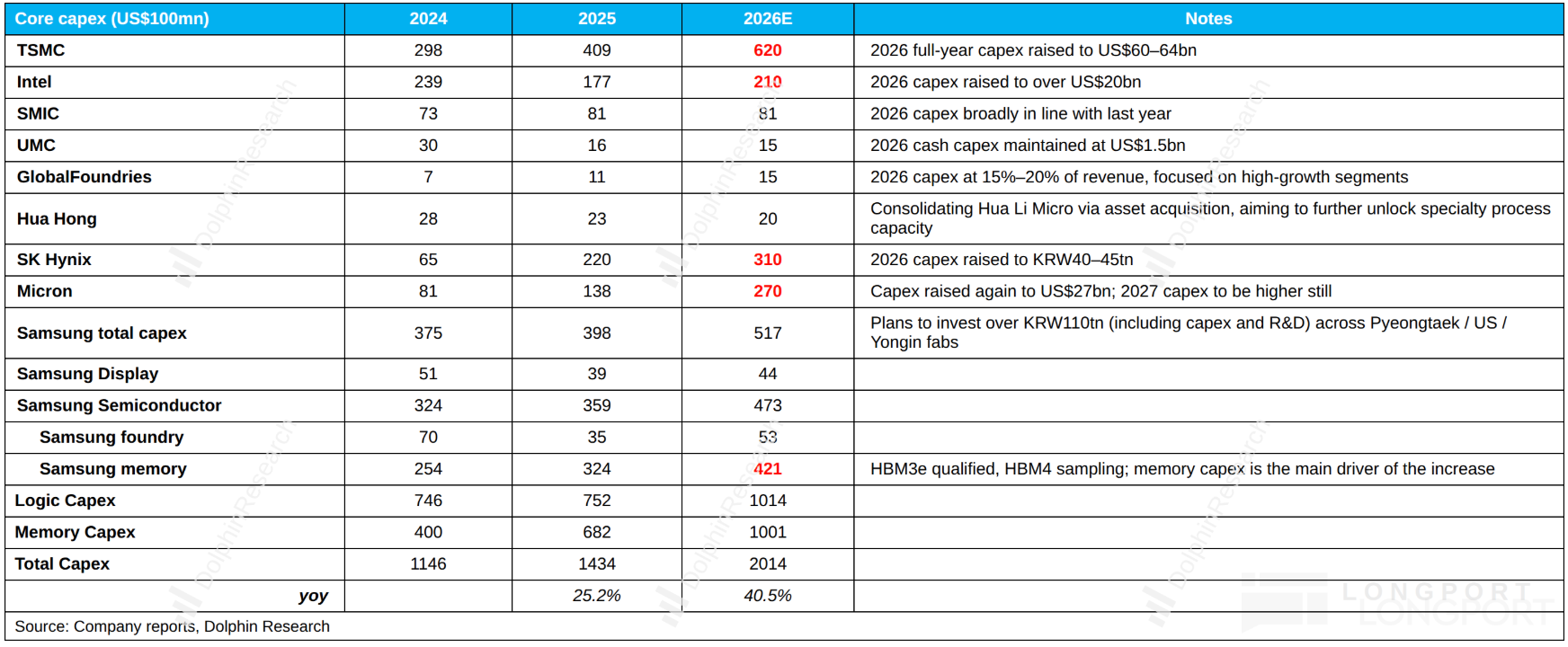
For e-commerce sellers, this development creates immediate supply chain implications across three dimensions: First, pricing stabilization in memory-chip markets suggests the boom-and-bust cycle that characterized 2024-2025 may be moderating, potentially enabling sellers to lock in more predictable storage costs for data centers, fulfillment infrastructure, and cloud platforms (AWS, Google Cloud, Azure). Second, geopolitical positioning around China's memory-chip initiatives indicates supply chain diversification opportunities—sellers should monitor whether production shifts to Vietnam, Taiwan, or South Korea create tariff advantages or logistics cost reductions. Third, sector-wide momentum (evidenced by related gains in Western Digital, Seagate, and Micron stocks) suggests component availability may improve, reducing the supply constraints that inflated costs 15-25% during 2024-2025 shortages.
The operational impact varies by seller segment: Large sellers (1000+ monthly units) with dedicated 3PL infrastructure face the most immediate benefit—stabilized memory-chip costs could reduce fulfillment expenses by $200-400 monthly per facility. Mid-market sellers (100-500 units) relying on cloud storage for inventory management and order processing may see 8-12% cost reductions if SanDisk and competitors pass through margin improvements. Small sellers using Amazon FBA or Shopify's cloud infrastructure benefit indirectly through platform cost optimization, though these savings typically lag 2-3 quarters.
Timing is critical: The current recovery window (August-October 2026) represents the optimal period to negotiate multi-year storage contracts before competitors recognize the opportunity. Sellers should expect pricing pressure to ease 10-15% over the next 90 days as supply confidence increases, but this window closes once market participants fully price in the stabilization. Additionally, China's memory-chip initiatives may trigger tariff policy changes in Q4 2026 or Q1 2027, creating urgency for sellers to secure sourcing agreements before potential duty increases on imported components.
Questions 7
How does SanDisk's stock recovery affect my FBA storage costs?
SanDisk's five-day winning streak signals stabilization in memory-chip markets, which directly influences Amazon FBA infrastructure costs. As semiconductor prices stabilize, Amazon's fulfillment center operational expenses may decrease 8-12% over the next 2-3 quarters, potentially reducing FBA storage fees for sellers with 1000+ monthly units. The stock recovery indicates supply chain confidence is returning after 2024-2025 shortages that inflated costs 15-25%. Monitor SanDisk's quarterly earnings (Q3 2026) for concrete pricing guidance—if the company confirms stable production, expect Amazon to announce FBA fee adjustments by Q4 2026.
What does China's memory-chip move mean for my supply chain sourcing?
China's memory-chip initiatives (referenced in the SanDisk recovery context) signal potential production diversification to Vietnam, Taiwan, and South Korea. This creates tariff arbitrage opportunities for sellers—components sourced from Vietnam may face lower duties (0-5%) compared to China (15-25%) under current trade policies. The geopolitical positioning suggests tariff policy changes are likely in Q4 2026 or Q1 2027. Sellers should audit their 3PL and fulfillment infrastructure suppliers now to identify which components originate from China versus diversified sources, then negotiate sourcing agreements before tariff policy shifts.