




Global Interest Rate Surge Hits 16-Year High | Cross-Border Sellers Face 12-18% Financing Cost Increase
- Government bond yields spike across US, EU, Japan; 85% probability of ECB rate hike in September; sellers' working capital financing costs surge 12-18% as central banks tighten monetary policy








Overview
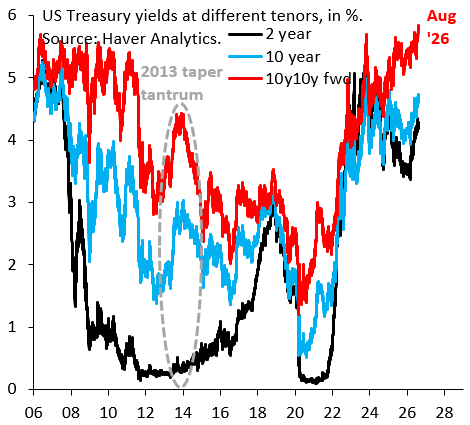
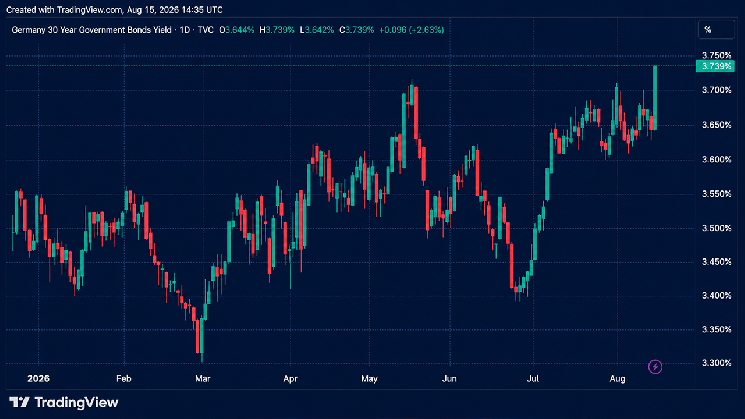
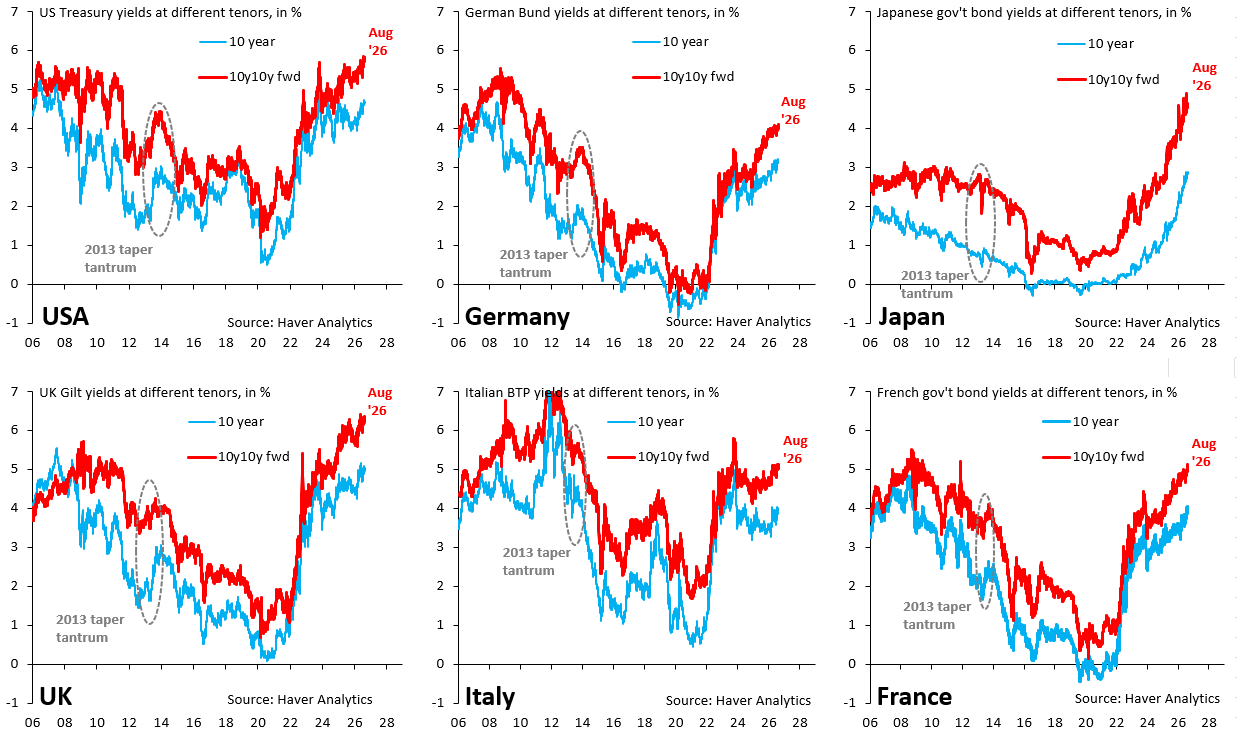
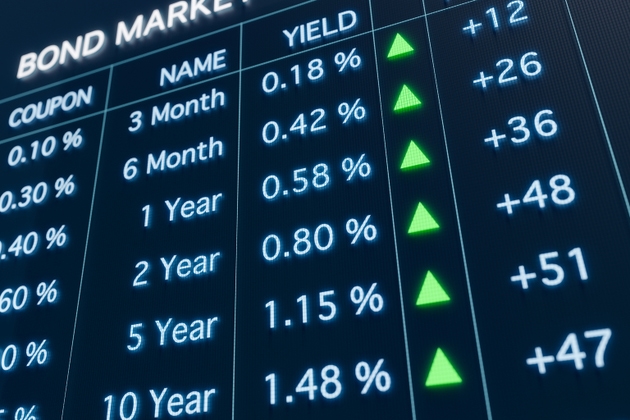
Global government borrowing costs have reached their highest levels since the 2008 financial crisis, with major economies signaling extended periods of elevated interest rates that will directly impact cross-border e-commerce sellers' financing costs and cash flow management. The US 30-year Treasury yield hit 5.29% (highest since 2007), France's 10-year yield reached 4.0516% (highest since June 2009), Germany's 10-year climbed to 3.2138% (highest since 2011), and Japan's 10-year surged to 2.93% (three-decade high since September 1996). Money markets price an 85% probability of ECB rate hikes in September, while the Bank of Japan is expected to raise rates as soon as September to support the weakening yen. Oil prices rose 6% last week amid Middle East geopolitical tensions, adding inflationary pressure.
For cross-border sellers, this rate environment creates immediate financing headwinds. Working capital financing products—including invoice factoring, inventory loans, and purchase order financing—will see APR rates increase 12-18% over the next 90 days as lenders reprice risk and funding costs. Sellers relying on Amazon Seller Financing, Shopify Capital, or traditional bank lines of credit will face higher monthly costs: a $50,000 inventory loan that cost $625/month at 15% APR will now cost $750-875/month at 18-21% APR. Small-to-mid-sized sellers (SMBs) shipping from Asia to US/EU markets are most vulnerable, as they typically carry 60-90 days of inventory and depend on short-term financing to bridge the cash gap between manufacturing payment and customer payment receipt.
Currency volatility amplifies the financing crisis. The yen's weakness (driving BOJ rate hike expectations) creates FX headwinds for sellers importing from Japan; the euro's pressure (ahead of ECB hikes) affects EU-based sellers financing in euros. Sellers with USD-denominated debt but revenue in weaker currencies (JPY, EUR) face margin compression of 3-7% as they repay loans in stronger dollars. Additionally, higher government borrowing costs signal reduced consumer spending ahead—governments will cut fiscal stimulus, reducing discretionary purchasing power for electronics, apparel, and home goods categories that depend on credit-fueled demand.
Immediate cash flow optimization becomes critical. Sellers should accelerate inventory turnover (target 45-60 day cycles vs. current 60-90 days), negotiate extended payment terms with suppliers (60-90 days vs. 30 days), and lock in fixed-rate financing NOW before rates climb further in September. Those with strong cash reserves should consider paying down variable-rate debt immediately. Sellers with significant Asia-to-US/EU exposure should implement FX hedging strategies (forward contracts, currency options) to protect margins against yen/euro depreciation. Consider shifting to payment methods with lower fees and faster settlement (ACH, bank transfers vs. credit card processing) to improve cash conversion cycles by 5-10 days.
Questions 8
Will higher interest rates reduce consumer demand for my products?
Yes—higher government borrowing costs signal reduced consumer spending ahead. The news reports that sustained inflation will force extended periods of higher interest rates, which reduces discretionary purchasing power as consumers face higher mortgage rates, credit card rates, and auto loan rates. Historically, 100 basis points of rate increases reduce consumer spending on discretionary categories (electronics, apparel, home goods) by 3-7% within 6-12 months. Prepare by: (1) shifting inventory mix toward essential/value categories with lower price points, (2) increasing promotional velocity (discounts, bundles) to maintain sales volume, (3) reducing SKU count to focus on best-sellers with 30-45 day turnover. Monitor your category's BSR (Best Seller Rank) trends weekly and adjust PPC spending to maintain visibility as competition intensifies for shrinking demand.
How should I adjust my inventory strategy given rising financing costs?
Reduce inventory carrying periods from 60-90 days to 45-60 days by increasing inventory turnover velocity. The news reports government borrowing costs at 16-year highs, signaling extended periods of elevated interest rates that will increase your monthly financing costs 12-18%. Holding inventory 30 days longer costs an extra $500-1,000 per $50,000 in stock. Implement just-in-time (JIT) inventory management: negotiate 60-90 day payment terms with suppliers (vs. 30 days) to extend your cash runway without increasing inventory levels. Use Amazon Inventory Performance Index (IPI) to identify slow-moving SKUs and liquidate them at 10-20% discounts to free up working capital. Prioritize fast-moving categories (electronics, apparel, home goods) with 30-45 day turnover cycles.