




Best Buy 60th Anniversary Sale Drives Competitive Pricing Pressure on Electronics | Seller Strategy Guide
- Major U.S. retailer slashes prices 30-52% across gaming, appliances, and consumer electronics through August 23, 2026; signals aggressive inventory clearance ahead of fall product launches and holiday season






Overview
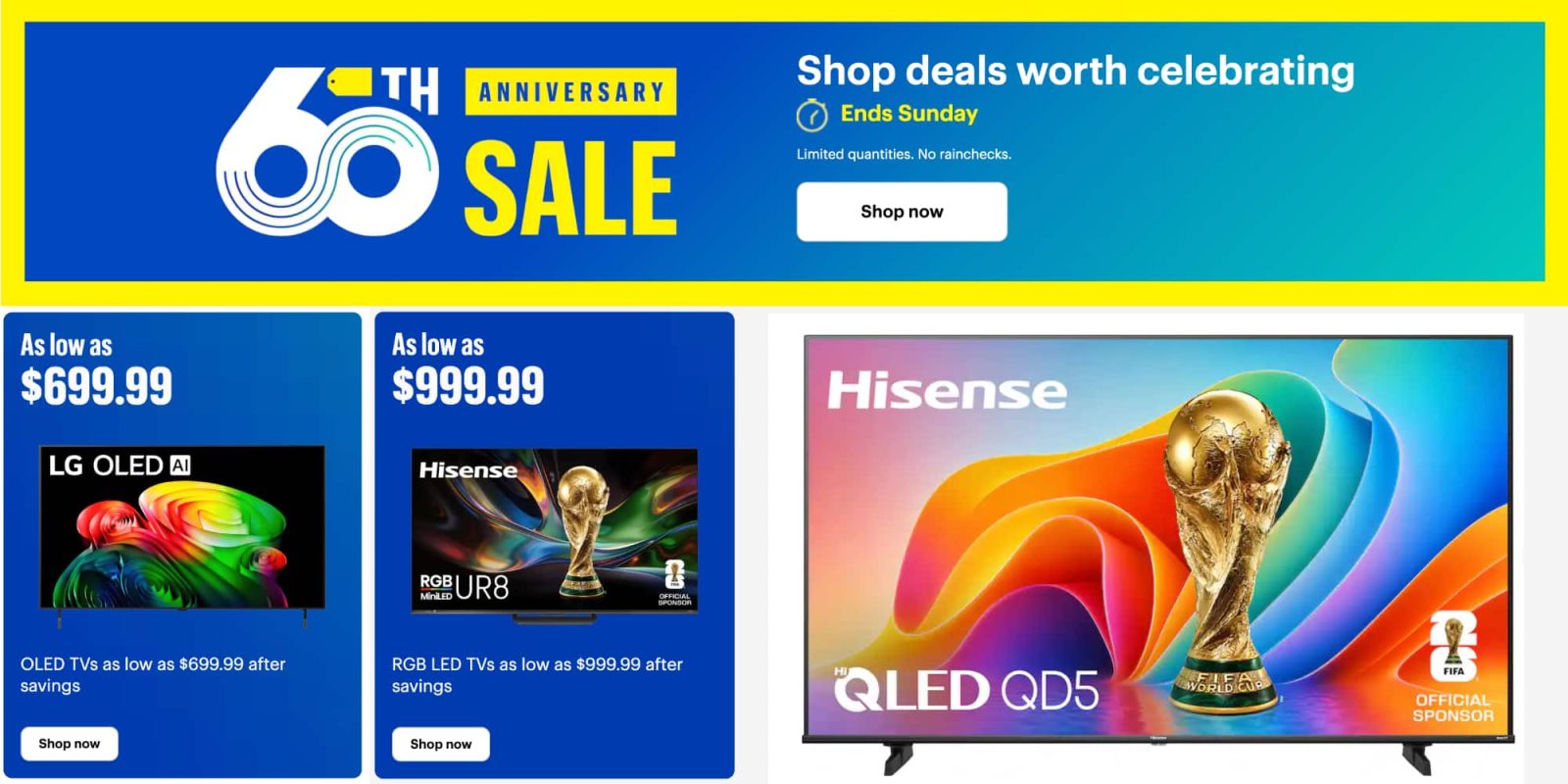
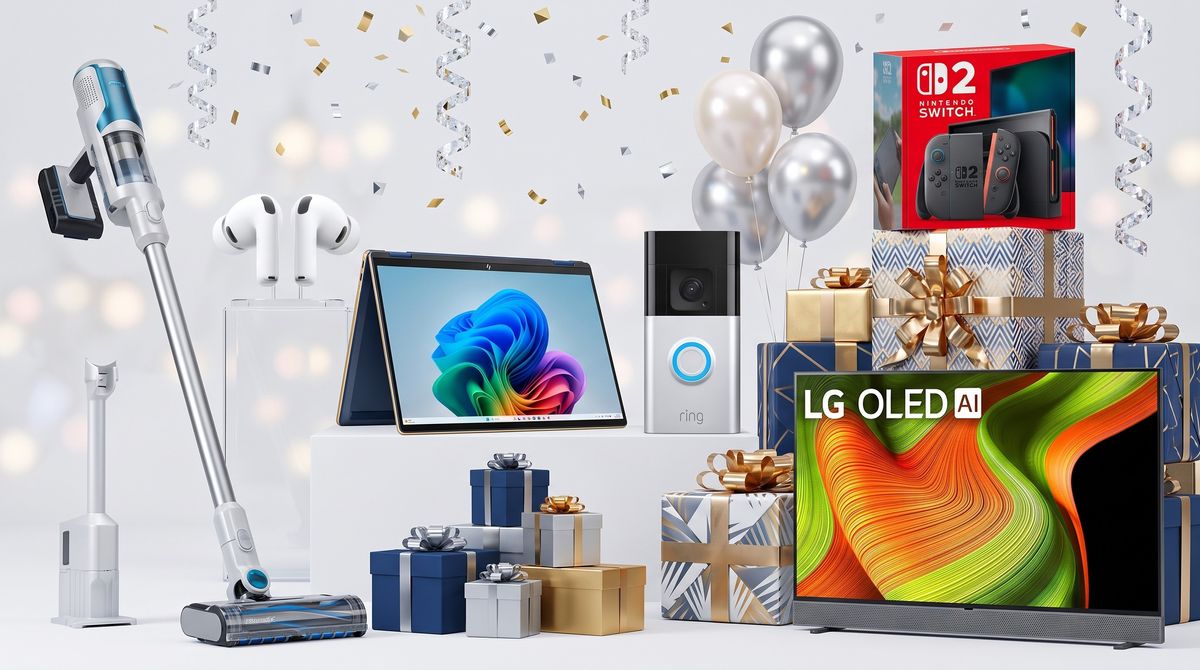
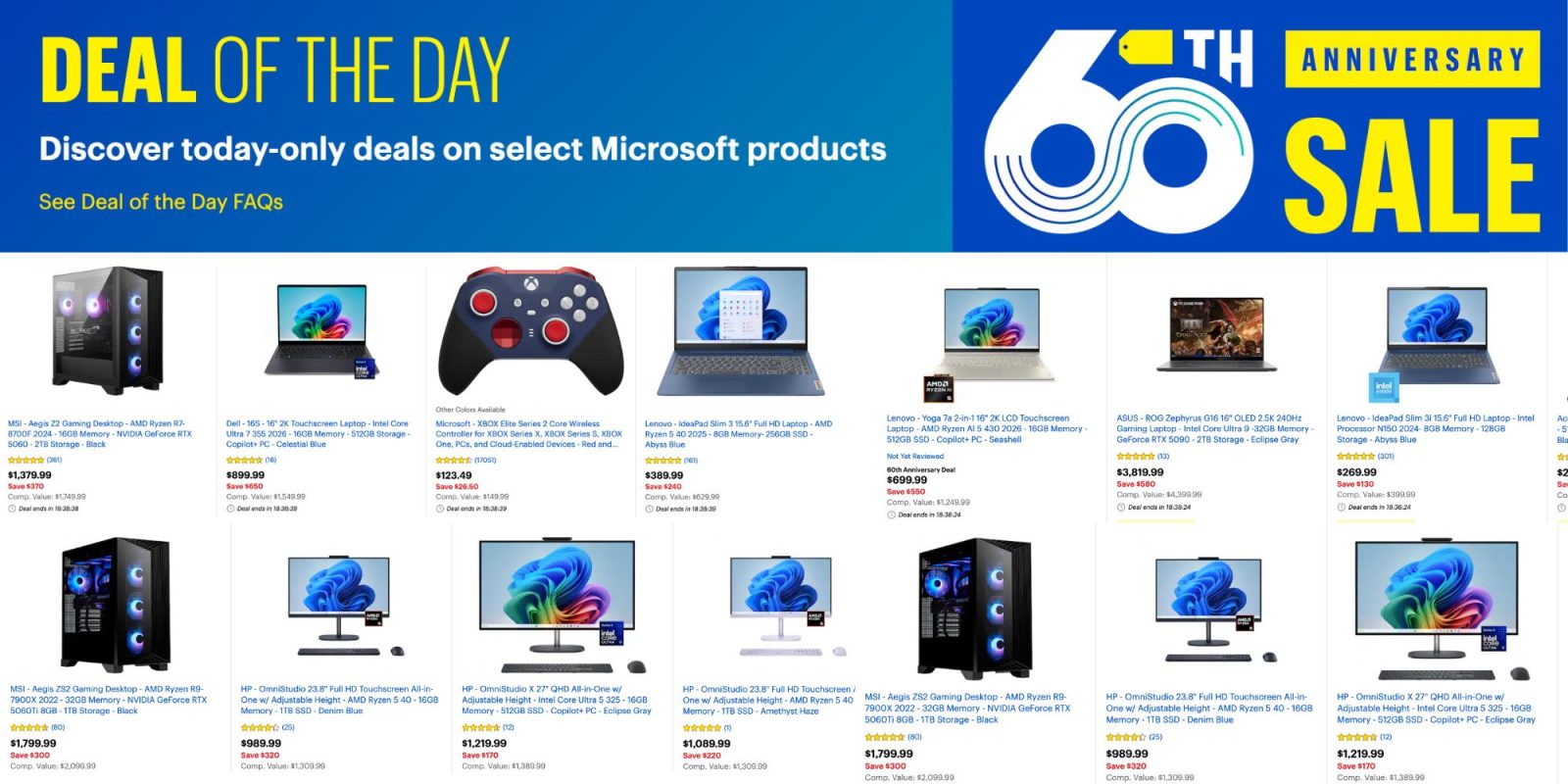
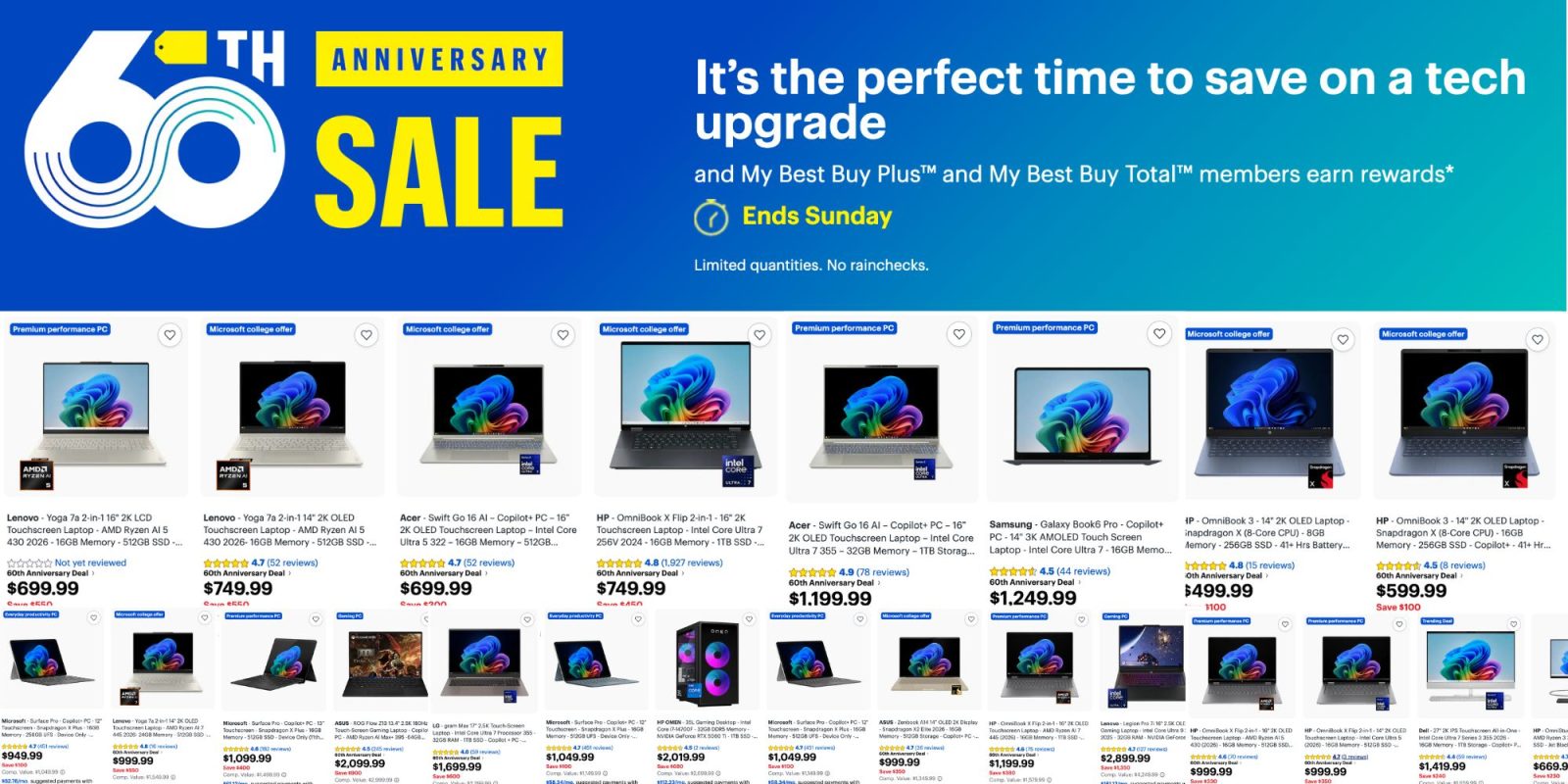
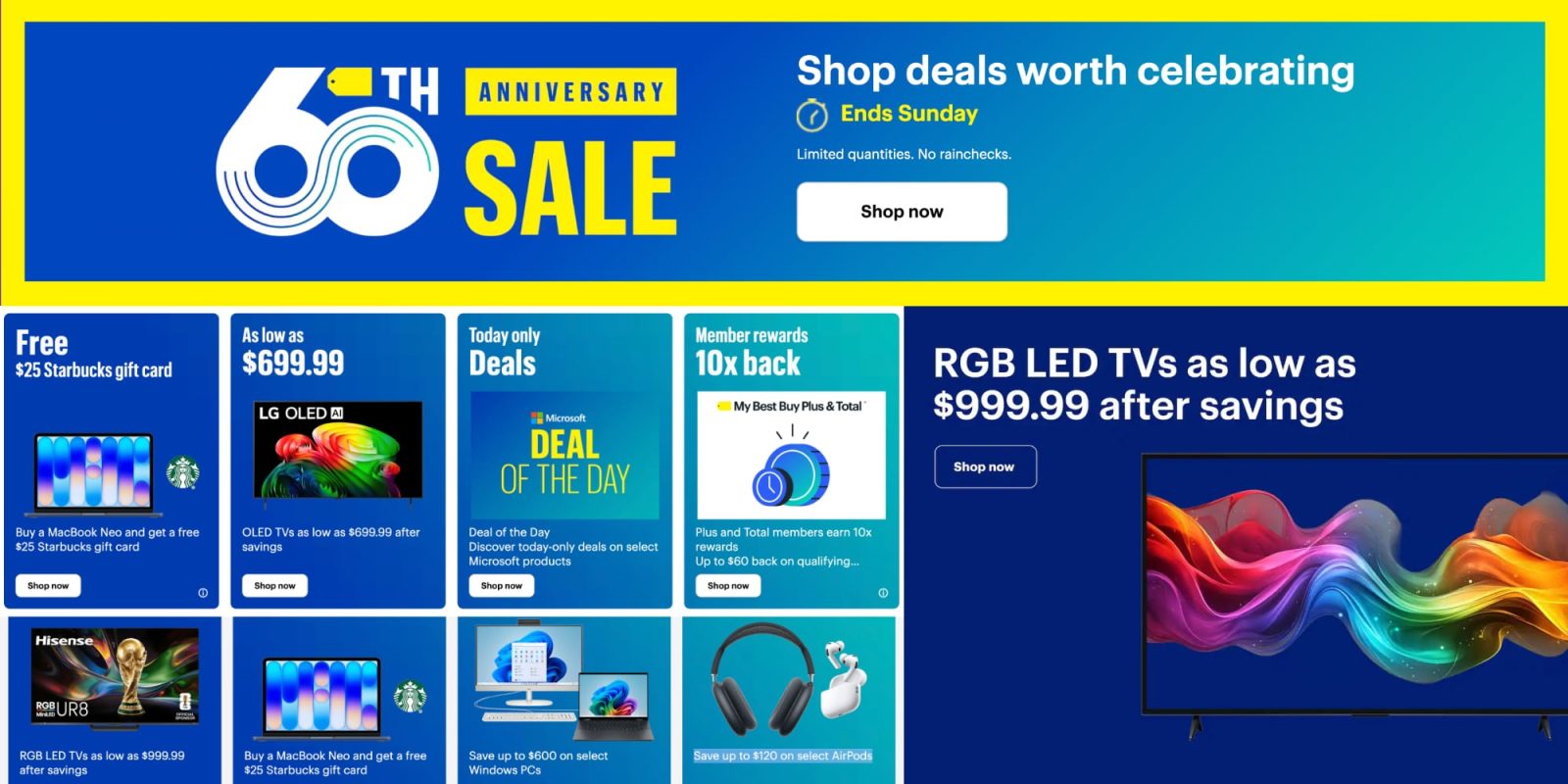
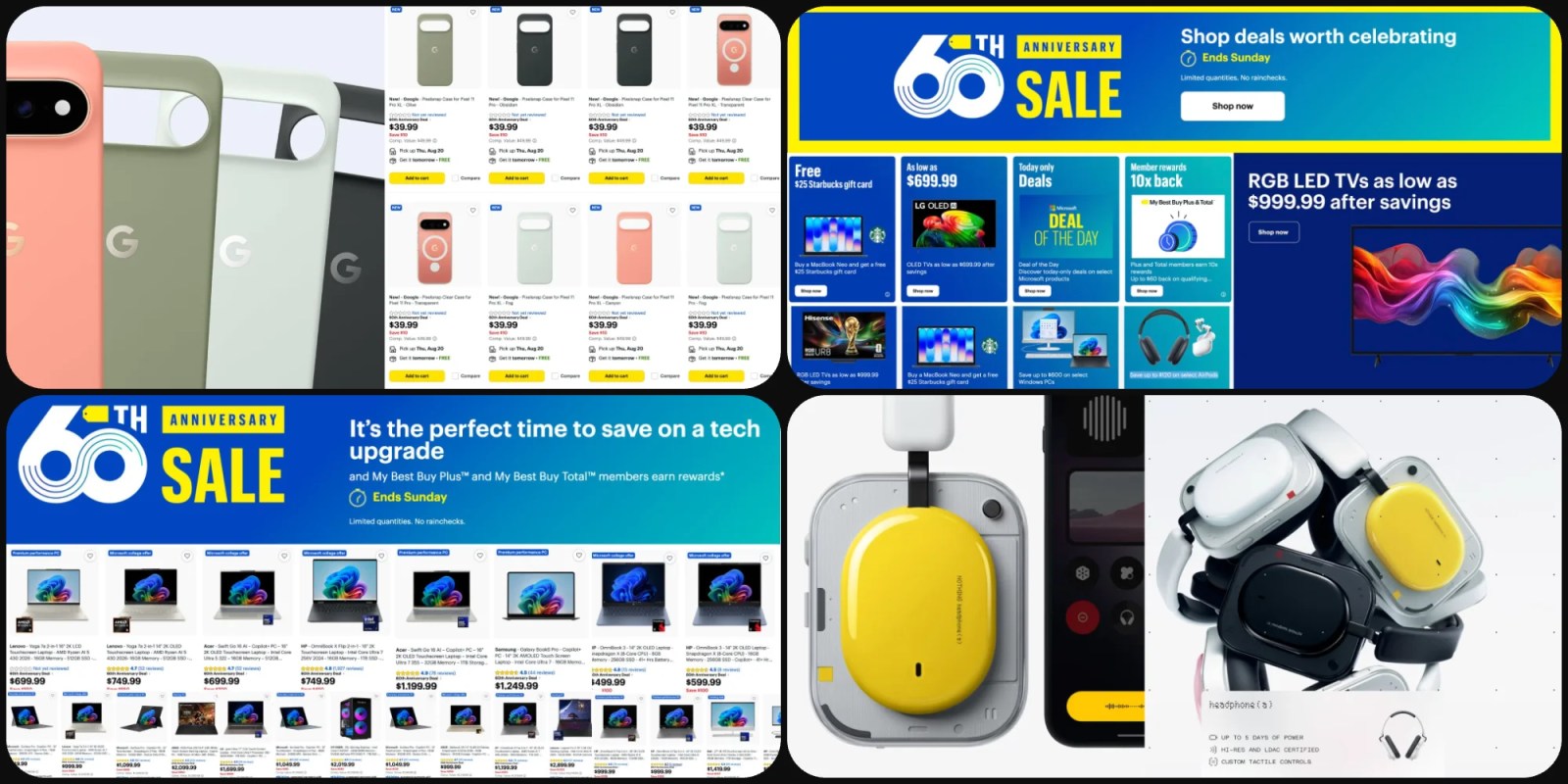
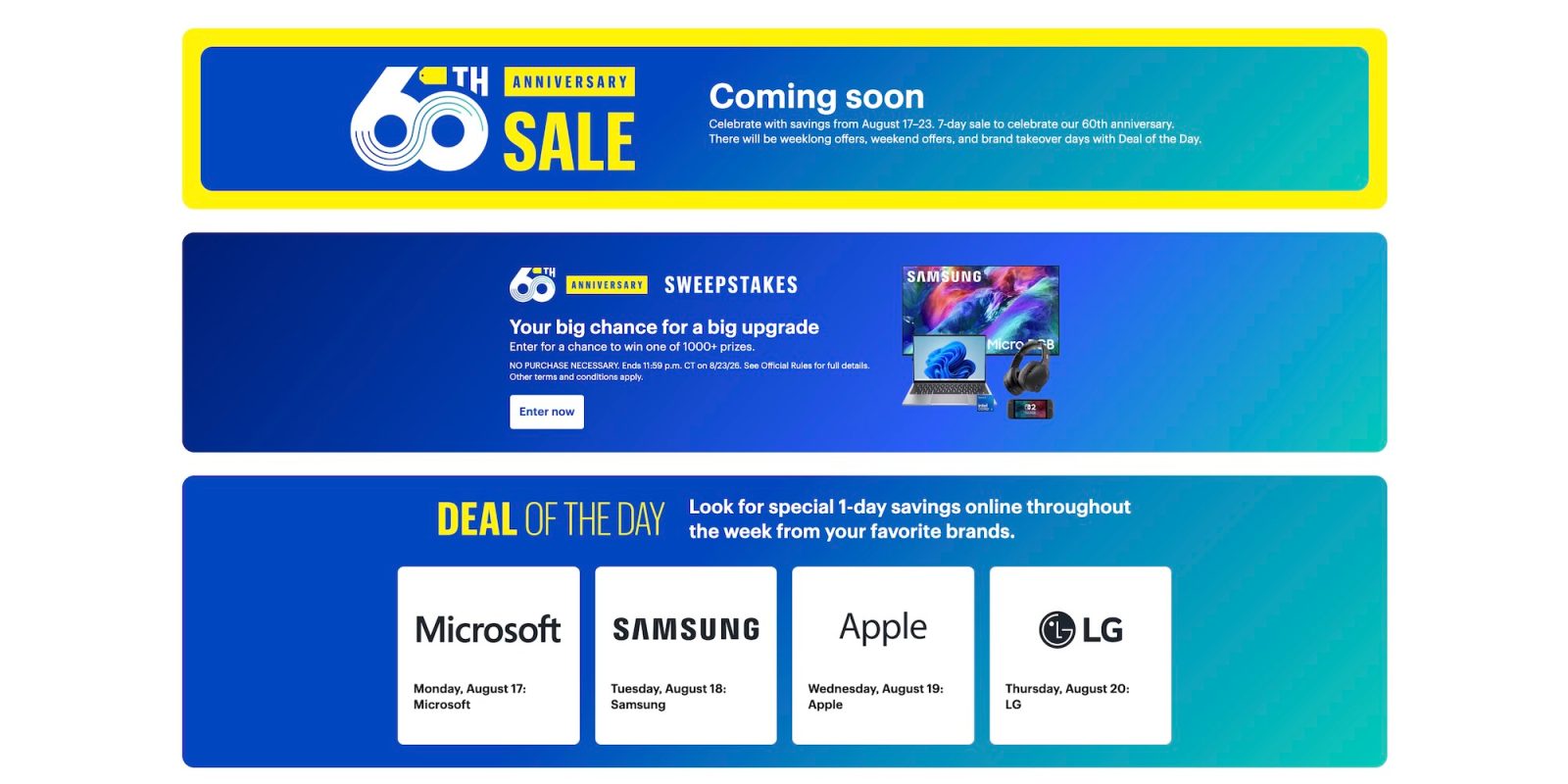
Best Buy's 60th Anniversary Sale (August 16-23, 2026) represents a critical competitive intelligence event for cross-border e-commerce sellers targeting the U.S. electronics market. The week-long promotional event features aggressive discounting across multiple high-demand categories: gaming titles (Star Wars Outlaws PS5 at $12, Final Fantasy 7: Rebirth Switch 2 at $34.99), premium appliances (up to 50% off small appliances), consumer electronics (58-inch Hisense QD50 4K TV reduced from $400 to $190, representing 52.5% discount), and Apple products (AirPods Pro 3 at $189.99, MacBook Neo bundles with $25 Starbucks gift cards, Windows PCs discounted up to $600). The sale demonstrates major retailers' willingness to accept compressed margins during summer inventory clearance periods, signaling that mid-August represents a critical pricing pressure window for sellers competing in these categories.
For cross-border sellers, this event reveals three critical market dynamics: First, gaming and collectibles categories show exceptional demand elasticity—Best Buy's aggressive pricing on video games (including exclusive bundled merchandise like Magic: The Gathering cards) indicates these categories drive traffic and customer acquisition during slower retail periods. Second, bundled incentive strategies are becoming standard competitive tactics—the integration of Starbucks gift cards with MacBook purchases demonstrates retailers combining multiple value propositions to enhance perceived deal value, a strategy sellers should replicate through Amazon bundles, Shopify product combinations, or marketplace cross-promotions. Third, the timing signals inventory management urgency—Best Buy's scale of discounting (up to $600 off Windows PCs, $210 off televisions) suggests retailers are aggressively clearing stock ahead of fall product launches (new gaming consoles, updated laptop models) and holiday season preparation, creating a 4-6 week window where consumer demand shifts toward clearance merchandise rather than full-price items.
The operational impact for sellers is immediate and measurable. Sellers competing directly with Best Buy in electronics, gaming, and appliances categories face 30-52% price compression during this promotional window. Amazon sellers in these categories should expect increased competitive pressure on Buy Box pricing, with Best Buy's published prices serving as reference points for Amazon's algorithm-driven pricing recommendations. Sellers using dynamic pricing tools will see downward pressure on recommended price points. Additionally, the exclusive online-only distribution (Best Buy's promotion runs exclusively through their online store) indicates major retailers are consolidating promotional traffic to owned channels rather than marketplace distribution, reducing third-party seller visibility during peak shopping windows. The bundling strategy also creates margin compression for sellers offering standalone products—consumers comparing Best Buy's bundled MacBook + $25 gift card offer against standalone MacBook listings will perceive standalone offerings as inferior value propositions.
Strategic implications extend beyond direct price competition. The sale's emphasis on gaming, collectibles, and tech accessories reveals consumer preference patterns during summer months—categories showing strong performance in Best Buy's promotion (Magic: The Gathering, Lego Creator sets, gaming peripherals) represent underutilized opportunities for sellers on Amazon, eBay, and Shopify who can source complementary products at lower costs. The timing (mid-August, 6 weeks before fall product launches) creates a specific arbitrage window: sellers can identify products experiencing demand spikes during Best Buy's sale, source inventory at clearance prices from liquidation channels, and resell on marketplaces during the 4-6 week window before new product launches compress margins further. Historical patterns show similar retail events drive 15-25% increases in category-level search volume on Amazon and Google Shopping during promotional periods, creating keyword arbitrage opportunities for sellers willing to increase PPC spend during this window.
Questions 7
How should sellers adjust their PPC and marketing strategies during this promotional window?
Best Buy's promotion creates a 7-day high-intensity competitive window (August 16-23) followed by 2-3 weeks of elevated competitive pressure. Sellers should implement a three-phase PPC strategy: (1) Pre-promotion phase (August 1-15): Reduce PPC spend in directly competitive categories; shift budget to complementary products (gaming accessories, tech peripherals) where demand will spike; (2) Promotion phase (August 16-23): Increase PPC spend 20-30% in gaming and collectibles categories to capture elevated search volume; focus on long-tail keywords ('gaming accessories under $50,' 'collectible card game bundles') where competition is lower; (3) Post-promotion phase (August 24-September 15): Maintain elevated PPC spend as demand remains elevated; gradually reduce spend as new product launches compress margins further. Expected CAC (Customer Acquisition Cost) increases 15-25% during promotion phase due to higher CPC costs and increased competition. Sellers should prepare for CPC increases of $0.15-0.35 per click in gaming categories during August 16-23. Recommended approach: allocate 30-40% of monthly PPC budget to August 16-30 window, focusing on high-intent keywords with lower competition (product-specific searches, bundle queries) rather than broad category terms where Best Buy dominates.
What is the expected impact on seller margins during Best Buy's promotional window?
Sellers competing directly in electronics, gaming, and appliances categories should expect 15-25% margin compression during August 16-23, with spillover effects extending 2-3 weeks post-promotion. For example, a seller with 40% gross margin on a gaming title might see effective margins compress to 30-32% as Amazon's algorithm recommends lower prices to match Best Buy's competitive offers. The impact varies by category: gaming shows highest pressure (25-35% compression) due to Best Buy's aggressive video game pricing; appliances show moderate pressure (15-20% compression); consumer electronics show variable pressure (10-30% depending on specific product). Sellers should prepare for this by: (1) pre-positioning inventory before August 16 to capture full-price sales; (2) identifying lower-cost sourcing channels to maintain margins at reduced price points; (3) shifting marketing spend to higher-margin categories during the promotional window; (4) planning inventory clearance strategies for August 24+ when Best Buy's promotion ends and pricing normalizes. Historical data shows margins typically recover 5-10% within 1-2 weeks post-promotion as competitive pricing pressure eases.