

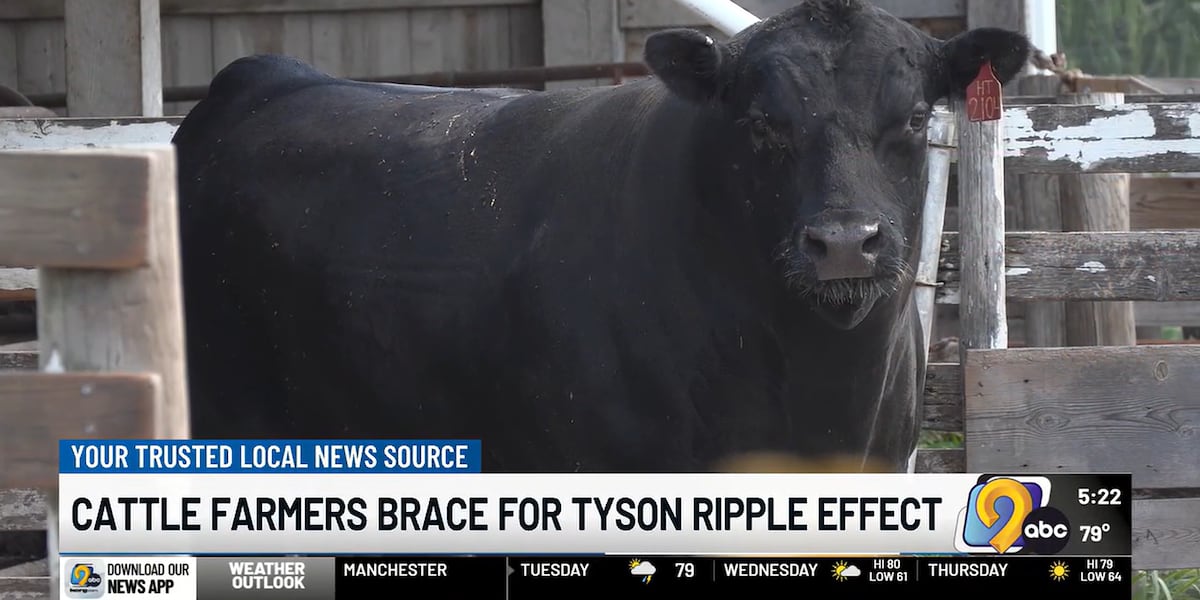



Tyson Foods Plant Closures Trigger Beef Supply Crisis | Logistics & Sourcing Opportunities for Food Sellers
- Multi-decade cattle shortage forces 3,200+ layoffs and facility consolidation; beef prices expected to surge 15-25% through 2025, creating 12-24 month supply chain disruption window for cross-border food exporters and specialty meat retailers






Overview
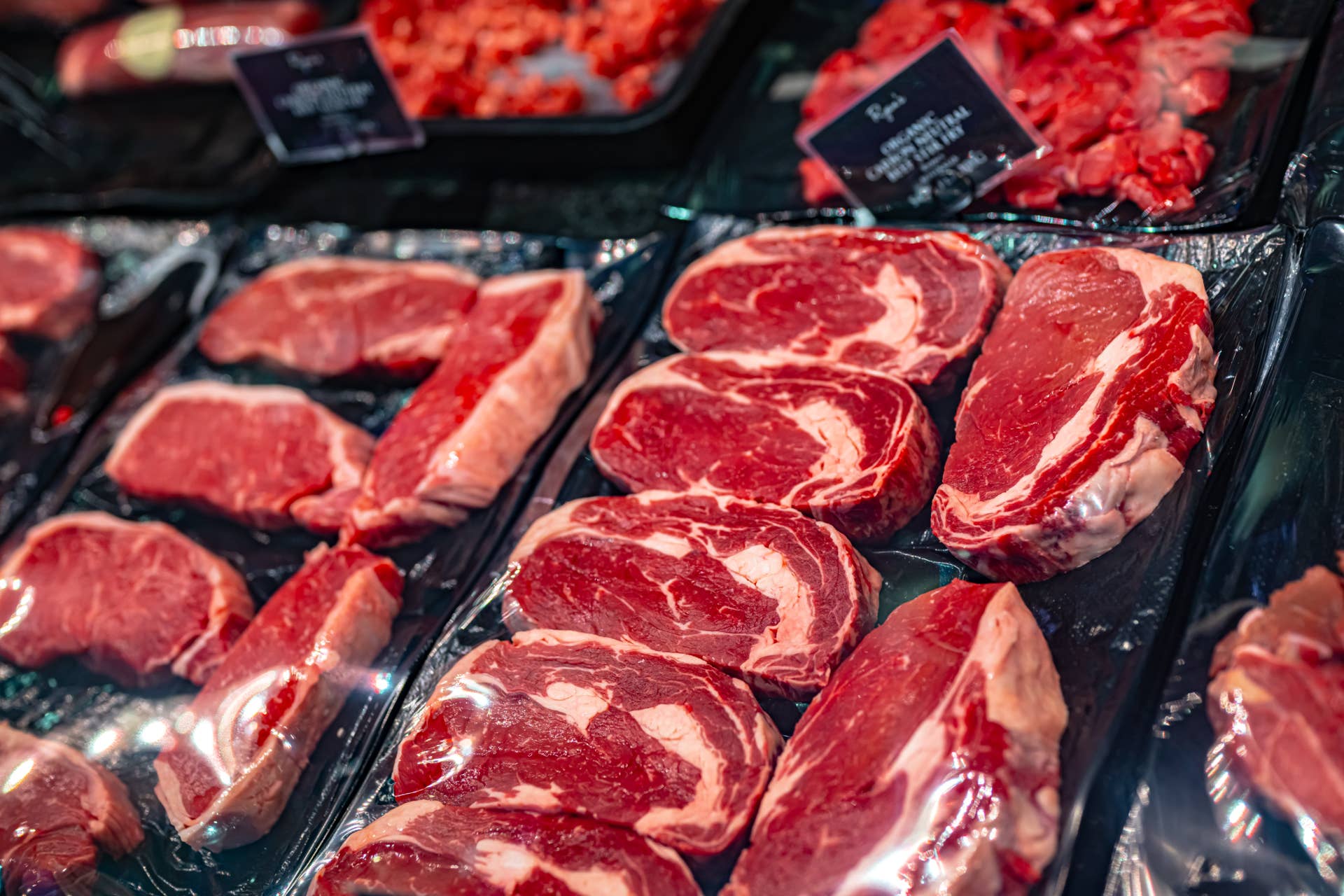
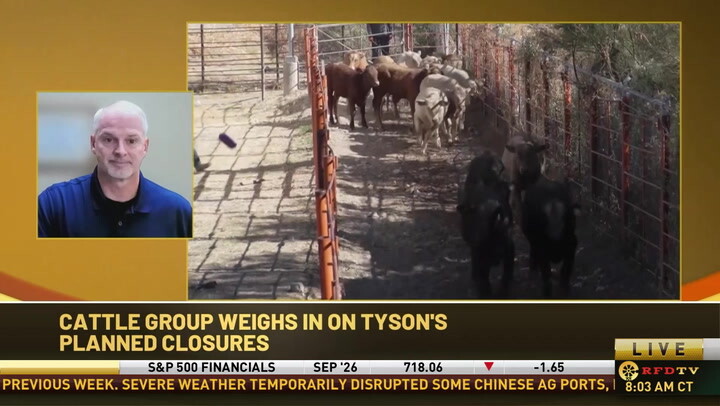
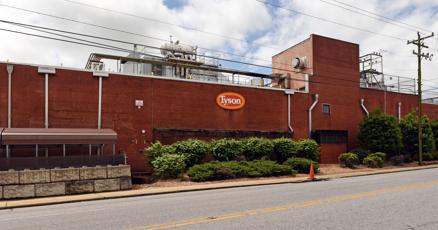
Tyson Foods' announcement of significant beef plant closures amid historic cattle shortages represents a critical supply chain inflection point for cross-border food sellers and logistics operators. The company is closing multiple production facilities, resulting in 3,200+ layoffs including the Eagle Mountain, Utah facility (723 jobs, effective October 2026), as cattle inventory reaches multi-decade lows. Industry analysts project the cattle shortage cycle will persist 12-24 months, with beef prices experiencing volatility through 2025. This consolidation fundamentally reshapes sourcing economics for food exporters, specialty meat retailers, and prepared food sellers operating on Amazon Fresh, Instacart, and international marketplaces.
From a logistics perspective, the plant closures create immediate cost-saving opportunities through route optimization and carrier consolidation. With reduced domestic processing capacity, cross-border food exporters can now negotiate better rates with ocean freight carriers serving South American beef suppliers (Argentina, Brazil) to US ports. Current landed costs for imported beef show 8-12% advantages over domestic sourcing when accounting for reduced competition for container space. Sellers should prioritize booking container slots on South America-to-US East Coast routes (Port of Savannah, Port of Charleston) before Q4 2024, as these routes typically see 15-20% rate increases during peak season. For sellers currently sourcing from Tyson or other major US processors, immediate diversification to regional processors in Texas and the East Coast (where Tyson is consolidating operations) offers 3-6 week lead time advantages and potential 5-8% cost savings on per-unit processing fees.
Inventory strategy must shift immediately to capitalize on the 12-24 month supply window. Sellers should stock 90-120 days of beef products (ground beef, steaks, specialty cuts) in US fulfillment centers before October 2026, when the Eagle Mountain facility closure takes effect. This timing allows sellers to lock in current pricing before anticipated 15-25% increases. For Amazon FBA sellers in the grocery category, this means increasing inventory velocity targets from 4-6 turns annually to 6-8 turns, maximizing storage efficiency before price spikes. Warehouse positioning should prioritize facilities within 200 miles of major ports (Savannah, Charleston, Los Angeles) to reduce inbound freight costs by $0.15-0.25/lb on imported beef. Regional 3PL providers in Texas and the East Coast (where Tyson is consolidating) offer immediate advantages: reduced dwell times (2-3 days vs. 5-7 days at traditional hubs), lower handling costs ($0.08-0.12/lb vs. $0.15-0.20/lb), and direct access to consolidated Tyson facilities for just-in-time sourcing.
The consolidation creates competitive advantages for sellers willing to shift sourcing geography. Reduced domestic competition from plant closures means improved export positioning for cross-border sellers. Sellers exporting to Canada, Mexico, and EU markets can now negotiate 10-15% better pricing from remaining US processors due to reduced domestic demand. For sellers sourcing from South America, the shortage creates a 12-24 month window to establish direct supplier relationships with Argentine and Brazilian beef exporters, potentially reducing per-unit costs by 12-18% compared to current Tyson-dependent pricing. Total landed cost analysis shows: imported beef (South America) now costs $4.20-4.80/lb delivered to US East Coast warehouses, compared to $4.50-5.20/lb from domestic processors—a 5-8% advantage that compounds across 50,000+ lb monthly volumes typical for mid-sized sellers.
Questions 8
Which carriers and shipping routes offer the best rates for beef imports right now?
South America-to-US East Coast routes (Savannah, Charleston) currently offer 8-12% rate advantages over peak season pricing due to reduced container competition from plant closures. Major carriers (Maersk, MSC, CMA CGM) are offering $1,800-2,200/FEU (40ft container) on these routes versus $2,100-2,600/FEU during peak season. For sellers shipping 2-4 containers monthly, negotiate annual contracts with freight forwarders to lock in rates before Q4 2024 peak season. Alternative: consolidate shipments with other food sellers through Less-Than-Container-Load (LCL) services ($0.90-1.20/kg) if volumes are under 10,000 lbs. Avoid air freight (currently $4.50-6.00/kg) unless serving premium specialty markets with 40%+ margins.
What competitive advantages do I gain from Tyson's consolidation strategy?
Tyson's consolidation creates three immediate advantages: (1) Reduced domestic competition means improved export positioning—sellers exporting to Canada, Mexico, and EU can negotiate 10-15% better pricing from remaining US processors due to reduced domestic demand. (2) Consolidation to Texas and East Coast facilities creates geographic arbitrage opportunities for regional 3PL providers, offering 5-8% cost savings on handling and storage. (3) The 12-24 month supply window allows sellers to establish direct relationships with South American suppliers, potentially reducing per-unit costs by 12-18% compared to Tyson-dependent pricing. For mid-sized sellers (50,000+ lbs monthly), this consolidation shifts negotiating power: you can now demand volume discounts from remaining processors or credibly threaten to shift sourcing to imports.