



Strait of Hormuz Crisis Triggers 91% Oil Surge | Cross-Border Logistics Cost Shock
- Brent crude rises to $91.20/barrel; shipping traffic collapses 95% at critical 21% global petroleum corridor; Treasury yields hit 20-year highs; sellers face 8-15% logistics cost increases within 30 days












Overview
The August 18, 2026 expiration of the U.S.-Iran ceasefire triggered a cascading financial and logistics crisis with direct operational consequences for cross-border e-commerce sellers globally. The 60-day memorandum of understanding (MOU) signed June 17 collapsed without renewal prospects, with both nations ruling out extension. President Trump confirmed no ceasefire extension while demanding Iran's "unconditional surrender," prompting Tehran to shift from defensive to offensive posture. The immediate market impact was severe: Brent crude surged 2.7% to $90.87 per barrel on August 17, with analysts projecting further increases toward $100 as China resumes crude imports from artificially suppressed levels of 5 million barrels daily (down from normal 9 million).
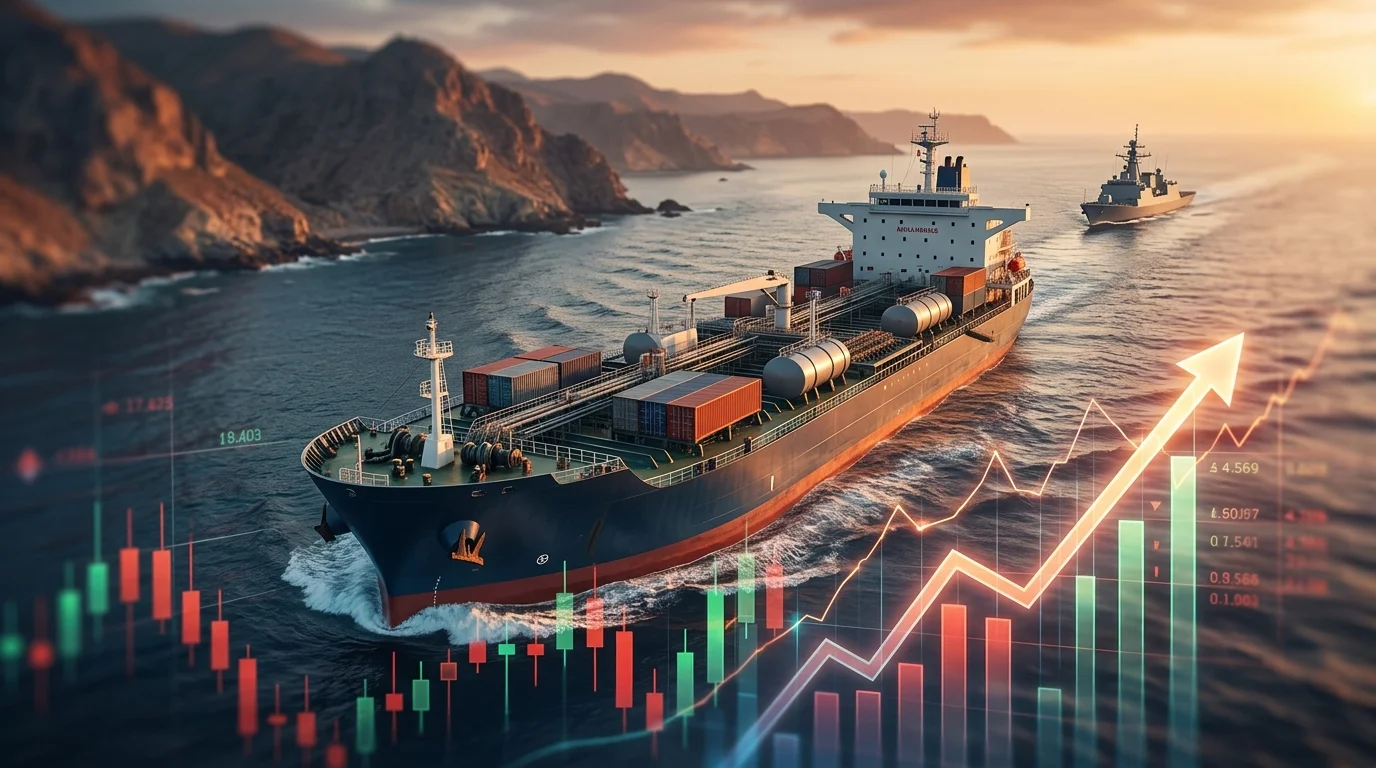
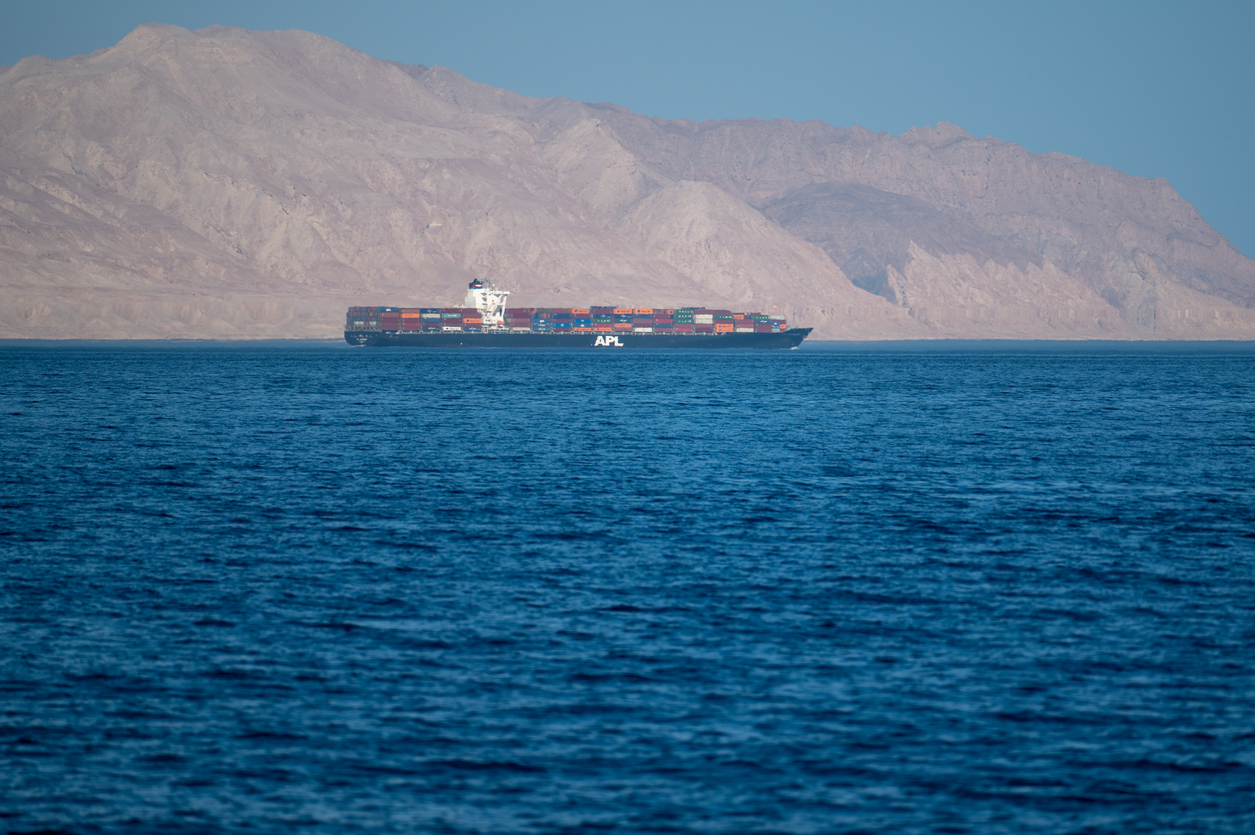
The Strait of Hormuz—handling approximately 21% of global petroleum trade—experienced catastrophic shipping disruption. Kpler shiptracking data showed only 6 commodity vessels transiting on August 18, compared to a 10-day average of 11 vessels and pre-conflict levels of approximately 130 daily crossings. This 95% traffic collapse directly constrains energy supply and elevates shipping costs across all maritime corridors. U.S. Treasury yields surged dramatically, with the 30-year bond yield reaching 5.321% (highest in nearly 20 years) and the 10-year yield climbing to 4.724%, reflecting investor panic about prolonged Middle East tensions and inflation persistence. Japanese government bond yields hit three-decade highs at 2.94%, signaling global risk-off sentiment.
For cross-border e-commerce sellers, this crisis creates immediate operational headwinds across three dimensions: (1) Logistics Cost Shock: Elevated oil prices directly increase air freight and ocean shipping expenses. Sellers using DHL, FedEx, or UPS for time-sensitive shipments face 8-15% cost increases within 30 days. Ocean freight rates, typically $2,000-4,000 per 20-foot container from Asia to US, could rise $200-600 per shipment. (2) Working Capital Pressure: Rising Treasury yields increase borrowing costs for inventory financing. Sellers with $100K-500K credit lines face additional $800-2,000 monthly financing costs as rates climb. (3) Demand Contraction: Westpac analysts noted risk-off sentiment reducing consumer spending expectations. Unexpected retail sales declines in the US signal discretionary goods demand compression, particularly affecting electronics, apparel, and home décor categories. Asian equity markets (MSCI Asia-Pacific -0.3%, Japan Nikkei -1.6%) reflect regional consumer confidence erosion.
Strategic implications for seller segments: Small sellers (under $500K annual revenue) relying on air freight face margin compression on low-value products (under $50 COGS). Medium sellers with diversified sourcing can shift to slower ocean freight to preserve margins. Large sellers with 3PL networks can negotiate volume discounts but face working capital constraints if relying on credit facilities. Sellers with Asia-Pacific exposure face compounded challenges from regional bond market stress and potential currency depreciation (USD index strengthened to 99.60, benefiting US-based sellers but pressuring Asia-based suppliers).
Questions 7
What is the timeline for Hormuz shipping disruption to normalize?
Current data shows only 6 vessels daily transiting Hormuz (August 18) versus 130 pre-conflict levels—a 95% collapse. Analysts project disruption lasting minimum 3-6 months based on U.S.-Iran diplomatic stalemate. Trump administration provided no de-escalation signals, contrasting with previous patterns. Sellers should plan for elevated logistics costs through Q4 2026 minimum. Alternative routing through Suez Canal adds 2-3 weeks transit time and 15-20% cost premium. Monitor daily Kpler shiptracking data (available via Reuters) for traffic recovery signals; normalization to 50+ daily vessels would indicate crisis easing.
How do rising Treasury yields affect inventory financing for cross-border sellers?
The 30-year Treasury yield reaching 5.321% (highest in 20 years) signals higher borrowing costs across all credit products. Sellers with $100K credit lines face $800-2,000 additional monthly financing costs as rates climb 50-100 basis points. Amazon Lending rates, typically 8-12% APR, could rise to 10-14% APR. Sellers should prioritize paying down inventory financing before rates increase further and consider shifting to slower inventory turnover models. Those with strong cash flow should avoid new credit lines until geopolitical tensions stabilize, expected 3-6 months minimum.