





Oil Price Surge & Treasury Yield Spike | Cross-Border Seller Financing & Logistics Cost Crisis
- Brent crude jumps to $91.31/barrel (+$0.48); WTI at $85.02 (+$0.62); 30-year Treasury yields hit 15-year highs; shipping costs & inventory financing expected to rise 4-8 weeks; sellers in fashion, electronics, home goods face margin compression























Overview
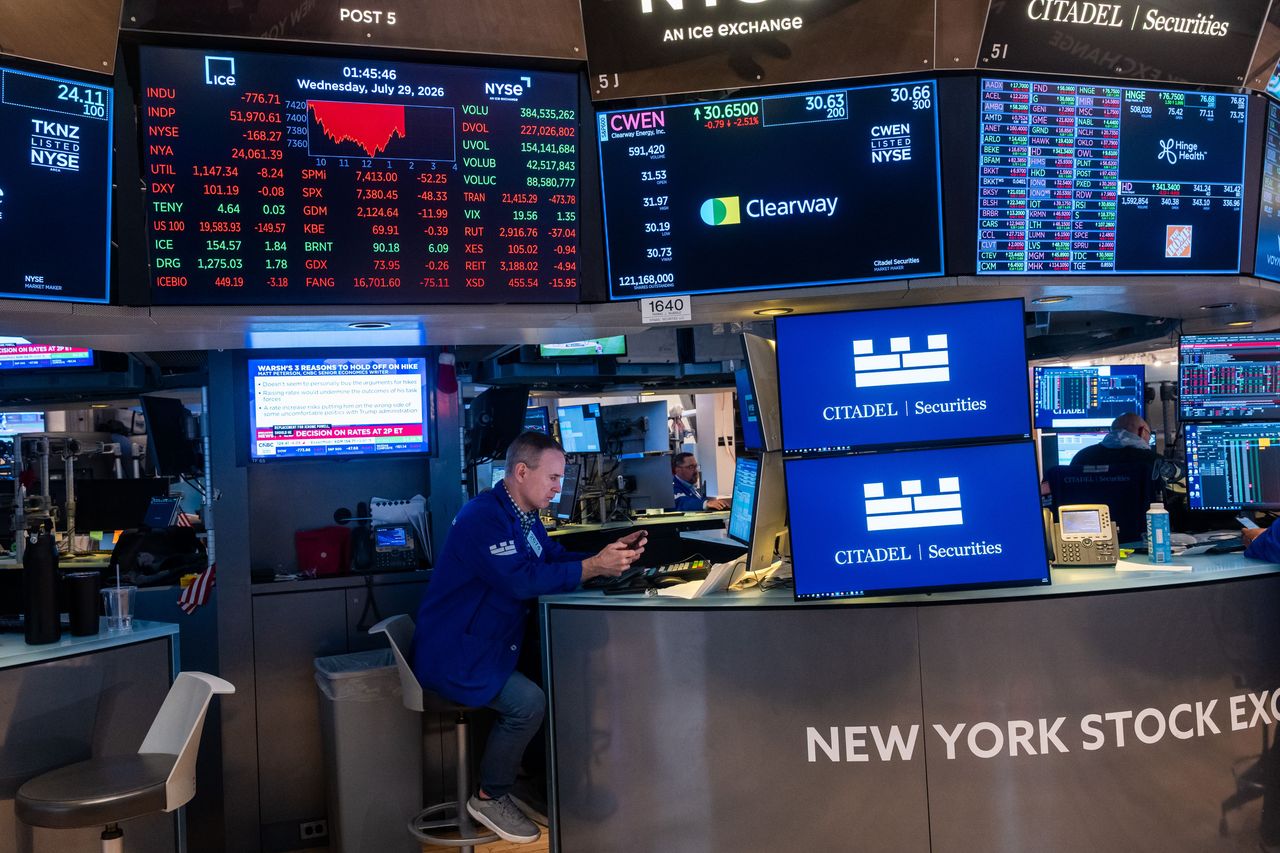
Geopolitical tensions and commodity market volatility are creating a dual financial crisis for cross-border e-commerce sellers. Oil prices surged more than 2% following the expiration of the U.S.-Iran ceasefire, with Brent crude climbing to $91.31/barrel and West Texas Intermediate reaching $85.02/barrel, while the 30-year Treasury bond yield hit its highest level since June 2007. This macroeconomic shock directly impacts seller profitability through two critical channels: (1) Immediate logistics cost increases affecting FBA fulfillment fees and international freight expenses within 4-8 weeks as carriers implement fuel surcharges, and (2) Rising financing costs as Treasury yield increases translate to higher borrowing rates for inventory purchases, working capital loans, and trade finance facilities.
For cross-border sellers, the financial implications are severe and time-sensitive. Rising oil prices directly compress margins on air freight and expedited shipping methods—critical for sellers managing inventory across multiple fulfillment centers. A $5-10/barrel oil price increase typically translates to 2-4% shipping cost increases for international routes (US-EU, US-Asia, China-US), directly impacting sellers shipping 1,000+ units monthly. Simultaneously, the 30-year Treasury yield reaching 15-year highs signals rising borrowing costs across all financing products: inventory loans, purchase order financing, and invoice factoring will see APR increases of 50-150 basis points within 2-4 weeks. Sellers relying on 3PL providers and inventory financing are most vulnerable, as logistics partners will pass through fuel surcharges while lenders tighten terms.
The broader market pullback—with S&P 500 and Dow Jones each declining 0.5%—signals reduced consumer spending on discretionary goods. This creates a compounding crisis: sellers face higher operational costs (shipping, financing) while consumer demand softens, particularly in fashion, electronics, and home goods categories. The yield spread between Chinese 10-year government bonds and U.S. Treasuries widened to 303 basis points, reflecting economic divergence that pressures sellers sourcing from Asia. Sellers must immediately lock in financing rates, renegotiate logistics contracts, and adjust pricing strategies to protect margins. The Japanese yen holding steady at 159 per dollar provides a brief window for sellers with Japan-based suppliers, but this advantage expires if geopolitical tensions escalate further.
Questions 7
What financing alternatives exist if traditional lenders tighten terms?
As Treasury yields rise, traditional lenders (banks, SBA) tighten inventory financing terms. Alternative sources include: (1) Supply chain finance platforms (Tradeshift, Fintech Collective) offering 6-8% APR for creditworthy sellers; (2) Marketplace lending (Kabbage, OnDeck) with faster approval (24-48 hours) at 8-12% APR; (3) Invoice factoring at 1.5-3% of invoice value, converting receivables to cash in 24-48 hours; (4) Amazon Lending (if eligible) at 6-10% APR with no collateral. Compare all options immediately; rates will increase 50-150 basis points within 2-4 weeks as market conditions tighten.
How does the market pullback affect consumer demand for my products?
Market pullbacks (S&P 500 down 0.5%, Nasdaq down 0.3%) historically correlate with 5-10% reductions in discretionary spending. Sellers in fashion, electronics, and home goods should expect demand softening within 2-4 weeks as consumer confidence declines. Conversely, essential categories (health, beauty, household supplies) typically see stable or increased demand. Adjust inventory allocation immediately: reduce discretionary SKUs by 20-30%, increase essential product inventory by 10-15%. Monitor Amazon Best Seller Rank (BSR) trends daily; declining BSR indicates demand softening and signals need for promotional activity or inventory rebalancing.