




Fuel Surges Hit E-Commerce Logistics | FBA & 3PL Costs Rise 8-15% Through 2026
- Diesel prices spike to $5.41/gallon amid Strait of Hormuz closure and Ukraine refinery attacks; FBA sellers face 2-4 week shipping cost increases; regional disparities create arbitrage opportunities in low-cost logistics zones



















Overview
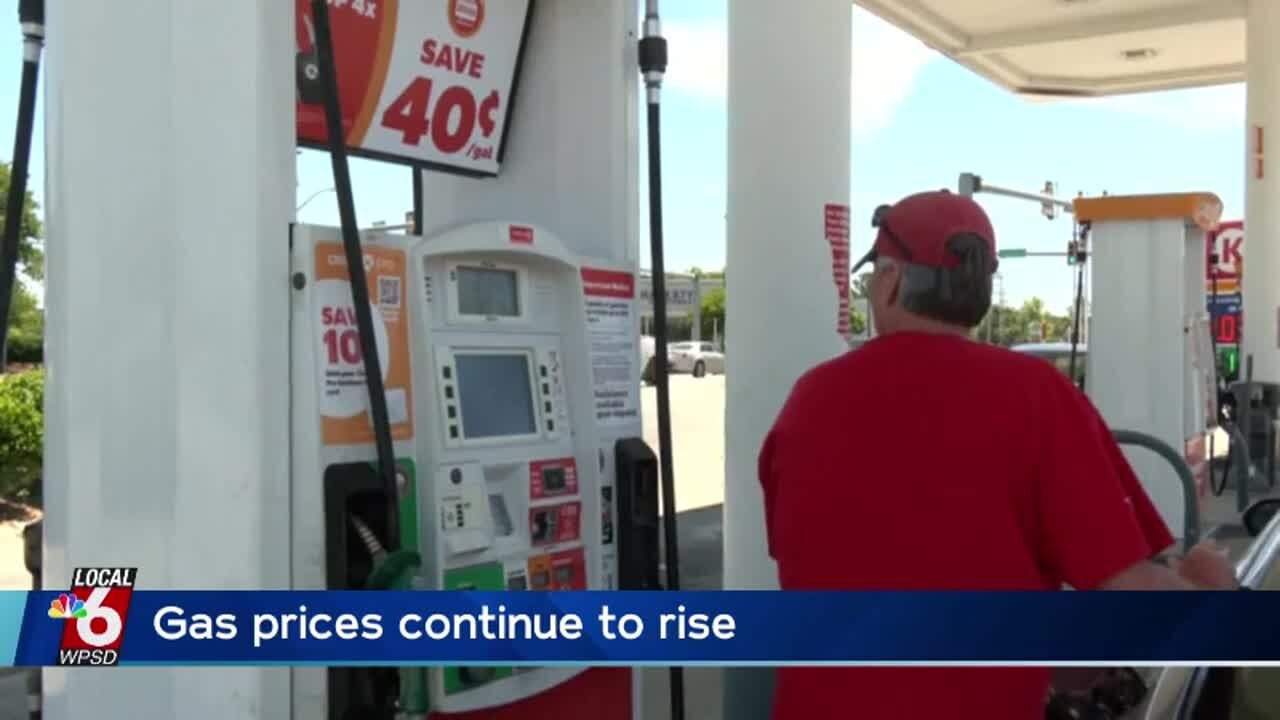
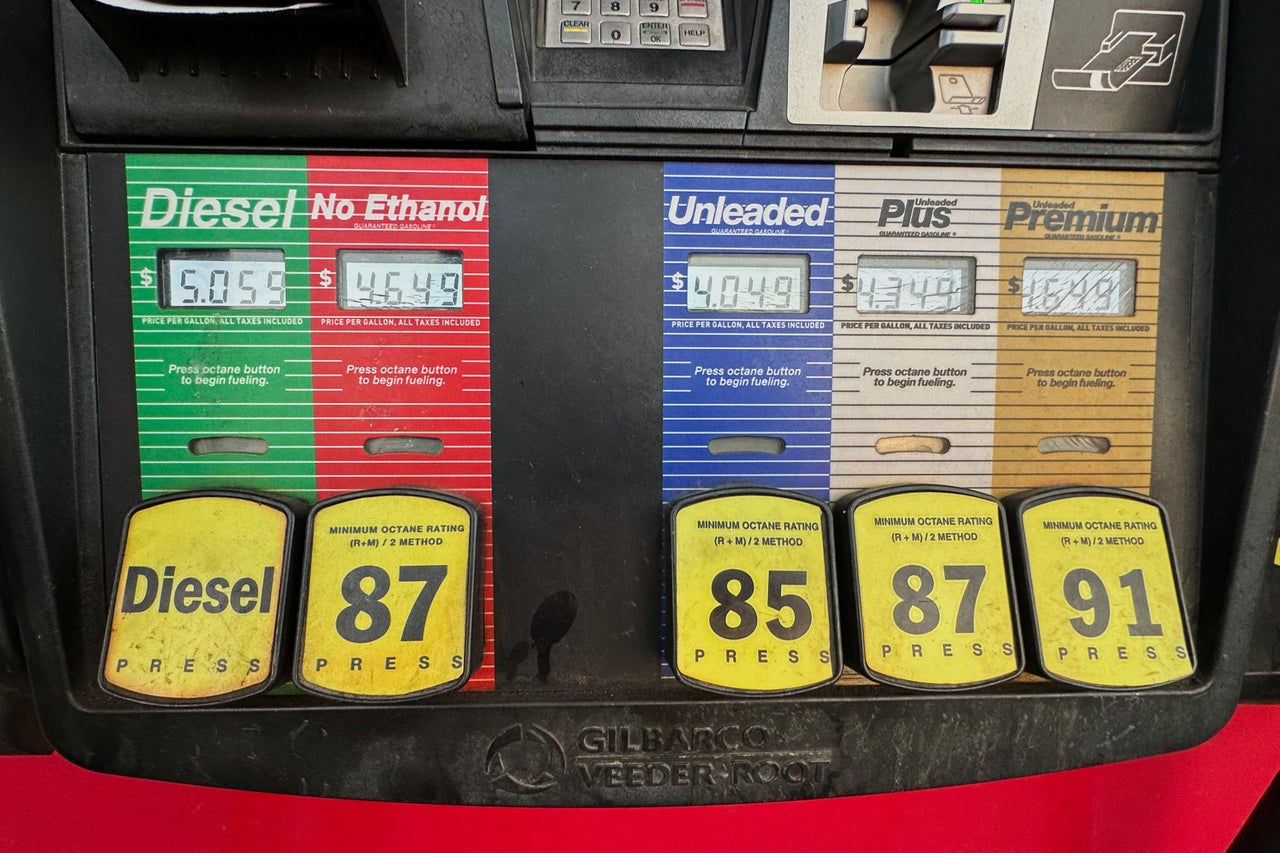
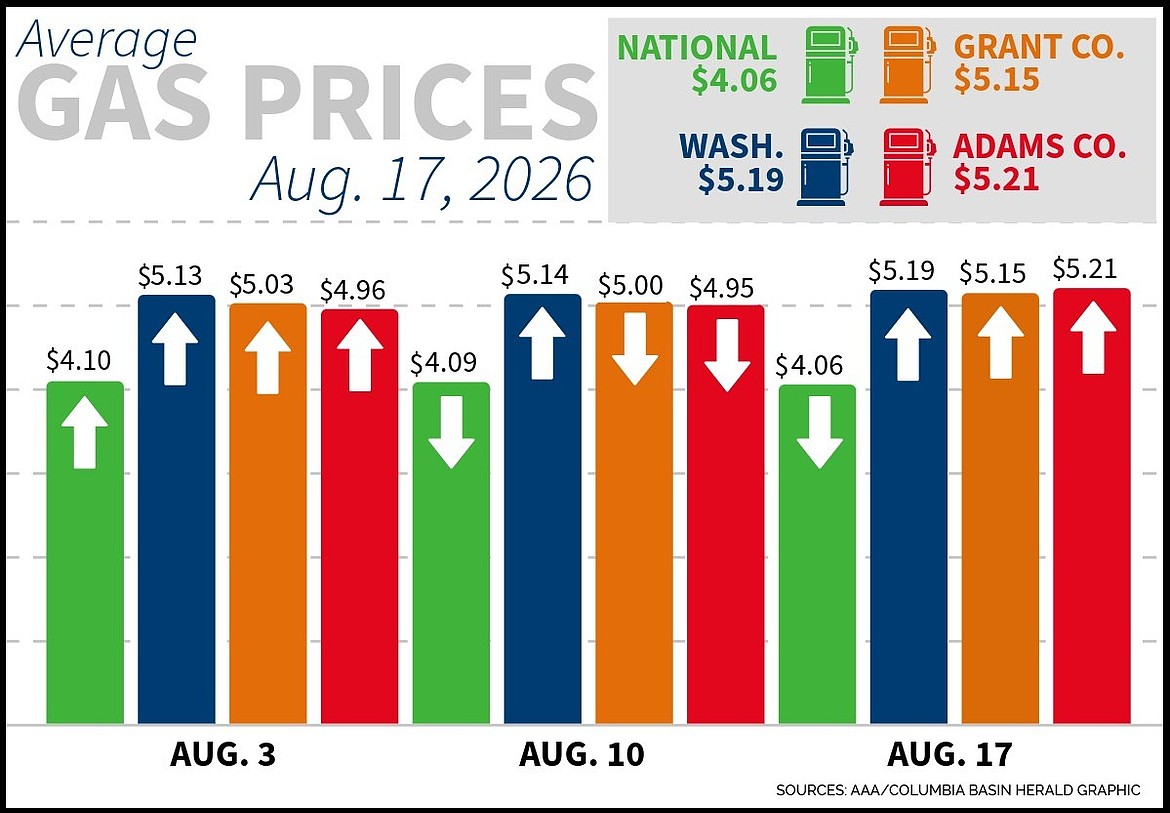
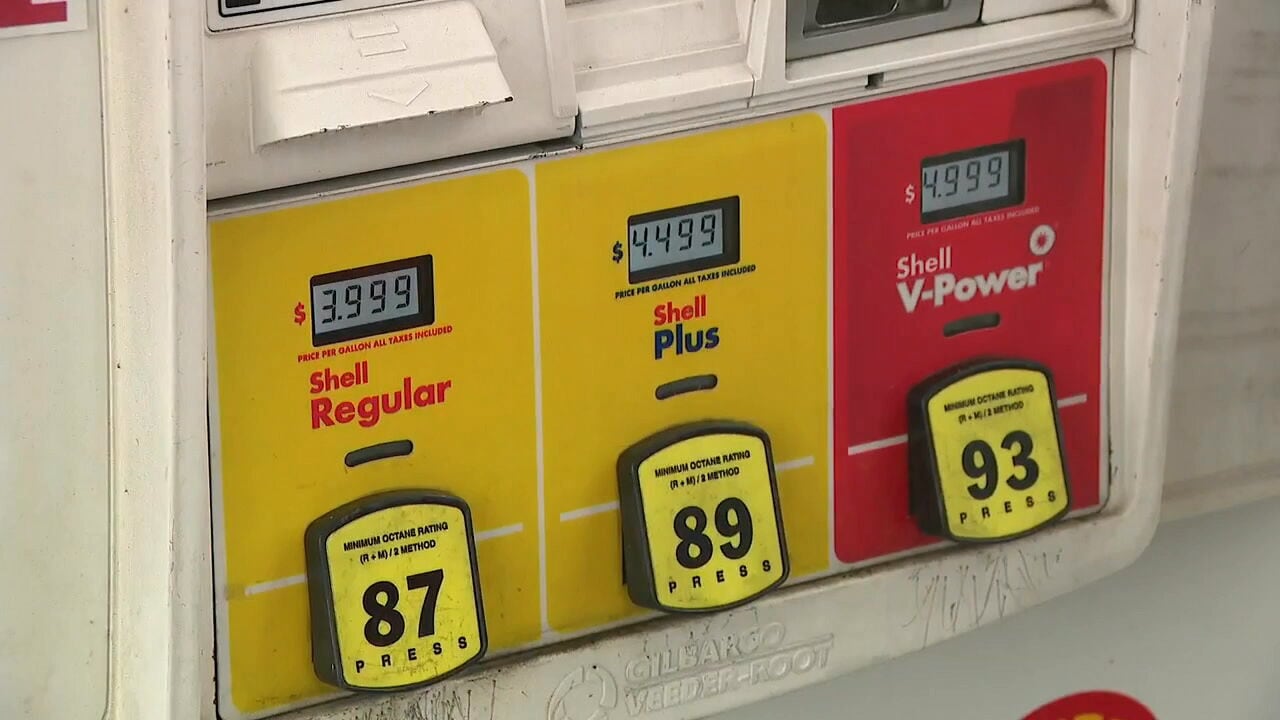
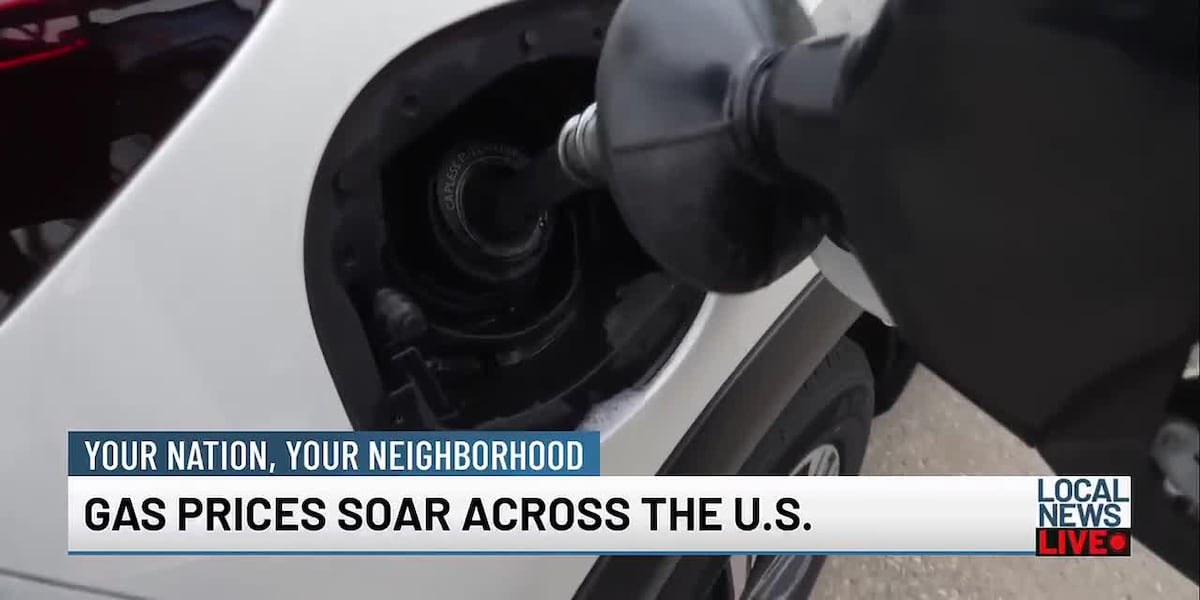
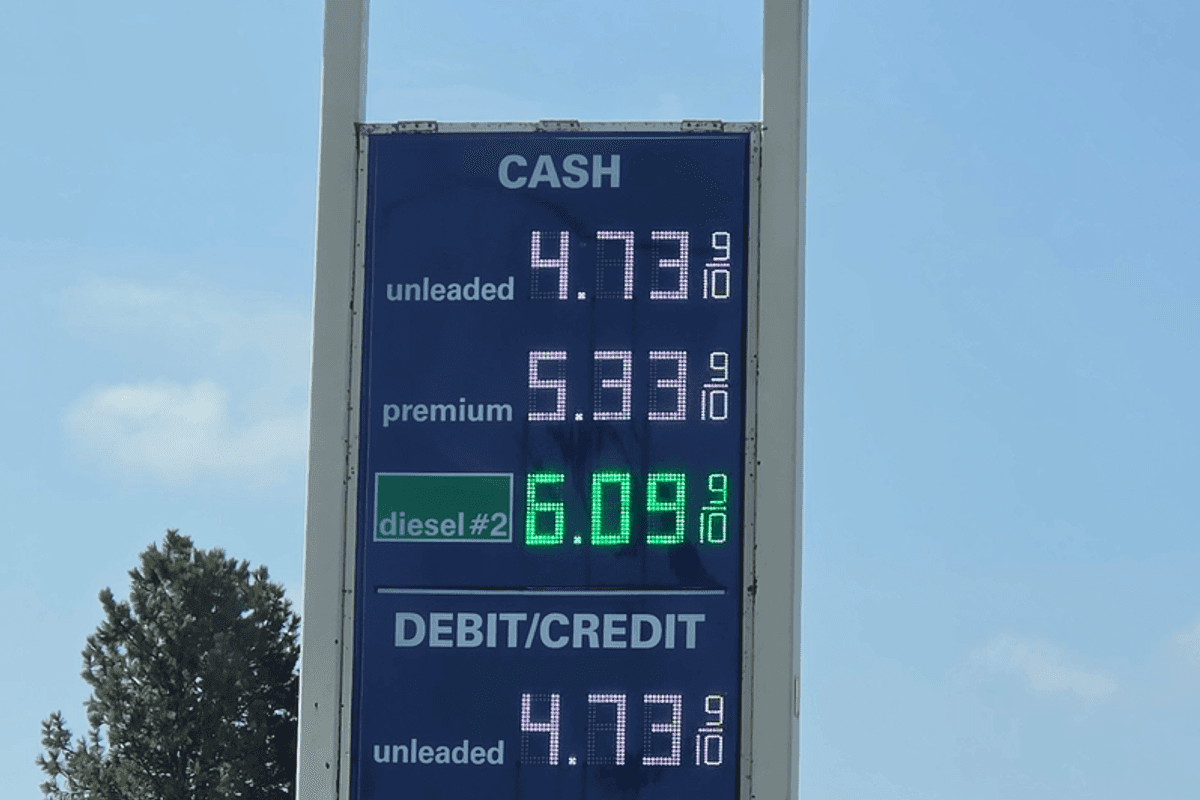
Geopolitical disruptions are creating a sustained logistics cost crisis for cross-border e-commerce sellers. National diesel prices surged to $5.41 per gallon (up 14.3 cents weekly as of August 2026), while gasoline reached $4.02-$4.06 per gallon—the highest August prices ever recorded. The closure of the Strait of Hormuz (accounting for ~20% of global oil transit) combined with Ukrainian military attacks on Russian refining infrastructure are driving these increases. Brent crude remains 30% above year-ago levels at ~$85/barrel, with no resolution timeline visible. This directly impacts Amazon FBA sellers, third-party logistics (3PL) providers, and freight carriers, who typically pass fuel surcharges to sellers within 2-4 weeks.
For FBA sellers, the operational impact is immediate and quantifiable. Diesel price spikes translate directly to increased fulfillment costs through Amazon's fuel surcharge mechanisms. Sellers shipping 1,000+ units monthly can expect 8-15% cost increases on logistics, compressing margins unless pricing adjusts accordingly. Regional variations create strategic opportunities: California and Hawaii face the steepest prices ($5.50-$7.00 for diesel), while Wisconsin and Green Bay average $3.88 per gallon—representing potential 30-40% cost savings for sellers using Midwest fulfillment centers. The Congressional Joint Economic Committee reports American households spent an excess $56.4 billion over six months due to elevated fuel costs, averaging $477 per household—indicating reduced consumer discretionary spending that will depress e-commerce demand, particularly in non-essential categories.
Consumer affordability pressures create dual headwinds for sellers. Harris Poll data shows 50% of Americans struggling with grocery and gas costs, signaling reduced purchasing power for discretionary goods. This demand compression coincides with rising logistics costs, creating a margin squeeze particularly acute for sellers in low-margin categories (apparel, home goods, electronics). However, this environment creates opportunities for sellers offering value-oriented products, subscription models, and bulk purchasing options that reduce per-unit shipping costs. Sellers should immediately audit their 3PL provider contracts for fuel surcharge clauses, consider geographic inventory repositioning to lower-cost regions, and implement dynamic pricing strategies that reflect regional logistics cost variations. The sustained nature of these disruptions (no resolution expected through 2026) requires structural adjustments rather than temporary pricing tactics.
Questions 8
What product categories are most vulnerable to margin compression?
Low-margin categories face the steepest pressure: apparel (5-12% margins), home goods (8-15% margins), and general merchandise (10-18% margins). These categories rely on volume to achieve profitability, and 8-15% logistics cost increases directly compress margins below breakeven. Electronics (15-25% margins) and beauty (20-35% margins) have more cushion to absorb surcharges. Sellers in vulnerable categories should prioritize inventory repositioning to low-cost regions, implement bundling strategies that reduce per-unit shipping, and consider exiting SKUs with margins below 20%. High-margin categories (luxury goods, specialty items) can absorb surcharges through modest price increases without demand destruction.
Should I switch to alternative shipping methods to reduce costs?
Evaluate LTL (less-than-truckload) consolidation for bulk shipments—fuel surcharges apply equally, but consolidated shipments reduce per-unit costs 15-25%. Consider slower shipping options (ground vs. expedited) where customer tolerance allows; ground shipping uses more efficient routing and reduces fuel consumption per unit. For international sellers, air freight costs are rising proportionally, making ocean freight more attractive despite longer transit times. Test alternative carriers (UPS, FedEx, regional carriers) against Amazon FBA pricing—some may offer better fuel surcharge structures. Implement inventory pre-positioning to reduce emergency expedited shipments that carry premium fuel surcharges.