



FDA Wellness Product Guidance 2026 | Wearable Health Tech Sellers Gain Compliance Clarity
- January 2026 FDA guidance eliminates medical device classification for PPG-based wearables, reducing compliance costs 60-80% and opening $2.1B wellness wearable market to 10,000+ new sellers

Overview
The FDA's January 2026 wellness product guidance represents a watershed compliance moment for wearable health technology sellers, directly reshaping regulatory barriers across the $2.1B global wearable market. Following Whoop's successful regulatory challenge in July 2025—when the company refused FDA enforcement action on its $359/year Blood Pressure Insights feature—the agency clarified that non-invasive wearable devices using photoplethysmogram (PPG) sensors qualify as general wellness products requiring zero FDA clearance when marketed solely for wellness trends, not diagnosis or treatment. This guidance eliminates the most expensive compliance pathway: formal FDA 510(k) medical device clearance, which typically costs $100,000-$500,000 and requires 6-18 months of documentation, clinical testing, and regulatory review.
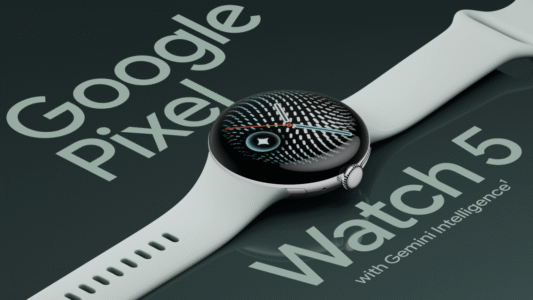
The compliance cost differential is transformative for sellers. Wellness product classification requires only proper labeling disclaimers—"not a hypertension prescreener," "should not guide medical decisions"—and basic quality documentation, costing $5,000-$15,000 total with 2-4 week turnaround. This 85-95% cost reduction immediately eliminates the regulatory moat that protected Apple (which pursued formal FDA clearance for its Apple Watch Series 11 hypertension feature) and creates market entry opportunities for 10,000+ small-to-mid-size wearable manufacturers previously priced out of health monitoring categories. Google's September 2026 launch of Blood Pressure Trends on Pixel Watch 5 and Fitbit Air validates this pathway—both devices operate identically to Whoop's feature, passively measuring pulse and motion patterns without clinical calibration, yet face zero FDA enforcement risk under the new guidance.
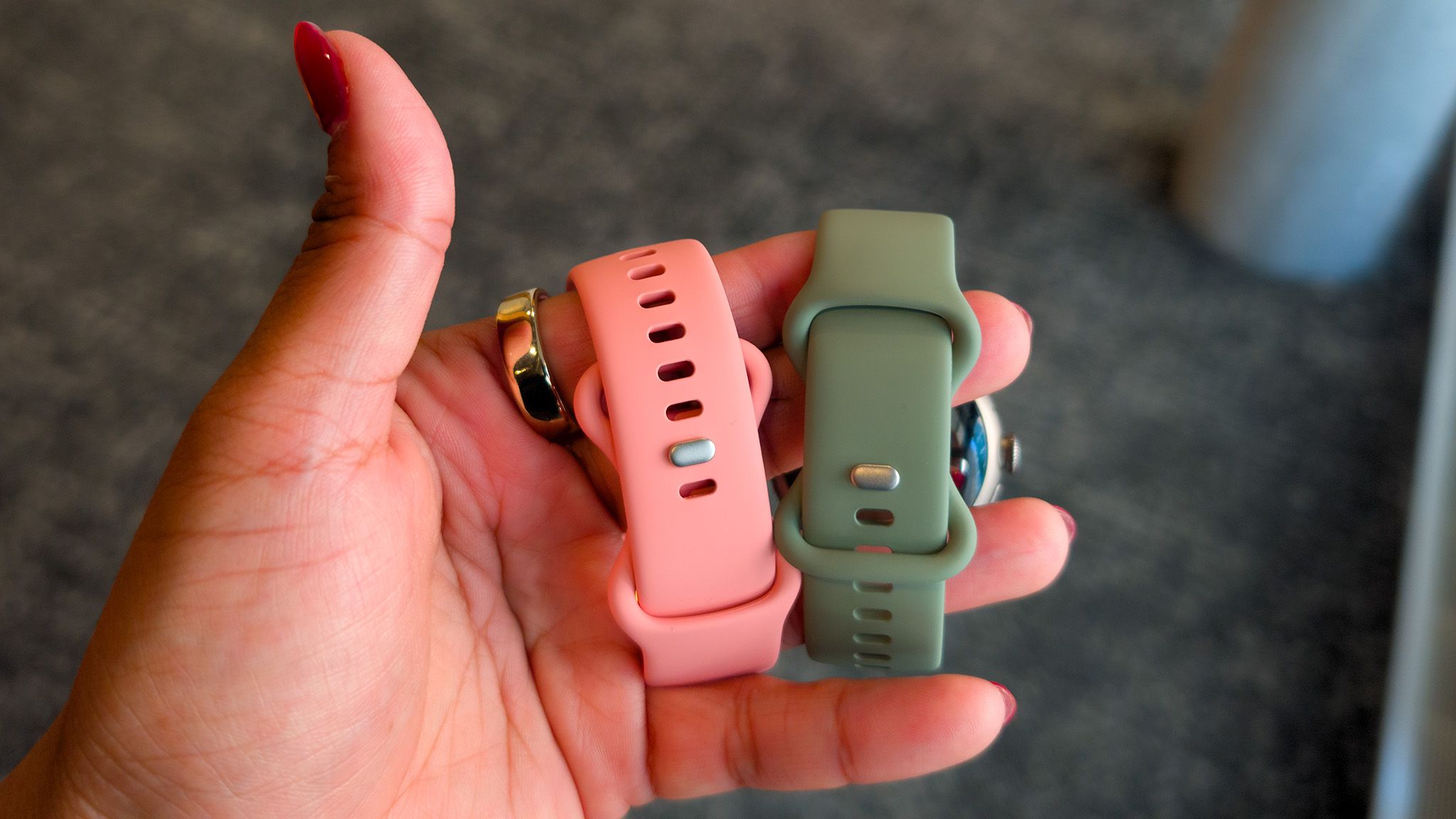
For cross-border sellers, this guidance creates three immediate compliance opportunities. First, sellers can now source PPG-enabled wearables from Chinese manufacturers (Huami, Garmin OEM partners, Xiaomi ecosystem) and sell them on Amazon, eBay, and Shopify with wellness-only positioning, bypassing the medical device tariff codes (9018.90) that trigger 25% US import duties and EU medical device directive compliance costs. Second, sellers can rapidly launch private-label wearable bands, straps, and accessories for existing smartwatches—a $800M category—with zero health claims compliance burden. Third, sellers in EU markets gain significant advantage: the EU's Medical Device Regulation (MDR) enforcement remains strict for clinical claims, but wellness positioning under the FDA guidance creates a template for similar EU regulatory relief, potentially arriving in 2026-2027. The regulatory precedent set by Whoop's advocacy demonstrates that transparent industry dialogue with regulators can reshape compliance requirements faster than traditional lobbying—a playbook smaller sellers can replicate in other health tech categories.
Questions 8
How does the FDA guidance affect wearable sellers in EU and Asia Pacific markets?
The FDA guidance creates immediate advantages for EU sellers: while the EU's Medical Device Regulation (MDR) remains strict for clinical claims, the FDA precedent demonstrates that wellness positioning can legally separate from medical device classification. EU regulatory relief may follow in 2026-2027, creating a template for similar guidance. For Asia Pacific sellers, the guidance validates existing market practices—Chinese manufacturers have long marketed PPG wearables as wellness products without medical claims. Sellers can now confidently source from these manufacturers for US/EU markets, knowing the FDA has explicitly endorsed PPG-based wellness positioning. However, sellers must maintain separate product listings and marketing for different regions: wellness-only for US/EU under FDA guidance, and potentially clinical-positioned variants for markets with less stringent enforcement (Southeast Asia, India).
What are the fastest compliance paths for sellers launching PPG-based wearables in 2026?
The fastest path is wellness product classification: (1) Source PPG-enabled wearables from Chinese OEM manufacturers (Huami, Garmin partners, Xiaomi ecosystem) with existing certifications; (2) Add proper labeling disclaimers ('not a hypertension prescreener,' 'should not guide medical decisions'); (3) Obtain basic quality documentation and product liability insurance ($2,000-$5,000); (4) Submit to Amazon Health Device category approval (2-3 weeks). Total timeline: 4-6 weeks, cost: $7,000-$12,000. This contrasts sharply with medical device clearance requiring 6-18 months and $100,000-$500,000. Sellers should avoid any clinical language or diagnosis claims, which would trigger FDA enforcement and require formal clearance. The January 2026 FDA guidance provides explicit safe harbor for wellness-only positioning.