




Meta's $200B COPPA Trial | Reshaping Ad-Driven E-Commerce Marketing Compliance
- 29 state AGs pursue "market-shifting" penalties; algorithmic restrictions could eliminate youth-targeting strategies for 500K+ sellers relying on Meta ads





















Overview
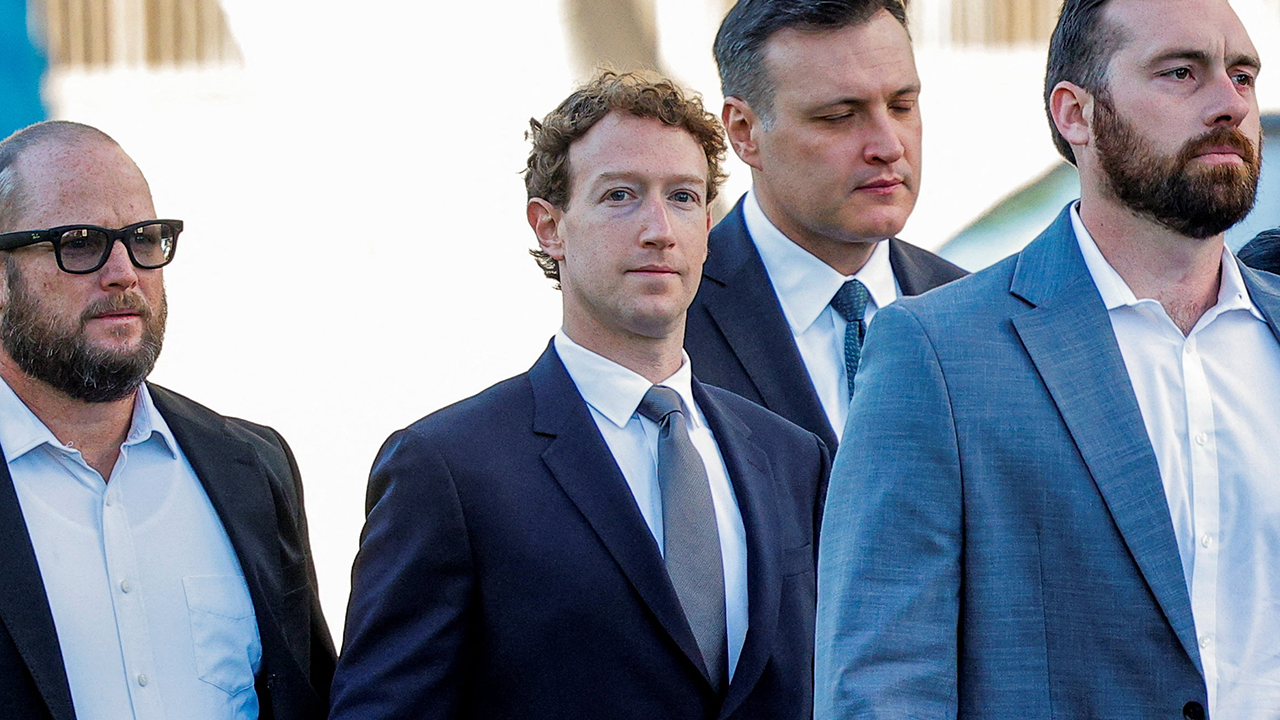
Meta faces a watershed moment in California federal court as 29 state attorneys general pursue damages ranging from $200 billion to $1.4 trillion for alleged COPPA violations and deceptive design practices targeting minors. The consolidated trial, led by California AG Rob Bonta with co-counsel from Colorado, New Jersey, and Kentucky, centers on Meta's engagement-optimization algorithms (infinite scroll, autoplay) and data collection practices affecting children under 13. This case carries exponentially greater market impact than Meta's recent $1 billion New Mexico settlement, given California's regulatory influence and the precedent it sets for nationwide tech enforcement.
For e-commerce sellers, the immediate compliance risk involves Meta's advertising ecosystem, which generates 98% of Meta's $114B annual revenue. Approximately 500,000+ small-to-medium sellers rely on Facebook and Instagram ads for customer acquisition, particularly in youth-skewing categories: fashion (ages 13-24), beauty/cosmetics, gaming accessories, and trending merchandise. If Meta loses and faces injunctive relief requiring algorithmic changes or data deletion for under-13 users, sellers will lose access to Meta's precise targeting capabilities that currently enable 3-5x ROAS (return on ad spend) for youth-focused products. The states argue Meta's design features constitute unfair/deceptive practices under state consumer protection laws, circumventing Section 230 liability shields by focusing on app architecture rather than third-party content.
The compliance cascade extends beyond Meta to all sellers using youth-targeting strategies. New regulations emerging from this litigation could mandate: (1) age-verification systems for social platforms (adding 2-4 week implementation timelines), (2) restrictions on behavioral targeting for under-18 audiences (eliminating 30-40% of current targeting parameters), and (3) mandatory data deletion protocols (requiring sellers to audit customer databases for minors). Similar to GDPR's 2018 implementation, sellers will face 6-12 month compliance windows to restructure ad campaigns, implement age-gating on product pages, and potentially shift budgets to non-Meta channels (Google, TikTok, Amazon Ads). Categories most vulnerable: youth fashion ($8.2B US market), gaming merchandise ($12.1B), and trending collectibles where 40-60% of buyers are under 18.
Strategic opportunity emerges for compliance-first sellers and alternative ad platforms. Sellers who proactively implement age-verification systems and shift to privacy-compliant targeting (contextual rather than behavioral) will gain competitive advantage as non-compliant competitors face account restrictions. Google Ads, Amazon Advertising, and TikTok Shop (if it survives US regulatory scrutiny) will likely capture Meta's displaced ad budgets—estimated $15-20B annually from youth-targeting campaigns. Sellers should immediately audit their customer databases for minor purchasers, review Meta ad account targeting parameters, and develop contingency ad strategies on alternative platforms before potential injunctive relief takes effect (likely 12-18 months post-verdict).
Questions 8
How much could Meta's damages ($200B-$1.4T) impact my advertising costs?
Meta's potential damages don't directly increase seller ad costs, but the company's response to a loss could. If Meta faces $200B+ in penalties and injunctive relief, the company may: (1) reduce ad inventory available to sellers (restricting targeting options), (2) increase ad prices to offset damages (5-15% CPM increases), or (3) implement stricter compliance requirements (adding 2-4 week approval delays for youth-targeting campaigns). Sellers should monitor Meta's quarterly earnings reports and policy announcements for signals of these changes. The New Mexico settlement ($1B) required Meta to modify algorithms, suggesting California's larger judgment could trigger more significant platform changes affecting ad performance and cost structure.
What compliance steps should I take now to prepare for potential Meta restrictions?
Immediate actions (0-30 days): (1) Audit your Facebook/Instagram ad accounts and document current targeting parameters, audience demographics, and monthly ad spend; (2) Review your customer database to identify purchasers under 18 and assess data retention practices; (3) Evaluate alternative ad platforms (Google Ads, Amazon Advertising, TikTok Shop) and test campaigns with 10-15% of current Meta budget. Medium-term (1-3 months): Implement age-verification systems on product pages if selling youth-focused items, develop privacy-compliant targeting strategies using contextual (not behavioral) data, and establish relationships with 3PL providers who can support multi-channel fulfillment. This positions you to maintain customer acquisition efficiency regardless of Meta's regulatory outcome.