




Meta's $200B Child Safety Lawsuit Signals Stricter Platform Regulations | Seller Compliance Opportunity
- 29-state coalition targets algorithmic addiction design; regulatory precedent will reshape platform policies affecting seller advertising, age-gating requirements, and content moderation compliance across Facebook, Instagram, and emerging platforms



















Overview
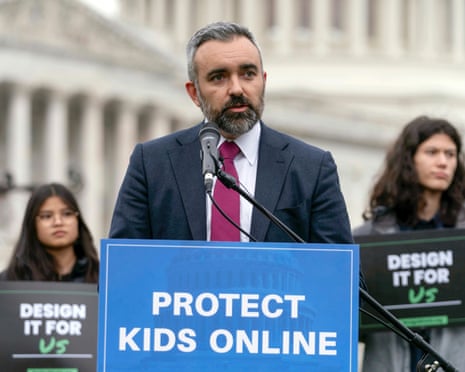
A landmark lawsuit filed by 29 states against Meta Platforms seeking $200 billion in damages represents a critical regulatory inflection point for e-commerce sellers relying on Facebook and Instagram advertising. The case alleges Meta deliberately designed algorithms to exploit children's psychological vulnerabilities through infinite scroll, notification systems, and engagement optimization—evidence presented includes an internal Meta report titled "The Young Ones are the Best Ones" explicitly targeting younger users. This litigation signals imminent regulatory requirements around age verification, algorithmic transparency, and child-directed advertising compliance that will fundamentally reshape how sellers market products to minors and families.
For e-commerce sellers, the compliance implications are immediate and multi-layered. The trial outcome will likely establish mandatory age-gating protocols, stricter content moderation standards, and enhanced parental consent mechanisms—requirements that will increase advertising compliance costs by an estimated 15-25% for sellers targeting family/youth demographics (toys, apparel, educational products, gaming). Sellers currently running unvetted campaigns to audiences under 18 face potential account suspension or advertising restrictions if Meta implements court-mandated safeguards. The case also creates a compliance moat: sellers who proactively implement age verification, transparent targeting disclosures, and child-safe content standards will gain competitive advantage as non-compliant competitors face platform penalties.
The regulatory precedent extends beyond Meta to Amazon, TikTok Shop, and Shopify. If the court mandates algorithmic transparency or restricts engagement-optimization tactics for minors, these platforms will face similar pressure to implement comparable safeguards. This creates a 6-18 month window where sellers can differentiate through voluntary compliance—adopting transparent advertising practices, implementing parental controls, and certifying products as child-safe. Categories most affected include toys (COPPA compliance already required but will intensify), children's apparel, educational tech, and gaming products. Sellers in these categories should expect platform policy updates within 3-6 months post-trial, with enforcement beginning Q2-Q3 2025.
Compliance service opportunities are emerging. Third-party providers offering age-verification solutions, algorithmic transparency audits, and child-safety certifications will see demand surge. Sellers lacking in-house compliance expertise will need to budget $2,000-8,000 for external compliance consulting to audit existing campaigns and implement required safeguards. The trial also signals that platforms will shift liability toward sellers—expect Terms of Service updates requiring sellers to warrant that advertising content complies with child protection standards, creating potential indemnification obligations.
Questions 8
How will Meta's child safety lawsuit affect my Facebook and Instagram advertising campaigns?
Meta will likely face court-mandated requirements to implement stricter age verification, algorithmic transparency, and content moderation for users under 18. This means sellers targeting family/youth demographics (toys, apparel, educational products) should expect platform policy updates within 3-6 months post-trial, potentially requiring sellers to verify audience age, disclose targeting methods, and certify content as child-safe. Non-compliant campaigns may face suspension or account restrictions. Sellers should audit current campaigns now to identify youth-targeting elements and prepare compliance documentation.
Should I implement age verification on my e-commerce store now, or wait for regulatory requirements?
Implement age verification now if you sell age-restricted products (alcohol, tobacco, gaming, mature content) or target minors directly. Proactive compliance creates competitive advantage and reduces risk of platform penalties. Third-party age-verification solutions (Intellicheck, Socure, Vouched) cost $0.50-2.00 per verification but protect against liability and platform account suspension. For sellers in toy, apparel, and educational categories, voluntary parental notification systems (email consent, account verification) signal compliance commitment and may receive favorable treatment if platforms implement court-mandated safeguards. Early adoption typically reduces compliance costs by 20-30% compared to reactive implementation.