


U.S. Air Freight Disruptions Impact Cross-Border Seller Logistics | August 2025-2026 Weather Events
- 1,346 flights delayed, 111 canceled nationwide; Chicago O'Hare 882 cancellations over 3 days; sellers face 3-7 day inventory replenishment delays and 8-15% air cargo cost premiums








Overview
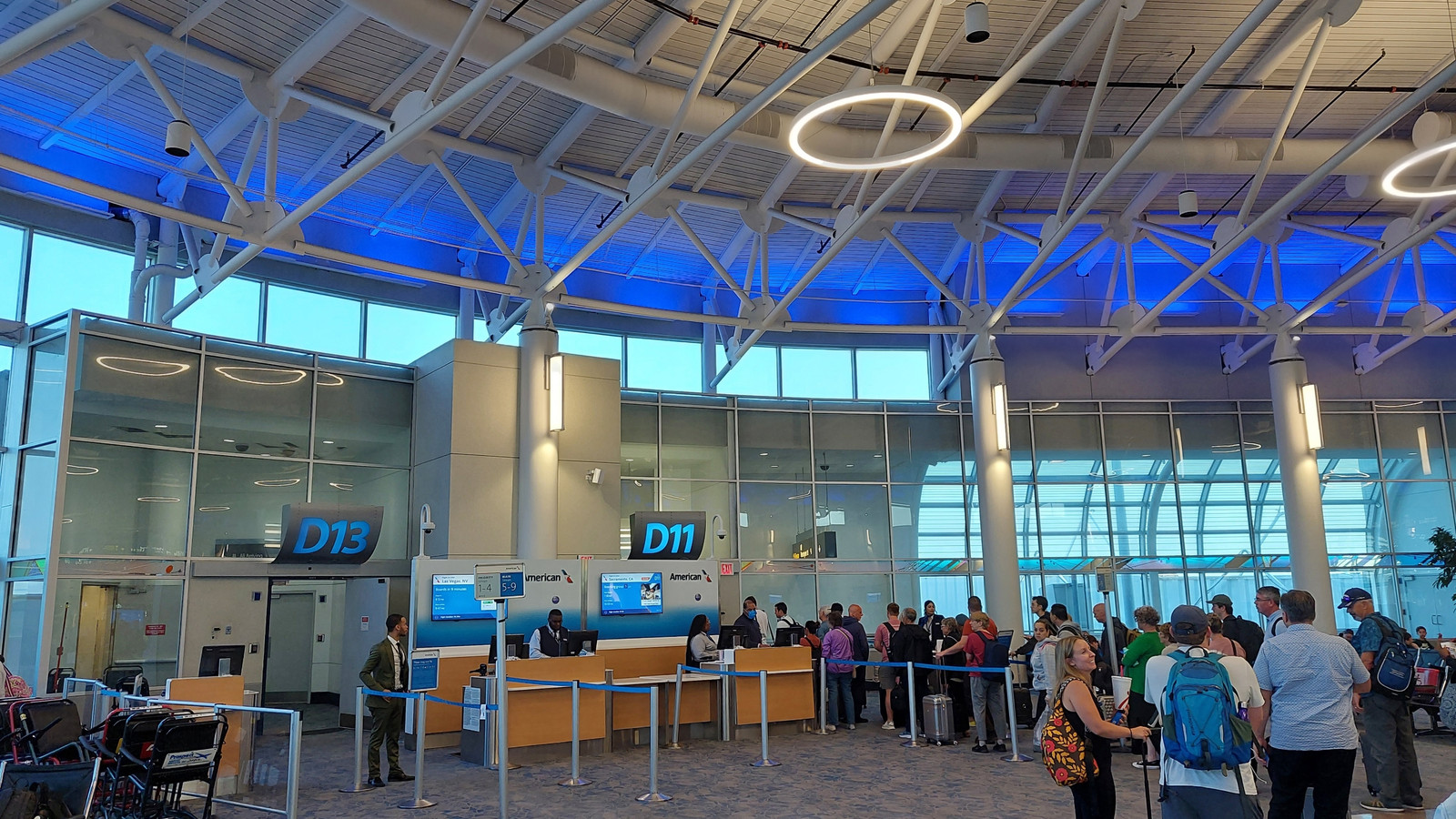
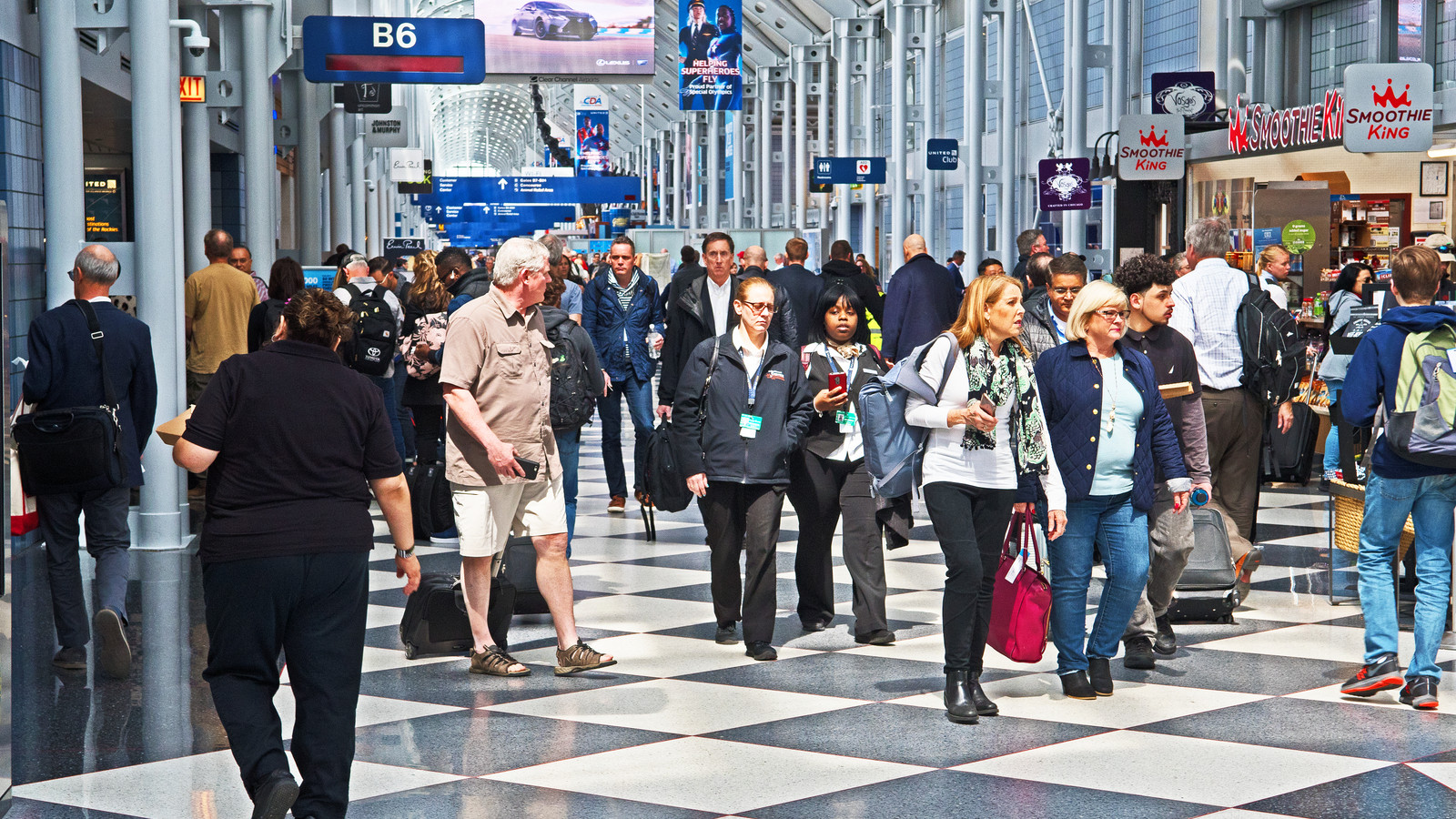
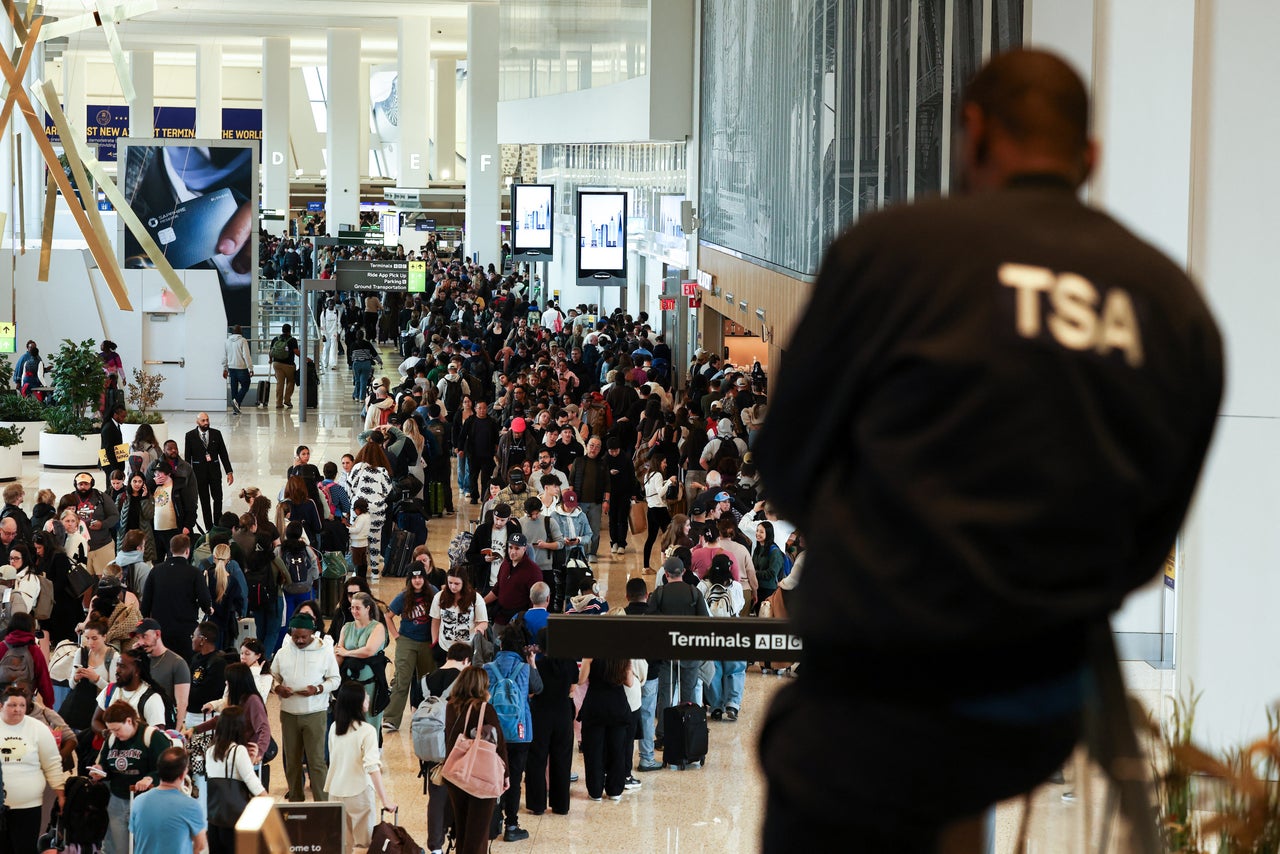
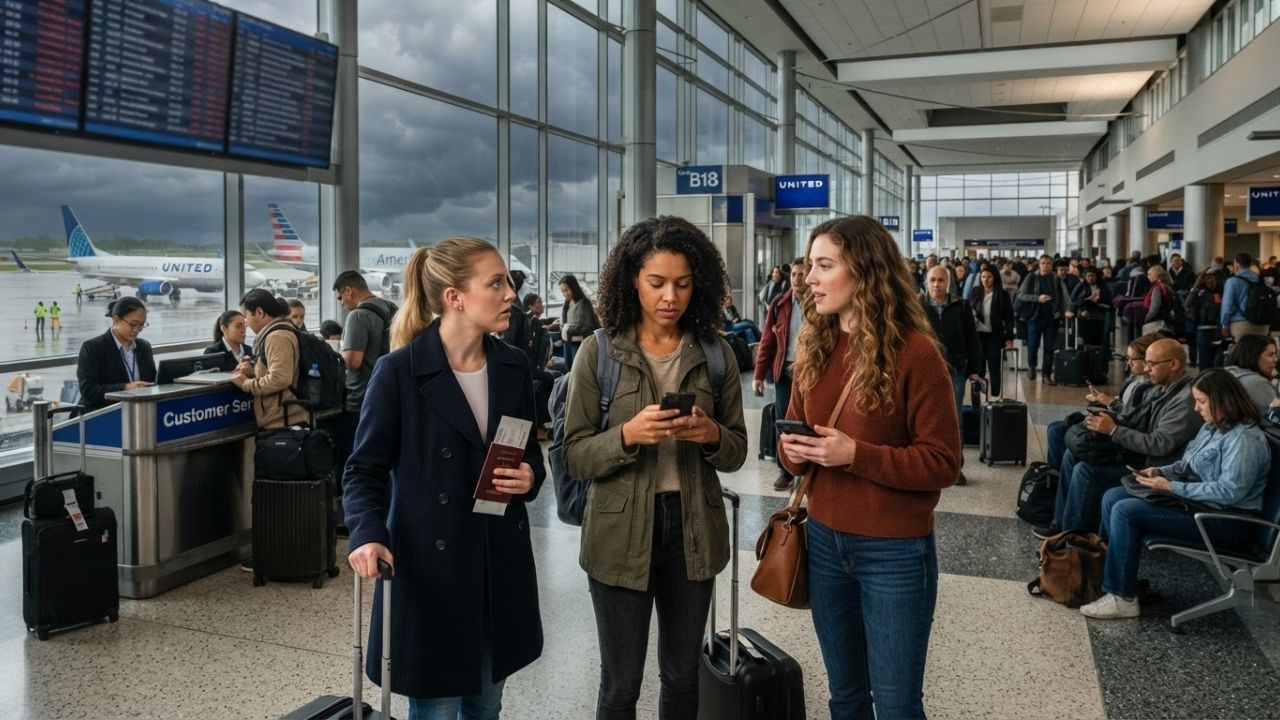
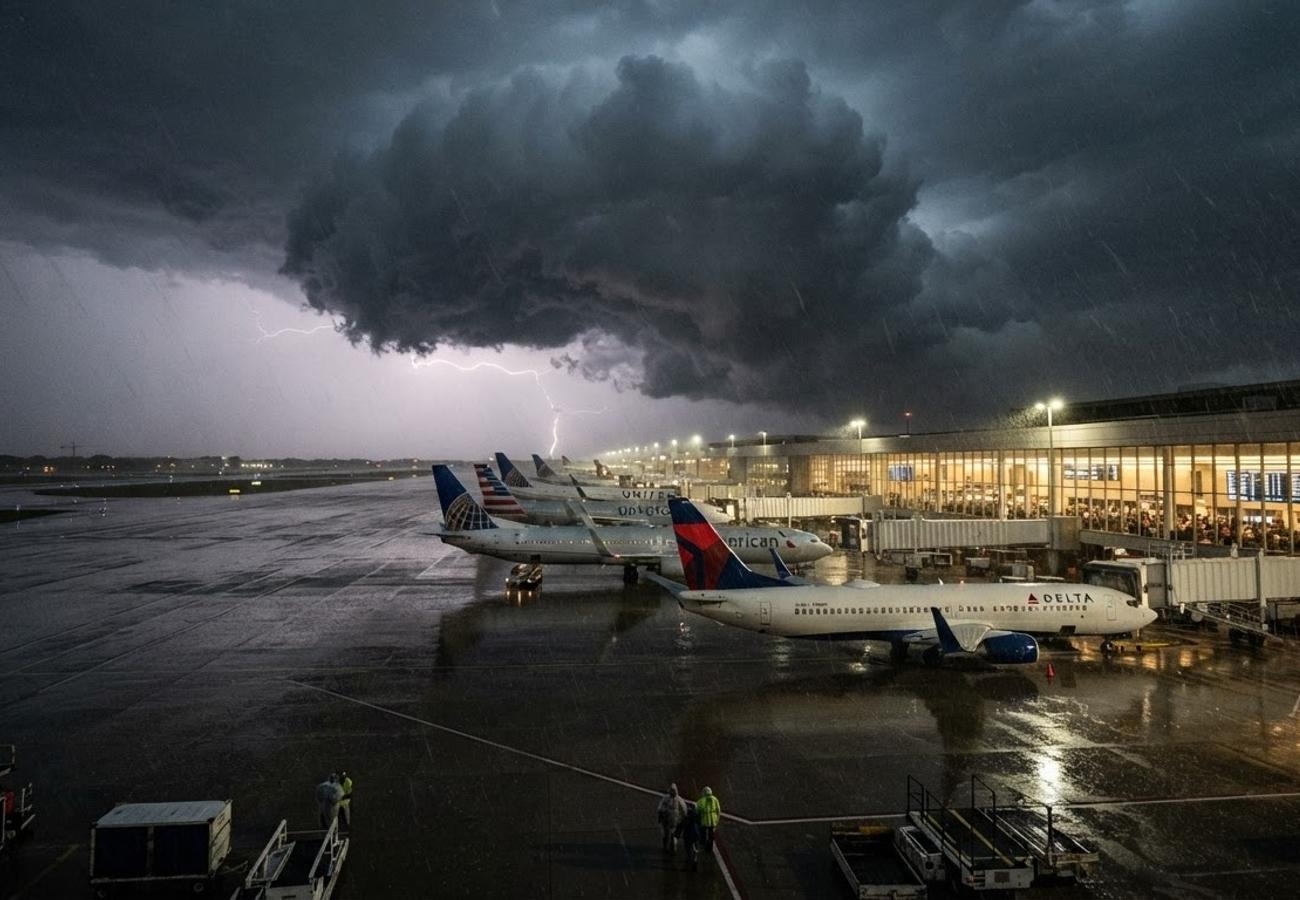
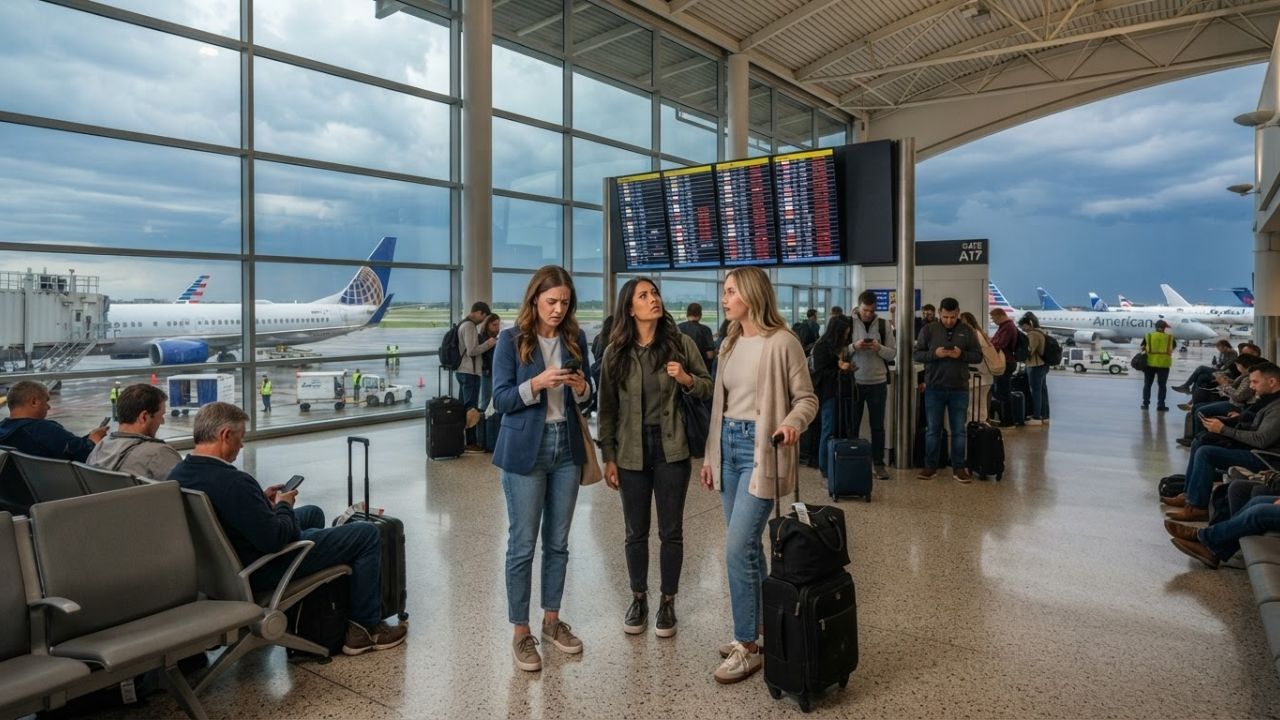
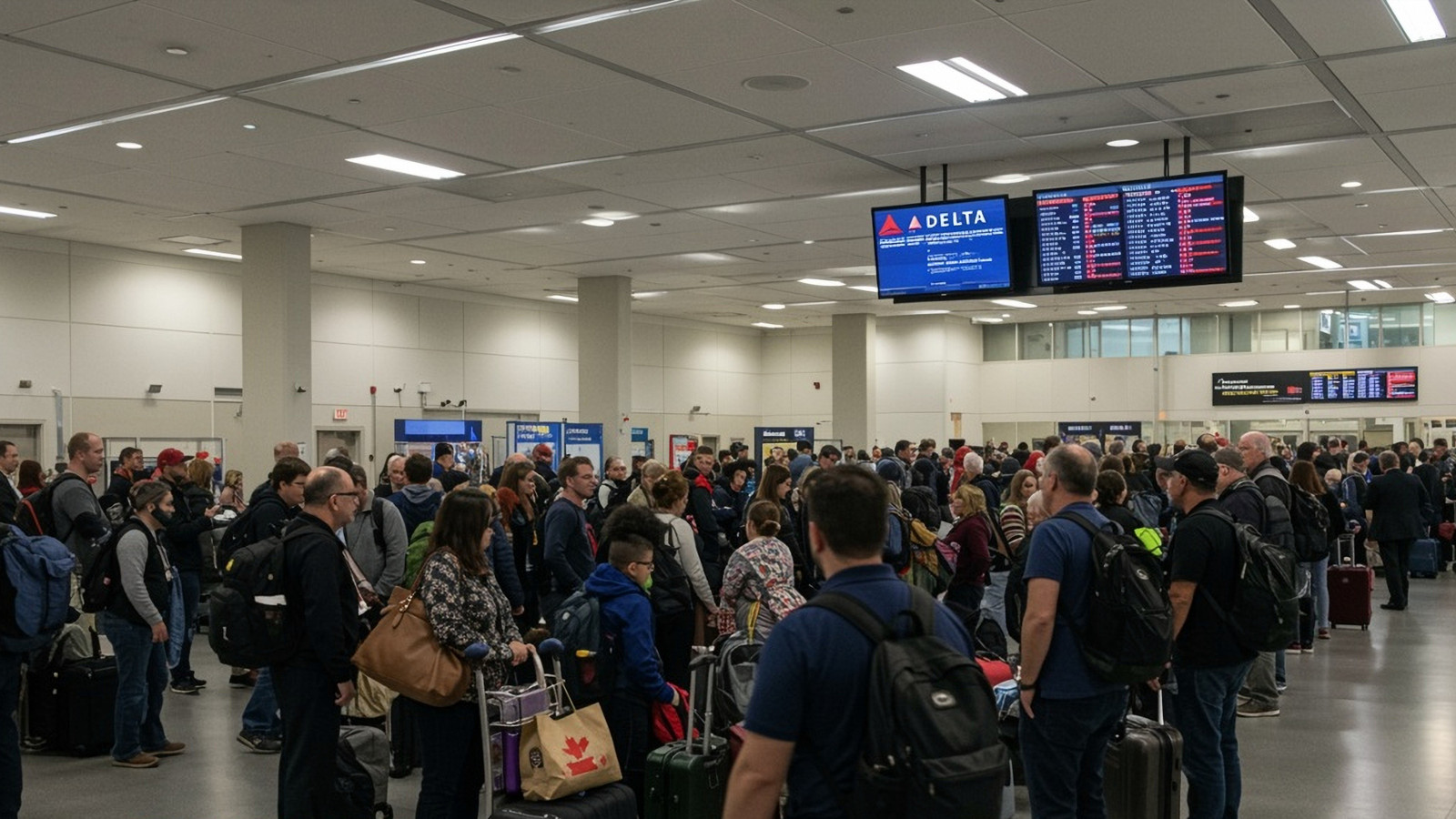
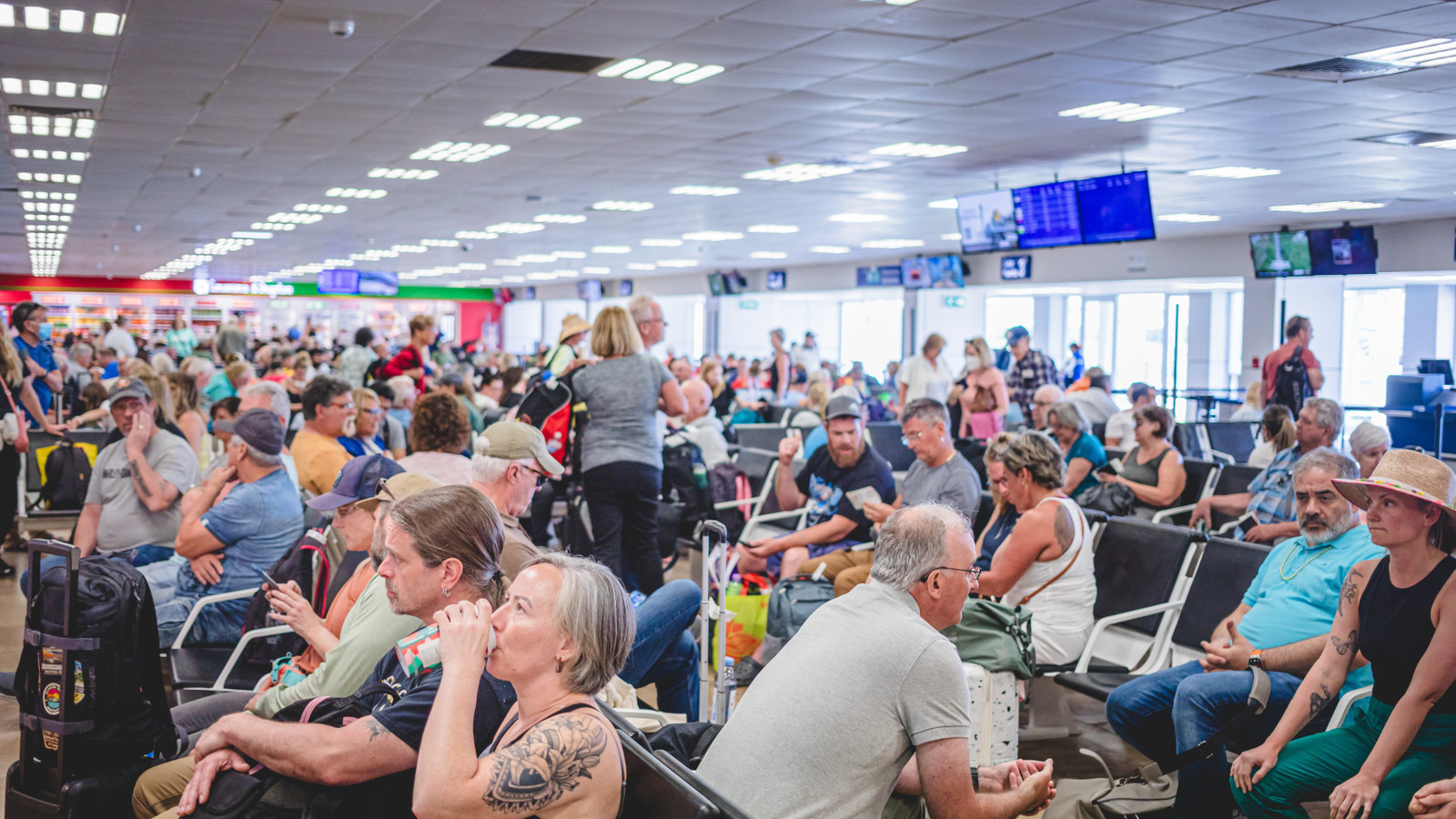
Widespread U.S. air freight disruptions across August 2025-2026 create immediate supply chain vulnerabilities for cross-border e-commerce sellers relying on expedited domestic distribution networks. On August 17, 2026, weather systems disrupted 1,346 flights nationwide with 111 cancellations, impacting major hubs including JetBlue (98 delays, 25 cancellations) and New York's JFK Airport (117 delays, 25 cancellations). More severely, Chicago O'Hare International Airport (ORD)—a critical hub for United Airlines and American Airlines—experienced 882 cancellations over three consecutive days (August 9-11, 2025), with average delays of 144 minutes and 154 same-day cancellations. These disruptions directly threaten inventory replenishment cycles for sellers utilizing air cargo services to stock Amazon FBA fulfillment centers and 3PL warehouses.
For sellers managing time-sensitive inventory, the operational impact is substantial. Air freight delays of 3-7 days compress inventory buffers, particularly for sellers in fast-moving categories (electronics, apparel, beauty) where stock-outs directly reduce Buy Box eligibility and conversion rates. Sellers shipping via air cargo to East Coast fulfillment centers (JFK, Newark, Philadelphia) or Midwest hubs (Chicago ORD, Midway) face cascading delays affecting Q3-Q4 peak season preparation. Industry data indicates air cargo rates typically increase 8-15% during weather disruption periods as carriers reduce capacity and prioritize premium freight. For a seller shipping 500 units monthly via air freight at $2.50/kg base rate, weather-driven premiums add $100-200 monthly to landed costs.
Strategic warehouse positioning becomes critical during these disruption windows. Sellers should immediately evaluate inventory distribution across multiple fulfillment nodes: prioritize West Coast air gateways (Los Angeles, San Francisco) which experience fewer weather delays than Northeast/Midwest hubs; consider temporary inventory redistribution to ground-based 3PL providers in Texas, Georgia, and North Carolina to bypass affected air corridors; and accelerate shipments to FBA fulfillment centers before forecasted weather events. The August 2026 disruptions demonstrate that reliance on single air gateways creates unacceptable supply chain risk. Sellers with inventory stuck in transit during the 3-day Chicago ground stop experienced potential 5-10% revenue loss due to inventory unavailability during peak selling windows. Forward-looking sellers should implement dual-gateway strategies: maintain 30-40% inventory buffers in secondary fulfillment regions and establish relationships with alternative carriers (Fedex Freight, UPS Supply Chain Solutions) offering ground-based alternatives to weather-vulnerable air routes.
Questions 8
What monitoring systems and contingency plans should sellers implement for ongoing air freight disruptions?
Sellers should implement real-time monitoring: (1) Subscribe to FlightAware alerts for major air gateways (JFK, ORD, LAX, SFO) and FAA ground stop notifications; (2) Track weather forecasts 7-10 days ahead via NOAA and National Weather Service; (3) Establish carrier communication protocols with JetBlue, United, American Airlines for advance notice of capacity reductions. Contingency plans should include: pre-negotiated ground shipping rates with UPS/Fedex (8-12% cost premium vs. air), backup 3PL provider contacts in 3+ regions, and inventory buffer targets (30-40% in secondary locations). For sellers shipping 500+ units monthly, implement automated inventory rebalancing triggers when air freight rates exceed $3.50/kg or when FAA issues ground stop warnings for primary gateways.
What immediate actions should sellers take to protect inventory during forecasted weather disruptions?
Sellers should implement three immediate actions: (1) Accelerate air shipments to FBA fulfillment centers 5-7 days before forecasted weather events, targeting completion by August 10-15 for August disruptions; (2) Redirect inventory to West Coast air gateways (LAX, SFO) and ground-based 3PL providers in secondary regions; (3) Establish backup carrier relationships with UPS Supply Chain Solutions and Fedex Freight offering ground alternatives. Monitor FAA ground stop announcements at flightaware.com and enable delay notifications through carrier apps. Maintain 30-40% inventory buffers in secondary fulfillment nodes to absorb 3-7 day transit delays without stock-outs.