


FDA Cyclospora Outbreak 2026 | Food Safety Compliance & Seller Risk
- 14,000+ confirmed cases drive stricter produce sourcing requirements for food sellers; 7 unidentified outbreak sources create supply chain uncertainty





Overview
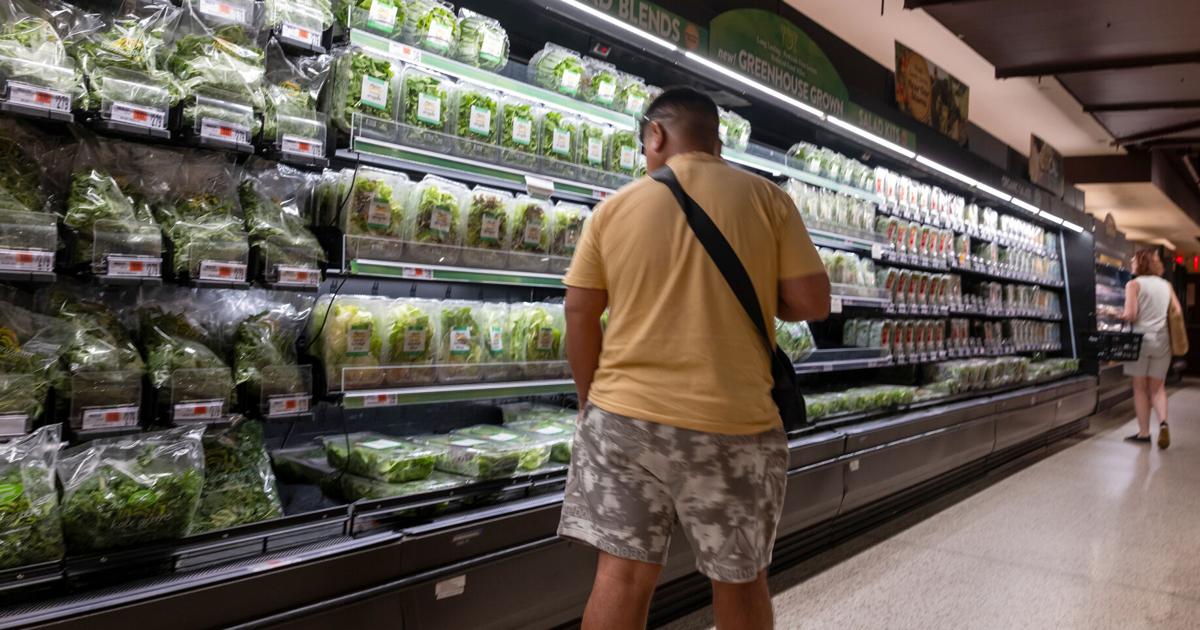
The FDA's August 2026 cyclospora outbreak—affecting 14,000+ domestically acquired cases with 9,480 linked to contaminated iceberg lettuce across 17 states—represents a critical compliance inflection point for food and produce sellers on Amazon Fresh, Walmart+, and specialty grocery platforms. This 1,085% case increase from 2025 (1,180 vs. 14,000 cases) signals intensified FDA enforcement and traceback protocols that directly impact e-commerce food suppliers' operational costs and market access.
Compliance Barriers & Market Consolidation: The outbreak's most significant seller impact emerges from FDA's expanded traceback requirements and the seven unidentified outbreak investigations still underway. Sellers sourcing iceberg lettuce, mixed greens, or raw produce must now implement enhanced supplier verification, testing protocols, and documentation—estimated at $15,000-$40,000 annually for mid-sized produce suppliers. This compliance cost creates a natural market consolidation mechanism: small sellers (under $500K annual produce revenue) face disproportionate burden, while large suppliers with existing food safety infrastructure (Dole, Fresh Express, Driscoll's) absorb costs more efficiently. The FDA's acknowledgment that investigations require "substantial time due to extended symptom onset periods and sequencing difficulties" signals regulatory scrutiny will remain elevated for 6-12 months, extending compliance timelines and certification costs.
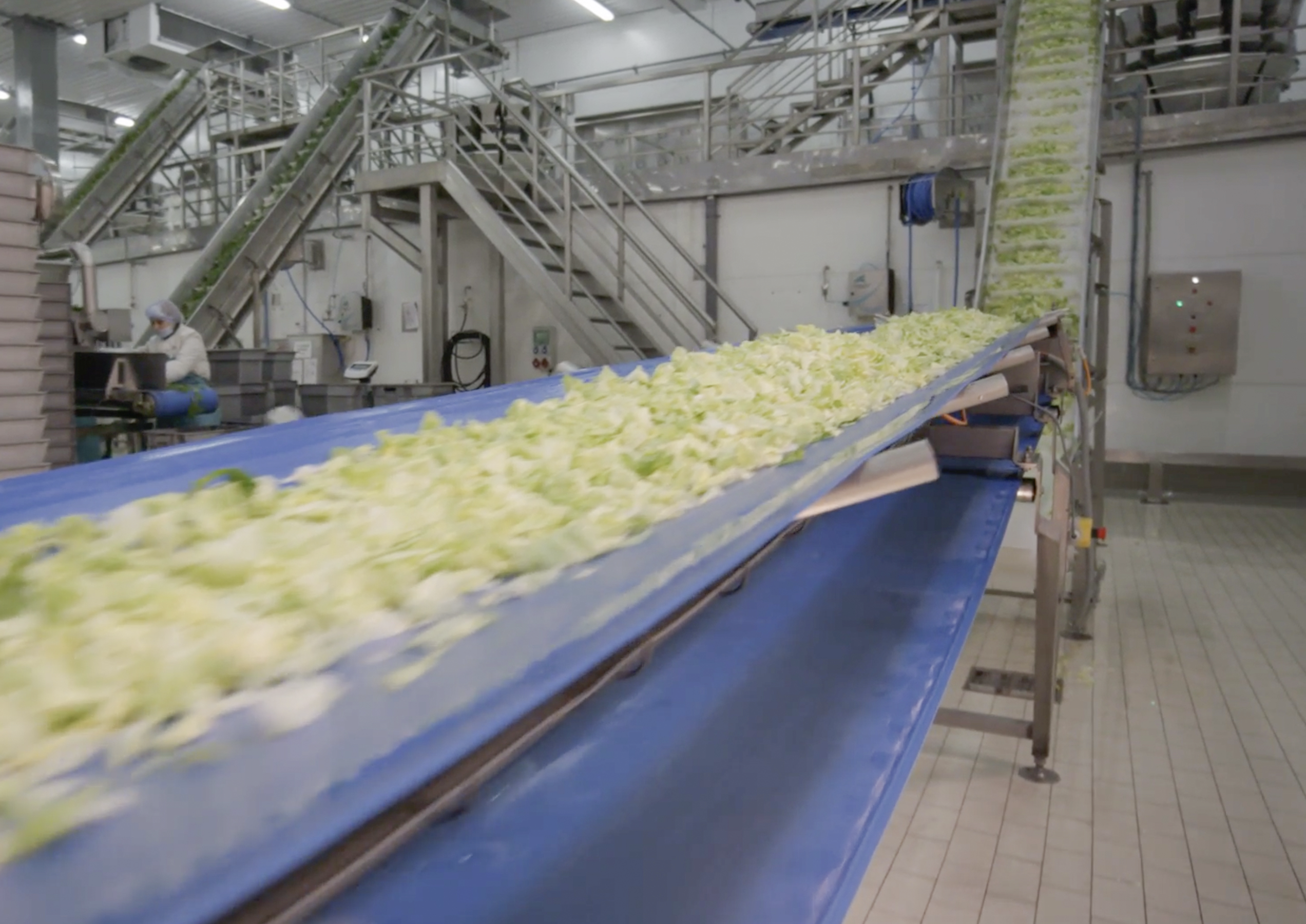
Category-Specific Opportunities: The outbreak eliminates non-compliant lettuce suppliers but creates demand for compliant alternatives: pre-packaged salad kits with verified sourcing, organic/locally-sourced greens with third-party certification, and hydroponic/controlled-environment produce (which bypasses traditional contamination risks). Sellers offering these alternatives can command 15-25% price premiums while capturing market share from recalled suppliers. Additionally, demand surges for food safety compliance services—supplier auditing, testing lab partnerships, and FDA documentation platforms—represent underserved B2B opportunities for logistics and compliance tech providers.
Geographic & Platform Implications: The outbreak's concentration in 17 states (Maine, Massachusetts, and others) creates regional supply chain disruptions affecting Amazon Fresh, Walmart+ Fresh, and regional grocery delivery platforms. Sellers in unaffected states (California, Texas, Florida) gain temporary competitive advantage for produce fulfillment. The Nexstar analysis indicating 30,000+ probable cases (vs. 14,000 confirmed) suggests FDA enforcement intensity will escalate, making compliance certification a Buy Box requirement within 90-180 days on major platforms.
Questions 7
Which geographic markets face the most severe supply chain disruption?
The 17 affected states (Maine, Massachusetts, and others) face 30-60 day supply delays as FDA traceback investigations continue. Sellers in unaffected states (California, Texas, Florida) gain temporary competitive advantage for produce fulfillment on Amazon Fresh and Walmart+. Regional grocery delivery platforms in affected states may see 20-40% price increases as compliant suppliers reduce volume. Sellers should prioritize sourcing from unaffected regions through Q4 2026 to maintain margin stability.
What B2B compliance service opportunities emerge from this outbreak?
The outbreak creates high-demand opportunities for: (1) FDA traceback documentation platforms ($500-$2,000/month SaaS), (2) supplier auditing and verification services ($8,000-$20,000 per audit), (3) pathogen testing lab partnerships ($2,000-$5,000 per batch), and (4) food safety compliance consulting ($150-$300/hour). Logistics and compliance tech providers can capture 30-50% margin expansion by bundling these services for food sellers. Estimated market opportunity: $200M-$400M in new compliance service demand through 2027.