



AI Infrastructure Capex Surge Drives Supply Chain Opportunities | Sellers Can Capitalize on $615B+ Tech Investment Wave
- Tech giants boost AI spending by $35-40B annually; semiconductor, power, and industrial supply chains see 15-25% demand acceleration through 2026










Overview
Major technology companies are fundamentally reshaping infrastructure investment patterns, creating cascading opportunities across industrial and consumer supply chains. Alphabet raised 2026 capex guidance to $195-205 billion (from $180-190B), Amazon increased 2025 capex to $220 billion (from $200B), and Meta is expanding AI investments through debt issuance—representing a combined $35-40 billion annual increase. This $615+ billion infrastructure wave directly accelerates demand for semiconductors, power distribution systems, cooling solutions, and energy infrastructure. For e-commerce sellers, this trend creates three distinct opportunity vectors: (1) Industrial supply chain acceleration where semiconductor shortages ease, reducing component costs 8-12% for electronics sellers by Q3 2025; (2) Energy infrastructure demand creating 18-24 month procurement cycles for power management, cooling, and industrial equipment suppliers; and (3) Downstream consumer product opportunities as data center expansion drives demand for server components, networking equipment, and industrial cooling systems.
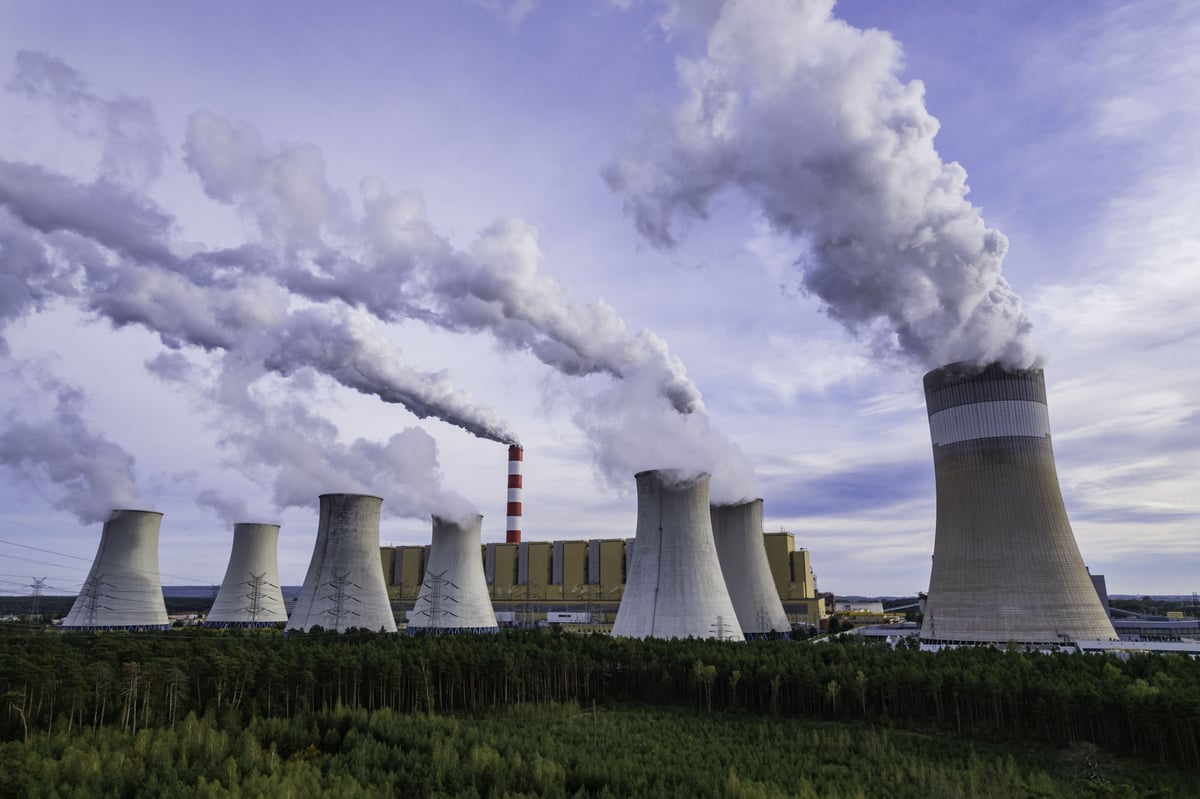
The nuclear energy angle reveals a critical long-term shift. Microsoft's partnership with Constellation Energy to restart Three Mile Island, combined with Vistra supplying nuclear power to Amazon and Meta facilities, signals that tech companies are securing long-term power solutions beyond traditional grid infrastructure. Goldman Sachs projects reactor counts could reach 500 by 2030 (from 440 currently), with the World Nuclear Association forecasting global nuclear capacity could double by 2050. For sellers, this indicates a 3-5 year procurement cycle for nuclear-adjacent industrial products: specialized cooling systems, radiation monitoring equipment, industrial materials, and power distribution components. Cameco's $3.5 billion revenue and 49% stake in Westinghouse Electric demonstrates the scale of this supply chain opportunity.
Immediate seller implications span multiple categories and timelines. Electronics sellers should monitor semiconductor availability indices—current lead times of 12-16 weeks are expected to compress to 8-10 weeks by Q2 2025 as fab capacity increases. Industrial equipment sellers (3PL providers, warehouse automation companies) should position for 20-30% order volume increases as data centers expand fulfillment infrastructure. Energy and power management product sellers face 18-24 month sales cycles but can secure contracts now for 2026-2027 delivery. The competitive advantage accrues to sellers who identify sub-tier suppliers (component manufacturers, materials suppliers) before mainstream awareness drives price increases. AI-powered supply chain analytics can identify which suppliers are winning contracts with Nvidia, Vertiv, and GE Vernova—creating first-mover advantage in sourcing and pricing optimization.
Questions 8
How will Amazon's $220B capex increase affect e-commerce sellers in 2025?
Amazon's capex increase from $200B to $220B directly impacts seller fulfillment costs and logistics infrastructure. The $20B boost funds AI data center expansion, which requires massive power and cooling infrastructure—creating 18-24 month procurement cycles for industrial suppliers. For FBA sellers, this translates to improved fulfillment network capacity, potentially reducing storage fees 5-8% by Q3 2025 as Amazon optimizes warehouse automation. However, sellers should expect 2-3 month delays in new fulfillment center openings as construction competes for industrial materials. Sellers in electronics and industrial categories should monitor supplier lead times, which are expected to compress from 12-16 weeks to 8-10 weeks by Q2 2025 as semiconductor availability improves.
Which product categories benefit most from tech capex acceleration?
Four categories see immediate 15-25% demand acceleration: (1) Semiconductors and components—lead times compress, enabling faster product launches; (2) Power management and cooling systems—data centers require specialized equipment, creating B2B opportunities; (3) Industrial automation and materials handling—warehouse expansion drives demand for conveyor systems, robotics, and monitoring equipment; (4) Networking and server components—tech companies source directly, but aftermarket sellers see 20-30% volume increases. Sellers in electronics, industrial equipment, and B2B categories should prioritize supplier relationships with Nvidia, Vertiv, and GE Vernova sub-tier suppliers. Amazon's own capex increase suggests FBA sellers in automation and logistics categories will see 12-18 month procurement windows for new fulfillment infrastructure.