



China's Economic Slowdown Reshapes Global Supply Chains | Tariff Arbitrage & Export Competition Surge
- Fixed-asset investment falls 7%, retail sales grow only 0.6% YoY; Chinese manufacturers flood export markets, intensifying tariff tensions and creating urgent sourcing strategy shifts for cross-border sellers












Overview
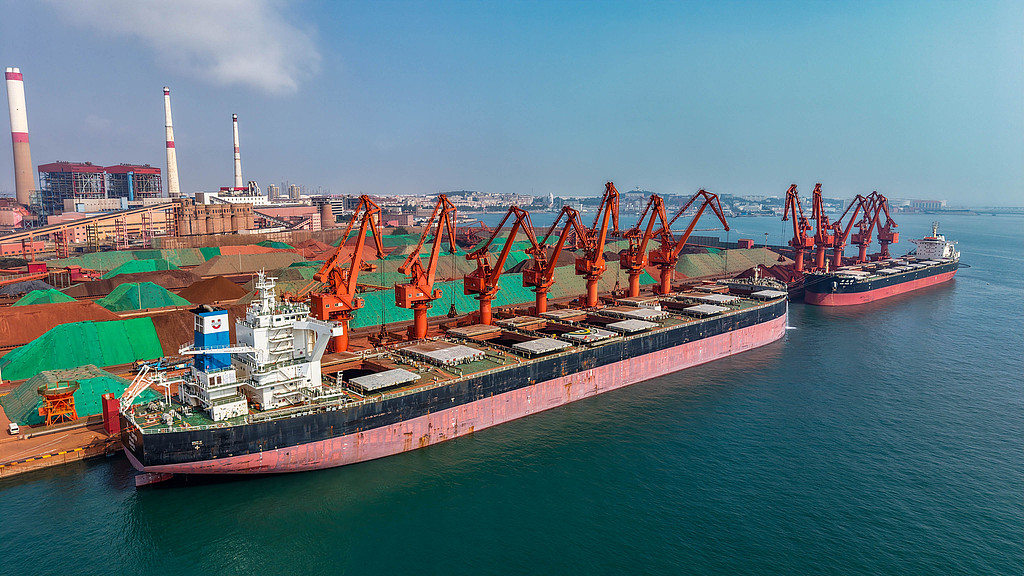
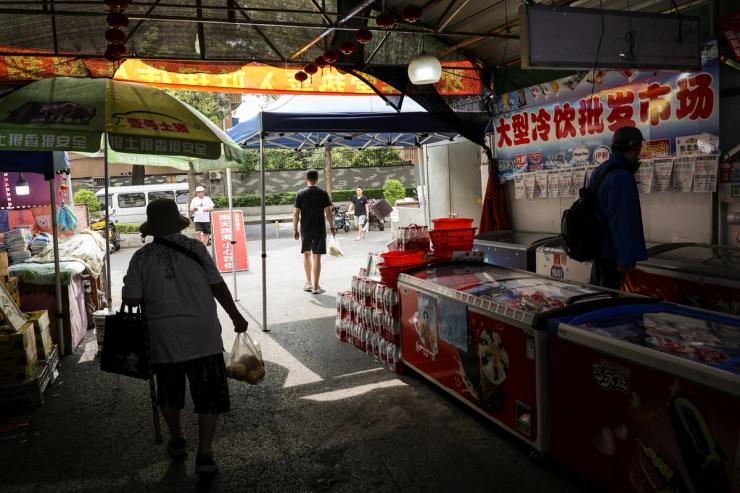
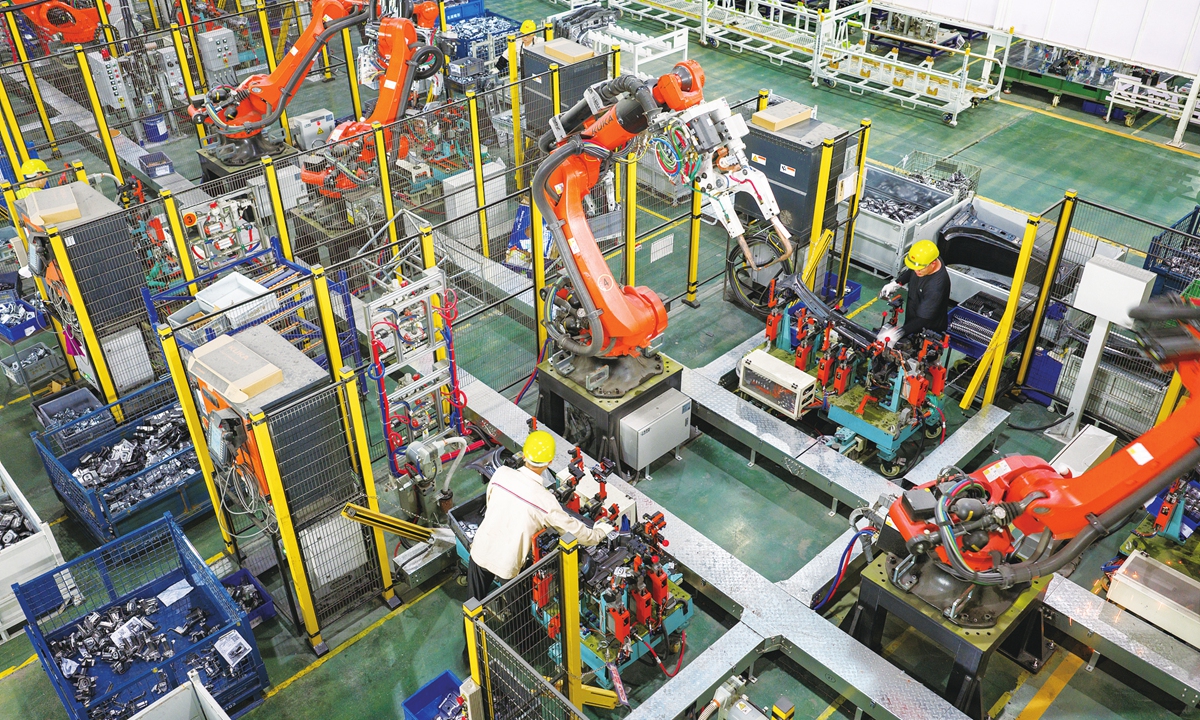
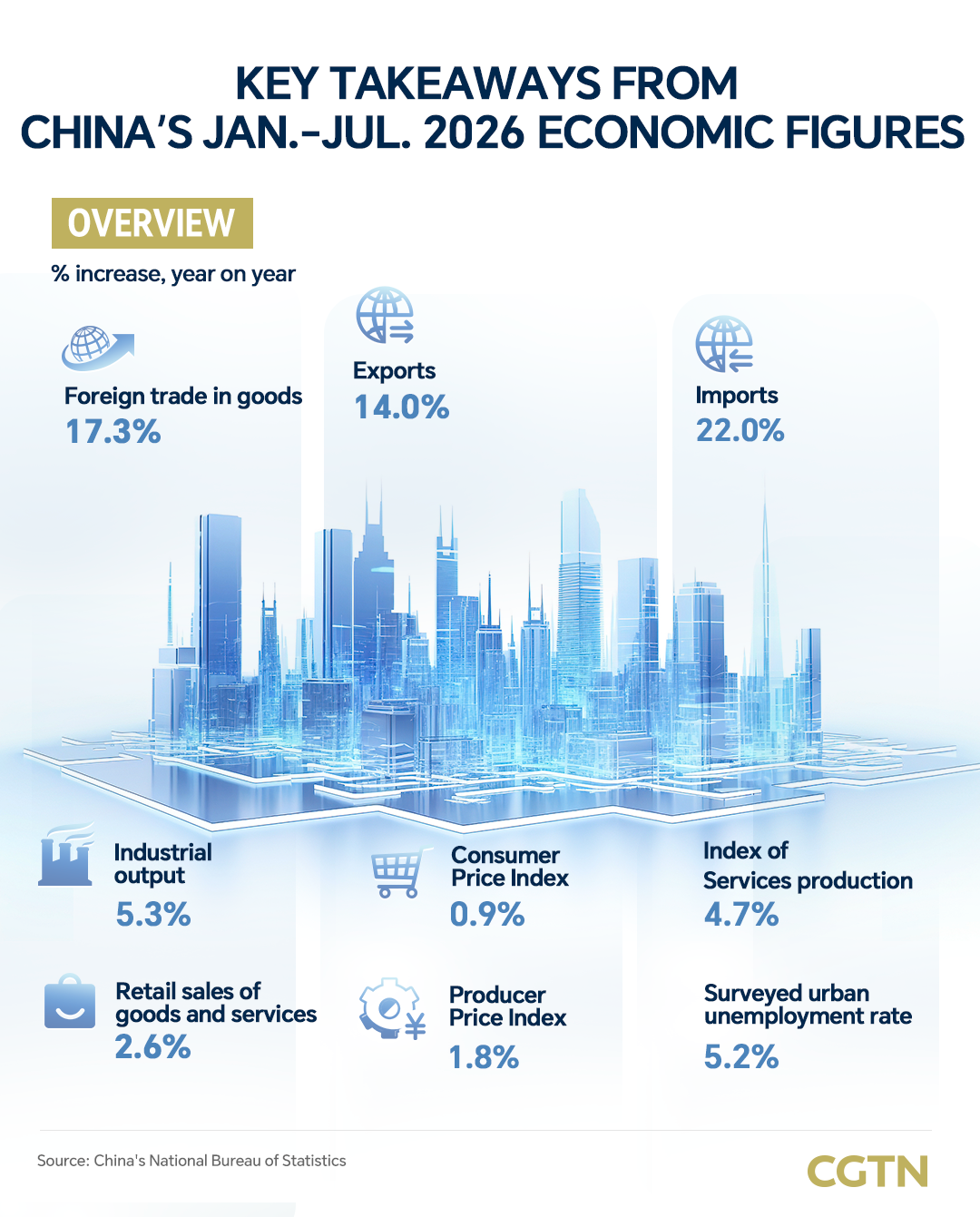
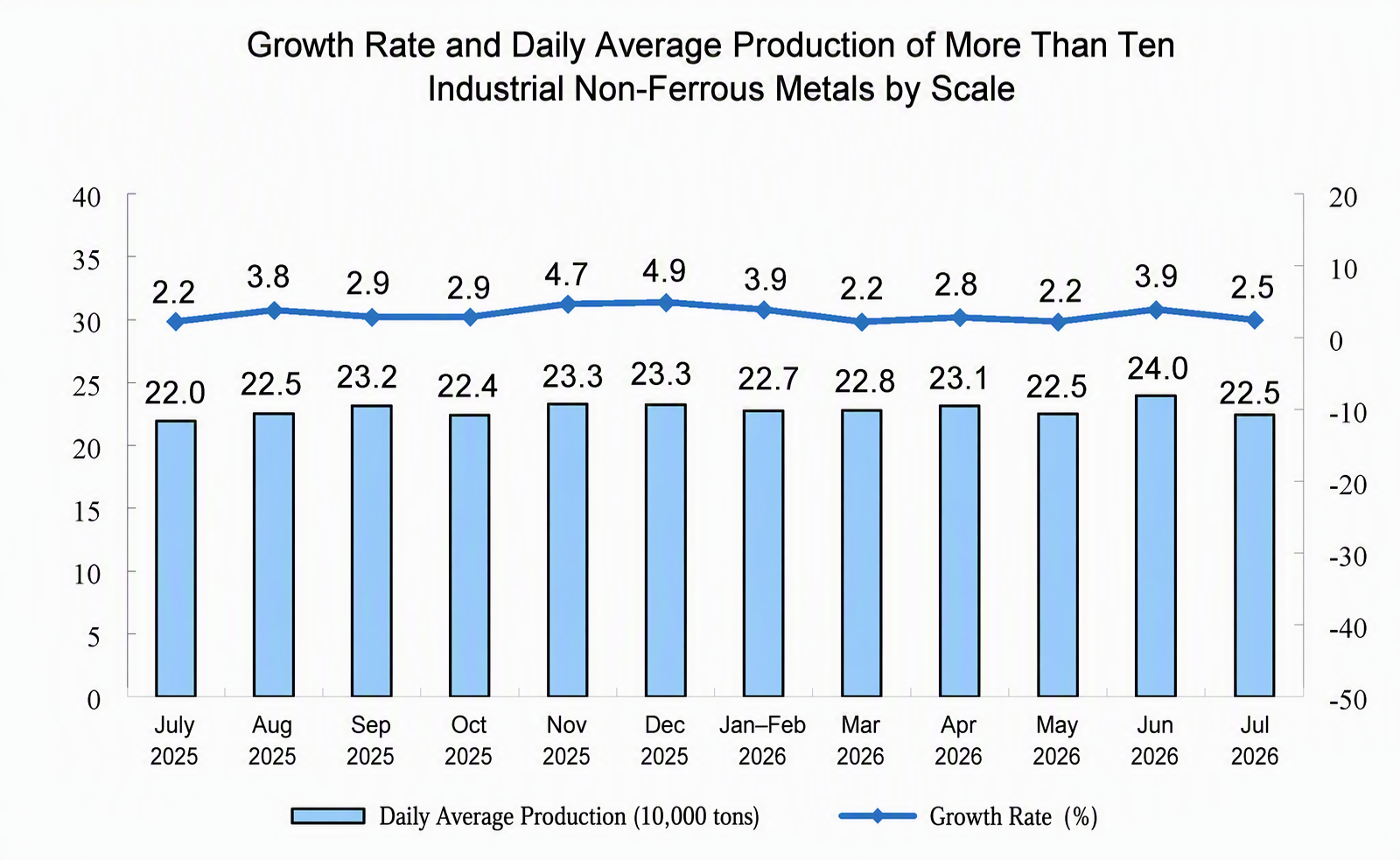
China's structural economic imbalance is fundamentally reshaping global trade dynamics and creating both acute risks and strategic opportunities for cross-border e-commerce sellers. According to July 2024 National Bureau of Statistics data, China's fixed-asset investment collapsed nearly 7% in the first seven months of 2024, while retail sales grew only 0.6% year-over-year—signaling a critical divergence between production capacity and domestic demand. Simultaneously, industrial output surged 4.5% in July with high-tech manufacturing jumping 14%, driven by AI-related production. This supply-demand mismatch is forcing Chinese manufacturers to aggressively pursue export markets, fundamentally altering competitive dynamics for sellers globally.
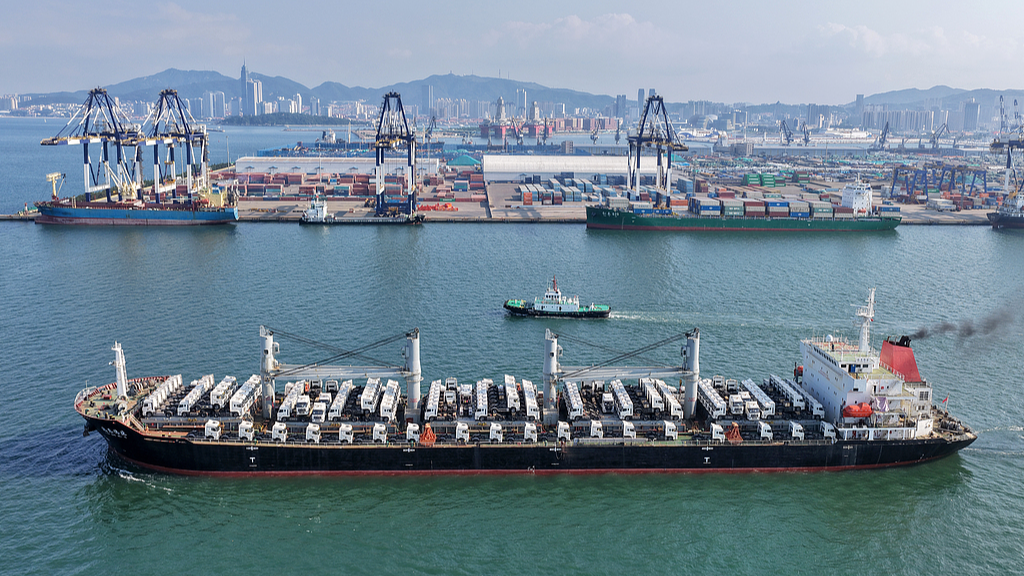
The tariff arbitrage opportunity window is narrowing as trade tensions escalate. With Chinese manufacturers desperate to offload excess production capacity, export competition is intensifying across electronics, appliances, home goods, and automotive components. ABN Amro economist Arjen van Dijkhuizen warns this "widening gap between production and consumption is potentially fueling further trade tensions with major partners," particularly affecting Europe's automotive sector. For sellers, this creates a critical decision point: Chinese suppliers are offering aggressive pricing to secure export contracts, but this aggressive export push is simultaneously triggering protectionist responses from trading partners. Sellers sourcing from China should expect tariff escalations within 3-6 months, particularly in high-tech categories (HS codes 8471-8517 for electronics, 8704-8708 for automotive components). The sustainability window for absorbing Chinese production at current pricing is estimated at 2-4 quarters before tariff countermeasures take effect.
Currency volatility and logistics cost compression create immediate sourcing advantages for agile sellers. China's economic weakness is pressuring the yuan, making Chinese exports 3-5% more price-competitive in USD terms. Simultaneously, reduced domestic freight demand is compressing logistics costs from China by 8-12% compared to Q1 2024 levels. Sellers with flexible sourcing strategies can capitalize on this 6-12 month window by: (1) locking in supplier contracts at historically low prices before tariff escalations, (2) shifting 15-25% of inventory from established suppliers to emerging alternatives (Vietnam, India, Indonesia) to hedge tariff risk, and (3) accelerating inventory builds in tariff-advantaged categories before potential policy changes. However, China's GDP deceleration to 4.3% in Q2 (from 5% in Q1) signals continued economic weakness, meaning supplier financial stability is a critical risk—verify supplier credit ratings and consider shorter payment terms (30-45 days vs. 60-90 days) to mitigate default risk.
Policy stimulus uncertainty creates both compliance and competitive risks. Beijing has extended consumer support measures (car and appliance trade-in subsidies) but stopped short of large-scale fiscal stimulus, indicating policymakers are uncertain about intervention effectiveness. This policy vacuum means sellers should monitor three critical developments: (1) potential RMB devaluation policies that could trigger retaliatory tariffs, (2) export subsidy programs that may trigger WTO complaints and counter-tariffs, and (3) infrastructure stimulus announcements that could shift manufacturing capacity allocation. For sellers dependent on Chinese manufacturing, this 3-6 month period requires active policy monitoring—subscribe to China Ministry of Commerce announcements and track US/EU trade office statements for early warning signals of tariff escalations.
Questions 7
How will China's policy stimulus uncertainty affect supplier stability and payment terms?
Beijing's decision to extend consumer support measures (car/appliance trade-in subsidies) but avoid large-scale fiscal stimulus signals policymakers are uncertain about intervention effectiveness. This policy vacuum creates supplier financial risk—Chinese manufacturers facing domestic demand collapse may struggle with cash flow, increasing default risk. Sellers should immediately: (1) Verify supplier credit ratings through Alibaba Trade Assurance or Dun & Bradstreet; (2) Reduce payment terms from 60-90 days to 30-45 days to minimize exposure; (3) Diversify supplier base to reduce concentration risk. Monitor China Ministry of Commerce announcements for infrastructure stimulus or export subsidy programs—these could signal policy shifts that either stabilize suppliers (positive) or trigger retaliatory tariffs (negative). Sellers with suppliers showing credit deterioration should accelerate inventory builds before potential payment defaults.
What is the timeline for tariff escalations and how should sellers prepare?
Based on historical trade tension patterns, tariff escalations typically emerge 3-6 months after export surge signals. The current timeline suggests: **Months 1-2 (immediate)**: Lock in supplier contracts and negotiate pricing before tariff announcements. **Months 2-4**: Monitor USTR and EU trade offices for tariff investigation announcements (typically precede implementation by 60-90 days). **Months 4-6**: Tariff escalations likely take effect, with rates potentially increasing 15-25% for high-tech categories. Sellers should immediately: (1) Audit current tariff rates for all SKUs at USTR.gov and EU Tariff Database; (2) Model pricing impact assuming 15-25% tariff increases; (3) Evaluate customer price elasticity to determine if tariff costs can be passed through; (4) Accelerate inventory builds in tariff-advantaged categories before escalations take effect. Sellers with Q4 peak season inventory needs should prioritize sourcing completion by end of Q3 2024 to avoid tariff escalations.