




The Great Tech Unraveling: How US Innovation Surrenders to Global Manufacturing Pressures
- Robotics industry transformation signals deeper shifts in technological competitiveness for US manufacturers

















Overview
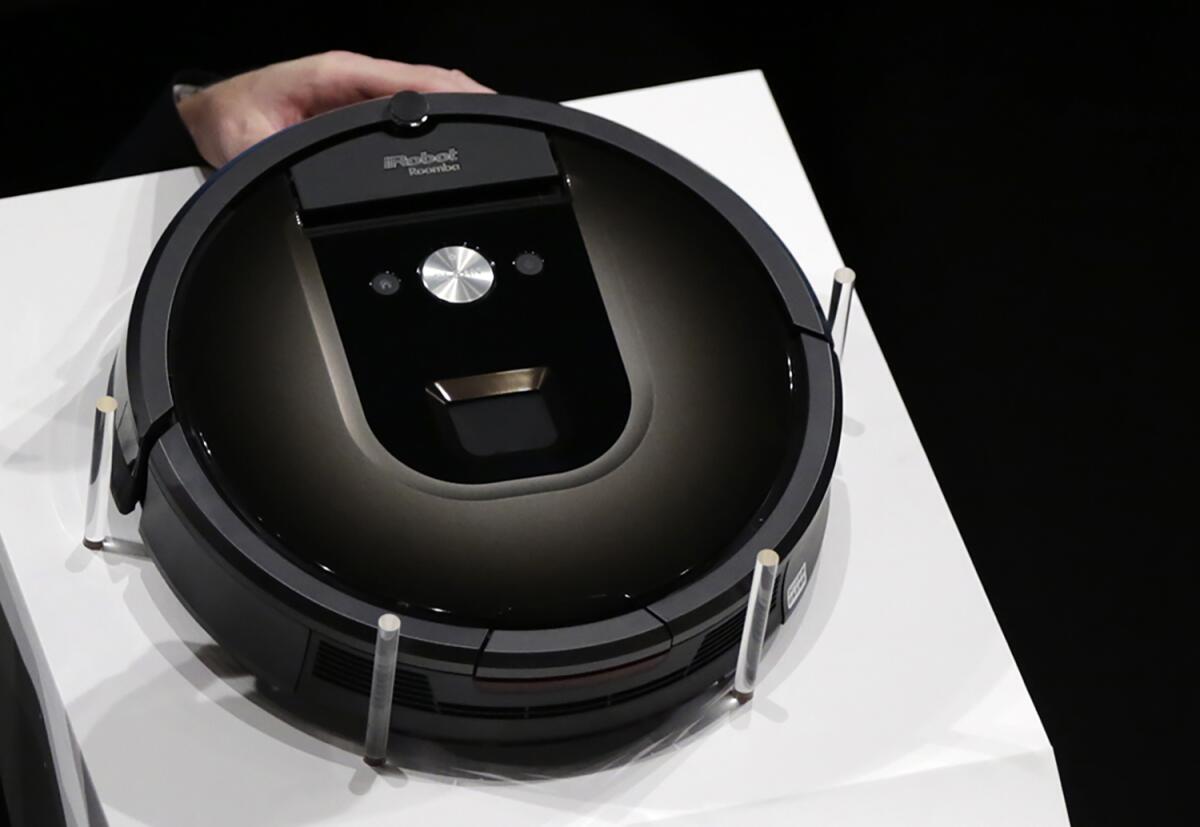
The iRobot bankruptcy represents a pivotal moment in the global technology landscape, revealing the profound challenges facing U.S. hardware innovators in an increasingly competitive international market. At its core, this story is about more than one company's failure—it's a systemic illustration of how technological innovation can be undermined by complex economic pressures.
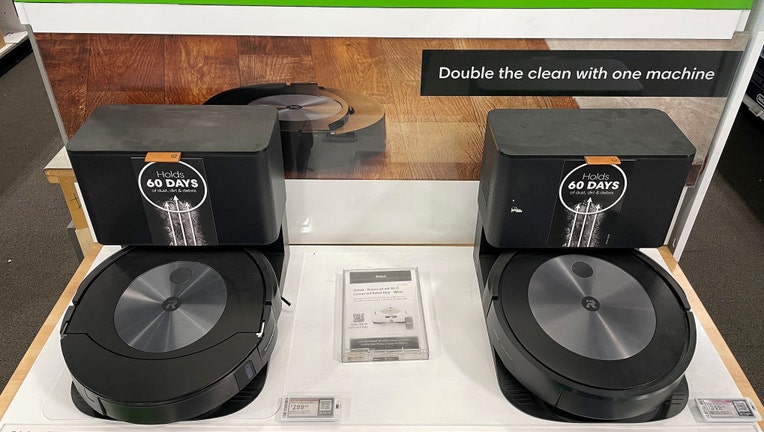
Tariff dynamics and manufacturing cost structures played a critical role in iRobot's downfall. The company faced a perfect storm of challenges: $3.4 million in customs tariffs, nearly $100 million owed to its Chinese manufacturer Picea Robotics, and a 33% revenue decline in the U.S. market. These financial pressures exposed the fundamental vulnerability of U.S. hardware companies relying on complex global supply chains.
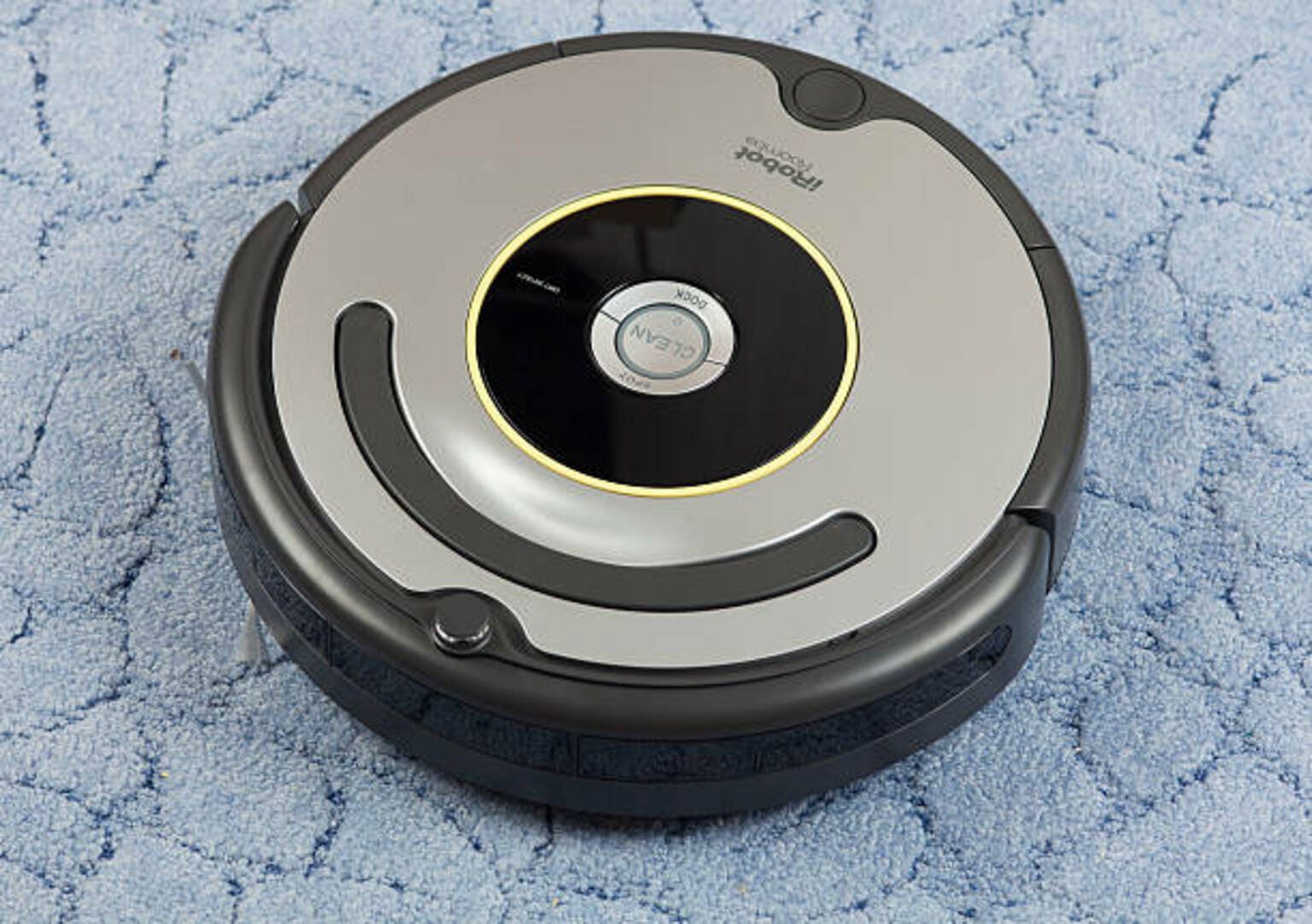
The most striking aspect of this narrative is the technological commoditization process. iRobot, once a pioneering robotics firm that transformed home cleaning, ultimately could not sustain its competitive edge against Chinese manufacturers producing similar products at significantly lower price points. This transition represents a broader trend of technological innovation shifting from established Western companies to more agile Asian manufacturers.
For cross-border technology sellers and innovators, the iRobot case study offers critical insights. The key lessons are clear: maintaining technological leadership requires more than initial innovation. Companies must continuously adapt their manufacturing strategies, manage production costs ruthlessly, and develop defensible competitive advantages beyond the initial product concept.
The strategic implications are profound. U.S. technology firms must now recognize that global manufacturing is not just about cost, but about entire ecosystem capabilities. Chinese manufacturers like Picea Robotics are not just cheaper—they're increasingly sophisticated, integrated, and strategically positioned to rapidly commoditize innovative technologies.
Ultimately, iRobot's bankruptcy is a warning signal: in the current global technology landscape, innovation alone is insufficient. Survival demands a holistic approach that combines technological creativity with agile manufacturing, strategic cost management, and a deep understanding of evolving global trade dynamics.
Questions 3
What are the broader implications of iRobot's bankruptcy for US technology companies?
The bankruptcy signals that US technology firms must develop more holistic strategies beyond initial innovation, including agile manufacturing capabilities, sophisticated global supply chain management, and continuous technological adaptation to maintain competitive advantages.
Why did iRobot ultimately fail despite being an innovation leader?
iRobot failed due to a combination of high production costs, intense Chinese competition, substantial tariff burdens, and an inability to maintain technological differentiation. The company could not sustain its market leadership as Chinese manufacturers rapidly commoditized its innovative robot vacuum technology at significantly lower price points.