


Hormuz Crisis Drives Shipping Costs Up 15-25% | E-Commerce Sellers Face Margin Compression Through 2027
- Oil prices stabilized at $90/barrel (+$50 vs year-start), tanker rates surge to $490K daily, FBA fulfillment costs rising 8-12% monthly for high-volume sellers






Overview
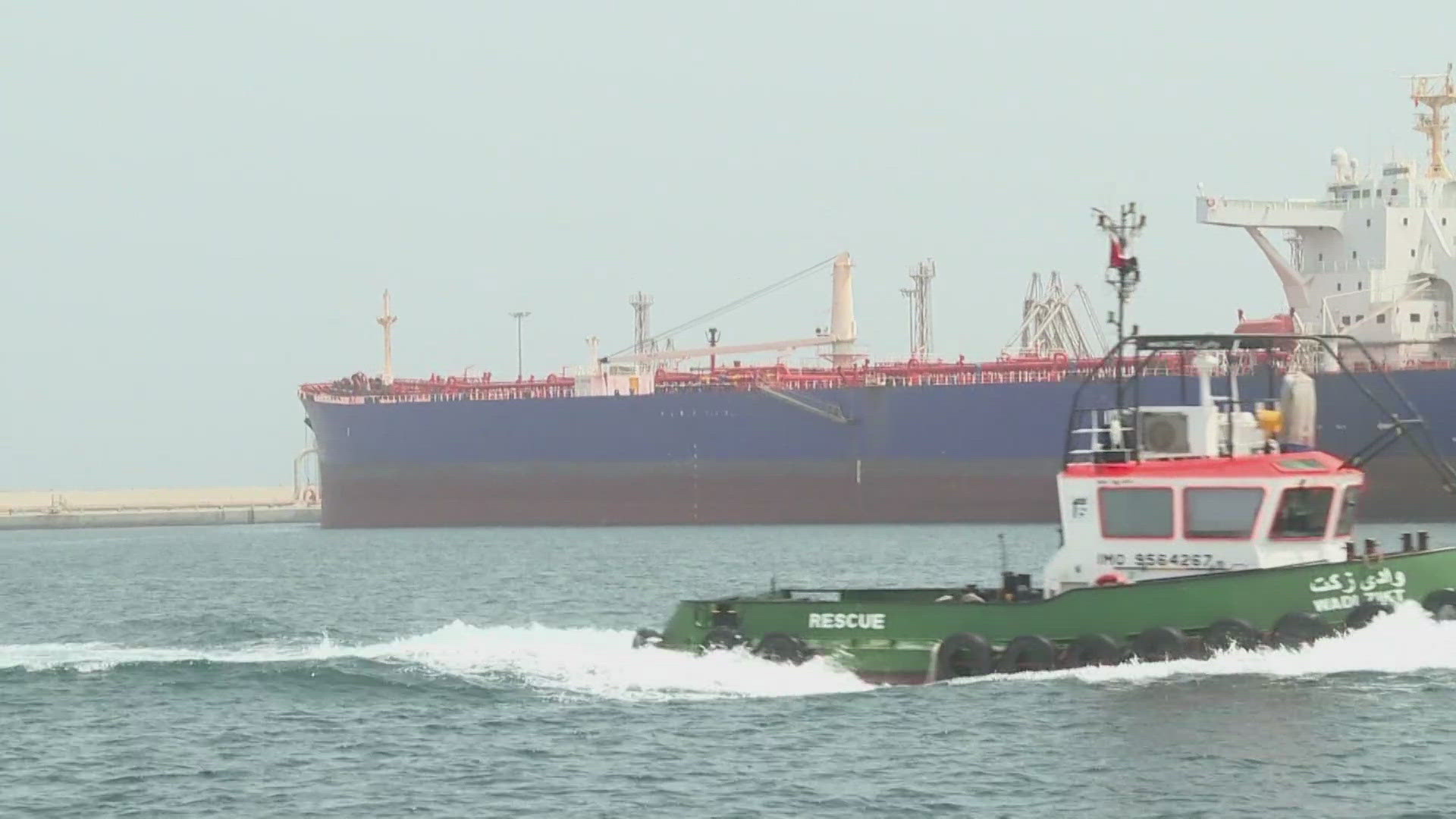
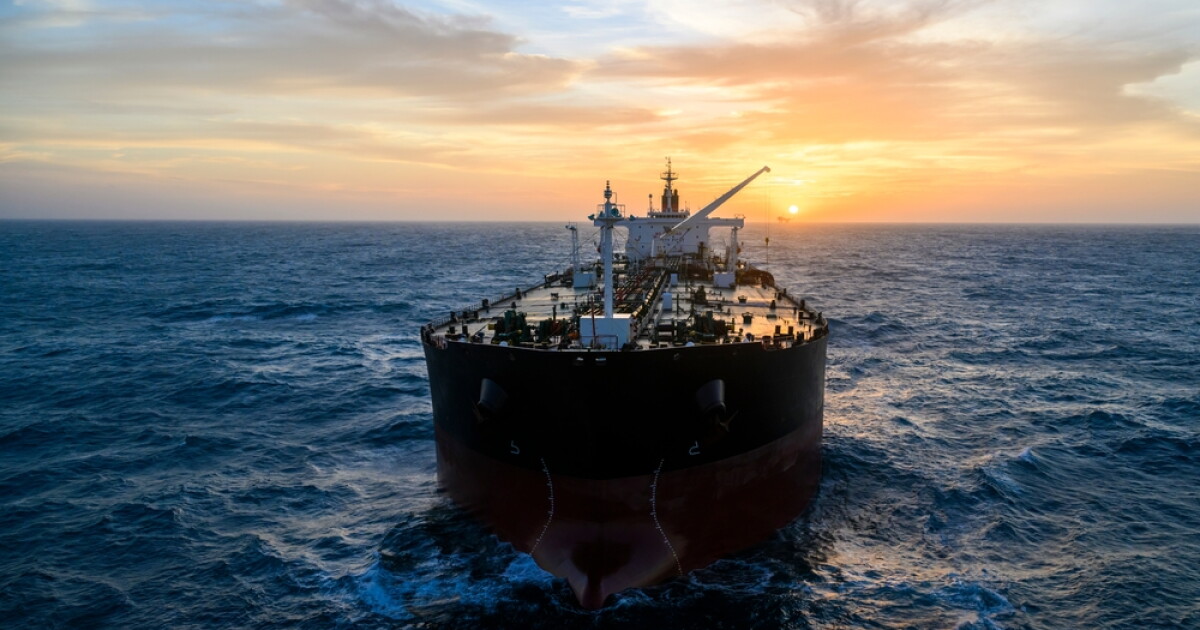
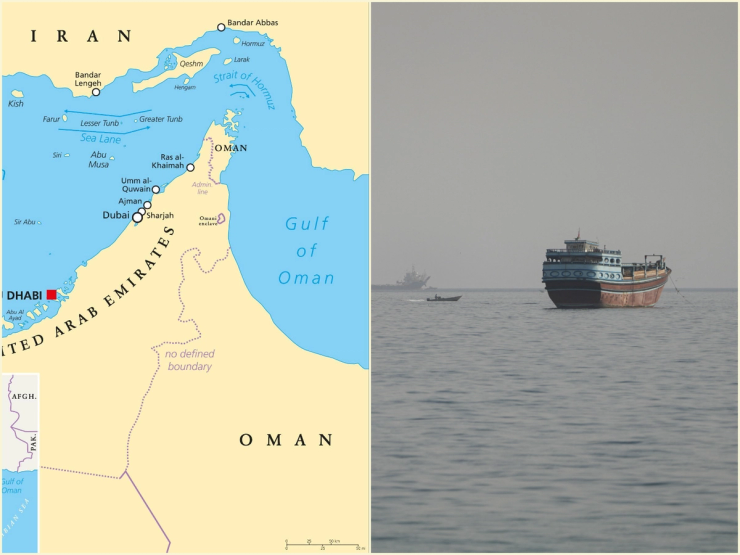
The prolonged U.S.-Iran conflict over the Strait of Hormuz is reshaping global energy markets and directly impacting e-commerce logistics costs. Crude oil prices have stabilized around $90 per barrel—approximately $50 higher than year-start levels—as diplomatic solutions have collapsed following the June 17 ceasefire agreement's failure. Brent crude rose 1% to $91.78/barrel while West Texas Intermediate gained 1.4% to $85.68/barrel, driven by Iran's threat to maintain Hormuz closure and escalating military posturing. Critically, Middle East crude flows through Hormuz plummeted from 18 million barrels per day pre-conflict to just 2 million bpd in August, with benchmark tanker rates from Middle East to China surging to $490,000 daily—reflecting shipowners' reluctance to navigate conflict zones.
For cross-border e-commerce sellers, this represents a structural cost shock rather than temporary volatility. Rising fuel costs directly increase shipping expenses for FBA sellers, third-party logistics providers, and freight forwarders relying on fuel surcharges. Sellers using Amazon FBA or 3PL services should expect fulfillment cost increases of 8-12% monthly for operations shipping 1,000+ units, with costs potentially persisting through multiple quarters. The news articles indicate this is no longer a temporary shock but "structural trade reshaping" likely sustaining elevated oil prices into 2027, according to DBS Bank's energy research head Suvro Sarkar. U.S. gasoline averaged $4.06 per gallon (up 29 cents annually), pressuring consumer spending and reducing demand elasticity for price-sensitive categories.
Supply chain unpredictability creates additional operational risks. Sellers relying on just-in-time inventory models face increased disruption risk as alternative shipping routes (Red Sea, Suez Canal) face pressure from Yemen's Houthis blockading Saudi exports. Global refinery throughput fell nearly 5 million barrels per day below year-earlier levels at 81 million bpd, while U.S. diesel inventories hit 30-year lows—signaling constrained logistics capacity. The market is pricing in prolonged restrictions through 2027, meaning sellers cannot rely on near-term price relief. Iran's economic strain (inflation exceeding 80% year-over-year in July) and crude exports collapsing from 1.7 million bpd to 294,000 bpd indicate no rapid diplomatic resolution. Sellers should immediately audit logistics partnerships, monitor fuel surcharge adjustments, and consider strategic pricing adjustments to offset margin compression across electronics, apparel, and home goods categories most sensitive to shipping cost volatility.
Questions 8
Are there sourcing opportunities in countries benefiting from Hormuz disruptions?
Vietnam, India, and Indonesia are becoming more attractive sourcing alternatives as sellers diversify away from Middle East-dependent supply chains. These countries offer lower fuel surcharge exposure since shipments route through Southeast Asian ports rather than Middle East chokepoints. However, sourcing shifts require 3-6 month lead times for supplier qualification, quality audits, and logistics setup. Sellers should evaluate Vietnam for electronics/apparel (lower labor costs, established supply chains) and India for textiles/home goods. The strategic advantage is reducing Hormuz-related disruption risk, not immediate cost savings—fuel surcharges will persist through 2027 regardless of sourcing location.
How do just-in-time inventory models need to change due to Hormuz uncertainty?
Sellers relying on just-in-time inventory models face increased disruption risk and should increase safety stock by 15-25% for critical SKUs. Middle East crude flows fell from 18 million bpd to 2 million bpd, creating unpredictable shipping timelines. Global refinery throughput fell nearly 5 million bpd below year-earlier levels, signaling constrained logistics capacity. Sellers should shift to 'just-in-case' inventory strategies for high-velocity items, maintaining 2-4 weeks of buffer stock instead of 3-5 days. This increases carrying costs but reduces stockout risk during disruptions. For low-velocity items, maintain just-in-time models but extend lead times by 2-3 weeks to account for Hormuz-related delays.