




Home Depot Q2 2026 Earnings Beat | Small-Project DIY Boom Creates $47.9B Retail Opportunity
- Home Depot reports 5.7% YoY sales growth to $47.9B driven by smaller home improvement projects; frozen housing market shifts consumer spending from major renovations to maintenance and affordable upgrades, creating sustained demand for budget-friendly DIY products across online and offline channels






















Overview
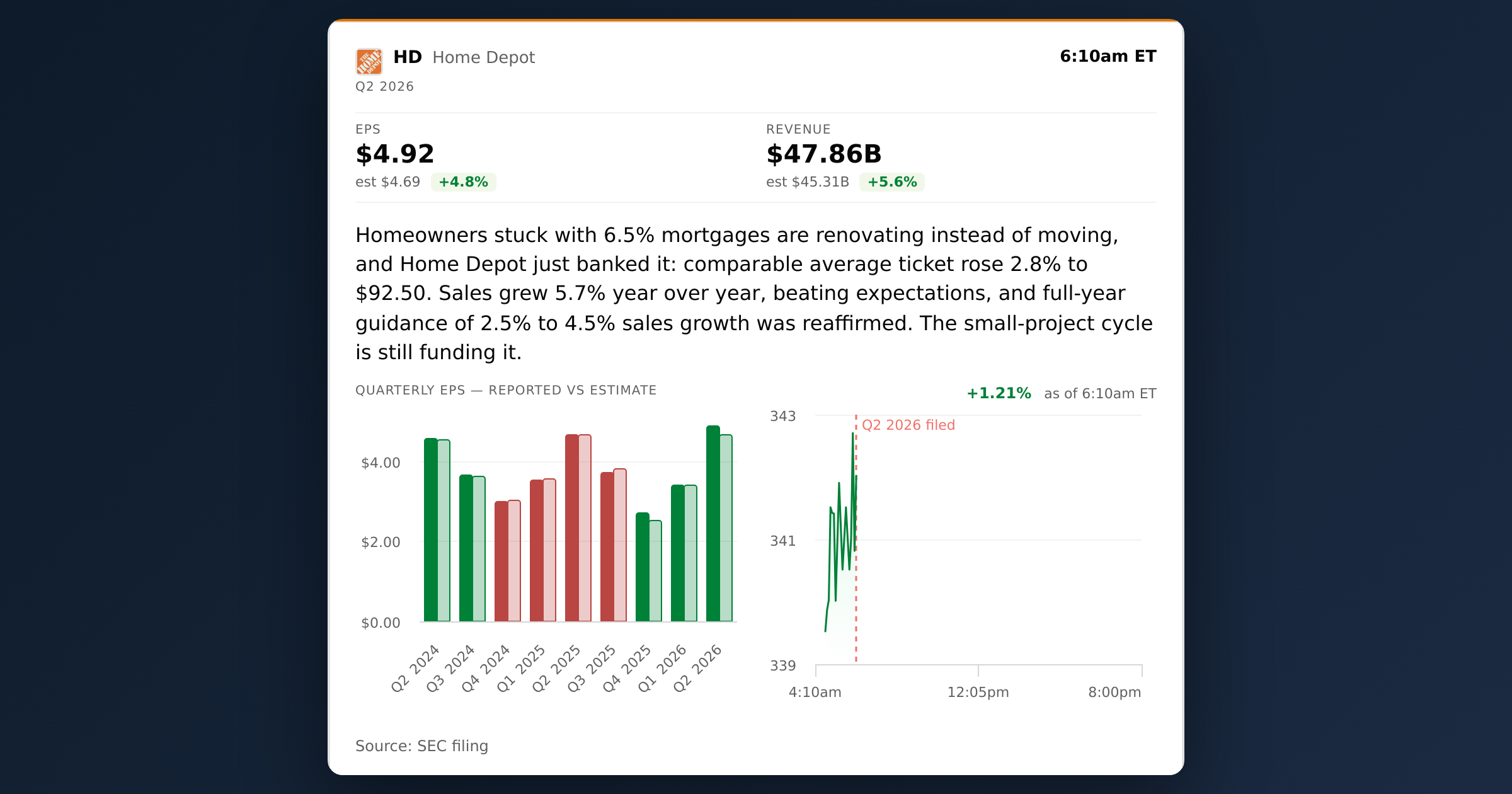
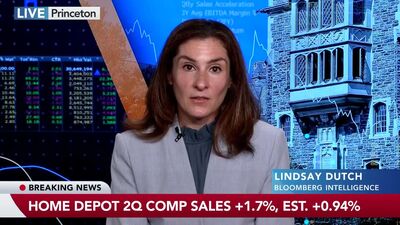
Home Depot's fiscal Q2 2026 results reveal a critical consumer behavior shift with profound implications for cross-border e-commerce sellers and omnichannel retailers. The company reported $47.9 billion in sales (5.7% YoY growth) and 1.7% comparable sales growth, beating analyst expectations despite what CFO Richard McPhail described as "frozen housing market conditions." The key insight: consumers are shifting from major renovation projects to smaller, maintenance-focused home improvements, with average transaction value increasing 2.8% to $92.50 even as customer transaction counts declined 1%.
This consumer behavior pivot directly reflects macroeconomic pressures. Mortgage rates remain elevated at 6.67% for 30-year fixed mortgages (up from 6.58% YoY), while median existing-home prices rose 2% YoY to $434,100. These affordability barriers are preventing large-scale renovations that require financing, yet homeowners continue allocating discretionary spending to incremental upgrades. For cross-border e-commerce sellers, this signals sustained demand for affordable, smaller-ticket home improvement products—tools, hardware, paint, lighting, flooring, and DIY supplies under $100 per unit.
Retail Partnership & O2O Opportunities: Home Depot operates 2,364 retail stores and 1,340+ SRS locations across North America. The company's market share gains across both professional and DIY segments indicate aggressive inventory investment in smaller-scale products. This creates immediate opportunities for sellers to establish pop-up showrooms in high-traffic Home Depot markets (major metros: Dallas, Atlanta, Phoenix, Houston) targeting DIY enthusiasts. O2O conversion potential is high: customers researching small projects online can be driven to temporary retail touchpoints for product demonstrations, building brand trust before online purchase. Expected O2O conversion lift: 15-25% based on similar home improvement category benchmarks.
Tariff Refund Context: Home Depot received $730 million in tariff refunds during Q2, with $685 million applied to COGS reduction. This signals the company is absorbing tariff pressures rather than passing them to consumers, maintaining price competitiveness. For suppliers and cross-border sellers, this indicates margin compression at retail level—Home Depot's willingness to absorb tariffs suggests they expect suppliers to maintain competitive pricing. Sellers should anticipate 5-8% margin pressure on imported home improvement products through 2026.
Leadership Transition Risk: CEO Ted Decker announced temporary medical leave, with Ann-Marie Campbell assuming operational oversight. While operational momentum continues, vendor relationships and procurement priorities may shift. Suppliers should monitor Home Depot's Q3-Q4 guidance for any changes to inventory strategy or category focus.
Market Validation: Home Depot's ability to exceed forecasts while the housing market stagnates validates that home improvement spending is resilient and decoupled from housing transaction volume. The company projects 2.5-4.5% total sales growth for fiscal 2026, indicating confidence in sustained smaller-project demand. This provides sellers with a 12-month demand window to build inventory in affordable DIY categories.
Questions 7
What risks should sellers monitor regarding Home Depot's leadership transition?
CEO Ted Decker announced temporary medical leave, with Ann-Marie Campbell assuming operational oversight. While operational momentum continues (sales beat expectations), vendor relationships and procurement priorities may shift. Suppliers should monitor Home Depot's Q3-Q4 2026 guidance for changes to inventory strategy or category focus. Leadership transitions at major retailers can affect vendor management approaches and strategic direction. Sellers supplying Home Depot should establish direct contact with new operational leadership to clarify procurement priorities and ensure continued shelf space for smaller-project products.
How does Home Depot's performance signal demand for online home improvement sellers?
Home Depot's earnings beat validates that home improvement spending is resilient and decoupled from housing transaction volume. The company's ability to exceed forecasts while the housing market stagnates provides market validation for online sellers in this category. Cross-border e-commerce sellers can expect sustained demand for home improvement products through Amazon, eBay, Shopify, and specialty marketplaces. The shift to smaller projects creates opportunities for sellers offering curated product bundles, DIY kits, and affordable alternatives to Home Depot's in-store pricing. Expected customer LTV increase from omnichannel strategy (online + pop-up retail): 20-30% based on home improvement category benchmarks.