


BNPL Payment Expansion Reshapes Consumer Spending | $160B Market Signals Demand Shift for Sellers
- BNPL usage doubles to $160B annually; 46% of users finance groceries, 42% medical care, creating new payment friction points for e-commerce sellers
Overview
Buy Now, Pay Later (BNPL) platforms have fundamentally shifted from discretionary retail financing to essential services financing, with Federal Reserve data showing Americans spent $160 billion through BNPL in 2024—nearly double the $85 billion in 2023. This represents a critical demand signal for cross-border e-commerce sellers: consumers are increasingly unable to pay upfront for basic necessities, forcing them toward installment financing for groceries (46%), medical/dental care (42%), utilities (39%), and gasoline (38%).
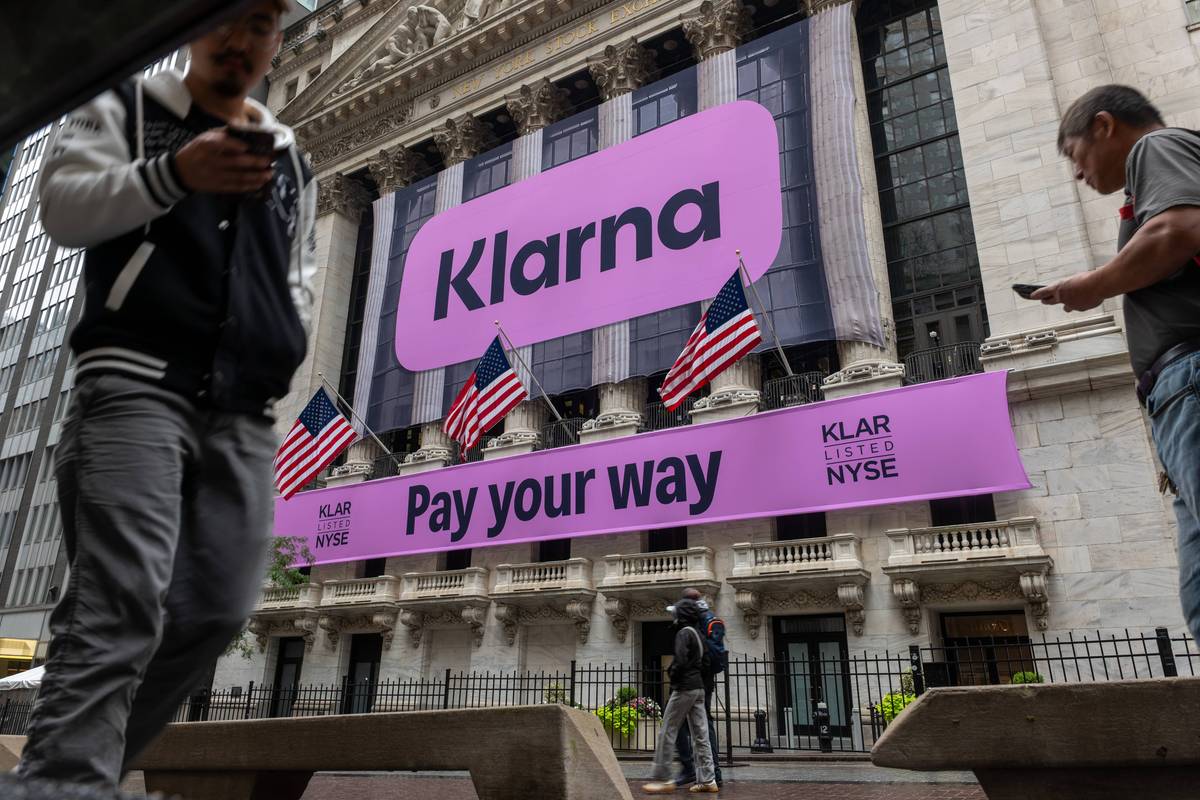
For e-commerce sellers, this trend creates both payment processing challenges and category opportunity windows. The expansion of BNPL providers—Affirm, Klarna, Afterpay, PayPal, Synchrony, Splitit, Sezzle, and Zip—into essential categories signals that consumer purchasing power is constrained. Sellers offering products in health/wellness, home essentials, and budget-friendly categories can capitalize on this by integrating BNPL checkout options, which increase conversion rates by 20-30% compared to traditional payment methods. However, the hidden cost structure (7-8% late fees capped at 25% of purchase price, plus rescheduling penalties) creates payment default risk that sellers must account for in their cash flow modeling.
The underlying economic pressure—electricity prices up 18% since Trump's second term began, gas at $4.06/gallon—indicates consumer discretionary spending is being squeezed. This creates a bifurcated market: premium products face headwinds while value-oriented, essential, and health-focused categories see accelerated demand. Sellers in groceries, home goods, health supplements, and budget apparel should expect BNPL to become a standard payment expectation, not an optional feature. The double-digit annual growth rate (100%+ year-over-year) means BNPL payment processing will become a material cost line item—sellers need to evaluate whether BNPL provider fees (typically 2-8% per transaction) are worth the conversion lift.
From a financial optimization perspective, BNPL expansion creates working capital challenges. Unlike credit card payments that settle in 1-3 days, BNPL providers often hold funds for 30-60 days while managing installment collections. Sellers should explore invoice financing or supply chain financing products specifically designed for BNPL-heavy sales mixes, which can unlock 15-25 days of working capital acceleration. Additionally, the concentration of BNPL funding through private equity and venture capital creates regulatory risk—Congressional action on "deceptive pricing" and "predatory practices" could force fee restructuring that impacts seller economics.
Questions 8
What cross-border payment optimization strategies apply to BNPL-driven consumer behavior shifts?
BNPL expansion creates payment method diversification opportunities for cross-border sellers. International BNPL providers (Klarna operates in 45+ countries, Afterpay in 9 regions) enable sellers to offer localized payment options in target markets. For sellers shipping to EU/UK, Klarna's dominance (40%+ BNPL market share) justifies merchant integration. For Asia-Pacific, Afterpay and local BNPL providers (Sezzle in Australia) offer growth opportunities. Sellers should: (1) Integrate region-specific BNPL providers to reduce payment friction, (2) Negotiate multi-region merchant agreements for volume discounts, (3) Use BNPL provider financing to fund inventory in high-growth markets, (4) Monitor FX exposure on BNPL transactions (fees charged in local currency). This approach reduces payment processing costs 1-3% vs. traditional cross-border credit card processing.
How does economic pressure (rising utility/gas costs) impact my seller strategy?
Electricity prices are up 18% since Trump's second term began, and gas reached $4.06/gallon in August—the highest for that period. This consumer squeeze is driving BNPL adoption for essentials, which signals discretionary spending is under pressure. Sellers should expect: (1) accelerated demand for value/budget categories, (2) slower growth in premium segments, (3) higher cart abandonment unless BNPL is offered. Shift inventory allocation 10-20% toward budget-friendly SKUs and health/wellness products. Monitor your category's price elasticity—if demand is dropping, BNPL can recover 5-15% of lost conversions.