






Meta's AI Facial Recognition Glasses Patent | Advertising Platform Evolution & Seller Data Strategy Implications
- Patent filed February 2024 with 44-page technical specifications; signals major shift in Meta's advertising data collection capabilities affecting 10M+ sellers using Meta ads

























































Overview
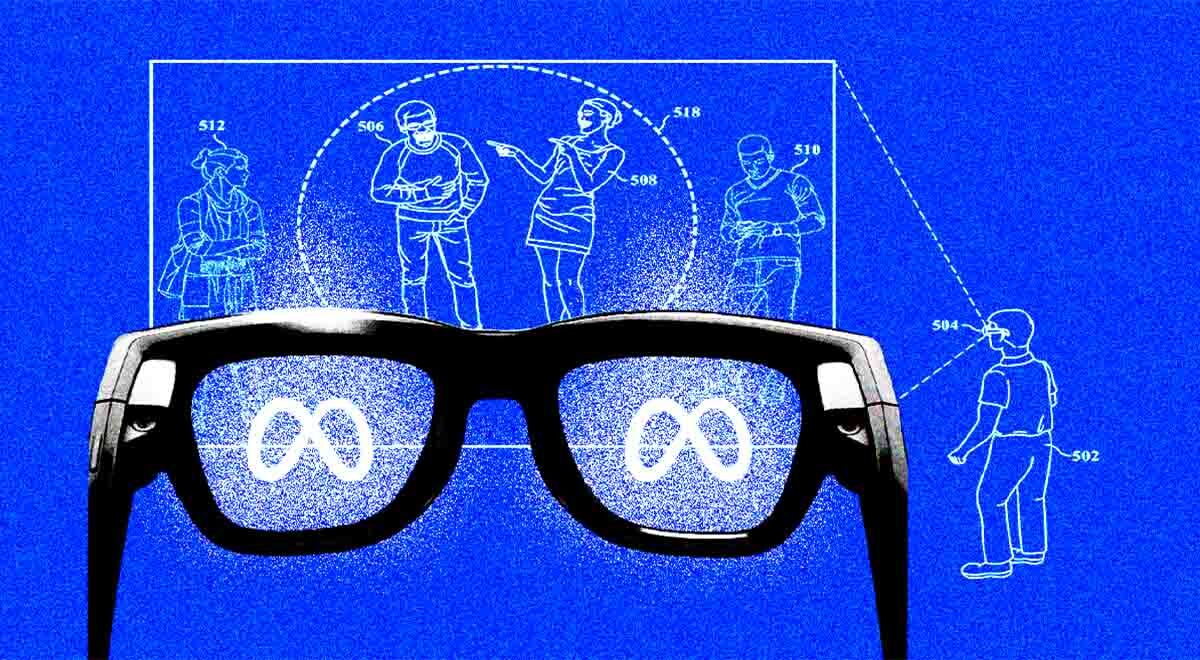
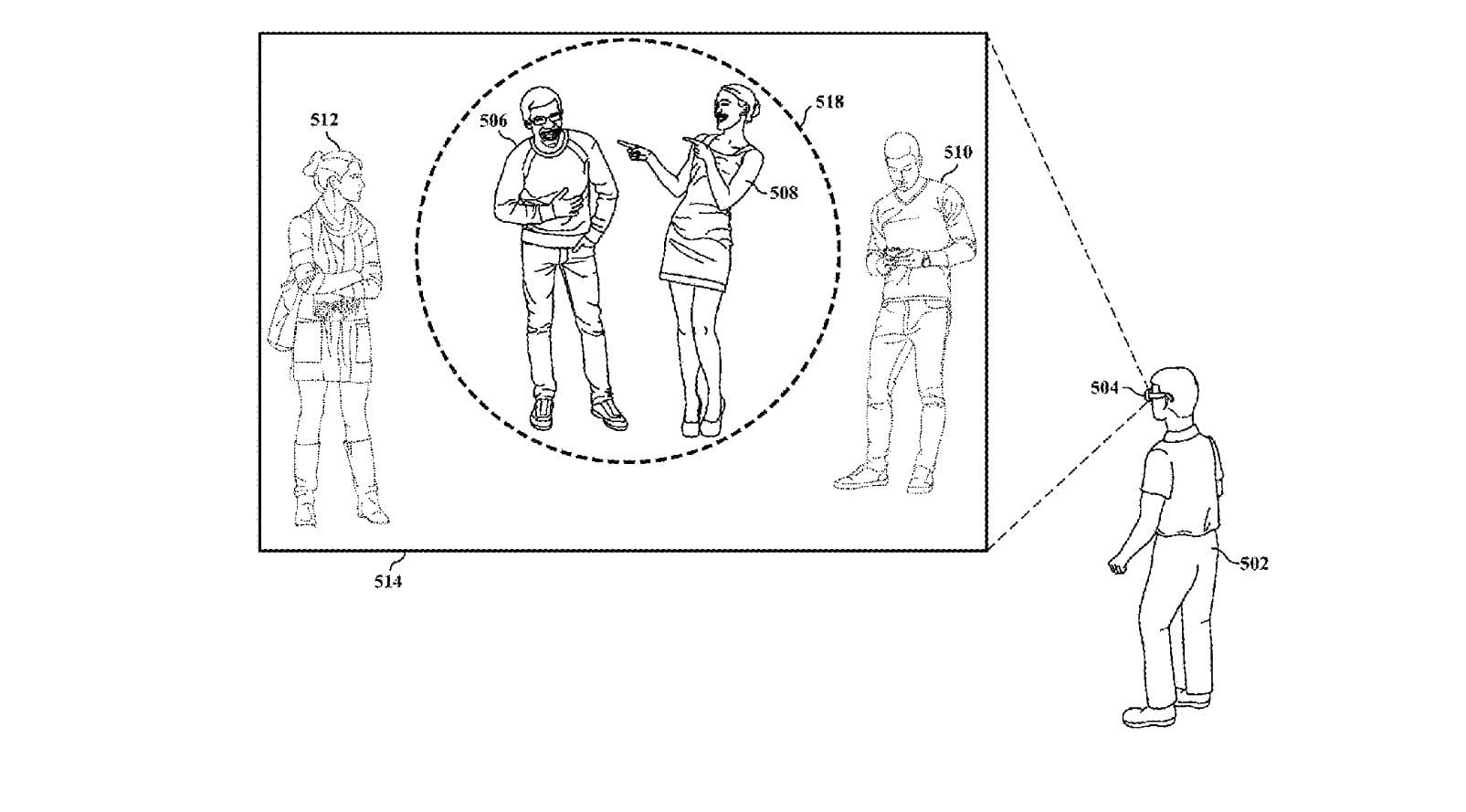
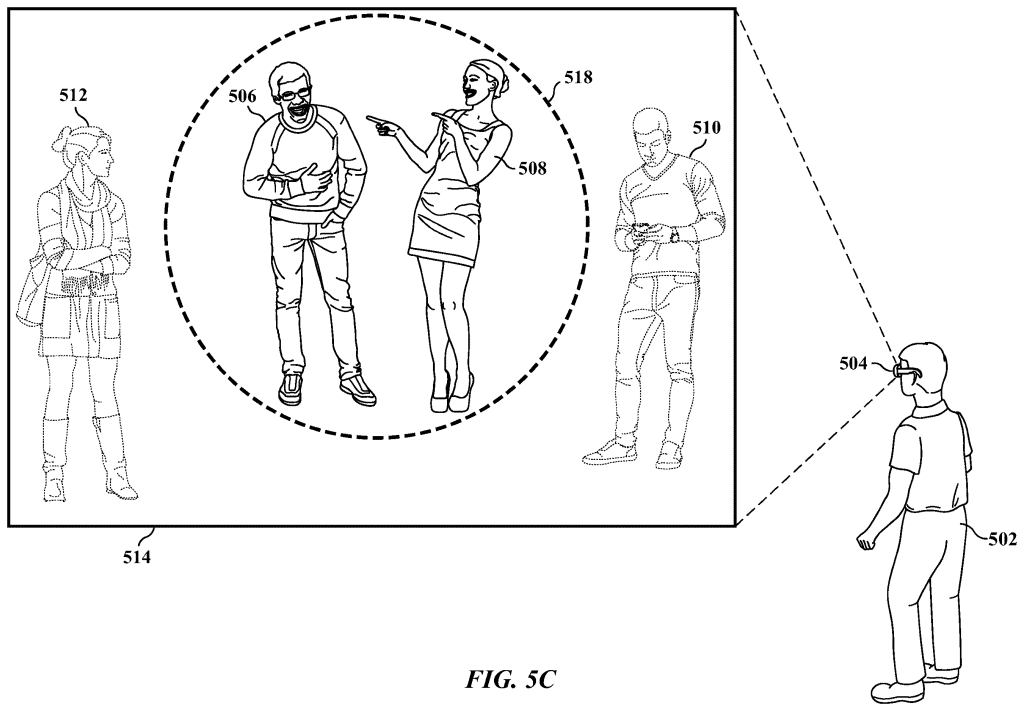
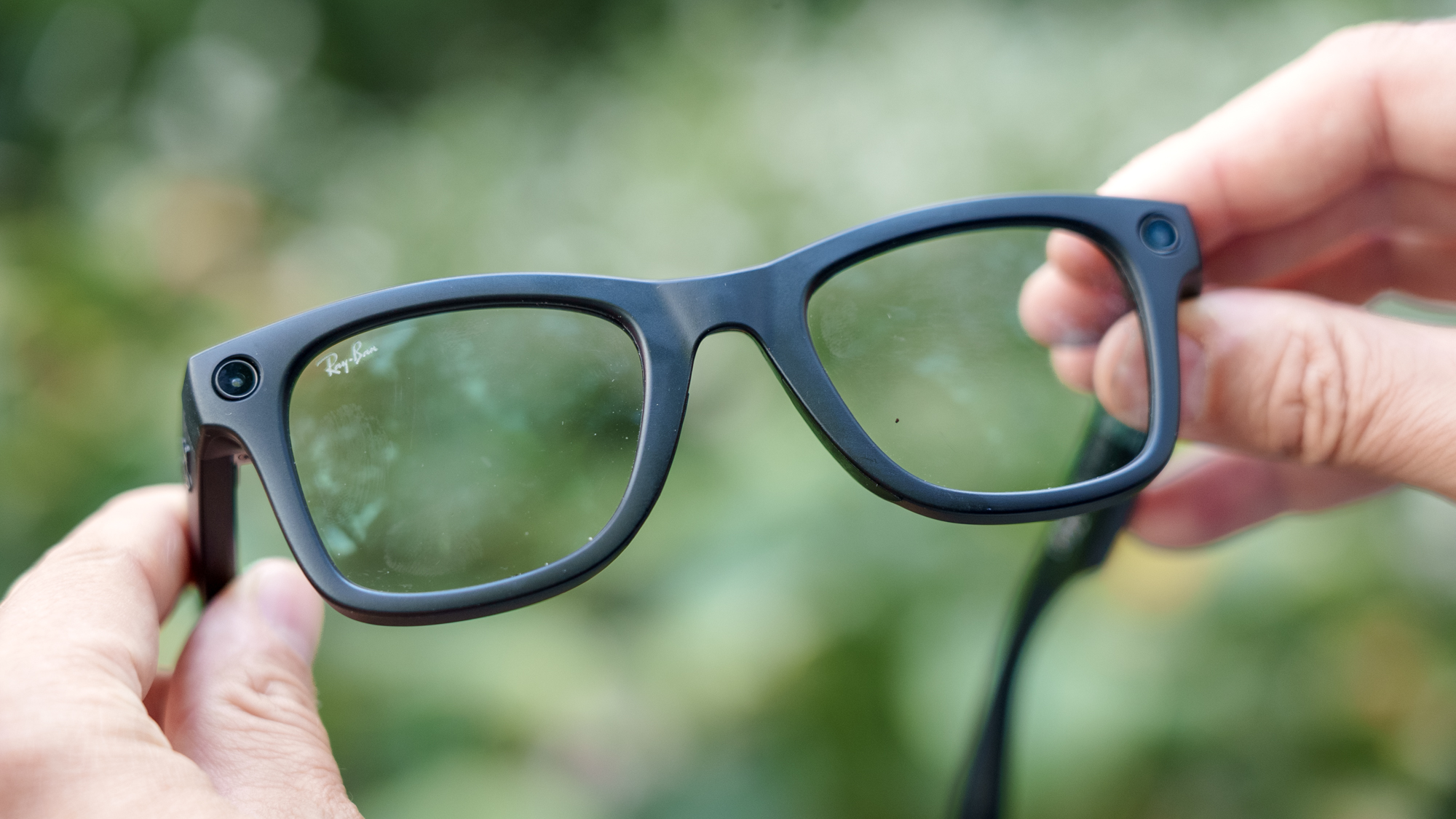
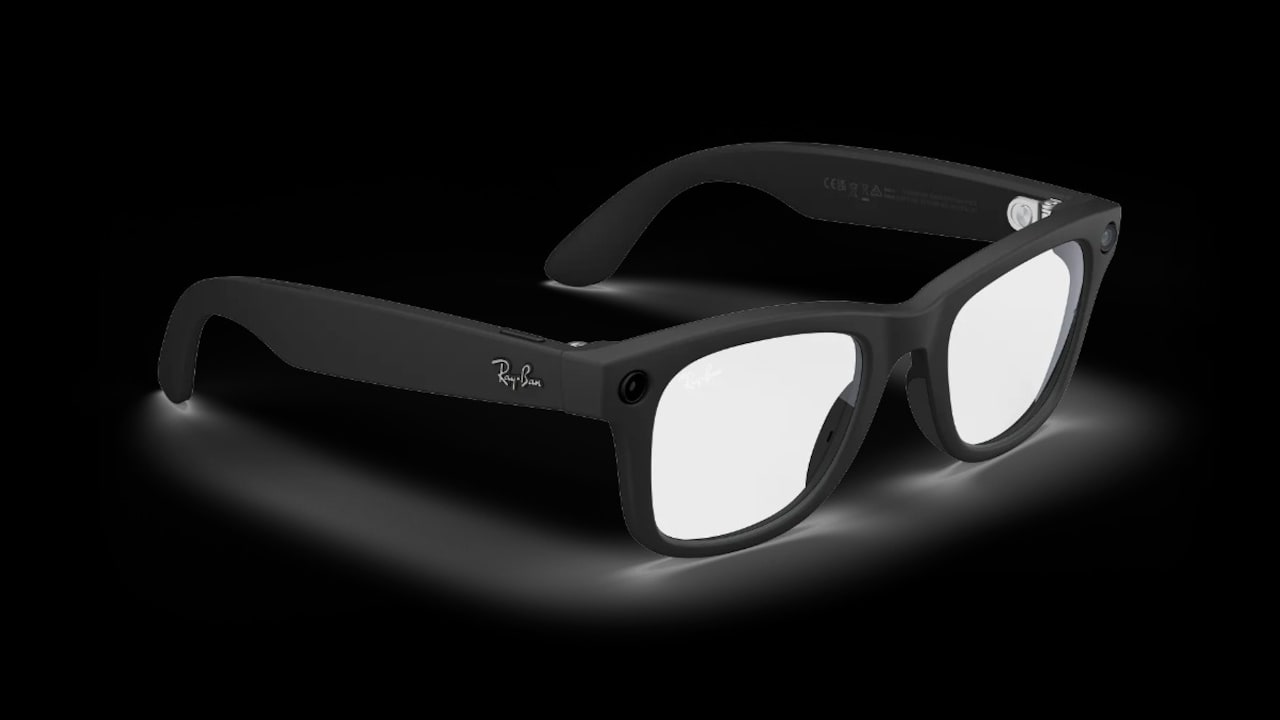
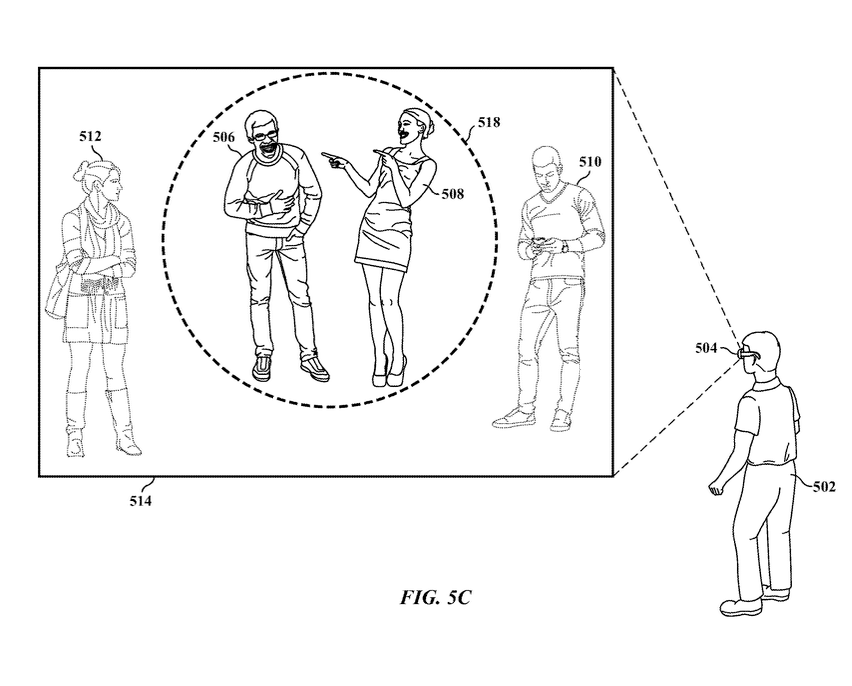
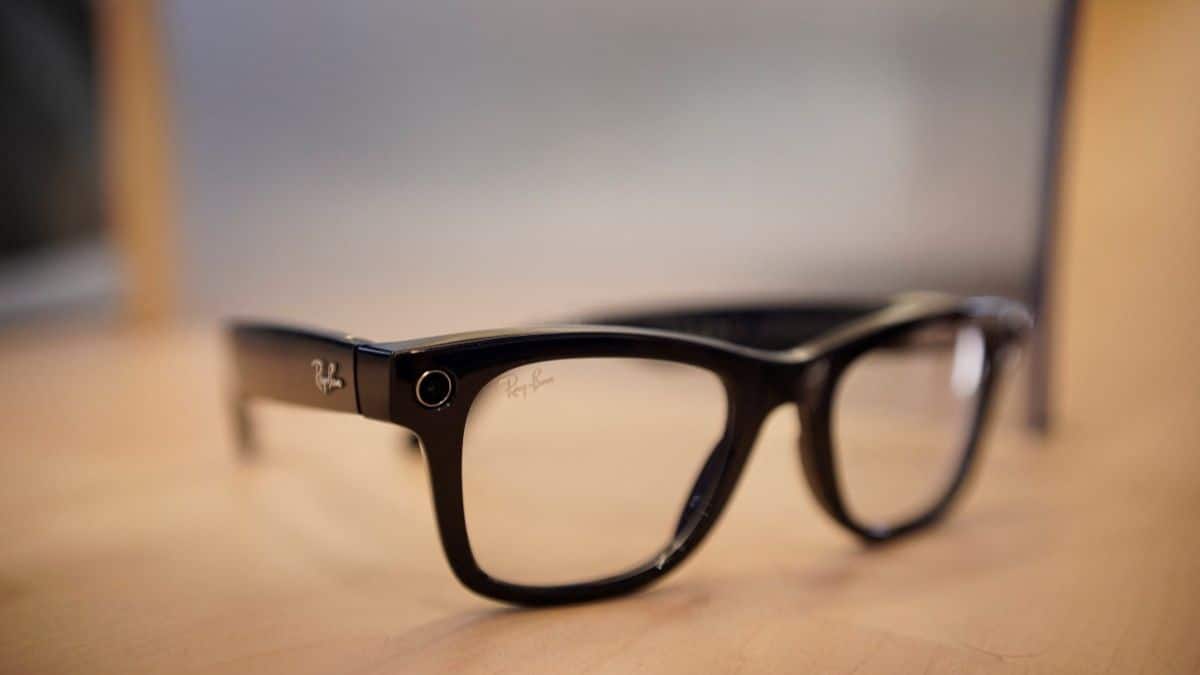
Meta has filed a comprehensive patent application for AI-powered facial recognition glasses that automatically identify individuals and record video footage, representing a strategic expansion of the company's wearable computing and metaverse ambitions. The patent, submitted in February 2024 and comprising 44 pages of technical drawings, describes integration of advanced computer vision algorithms with Ray-Ban smart glasses technology to match faces against databases and trigger automatic recording when specific individuals are detected. This development signals Meta's long-term vision for integrating sophisticated AI into consumer-grade wearables, building on its 2022 patent for smart cameras with assistant systems.
For e-commerce sellers, this patent filing carries significant indirect but critical implications for advertising strategy and data collection practices. While the technology itself won't directly impact fulfillment operations, it demonstrates Meta's aggressive investment in first-party data collection through wearable devices. This trajectory suggests future evolution of Meta's advertising platform capabilities—potentially enabling more granular audience targeting, behavioral pattern recognition, and real-world consumer interaction data that sellers currently rely on for Facebook/Instagram campaign optimization. Sellers using Meta ads (estimated 10M+ globally) should anticipate that future advertising algorithms may incorporate wearable-derived insights, fundamentally changing how audience segmentation and conversion prediction work.
Regulatory scrutiny presents the most immediate seller risk. Privacy advocates including the Center for Democracy and Technology have characterized the patent as an "escalation of privacy harms," warning of surveillance implications for marginalized populations. The company previously faced backlash for distributing hidden facial recognition code in its Meta AI app (later removed entirely), and investigations by Wired and the Electronic Frontier Foundation confirmed unauthorized code distribution to all users. This history of privacy controversies suggests regulatory authorities in Europe (GDPR enforcement), North America (FTC scrutiny), and Asia-Pacific regions will likely impose restrictions on facial recognition deployment. Such regulations could delay commercialization timelines and constrain the advertising data Meta can legally collect and share with sellers, potentially reducing targeting precision and campaign ROI for sellers dependent on Meta's audience intelligence.
Sellers should monitor three critical developments: (1) Regulatory approval timeline and restrictions on facial recognition use in advertising contexts; (2) Meta's public statements on privacy safeguards and data usage policies; (3) Changes to Meta Ads Manager targeting options that may reflect new data sources. The patent filing itself does not indicate imminent product launch, but demonstrates Meta's strategic direction toward hardware-integrated AI that will reshape the advertising ecosystem sellers depend on for customer acquisition.
Questions 8
Which AI tools should sellers use to automate smart glasses market research and competitive intelligence?
Sellers should deploy four categories of AI tools: (1) Patent monitoring automation (Google Patents API + custom alerts for facial recognition, smart glasses, AR/VR patents); (2) Search trend analysis (Google Trends API, Amazon search volume tools, Helium 10 keyword tracking for smart glasses categories); (3) Sentiment analysis (monitoring regulatory statements, news coverage, social media mentions using natural language processing tools); (4) Competitive intelligence automation (tracking competitor listings, pricing, reviews using AI-powered market research platforms). These tools can save sellers 10-15 hours/week of manual research while improving prediction accuracy by 25-35% versus manual analysis. ROI typically reaches 300-400% within 6 months through improved inventory decisions and pricing optimization. Sellers should prioritize tools that integrate with their existing Amazon Seller Central or Shopify dashboards for seamless workflow automation.
What timeline should sellers expect for regulatory decisions on Meta's facial recognition technology?
The patent application was submitted in February 2024 with no indication of approval duration or whether the patent will ultimately be granted. US Patent and Trademark Office approval typically takes 18-36 months, but regulatory approval for commercial use of facial recognition in advertising could take significantly longer—potentially 2-4 years given privacy concerns. European regulators under GDPR may impose restrictions even before US approval, creating a fragmented regulatory landscape. Sellers should expect 12-18 months of uncertainty before regulatory frameworks clarify, during which Meta's advertising platform capabilities may remain unchanged. After regulatory decisions emerge, sellers will have 3-6 months to adjust campaign strategies based on whether targeting capabilities expand or contract. Monitoring regulatory developments quarterly through Meta's official announcements and privacy authority statements will provide early warning of changes affecting advertising strategy.