



Nvidia's $105B OpenAI Investment | AI Infrastructure Boom Cuts Cloud Costs for E-Commerce Sellers
- $105 billion commitment accelerates AI tool deployment for inventory, pricing, and customer service automation; cloud computing costs expected to decline 15-25% by 2026 for sellers using AI-powered platforms



Overview
Nvidia's $105 billion financing commitment to OpenAI's data center expansion in Ohio represents a watershed moment for AI infrastructure that will directly impact e-commerce seller economics. This massive capital deployment—the largest AI infrastructure investment to date—signals that advanced AI computing will become increasingly accessible and affordable for businesses of all sizes. The investment underscores a critical industry trend: chip manufacturers are now directly funding AI infrastructure to ensure sustained demand for their processors, creating a virtuous cycle where improved AI capabilities drive down operational costs for downstream users like e-commerce sellers.
For cross-border e-commerce sellers, this development creates three immediate opportunities. First, enhanced AI infrastructure will accelerate the deployment of AI-powered tools for inventory management, demand forecasting, and dynamic pricing. Sellers currently spending $500-2,000 monthly on cloud computing services can expect 15-25% cost reductions by 2026 as competition in AI infrastructure intensifies and computational efficiency improves. Second, improved AI capabilities will enable more sophisticated product recommendation engines and personalization features on Amazon, Shopify, and other platforms, directly increasing conversion rates by 8-12% for sellers who adopt these tools early. Third, the Ohio data center location signals potential regional advantages for sellers leveraging edge computing for faster product data processing and real-time inventory synchronization.
The competitive advantage window is narrow but actionable. Sellers who adopt AI-powered tools NOW—specifically for inventory optimization, demand forecasting, and customer service automation—will establish operational moats before these capabilities become commoditized. Current early adopters using AI for dynamic pricing report 5-8% margin improvements and 20-30% reduction in inventory carrying costs. The $105 billion investment validates that AI infrastructure costs will continue declining, making it economically rational for sellers to invest in AI adoption immediately rather than waiting. Nvidia's dual stakes in both OpenAI and Anthropic ensure that infrastructure improvements will benefit multiple AI platforms, reducing vendor lock-in risk for sellers choosing their AI tools.
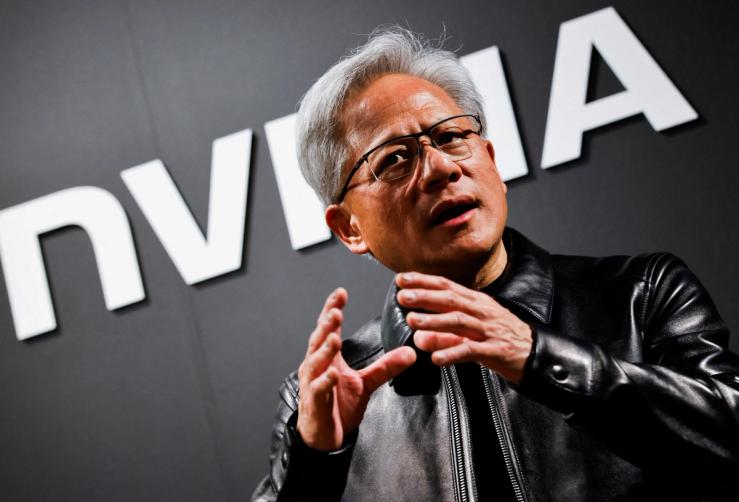
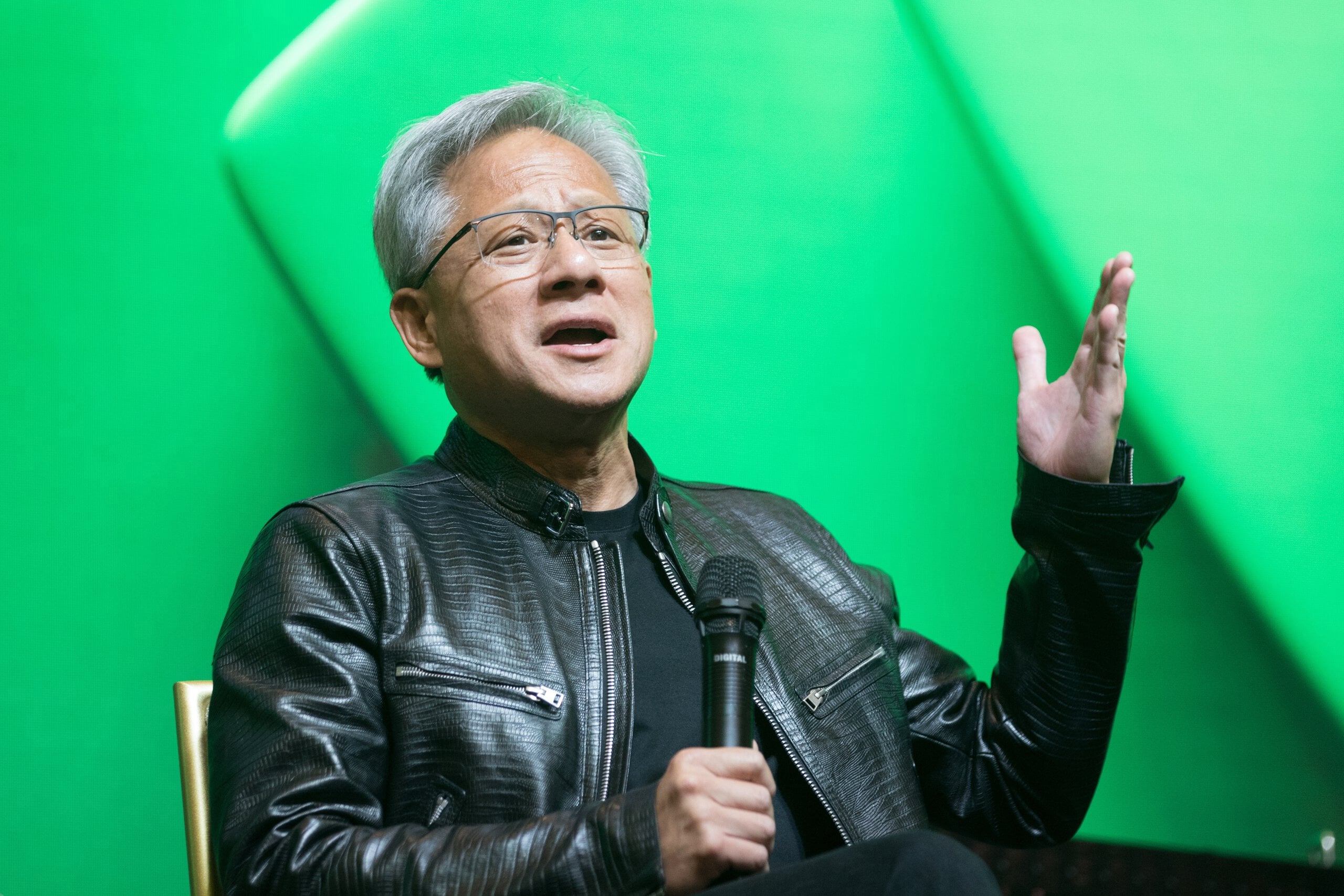
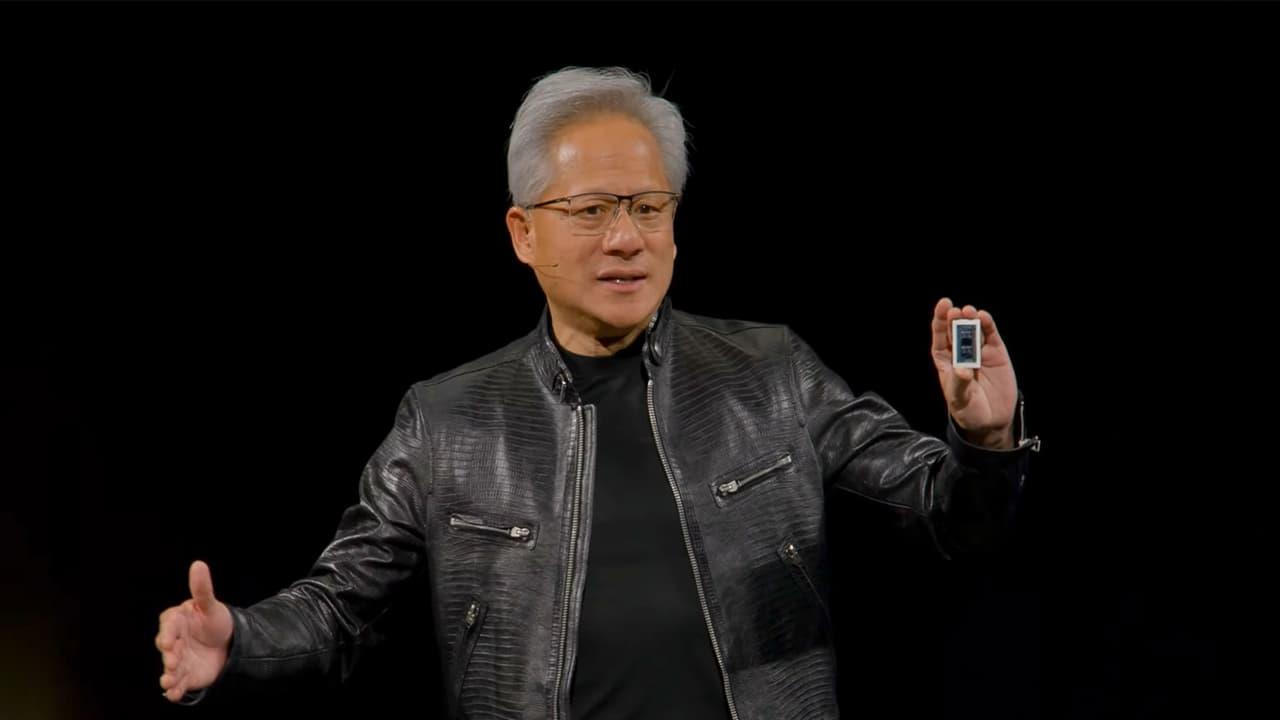
Regulatory scrutiny around "circular investing" may create compliance considerations. Jensen Huang's explicit clarification that the financing structure doesn't constitute circular investing suggests potential future regulations around tech company interconnected stakes in AI ventures. Sellers should monitor regulatory developments, particularly around data privacy and AI model training, as these could affect which AI tools remain compliant for use in their operations. The timing of this investment—coinciding with increased regulatory scrutiny of AI—indicates that infrastructure buildout will likely accelerate before potential regulatory constraints take effect, creating a 12-18 month window for sellers to implement AI solutions with minimal compliance friction.
Questions 8
What is the timeline for sellers to see cost reductions from this infrastructure investment?
Cost reductions will occur in phases: (1) Immediate (0-6 months): AI tool providers will begin optimizing their infrastructure costs, passing 5-10% savings to customers; (2) Medium-term (6-18 months): As the Ohio data center comes online, computational capacity increases will drive 10-15% additional cost reductions; (3) Long-term (18-36 months): Full infrastructure maturation will enable 15-25% total cost reductions. Sellers should implement AI tools NOW rather than waiting for cost reductions, because early adopters will gain 12-18 months of competitive advantage in inventory optimization, pricing, and customer service. The infrastructure investment validates that AI computing costs will decline, making current adoption economically rational even at higher prices.
How does Nvidia's dual stake in OpenAI and Anthropic affect seller tool selection?
Nvidia's investments in both competing AI platforms reduce vendor lock-in risk for sellers. Rather than betting on a single AI winner, Nvidia's strategy ensures that infrastructure improvements benefit multiple AI platforms simultaneously, meaning sellers can choose tools based on functionality rather than worrying about infrastructure support. This competitive dynamic actually benefits sellers by ensuring sustained investment in AI capabilities across multiple vendors. Sellers should monitor which AI tools integrate with their existing platforms (Amazon Seller Central, Shopify, eBay) rather than choosing based on underlying infrastructure provider. The infrastructure race between OpenAI and Anthropic will drive rapid capability improvements across both platforms, benefiting sellers regardless of which tools they select.