





California Tire Efficiency Standards Create Compliance Moat | $26 Cost Barrier Eliminates Non-Compliant Sellers by 2033
- First-in-nation rolling resistance requirements force tire inventory overhaul; interim 2029 target creates two-phase compliance window; $26/set cost increase protects compliant sellers from price-based competition



Overview
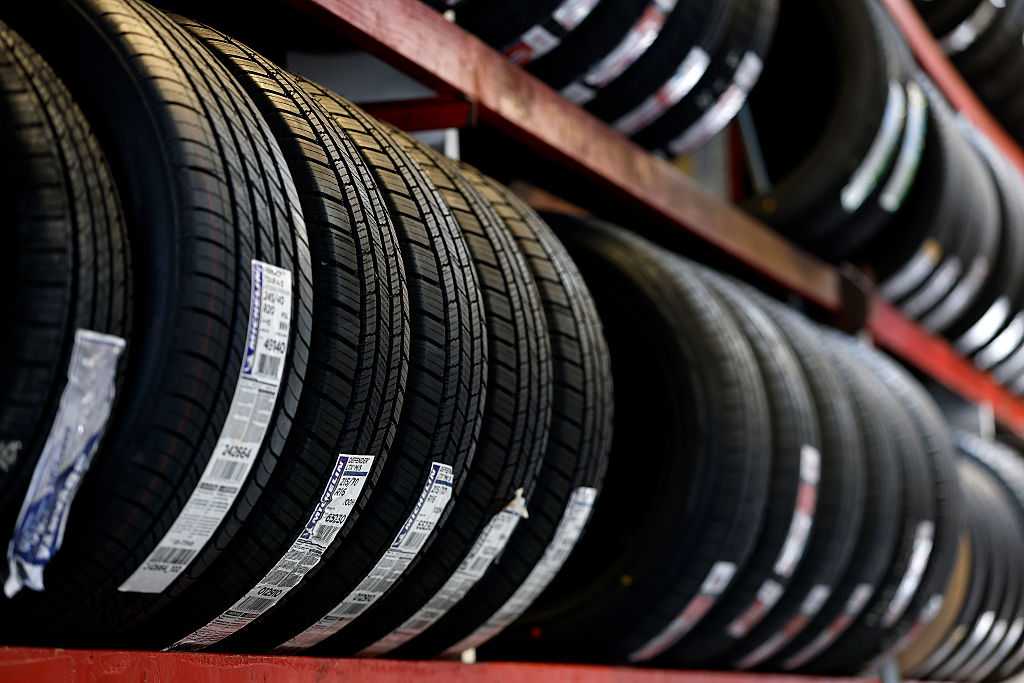
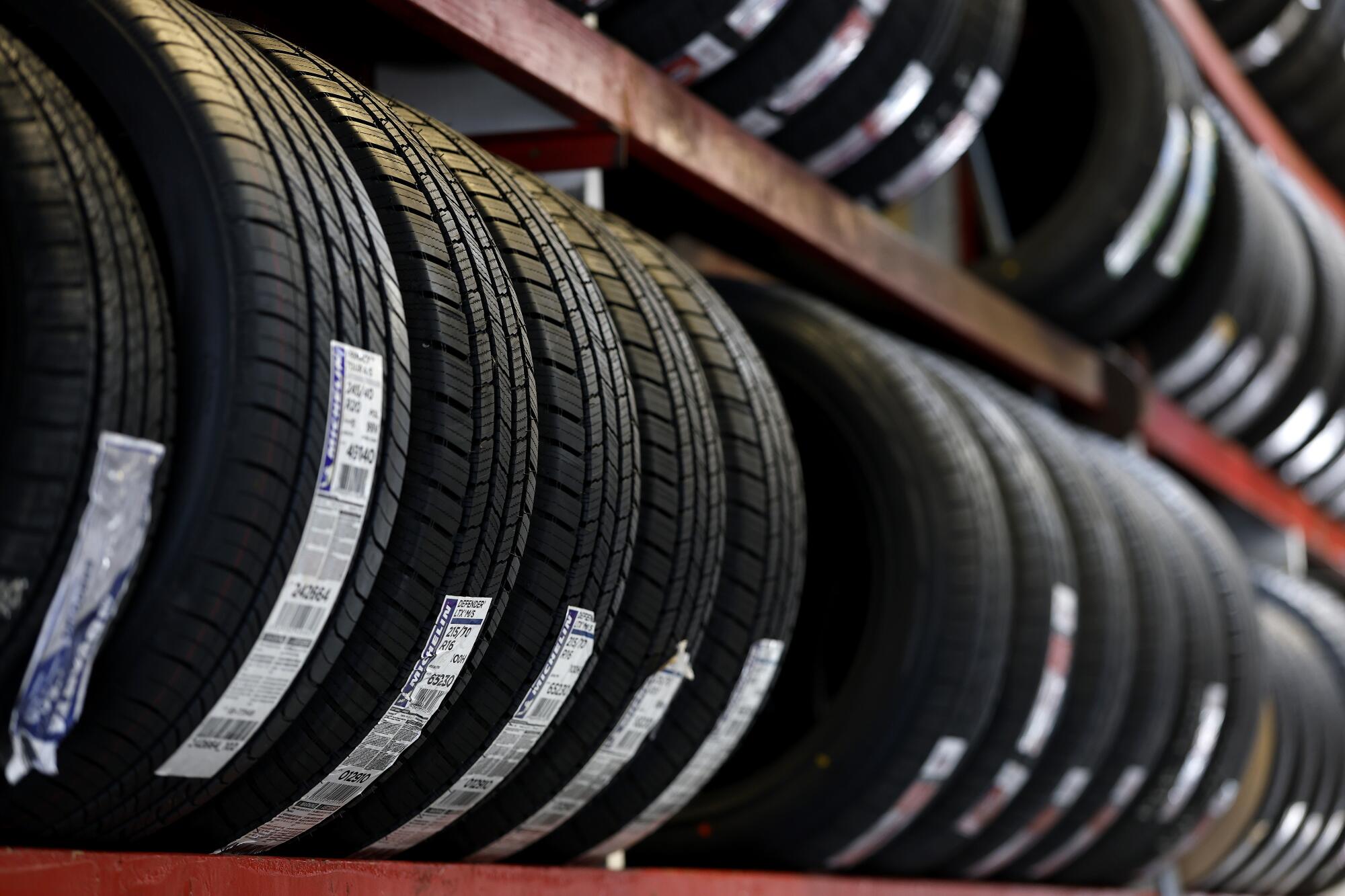
California's groundbreaking tire efficiency standards represent a textbook compliance moat that will reshape the $8B+ annual replacement tire market. The California Energy Commission unanimously approved mandatory low rolling resistance requirements taking effect in phases: interim targets by 2029 and full compliance by 2033. This regulation applies to all tire manufacturers, importers, and e-commerce sellers operating in California—the nation's largest automotive aftermarket—affecting millions of replacement tire sales annually. The standards mandate that replacement tires match the low rolling resistance of original equipment tires on new vehicles, reducing energy loss as tires bounce against roads.
The compliance cost structure creates a natural market segmentation that protects early-adopting sellers. Compliant replacement tires will cost approximately $26 more per set initially, but the Energy Commission estimates drivers recoup this through $153 in fuel savings over the tire's lifespan. This $26 cost floor eliminates price-based competition from non-compliant sellers, as consumers recognize the long-term value proposition. The regulation exempts competition tires and winter tires while establishing minimum wet grip standards for all California road tires—creating legal product variation opportunities for sellers to offer compliant alternatives without sacrificing performance categories. Major manufacturers Bridgestone and Michelin secured support through regulatory concessions on long-life tires and enhanced wet grip requirements, signaling that compliance pathways exist for diverse tire types.
The enforcement gap creates immediate service opportunities for compliance-focused sellers and logistics providers. Goodyear and the United States Tire Manufacturers Association opposed the regulation citing enforcement challenges for imported tires—a critical vulnerability that compliant sellers can exploit. E-commerce sellers operating on Amazon, eBay, and Shopify can differentiate through transparent compliance documentation, rolling resistance certifications, and fuel savings calculators that non-compliant competitors cannot match. The two-phase timeline (2029 interim, 2033 full) creates a 5-year window for sellers to audit inventory, establish supplier relationships with compliant manufacturers, and build compliance verification systems. Sellers who establish certified compliance infrastructure by 2029 will capture market share from competitors scrambling to meet 2033 deadlines, particularly in California's $2B+ annual replacement tire market. The regulation's potential to influence other states creates a first-mover advantage for sellers building national compliance frameworks now.
Questions 8
Which tire categories can sellers legally bypass California efficiency standards?
The regulation explicitly exempts competition tires (used in racing/motorsports) and winter tires, creating legal product variation opportunities. Sellers can differentiate by offering compliant all-season tires alongside exempt winter tire inventory, capturing both efficiency-conscious consumers and performance-focused buyers. However, the regulation establishes minimum wet grip standards for all California road tires, so even exempt categories must meet traction requirements. This creates a compliance floor that eliminates truly unsafe products while preserving product diversity.
What is the fastest compliance path for tire sellers to meet 2029 interim targets?
The fastest path involves: (1) auditing current inventory against rolling resistance specifications by Q2 2025, (2) establishing direct relationships with Bridgestone or Michelin (who secured regulatory support) by Q3 2025, (3) obtaining rolling resistance test certifications from accredited labs by Q4 2025, and (4) updating product listings with compliance documentation by Q1 2026. This 12-month timeline allows sellers to meet 2029 interim targets with 3-year buffer. Sellers using third-party logistics providers should verify compliance capabilities now, as 3PL providers will charge 8-15% premiums for compliance tracking and documentation.