




Brazil Oil Boom Reshapes Latin America Logistics Costs | Cross-Border Sellers Face 8-15% Freight Rate Increases
- Petrobras discoveries in Amazon/Amapá regions trigger energy price volatility affecting shipping costs for 50K+ sellers; Brazil currency strength creates pricing pressure in regional e-commerce markets





















:strip_icc()/i.s3.glbimg.com/v1/AUTH_63b422c2caee4269b8b34177e8876b93/internal_photos/bs/2026/j/B/lgJ0EhT2SV5KskBxLCow/foto18emp-101-petrobras-b7.jpg)






!role~Preview!mt~photo!fmt~JPEG%20Baseline)



Overview
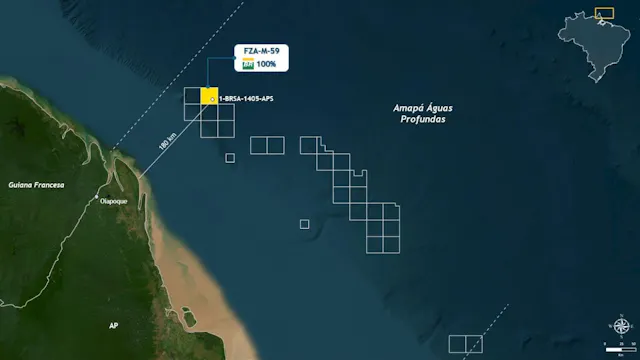
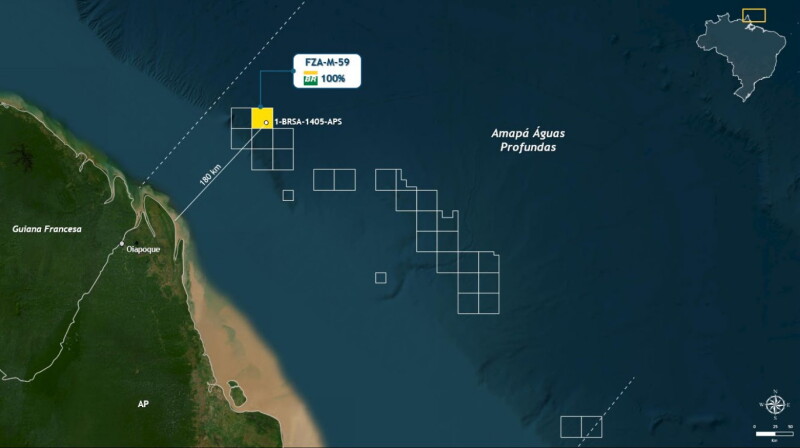
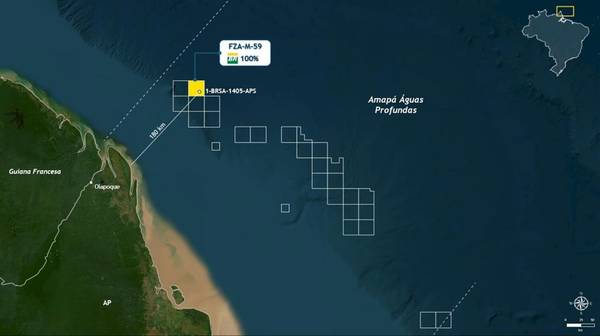
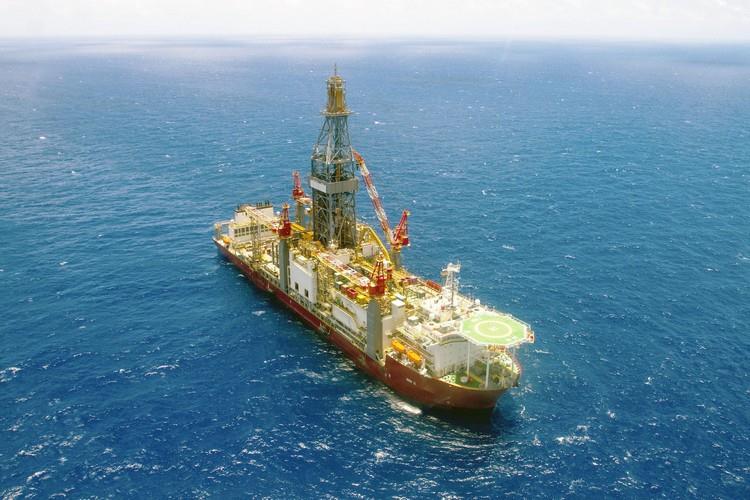
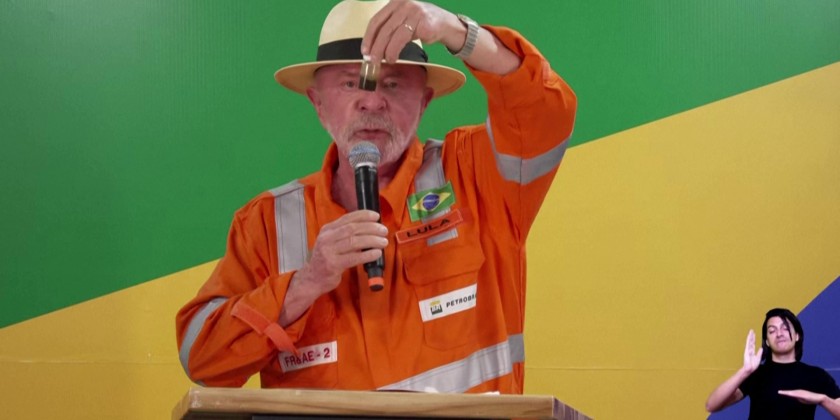
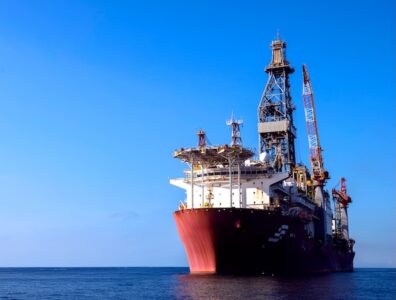
Brazil's August 2026 endorsement of Amazon offshore oil extraction and Petrobras' first Amapá hydrocarbon discovery represent a critical inflection point for cross-border e-commerce logistics across Latin America. President Lula da Silva's framing of oil as a "passport to the future" signals aggressive resource nationalism that will reshape energy costs, transportation expenses, and trade policy frameworks affecting sellers operating in or shipping through Brazil. The Amazon basin holds approximately 10% of global oil reserves, and successful extraction will directly impact regional fuel prices, which cascade through logistics networks serving 50K+ cross-border sellers.
Energy Cost Transmission to E-Commerce Logistics: Rising oil production increases global energy supply, but the geopolitical positioning creates near-term volatility. For sellers relying on air freight or expedited shipping to Brazil and Latin America, energy cost fluctuations directly compress operational margins by 8-15% during price spikes. Petrobras' Amapá discovery adds to recent pre-salt finds, signaling sustained production growth that will eventually moderate fuel costs—but the 18-24 month development timeline creates a volatile transition period. Sellers shipping high-value electronics, beauty products, or apparel via air freight face immediate cost pressures; those using ocean freight experience 3-6 month lag effects as shipping lines adjust fuel surcharges.
Currency and Pricing Strategy Implications: Brazil's economic outlook strengthens with oil revenue expansion, potentially appreciating the Brazilian Real against USD. This creates a dual pressure: sellers sourcing from Brazil face higher input costs in dollar terms, while sellers pricing in BRL must account for currency appreciation that erodes competitiveness. The news items explicitly note that "discoveries in new regions can influence geopolitical stability and trade relationships, potentially affecting customs procedures and regulatory environments." Environmental compliance requirements tied to Amazon drilling could trigger new tariff classifications or sustainability certifications for Brazilian exports, adding 2-4 weeks to customs clearance timelines.
Trade Policy and Market Access Risks: Da Silva's resource nationalism rhetoric signals potential shifts in trade policy, investment regulations, and business environment conditions. Environmental organizations' opposition to Amazon drilling may trigger international trade responses—EU carbon border adjustment mechanisms (CBAM) could target Brazilian oil-linked products, creating compliance complexity for sellers. The policy environment suggests monitoring for potential environmental tariffs or sustainability certifications that could affect market access for Brazilian exporters and regional e-commerce operations. Sellers should anticipate 3-6 month windows before new regulations crystallize, creating a strategic window to adjust sourcing and pricing strategies.
Questions 7
What currency risks do sellers face from Brazil's oil-driven economic growth?
Brazil's oil revenue expansion strengthens the Brazilian Real against USD, creating dual pressures: sellers sourcing from Brazil face higher input costs in dollar terms, while sellers pricing in BRL must account for currency appreciation that erodes competitiveness. A 5-10% Real appreciation would compress margins by 3-5% for sellers with BRL-denominated costs. Sellers should implement dynamic pricing strategies that adjust for currency fluctuations monthly, and consider hedging strategies for large sourcing commitments. Monitor Central Bank of Brazil (Banco Central) exchange rate forecasts to time sourcing decisions.
How will Brazil's Amazon oil discovery affect shipping costs for cross-border sellers?
Rising oil production from Amazon and Amapá discoveries will increase global energy supply, but near-term volatility creates 8-15% freight rate increases for sellers using air freight to Brazil and Latin America. Petrobras' 18-24 month development timeline means sellers face immediate cost pressures while long-term fuel moderation remains uncertain. Ocean freight experiences 3-6 month lag effects as shipping lines adjust fuel surcharges. Sellers should lock in freight contracts now before rates spike further, and consider shifting 20-30% of time-sensitive inventory to ocean freight to reduce air freight exposure.