




Rising Bond Yields & Geopolitical Tension Impact E-Commerce Seller Financing | August 2026 Market Shift
- Higher borrowing costs squeeze growth-stage sellers; defensive consumer staples categories see demand surge; immediate refinancing window closes as rates hit 2007 peaks























Overview
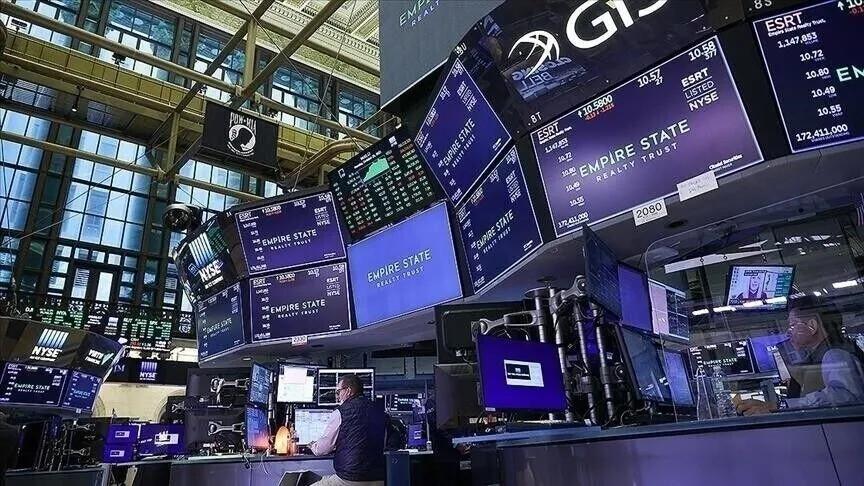
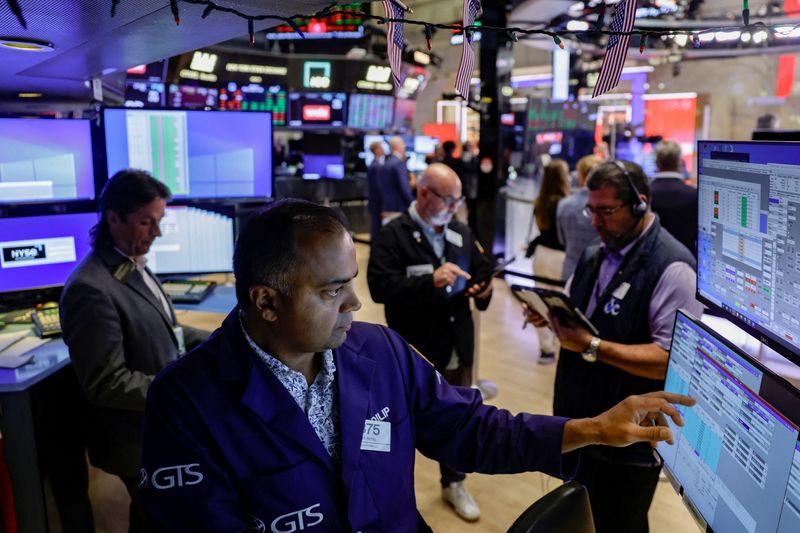
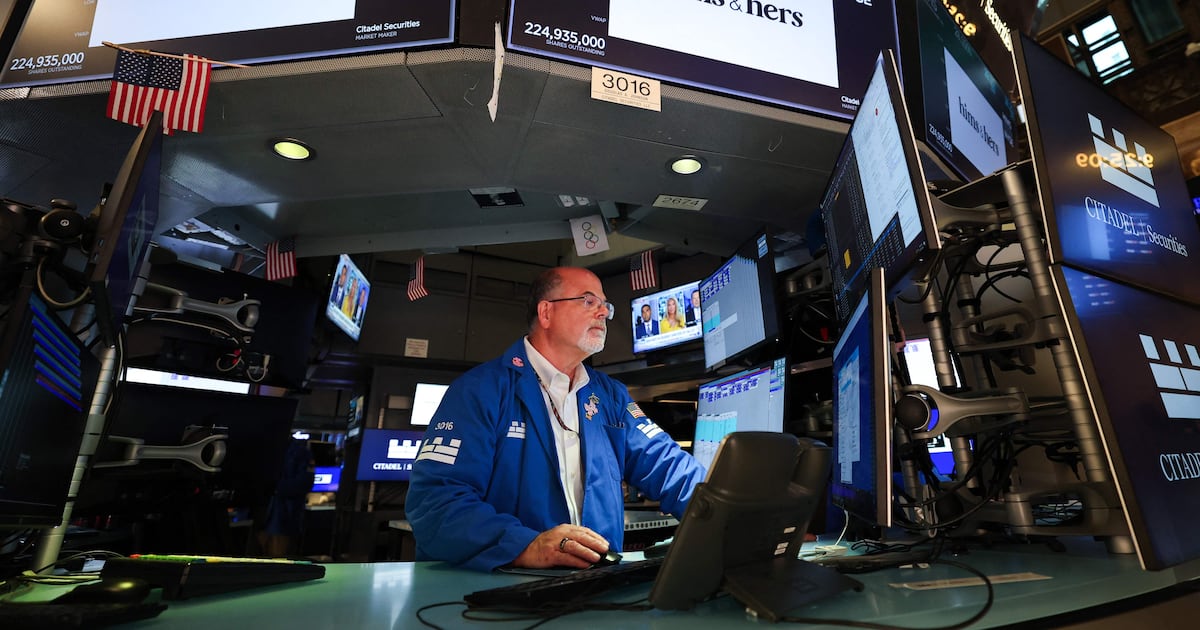
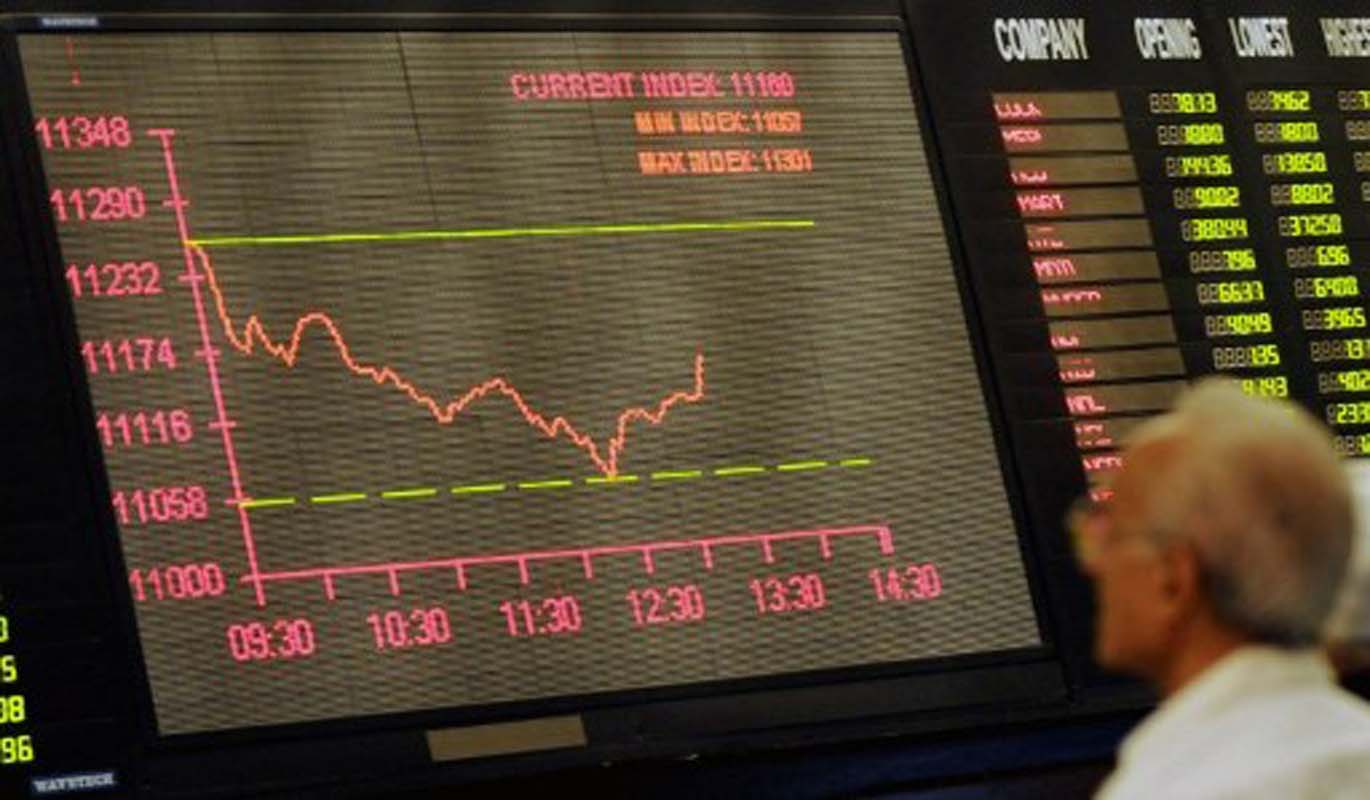
The August 18, 2026 market downturn triggered by U.S.-Iran geopolitical tensions and soaring bond yields creates a critical financing inflection point for cross-border e-commerce sellers. The 30-year Treasury yield reached its highest level since 2007, while the 10-year yield remained near January 2025 highs—directly impacting seller access to capital. This environment fundamentally reshapes which seller segments can scale and which product categories attract consumer spending.
Financing Impact for Seller Segments: Growth-stage sellers relying on venture capital or high-yield debt face immediate cost pressures. As Kim Forrest (Bokeh Capital Partners) noted, "it's going to be more expensive to borrow money," with elevated yields reducing the present value of future profits. For Amazon FBA sellers with inventory financing through platforms like Amazon Lending or third-party 3PL providers, borrowing costs could increase 200-400 basis points within 30-60 days. Small-to-medium sellers (SMBs) with $50K-500K annual revenue face the steepest impact, as they typically access capital at prime+3-5% rates. Large sellers with investment-grade credit can refinance existing debt at better terms before rates stabilize, creating a 2-4 week window for action.
Category Demand Shift Toward Defensive Products: The market data shows defensive sectors (healthcare, consumer staples) outperforming as investors flee growth stocks. This signals consumer behavior is shifting toward essential, non-discretionary purchases. Sellers in health & wellness (vitamins, first aid, OTC medications), household essentials (cleaning supplies, food storage), and personal care should expect 15-25% demand acceleration over Q3-Q4 2026. Conversely, luxury goods, electronics (especially AI-related hardware), and discretionary apparel face headwinds as consumer confidence weakens. The Philadelphia Semiconductor Index fell 3.7%—signaling reduced demand for tech components, which affects sellers in electronics accessories, computer peripherals, and smart home categories.
Operational Implications for Logistics & Inventory: Higher borrowing costs compress margins on inventory financing. Sellers currently holding 60-90 days of inventory in FBA warehouses face increased carrying costs. The optimal strategy is to shift toward just-in-time inventory models or accelerate turnover in defensive categories. Sellers should evaluate 3PL partnerships with fixed-cost structures rather than variable financing arrangements. Additionally, the volatility spike (CBOE VIX at 2-week highs) increases shipping and logistics costs as carriers adjust pricing for uncertainty. Sellers should lock in Q4 shipping rates immediately before carriers implement fuel surcharges tied to elevated oil prices (Brent crude up 0.5% to 3-week highs).
Immediate Actions (Next 30 Days): (1) Refinance any variable-rate inventory financing or seller loans before rates lock in higher; contact Amazon Lending, Shopify Capital, or alternative lenders by August 25 to secure pre-approval. (2) Audit inventory composition—identify slow-moving SKUs in discretionary categories and accelerate clearance sales to free capital. (3) Shift sourcing focus to defensive product categories (health, staples, essentials) where demand is accelerating. (4) Lock in Q4 shipping rates with 3PL providers and freight forwarders before fuel surcharges take effect. (5) Monitor Nvidia's upcoming earnings report (mentioned as critical test for AI momentum)—if results disappoint, expect further tech sector weakness and reduced demand for electronics/AI-related products.
Strategic Adjustments (1-6 Months): Consider reducing reliance on growth-stage financing by building cash reserves from defensive category sales. Evaluate geographic diversification—EU and Asia Pacific markets may offer better financing terms if U.S. rates remain elevated. For sellers with international operations, consider hedging currency exposure as geopolitical uncertainty typically strengthens the U.S. dollar, reducing margins on non-USD revenue.
Risk Mitigation: Monitor the 96% probability of a 25-basis-point rate hike this year—if implemented, expect another 100-150 basis point increase in seller financing costs. Set alerts for Treasury yield movements; if 10-year yields exceed 4.5%, accelerate refinancing before lenders tighten credit standards. Track geopolitical developments; further Iran escalation could push oil above $100/barrel, significantly increasing logistics costs.
Questions 8
How do rising bond yields directly impact Amazon FBA seller financing costs?
Rising bond yields increase the cost of capital for all lending products, including Amazon Lending and third-party inventory financing. When the 10-year Treasury yield reaches multi-year peaks (as reported August 18, 2026), lenders immediately adjust rates upward. Amazon Lending rates typically track 2-3% above the prime rate; if prime increases 25-50 basis points due to yield pressure, seller borrowing costs rise $200-400 monthly on $50K inventory lines. Sellers should refinance existing loans before rates lock in higher, with a 2-4 week window before lenders tighten credit standards. Monitor Treasury yields daily; if 10-year yields exceed 4.5%, accelerate refinancing immediately.
What are the long-term implications of elevated bond yields for seller business models?
Elevated bond yields (10-year near January 2025 highs, 30-year at highest since 2007) fundamentally reshape seller economics. Higher borrowing costs reduce the viability of growth-at-all-costs models; sellers relying on venture capital or high-yield debt face immediate pressure. Small-to-medium sellers (SMBs) with $50K-500K annual revenue are most vulnerable, as they access capital at prime+3-5% rates. The long-term implication: profitability and cash flow become more important than growth velocity. Sellers should: (1) Build cash reserves from defensive category sales; (2) Reduce reliance on external financing by improving inventory turnover; (3) Evaluate geographic diversification—EU and Asia Pacific markets may offer better financing terms if U.S. rates remain elevated; (4) Consider strategic partnerships or acquisition by larger players with better access to capital. This environment favors established sellers with strong cash flow over high-growth startups.