


Firefox-Exa AI Partnership Reshapes Search Transparency | Seller Opportunity in Trust-Based Commerce
- Open AI ecosystem model creates competitive advantage for sellers emphasizing source attribution and product transparency; impacts search visibility strategy across 500M+ Firefox users globally







Overview
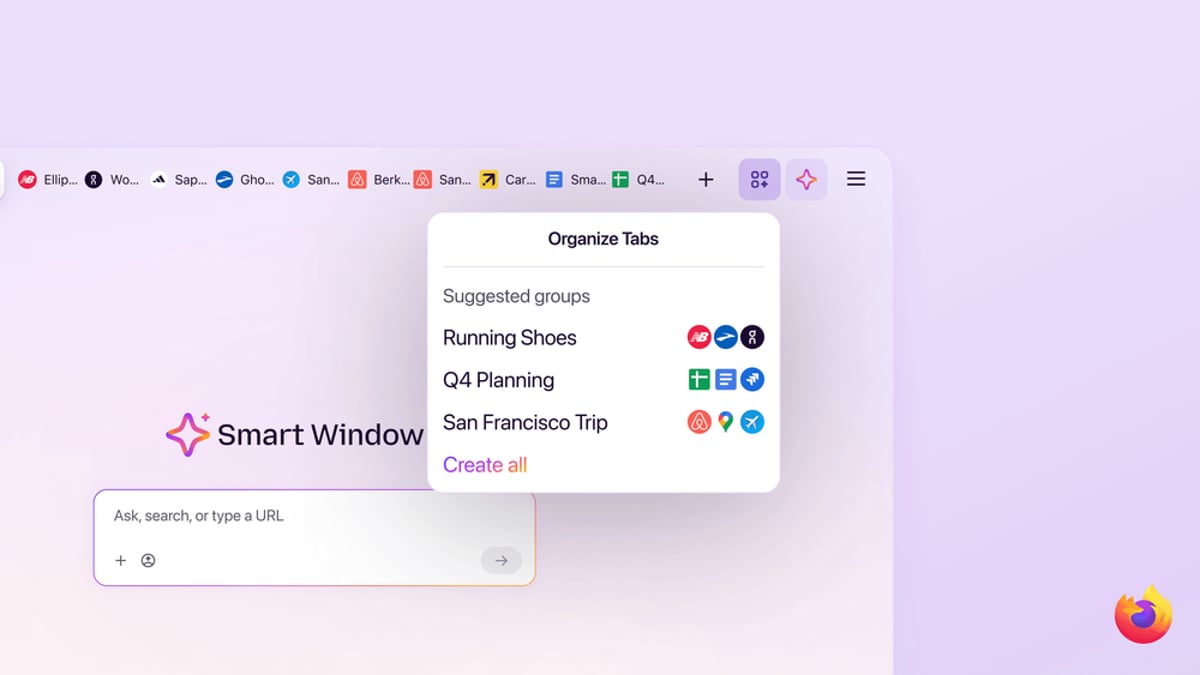
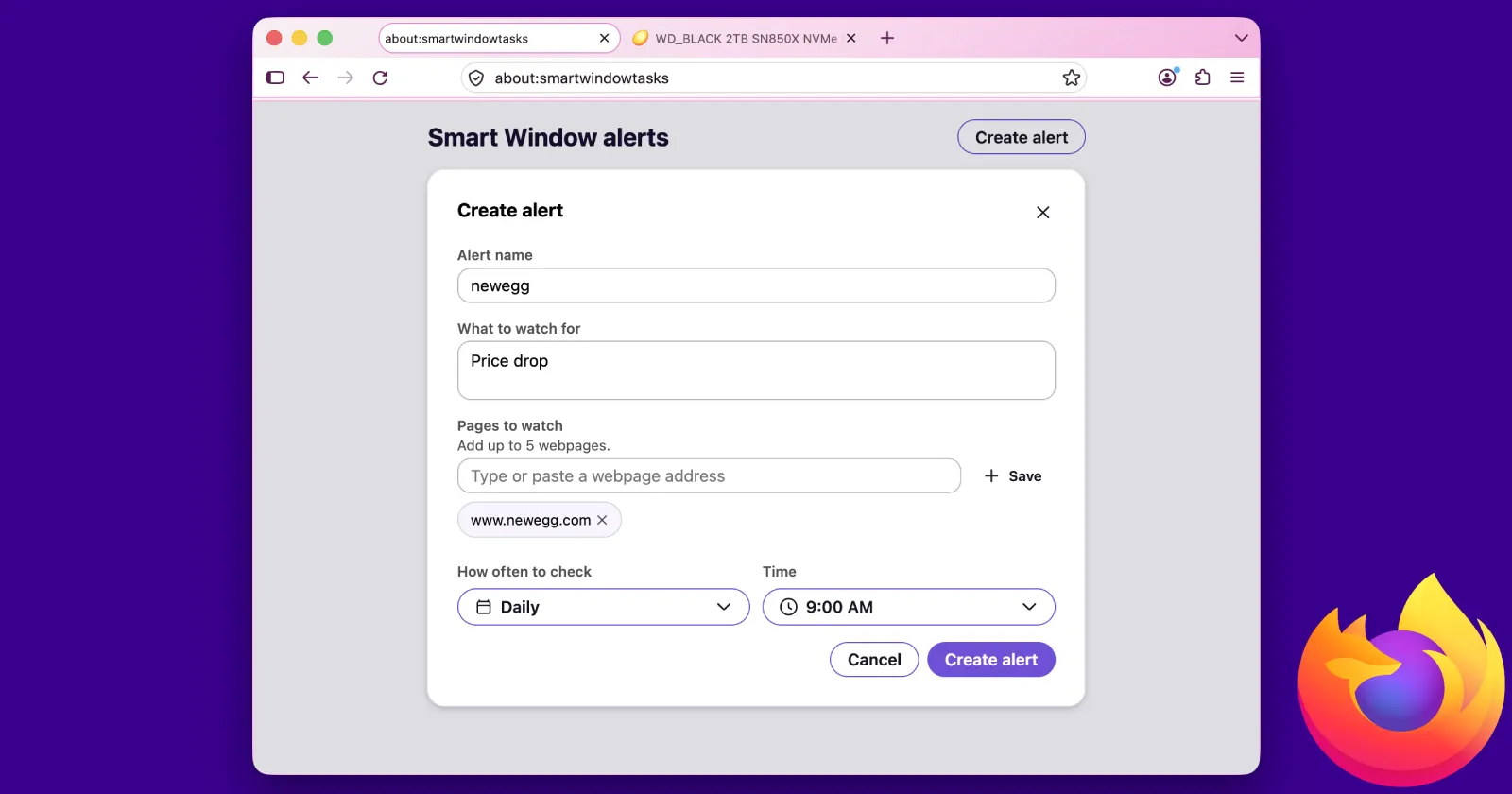
Mozilla's strategic partnership with Exa.ai represents a fundamental shift in how AI-powered search will operate in the browser ecosystem, with direct implications for e-commerce sellers' product discoverability and brand visibility. Unlike closed-system competitors (Google, Apple, Microsoft), Firefox is building an open AI ecosystem that prioritizes visible citations and source attribution—meaning product listings, reviews, and seller content remain visible when AI summarizes information rather than disappearing into proprietary AI responses. This partnership integrates Exa's technology into Firefox's Smart Window (desktop) and Quick Answers (iOS), enabling users to access current, source-backed answers without leaving their browsing page.
For e-commerce sellers, this creates three immediate opportunities: First, product content visibility advantage—sellers whose product pages, reviews, and descriptions are properly structured for AI retrieval will gain disproportionate visibility in Firefox's AI-powered search results, as the platform explicitly commits to showing sources. Second, trust-based differentiation—the emphasis on transparent citations and source verification aligns with growing consumer demand for authentic, traceable product information, particularly in categories like supplements, electronics, and beauty where source credibility drives purchasing decisions. Third, competitive intelligence through open APIs—Firefox's commitment to an open ecosystem (contrasting with Google's vertical integration of browser, search, and AI) suggests future opportunities for sellers to integrate directly with Firefox's search infrastructure, similar to how Amazon sellers optimize for A9 search.
The strategic context matters significantly: Mozilla explicitly rejects vertical integration, where single companies control browser, search engine, and AI model simultaneously. This philosophy directly threatens Google's dominance (which controls all three layers) and creates space for alternative search strategies. For sellers, this means the 500M+ Firefox users represent an emerging audience segment that will increasingly rely on AI-powered search with visible attribution—fundamentally different from Google's AI Overviews, which often obscure original sources. Sellers optimizing for Firefox's AI search (through structured data, clear citations, and transparent sourcing) will capture disproportionate share of this traffic as the browser gains AI-search market share.
Operational impact for sellers: Product listings must now optimize for two distinct AI search paradigms—Google's proprietary summarization (where sources fade) and Firefox's attribution-focused model (where sources remain visible). This requires sellers to invest in structured data markup (Schema.org), clear product sourcing information, and review authenticity signals. Categories emphasizing transparency (organic products, fair-trade goods, artisan items, certified electronics) will see the largest visibility gains in Firefox's AI search, as these align with the platform's values around source attribution and user choice.
Questions 7
What timeline should I expect for Firefox AI search to impact my sales?
Firefox's AI search features (Smart Window and Quick Answers) are rolling out immediately, but significant sales impact will likely occur over 6-12 months as adoption grows. Early adopters who optimize for source attribution and structured data now will see visibility gains within 30-60 days as Firefox's AI crawler indexes their improved listings. However, meaningful traffic volume depends on Firefox's AI search adoption rate among its user base. Monitor your Firefox referral traffic starting 30 days after optimization; if you see 10-15% month-over-month growth in Firefox traffic, it signals the AI search features are driving discovery. Plan for 2-3% of total search traffic from Firefox AI search by Q3 2025, growing to 5-8% by 2026 as adoption accelerates.
Does Firefox's partnership threaten my visibility on Google Search?
No—this partnership creates a parallel search ecosystem rather than replacing Google. However, it does signal a market shift toward transparency and source attribution that Google is responding to with its own AI Overviews. Your visibility strategy should now address both models: optimize for Google's proprietary summarization (where you need strong brand authority and review volume) AND Firefox's attribution-focused search (where transparent sourcing and structured data matter more). This dual optimization actually strengthens your overall search presence, as it forces you to improve product information quality, which benefits performance across all search platforms.