


Strait of Hormuz Tensions Spike Shipping Costs 2-5% | Critical Supply Chain Alert for E-Commerce Sellers
- Brent crude surges to $91/barrel amid escalating Iranian attacks; 21% of global petroleum and containerized cargo at risk; sellers face immediate 2-5% logistics cost increases within 30-60 days







Overview
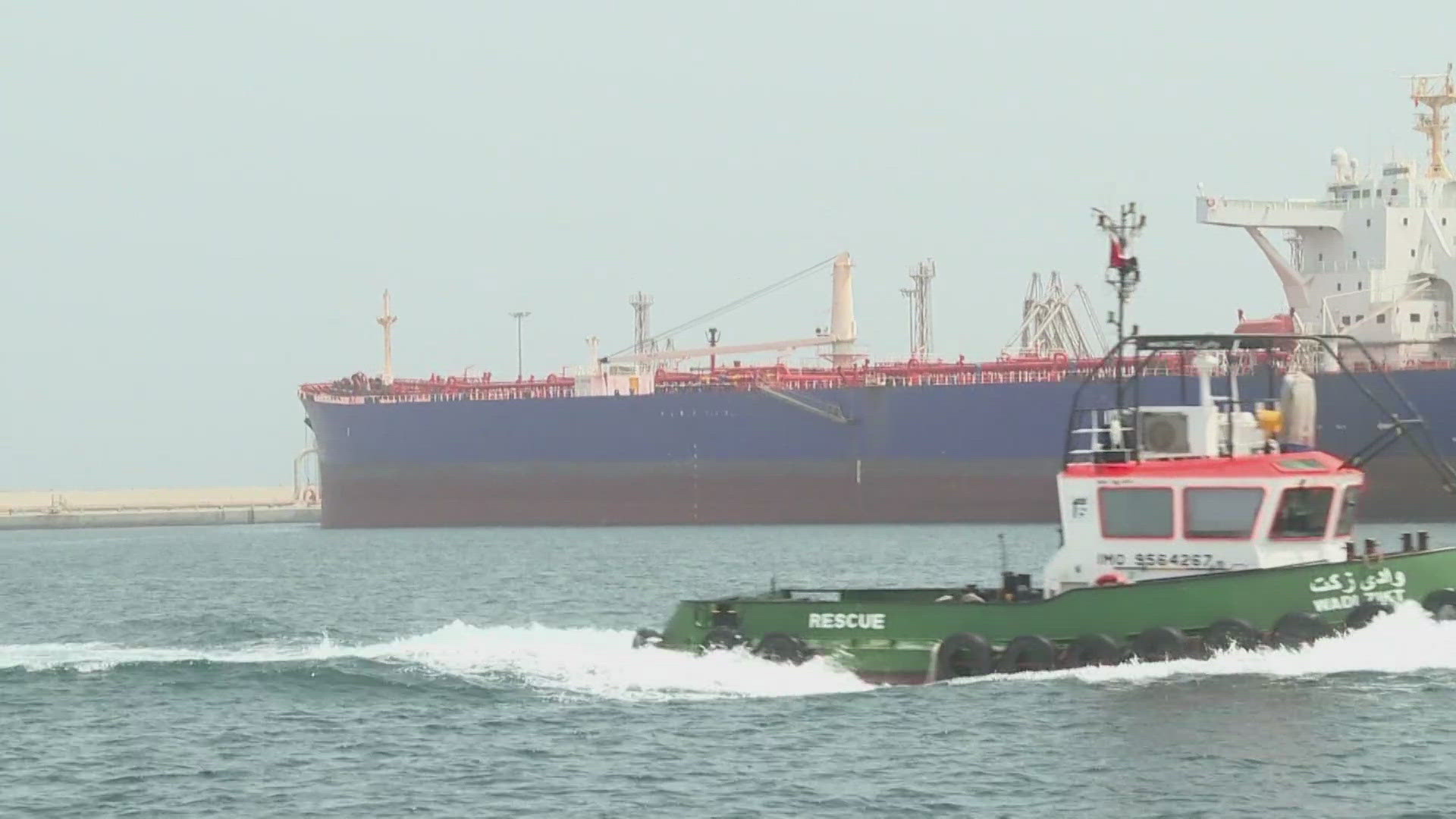
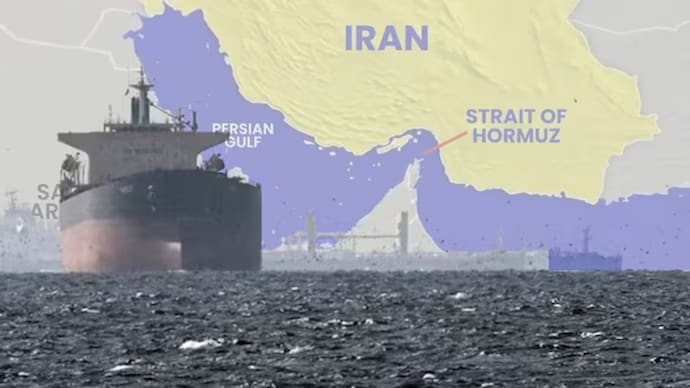
The Strait of Hormuz maritime security crisis represents an immediate operational cost shock for cross-border e-commerce sellers. As of mid-August 2026, escalating Iranian attacks on commercial shipping vessels in the Strait of Hormuz—which handles 21% of global petroleum trade and serves as a critical passage for containerized cargo connecting Asia, the Middle East, and Europe—have driven Brent crude from $76 to $91 per barrel (a $15 gain since early August). President Trump's stated position that the US has no scheduled negotiations with Iran and no rush to end the conflict signals prolonged geopolitical uncertainty through at least Q4 2026. For e-commerce sellers, this translates directly into quantifiable logistics cost increases: historical precedent shows Strait of Hormuz tensions typically result in 2-5% shipping cost increases within 30-60 days, with sellers relying on air freight or expedited shipping facing particularly acute cost pressures.
The operational impact cascades across three seller segments with different vulnerability profiles. Small-to-medium sellers (SMBs) shipping 100-500 units monthly via sea freight face immediate margin compression of 2-4% on products with <15% gross margins, particularly in electronics, home goods, and apparel categories where sea freight represents 8-12% of landed costs. Large sellers with established 3PL networks can absorb 1-2% cost increases through volume negotiations, but those dependent on just-in-time inventory from Asia-Pacific suppliers face critical buffer stock decisions. Insurance premiums for vessels transiting the Strait typically increase 15-25% during heightened tension periods, adding $200-600 monthly to shipping costs for sellers moving 50+ containers annually. The U.S. military's measured response approach suggests ongoing diplomatic efforts, but the absence of scheduled negotiations indicates this situation will persist through at least Q4 2026, creating sustained volatility in energy markets and logistics pricing.
Strategic sourcing and routing decisions become critical within the next 30-60 days. Sellers currently routing shipments through the Strait of Hormuz should immediately evaluate alternative passages (Cape of Good Hope adds 10-14 days transit time and 15-20% cost premium) and diversify supplier bases toward Vietnam, India, and Mexico to reduce Asia-Pacific dependency. Renegotiating logistics contracts before further rate increases is essential—historical data shows shipping rates typically stabilize 60-90 days after initial geopolitical shocks. Maintaining 2-4 weeks of buffer inventory for high-velocity SKUs (electronics, beauty, home goods) mitigates supply chain disruption risks. Sellers should monitor daily Brent crude prices and Suez Canal Authority announcements as leading indicators; when crude exceeds $95/barrel or shipping indices (Shanghai Containerized Freight Index) rise >8%, expect imminent carrier surcharges within 7-14 days.
Questions 8
What is the timeline for when Strait of Hormuz tensions might resolve?
President Trump stated the US has no scheduled negotiations with Iran and no rush to end the conflict, indicating prolonged uncertainty through at least Q4 2026. Historical precedent shows similar geopolitical tensions (2019 Hormuz incidents, 2022 Russia-Ukraine impact on shipping) typically persist 4-6 months before diplomatic resolution. Plan logistics strategies assuming elevated costs through December 2026. However, if crude prices exceed $100/barrel or military escalation occurs, tensions could extend into Q1 2027. Maintain flexibility in your logistics contracts with 30-day renegotiation windows rather than locking in long-term rates during this period of uncertainty.
How can I source products outside the Strait of Hormuz supply chain?
Evaluate supplier diversification toward Vietnam (electronics, apparel, home goods), India (textiles, beauty, home goods), and Mexico (apparel, electronics assembly). These regions bypass the Strait of Hormuz entirely and offer 5-15% cost savings compared to China suppliers, offsetting some logistics cost increases. Vietnam's manufacturing capacity has grown 40% since 2023, with lead times now matching China (45-60 days). Negotiate trial orders (500-1,000 units) with 2-3 new suppliers in each region to validate quality and lead times. The transition typically takes 60-90 days but provides long-term supply chain resilience and cost advantages beyond the current geopolitical crisis.