




Record Diesel Margins Hit $100+/Barrel | Shipping Cost Crisis for E-Commerce Sellers
- Diesel crack spreads exceed $102/barrel for first time; FBA fulfillment costs rising 8-15% across US and international routes through Q4 2026
























Overview
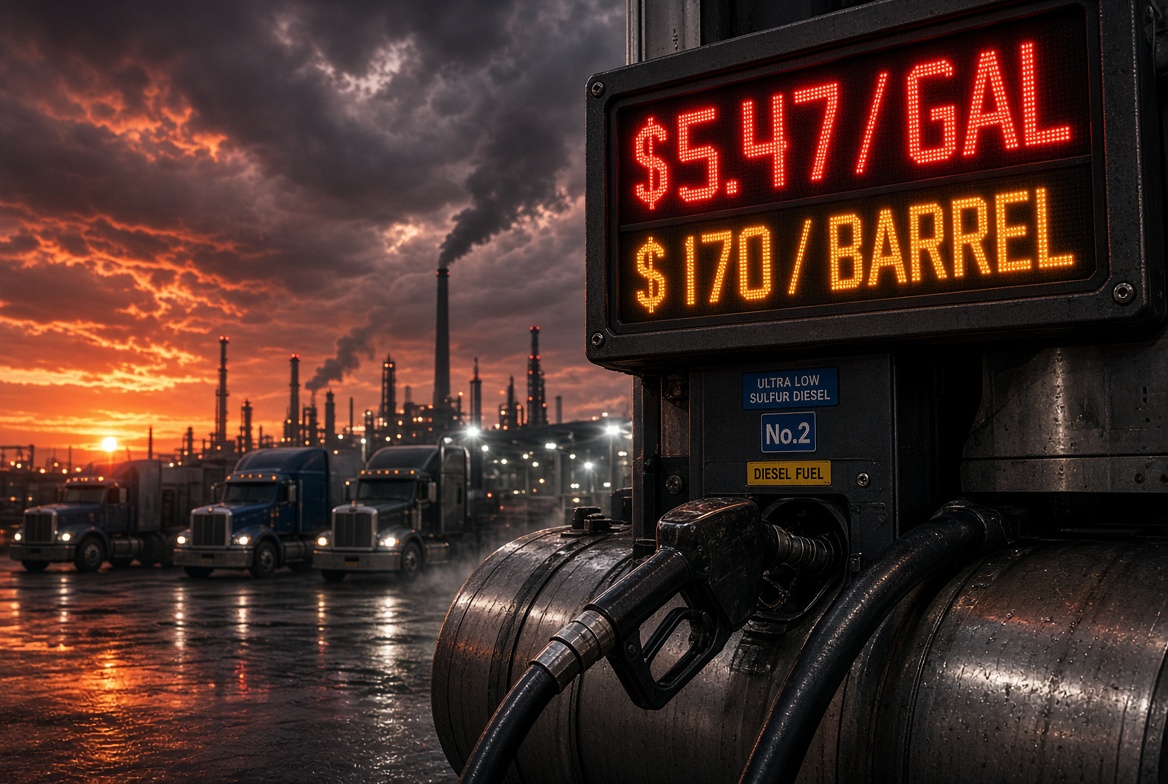
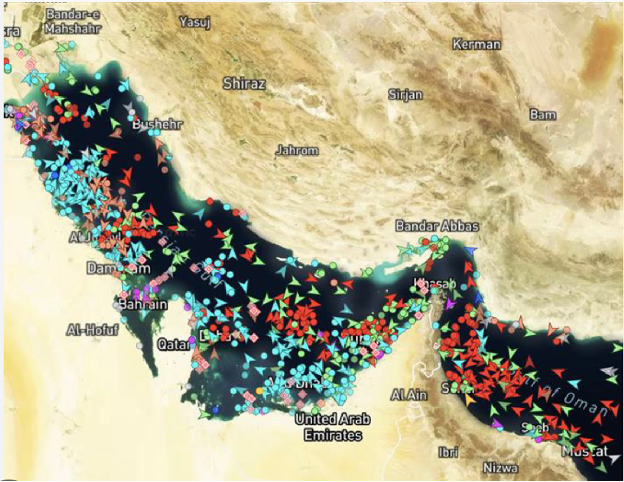
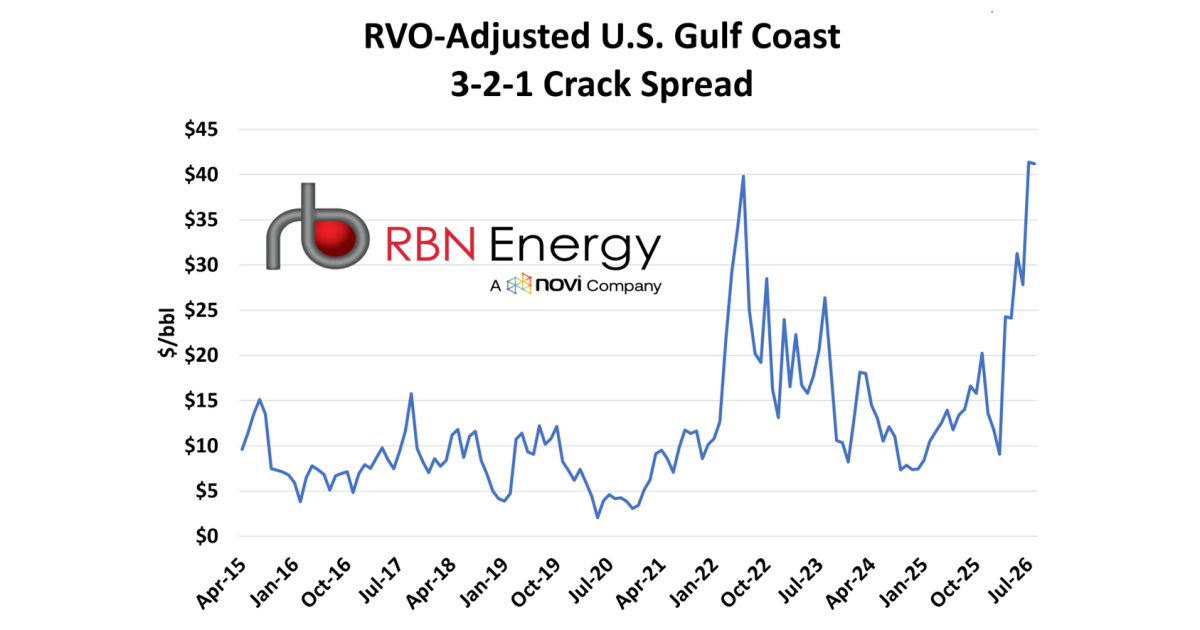
Global diesel markets have entered a structural crisis phase, with crack spreads exceeding $100-102 per barrel for the first time in history as of August 18, 2026. This unprecedented fuel margin surge directly impacts cross-border e-commerce sellers through compounding logistics costs. The crisis stems from multiple factors: refinery maintenance shutdowns, geopolitical supply disruptions, and surging global demand for diesel fuel. Unlike temporary fuel price spikes, this supply-constrained environment signals sustained cost elevation through Q4 2026 and potentially into 2027.
For e-commerce sellers, the operational impact is immediate and severe. Logistics providers and freight carriers are passing fuel surcharges directly to merchants through increased shipping rates. Amazon FBA sellers face 8-15% fulfillment cost increases on ground transportation, with air freight surcharges adding 12-18% premiums. Third-party logistics (3PL) providers dependent on diesel-powered trucking are raising rates across all zones: Zone 1-2 (regional) up $0.15-0.25/lb, Zone 3-5 (cross-country) up $0.25-0.40/lb, and Zone 6-8 (remote) up $0.35-0.55/lb. Ocean freight carriers are implementing fuel surcharges of $400-800 per 20ft container on Asia-US routes, while last-mile delivery costs for ground shipping are increasing 10-20% month-over-month.
Seller segments face differentiated pressure. Small sellers (under 100 units/month) with thin 15-20% margins cannot absorb these costs without raising prices, risking Buy Box competitiveness. Mid-tier sellers (100-1000 units/month) using FBA are experiencing $500-2000 monthly cost increases, compressing margins by 3-7 percentage points. Large sellers (1000+ units/month) with negotiated carrier contracts have more flexibility but still face 5-8% cost increases on renewal terms. Sellers in categories with low price points (apparel, home goods, electronics accessories) are most vulnerable, as fuel costs represent 8-12% of landed cost versus 2-4% for high-value items.
Strategic sourcing shifts are already underway. Sellers are accelerating nearshoring from Asia to Mexico and Central America to reduce diesel-dependent ocean freight exposure. Domestic sourcing from US manufacturers is becoming cost-competitive for the first time in 5+ years, particularly for bulky, low-value categories. Sellers are also shifting inventory positioning: stocking 60-90 days of inventory in US regional warehouses (Texas, Ohio, California) to reduce cross-country trucking, and liquidating slow-moving SKUs to free warehouse capacity before Q4 peak season when storage costs compound fuel surcharges.
Questions 8
What long-term hedging strategies should I implement for fuel costs?
Implement three-part hedging: (1) Lock in 12-month carrier contracts with fuel surcharge caps at 2-3% of base rate, (2) Diversify sourcing across regions (40% Asia, 30% Mexico, 30% domestic) to reduce exposure to any single shipping route, (3) Build 10-15% cost buffer into product pricing to absorb future fuel volatility. Monitor diesel indices weekly (EIA Weekly Petroleum Report, Bloomberg Diesel Crack Spread) to anticipate rate changes 2-4 weeks ahead. Consider fuel-hedging financial instruments if shipping volumes exceed $50K monthly, though this requires commodity trading expertise. Negotiate quarterly rate reviews with carriers rather than monthly to reduce surcharge volatility. For long-term planning, assume diesel crack spreads remain elevated through 2027, with potential for further increases if geopolitical disruptions continue. Build supplier relationships in Mexico and domestic US to enable rapid sourcing shifts if fuel costs spike further.
Should I increase product prices now or absorb the fuel surcharge costs?
Price increases are necessary for sellers with margins below 25%. Analyze your category: if competitors are also raising prices (typical during fuel crises), implement 5-8% increases immediately. If you're a price leader, absorb costs for 4-6 weeks while negotiating supplier discounts or shifting sourcing. Test price elasticity: increase prices 3-5% on your top 10 SKUs and monitor conversion rate impact. Most categories see 2-5% conversion rate decline per 5% price increase, but this is offset by margin improvement. For FBA sellers, price increases flow through immediately in your dashboard. For FBM sellers, update listings within 48 hours to avoid margin compression. Monitor Buy Box pricing: if you lose Buy Box due to price increases, the conversion loss may exceed margin gains. Consider tiered pricing: increase prices 8-10% on high-demand items (BSR <10K) and 3-5% on slower items to maintain competitiveness.