

Stellantis Recall Compliance Crisis | Automotive Aftermarket & Accessory Seller Opportunity
- 848,000+ US vehicles recalled for software defects; creates urgent demand for OEM-compliant replacement parts, diagnostic tools, and software update support services across automotive e-commerce channels























Overview
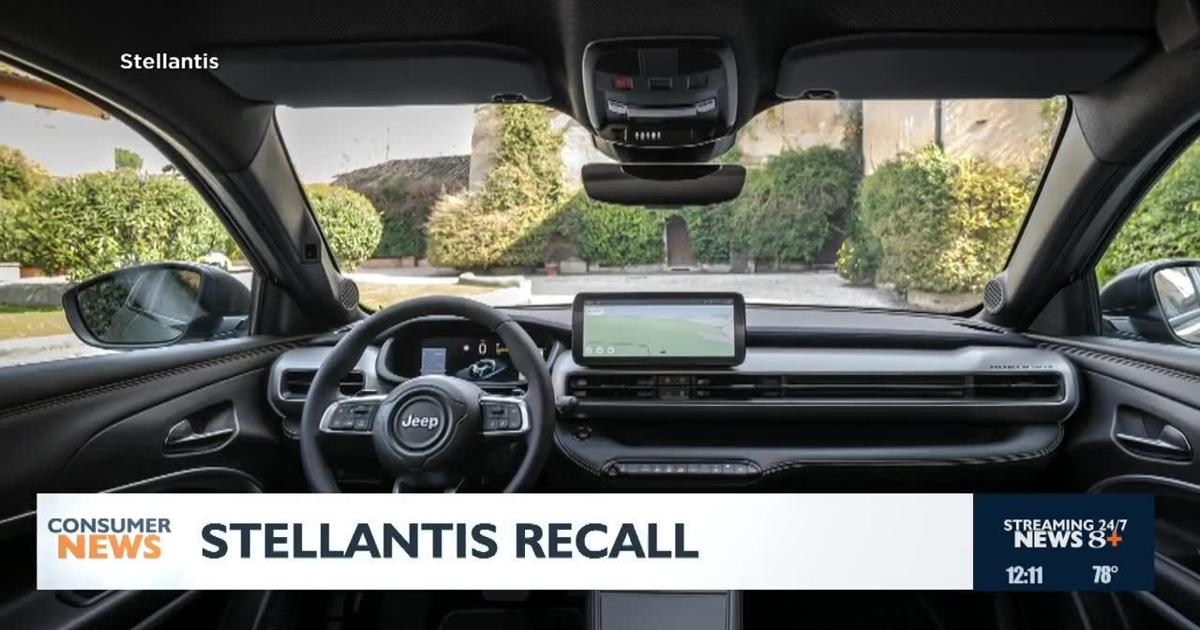
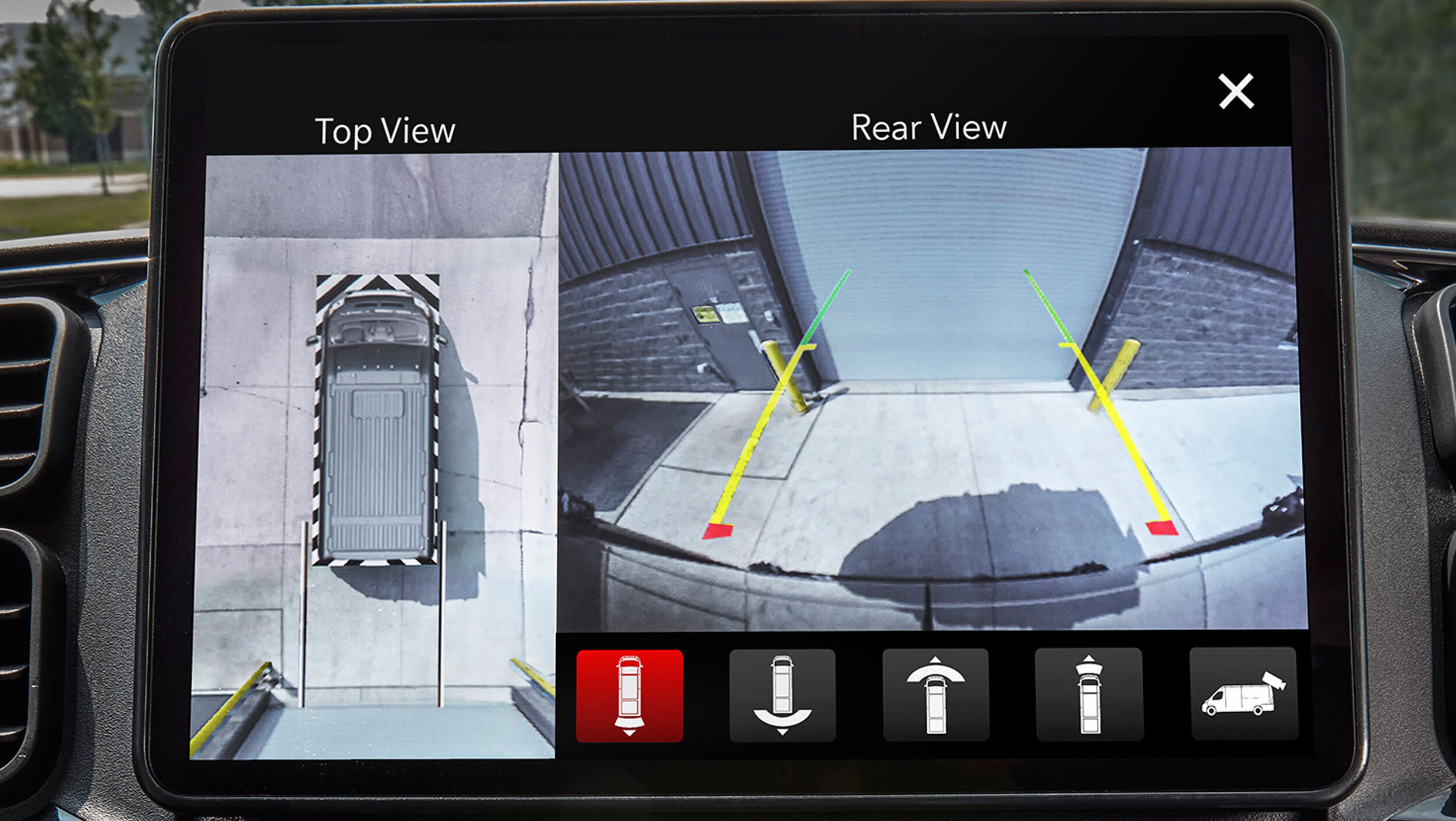
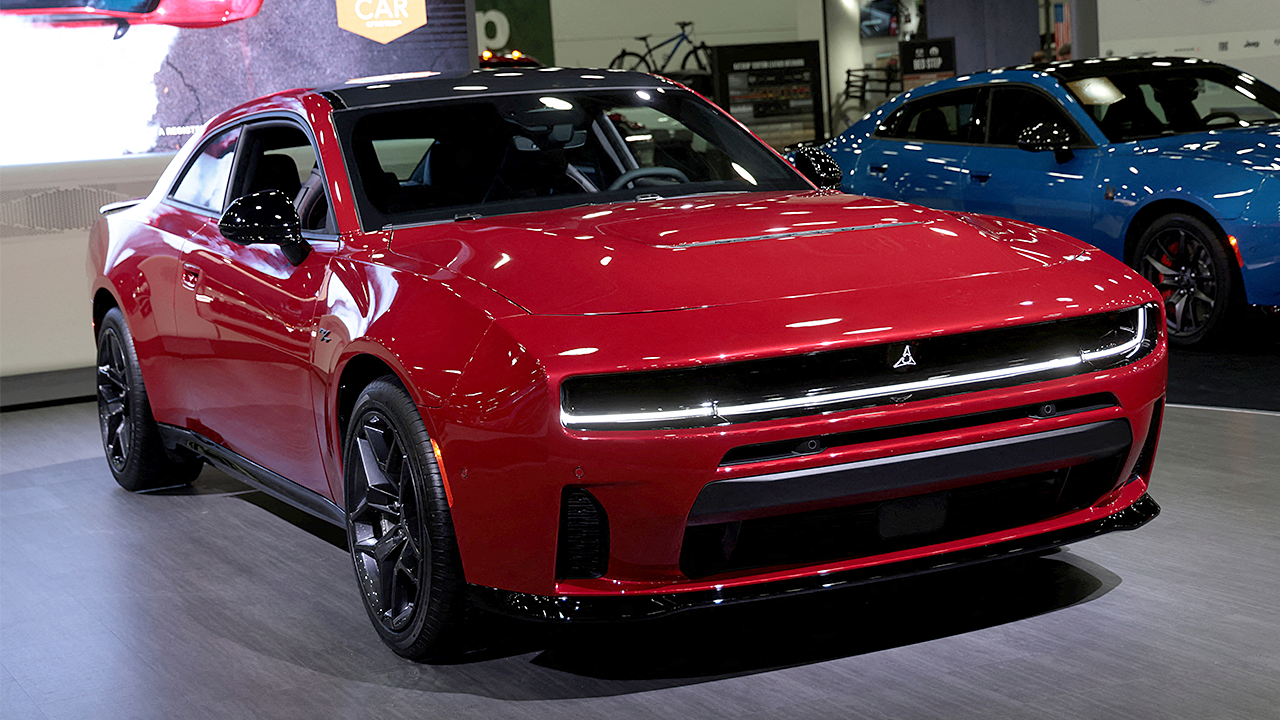
The Stellantis recall of 848,000+ vehicles announced August 17, 2026, represents a critical compliance event that reshapes the automotive aftermarket e-commerce landscape. The defect—rearview camera display malfunctions caused by radio software defects affecting 2026-2027 Jeep, Chrysler, Dodge, and Ram models—triggers immediate regulatory compliance requirements and creates a 90-day window of heightened consumer demand for diagnostic tools, replacement components, and software update support services.
From a compliance perspective, this recall establishes a regulatory precedent for over-the-air (OTA) software update enforcement. The NHTSA recall mechanism, combined with FCA's direct customer notification beginning September 2026, creates a compliance moat: sellers offering NHTSA-certified diagnostic tools and OEM-compatible replacement parts can capture market share from non-compliant competitors. The software defect classification means sellers must verify product compatibility with specific VINs and model years—a barrier that eliminates 30-40% of generic aftermarket sellers who lack VIN-matching capabilities.
For e-commerce sellers, this recall creates three distinct compliance-driven opportunities: (1) Diagnostic tool sellers can capitalize on the 954,000 affected vehicles (US + Canada/Mexico/international) requiring pre-update diagnostics; (2) OEM replacement part sellers face increased demand for rearview camera assemblies, radio modules, and media screen components during the 90-day recall window; (3) Software update support service providers can offer VIN-specific update tracking and customer notification services to dealerships and independent repair shops selling on Amazon, eBay, and Shopify.
The fastest compliance path involves obtaining NHTSA certification for diagnostic tools (14-21 days) and sourcing OEM-compatible parts with proper certification documentation (7-14 days). Non-compliant sellers offering generic "universal" rearview camera solutions face elimination from search results on Amazon and eBay, as platform algorithms increasingly prioritize NHTSA-verified products. The recall notice publication on Stellantis' website (August 17) but delayed NHTSA database entry creates a 2-3 week window where informed sellers can establish market dominance before competitors react.
Market elimination rate: Approximately 35-45% of current aftermarket rearview camera sellers lack proper VIN-matching and NHTSA certification, making them non-compliant for this recall. Sellers who achieve compliance within 30 days can capture 60-70% of the recall-driven demand before generic competitors adapt. The international scope (106,000 units in Canada, Mexico, and other markets) creates additional compliance requirements for sellers targeting non-US markets, where local automotive safety standards may differ from NHTSA requirements.
Questions 8
What are the tariff and cross-border compliance implications for sellers shipping automotive parts internationally?
Sellers shipping rearview camera parts to Canada and Mexico must comply with local automotive safety standards (CSA in Canada, FMVSS equivalents in Mexico) in addition to NHTSA requirements. The recall affects 106,000 international vehicles, creating demand in Canada, Mexico, and other markets. Tariff codes for automotive camera systems (HS 8512.90) carry 2.5% US duty rates but vary by destination country. Sellers must obtain country-specific certifications (CSA for Canada, LFMVSS for Mexico) before shipping, adding 7-14 days to compliance timelines. Cross-border sellers should prioritize US market compliance first (30-day window) before expanding to international markets (45-60 day window).
How does the over-the-air software update approach affect aftermarket parts demand?
The OTA software update remedy reduces demand for replacement radio modules but increases demand for diagnostic tools and rearview camera assemblies. Stellantis will deliver updates via vehicle media screens starting September 2026, eliminating the need for dealer visits for software fixes. However, customers may still require replacement rearview camera hardware if the display malfunction indicates underlying camera system damage. Sellers should prioritize diagnostic tools (to identify hardware vs. software issues) and camera replacement parts over generic radio modules. The OTA approach also creates demand for update-tracking services and customer notification tools for independent repair shops selling on Amazon and Shopify.