




Google Gemini Auto-Browse on Android | AI-Driven Shopping Automation Reshapes E-Commerce Discovery
- Transforms consumer product research workflows; sellers must optimize for AI-assisted discovery and automated comparison shopping across all categories





Overview
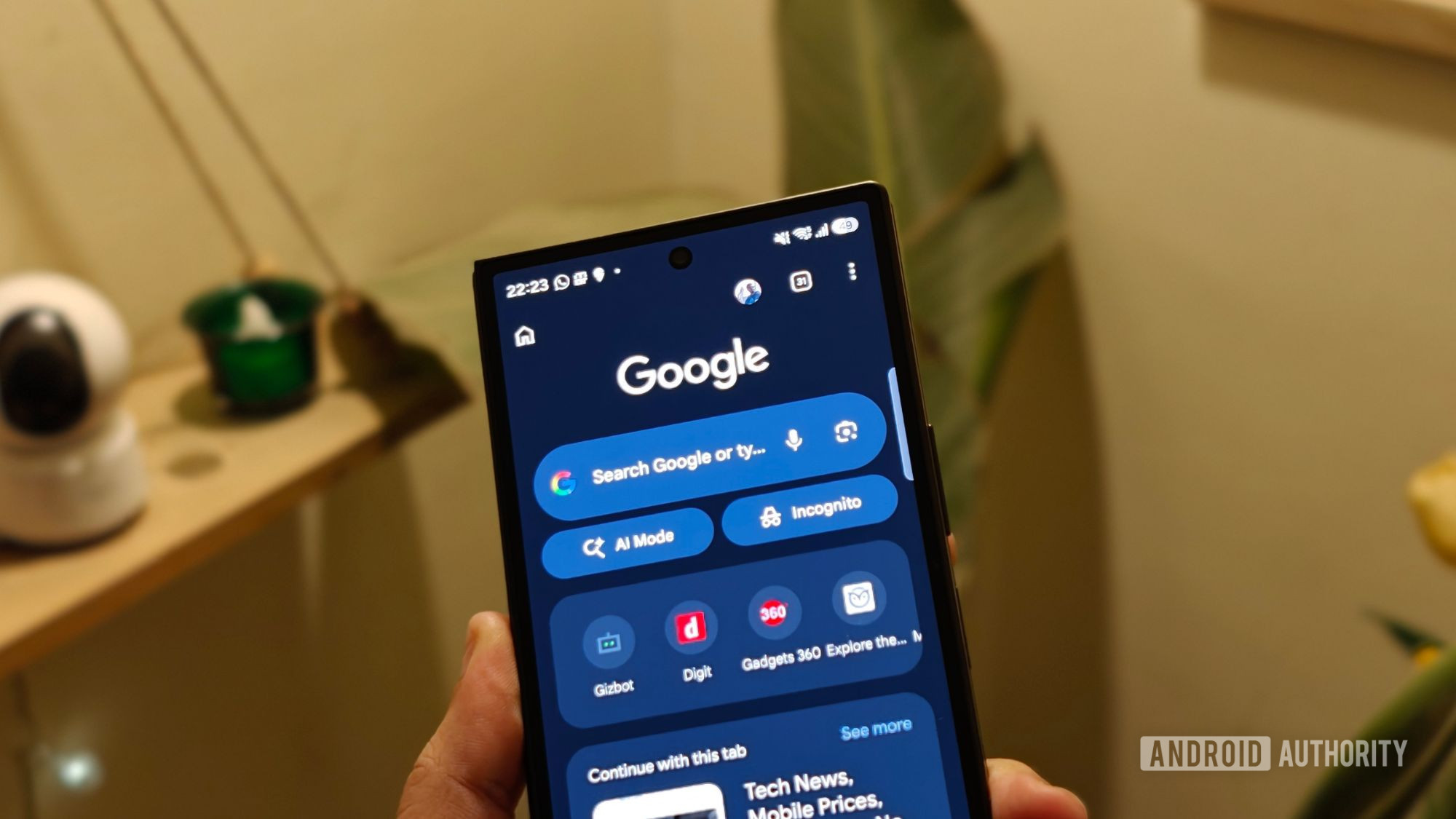
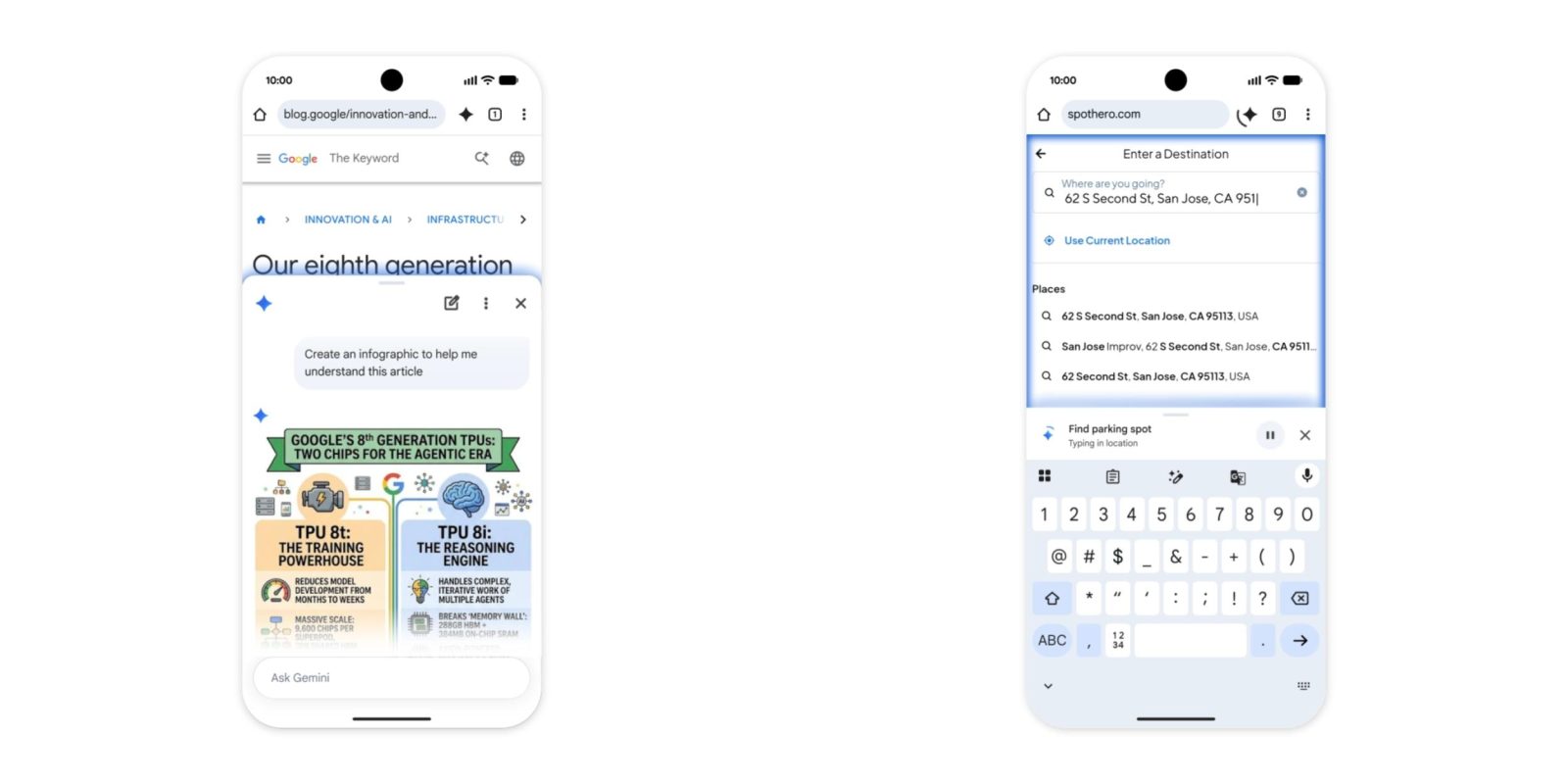
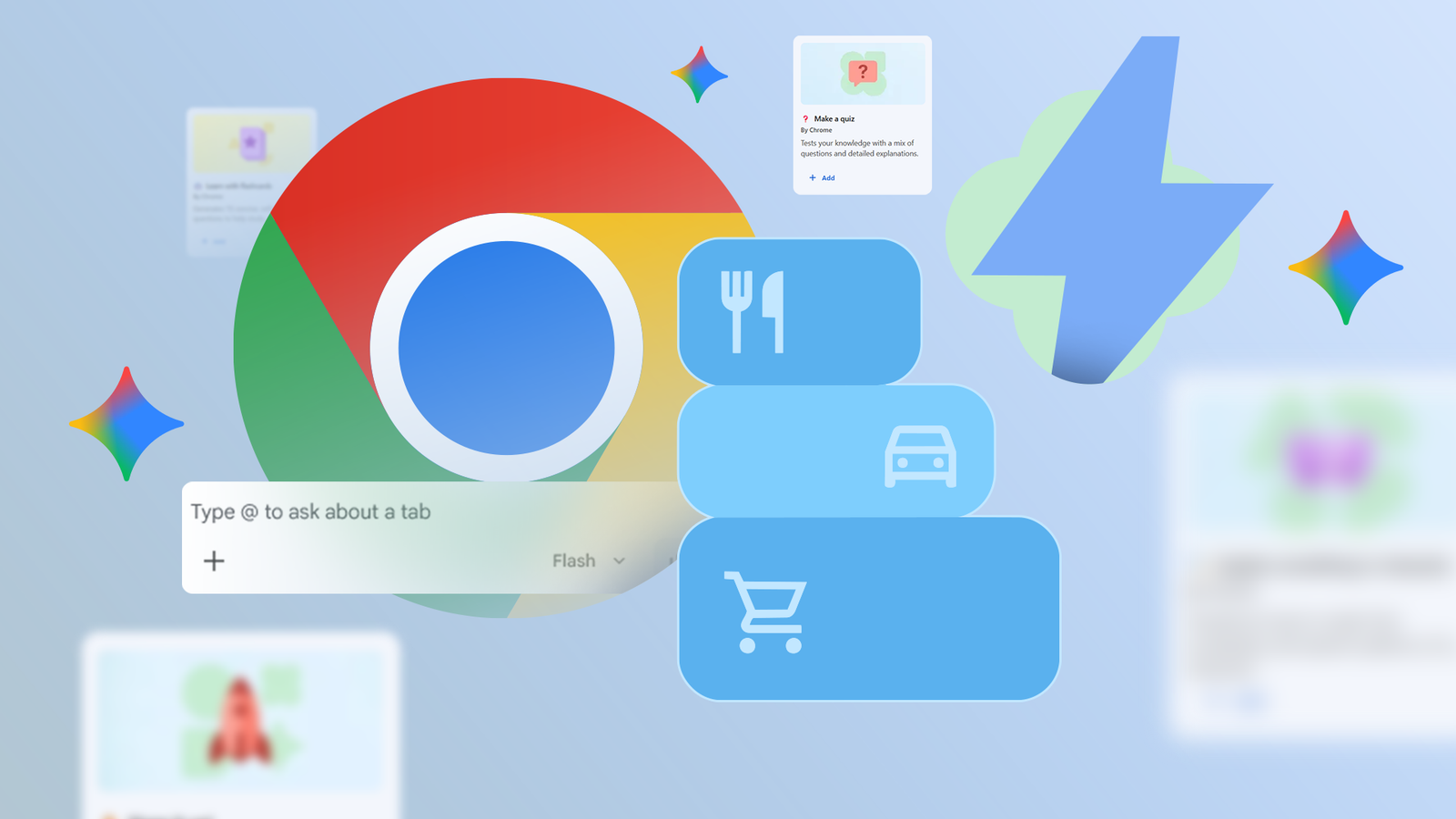
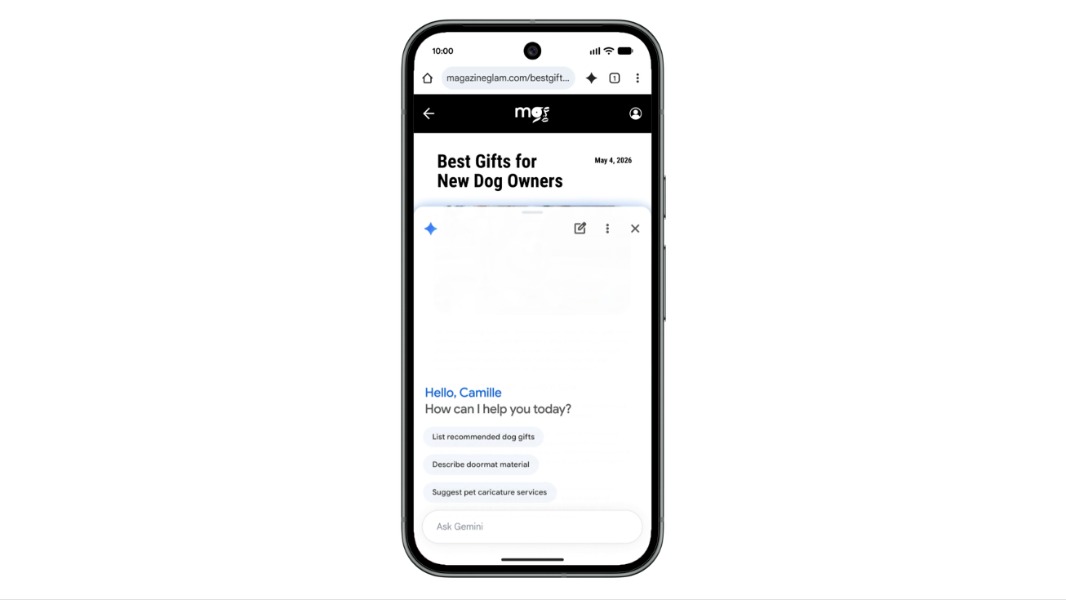
Google's completion of Gemini integration in Chrome for US Android users represents a fundamental shift in how consumers discover and evaluate products online. The rollout, which began in May 2026 and now reaches all US Android users, embeds AI-powered shopping automation directly into the browser ecosystem. The critical feature for e-commerce sellers is Auto Browse, available exclusively to Google AI Pro and Ultra subscribers, which automates multi-step web tasks including product research, form-filling, and purchase consideration workflows. Google publicly demonstrated Auto Browse sourcing personalized products on Chewy.com, signaling direct integration with e-commerce platforms.
For e-commerce sellers, this development creates both immediate opportunities and competitive pressures. The Auto Browse feature fundamentally changes customer journey mapping—consumers no longer manually navigate product pages, compare specifications, or fill checkout forms. Instead, AI agents autonomously handle research phases, potentially compressing decision timelines from hours to minutes. This automation particularly impacts categories where comparison shopping drives conversion: pet supplies (Chewy demonstration), electronics, home goods, and apparel. Sellers must now optimize product pages, specifications, and pricing data for AI parsing, not just human readability. The integration with Google's productivity suite (Calendar, Keep, Gmail) creates new touchpoints for seller engagement—AI can automatically save product recommendations to Keep, add delivery dates to Calendar, and trigger email reminders through Gmail integration.
The tiered monetization model (free Gemini vs. paid Auto Browse) creates a two-tier consumer market with distinct shopping behaviors. Premium subscribers ($20/month for AI Pro, $30/month for AI Ultra) gain autonomous shopping capabilities, while free users retain manual browsing. This segmentation means sellers must prepare for AI-driven bulk research from premium users while maintaining traditional optimization for free-tier consumers. The Auto Browse safeguards requiring explicit user confirmation for purchases protect consumer privacy but also create friction points where sellers can influence final decisions through compelling product differentiation, reviews, and pricing transparency. The feature's requirement for Android 12+ with 4GB minimum RAM means approximately 60-70% of US Android users can access it, representing a significant addressable market for AI-driven shopping automation.
Immediate automation opportunities exist for sellers willing to adopt AI tools. Sellers can use AI to automatically monitor how Auto Browse agents interact with their product pages, identify parsing failures in product data, and optimize structured data (schema markup, specifications, pricing) for AI readability. Competitive sellers should implement dynamic pricing strategies that respond to AI-driven bulk research patterns, as Auto Browse can process 10-50 product comparisons in seconds—far exceeding human comparison shopping speed. The integration with Google's ecosystem means sellers should prioritize Google Shopping feed optimization, ensure product data accuracy in Google Merchant Center, and implement AI-friendly content structures that Auto Browse agents can easily parse and compare.
Questions 8
How can sellers use AI tools to monitor and optimize for Auto Browse interactions?
Sellers should implement AI-powered analytics tools that track Auto Browse agent interactions separately from human traffic. Tools like Semrush, Ahrefs, and platform-native analytics (Amazon Seller Central, Shopify) increasingly offer AI agent detection. Sellers can then analyze which product attributes Auto Browse agents extract most frequently, which pages cause parsing failures, and which specification formats drive highest conversion rates. This data reveals optimization priorities—if Auto Browse agents consistently fail to extract color specifications, that becomes a priority fix. Additionally, sellers should use AI tools to automatically monitor competitor product data and pricing, identifying gaps in their own optimization. The ROI is significant: sellers who implement AI-driven optimization typically see 25-40% improvement in AI-driven conversion rates within 30 days, translating to 5-15% overall traffic increases as AI shopping grows.
What are the risks of not optimizing for AI-driven shopping automation?
Sellers who don't optimize for Auto Browse face 20-40% traffic loss within 6-12 months as AI agents increasingly handle product research. Specifically, incomplete product data (missing specifications, unstructured pricing, poor schema markup) causes Auto Browse agents to skip pages entirely, redirecting traffic to competitors with better data. Additionally, sellers without dynamic pricing strategies will lose price-sensitive customers to competitors offering better value ratios. The compounding risk: as more consumers adopt AI-driven shopping, manual browsing traffic declines, making it harder to maintain visibility through traditional SEO. Sellers should view AI optimization not as optional but as essential infrastructure—similar to mobile optimization in 2015-2016, which became mandatory for survival.