


Nike's DTC Collapse Creates $2B+ Wholesale Opportunity | Sellers Can Capture Shelf Space in 2025
- Nike's failed direct-to-consumer strategy opens wholesale channels for athletic apparel sellers; Greater China market weakness signals 30% demand shift to local competitors like Anta and Li-Ning




Overview
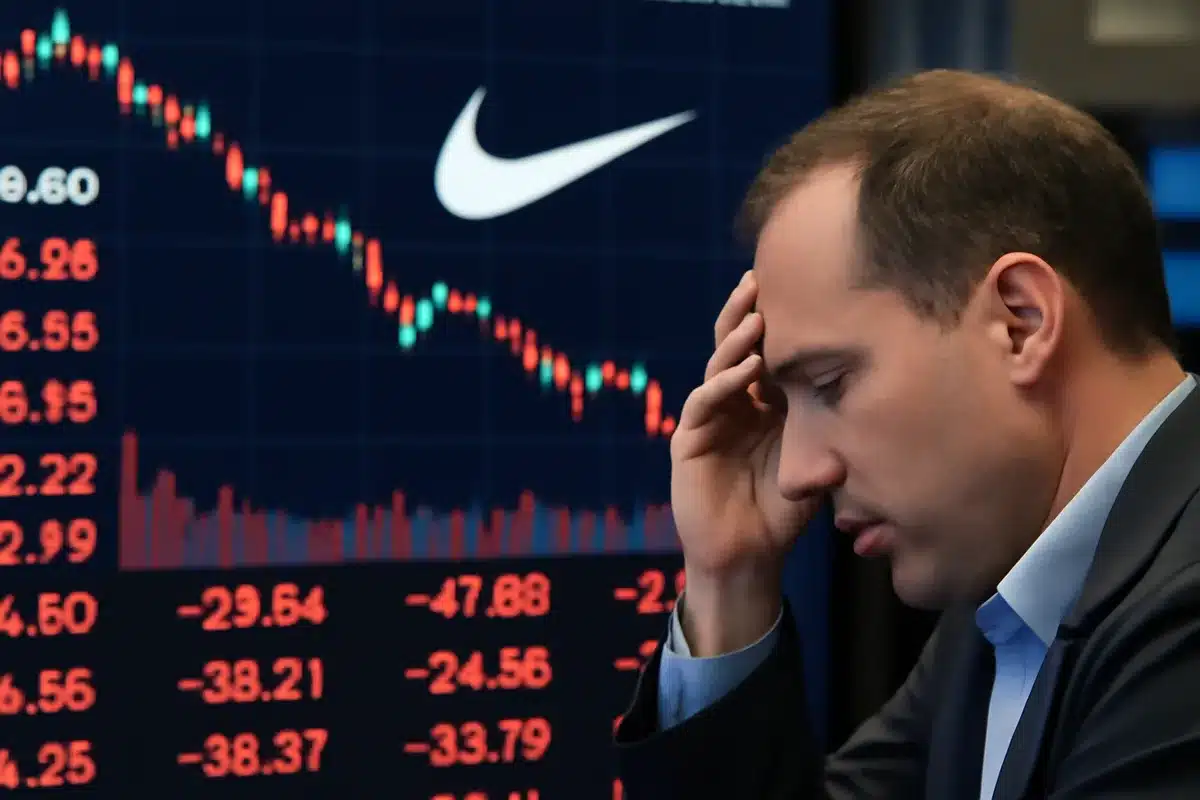
Nike's multi-year turnaround crisis represents a critical market opportunity for third-party sellers in athletic apparel and footwear. The company's aggressive "Consumer Direct Offense" strategy (2017-2024) backfired spectacularly: while direct revenue surged 73% between 2020-2024, operating margins collapsed from 13% to 8%, forcing CEO Elliott Hill to rebuild wholesale relationships and clear excess inventory. This creates immediate shelf space and wholesale opportunities for competing brands and third-party sellers.
The Strategic Shift: Nike pulled products from wholesale partners to control distribution, inadvertently handing competitors like On, Hoka, Anta, and Li-Ning significant market share gains. JPMorgan downgraded Nike to Underweight in January 2025, cutting fiscal 2027 earnings estimates to $1.55/share, signaling a 2-3 year recovery window. This extended timeline means wholesale channels remain undersupplied through 2026-2027, creating a seller opportunity window.
Greater China Market Collapse: Nike's most critical vulnerability is Greater China, where sales have declined for eight consecutive quarters and dropped approximately 30% since 2021. Despite the broader sportswear market expanding in China, Nike lost share to domestic competitors benefiting from "Guochao" (China Chic) consumer preferences favoring local brands. This 30% market contraction represents $1.2-1.5B in annual demand shifting to alternative suppliers—directly benefiting sellers offering Anta, Li-Ning, and emerging athletic brands on Amazon, Shopify, and regional platforms.
Wholesale Relationship Rebuilding: Nike's new "Sport Offense" model requires inventory clearance and wholesale partner reconciliation through 2026. Retailers previously cut by Nike are now restocking with alternative brands, and third-party sellers can capitalize by offering complementary athletic products, running shoes, and performance apparel at competitive price points. The inventory clearance phase (2025-2026) will depress Nike wholesale pricing, creating arbitrage opportunities for sellers sourcing from distressed inventory channels.
Competitive Positioning: On and Hoka are gaining running market share through technical innovation—a signal that performance-focused, niche athletic brands outperform Nike's mass-market approach. Sellers should prioritize technical running shoes, specialized athletic wear, and performance accessories where On/Hoka have proven demand. The market is shifting from brand loyalty to performance metrics, favoring sellers with product differentiation and targeted marketing.
Questions 8
How does Nike's DTC strategy collapse create opportunities for third-party sellers?
Nike's failed direct-to-consumer strategy (2017-2024) forced the company to rebuild wholesale relationships after pulling products from partners. This creates immediate shelf space and wholesale channel opportunities for competing athletic brands and third-party sellers. CEO Elliott Hill's new 'Sport Offense' model requires inventory clearance through 2026, meaning wholesale channels remain undersupplied for 18-24 months. Sellers can source complementary athletic products, running shoes, and performance apparel to fill the gap Nike created by prioritizing direct sales. The extended recovery timeline (through fiscal 2028) ensures sustained wholesale demand.
What is the Greater China market opportunity for athletic apparel sellers?
Nike's Greater China sales have declined for eight consecutive quarters and dropped approximately 30% since 2021—representing $1.2-1.5B in annual demand shifting to alternative suppliers. Domestic competitors like Anta and Li-Ning are capturing this share through 'Guochao' (China Chic) consumer preferences favoring local brands. Third-party sellers can capitalize by offering Anta, Li-Ning, and emerging Chinese athletic brands on Amazon, Shopify, and regional platforms. The broader sportswear market in China is expanding despite Nike's collapse, meaning demand exists—it's simply shifting to local competitors. Sellers with sourcing relationships in China have a 2-3 year window to establish market position before Nike stabilizes.