


AI Infrastructure Boom Drives Cloud Computing Costs Down | E-Commerce Seller Opportunity
- Nebius $17.4B Microsoft deal enables 45% revenue growth; sellers gain access to cheaper AI-powered tools for product research, pricing optimization, and customer service automation by Q4 2026










Overview
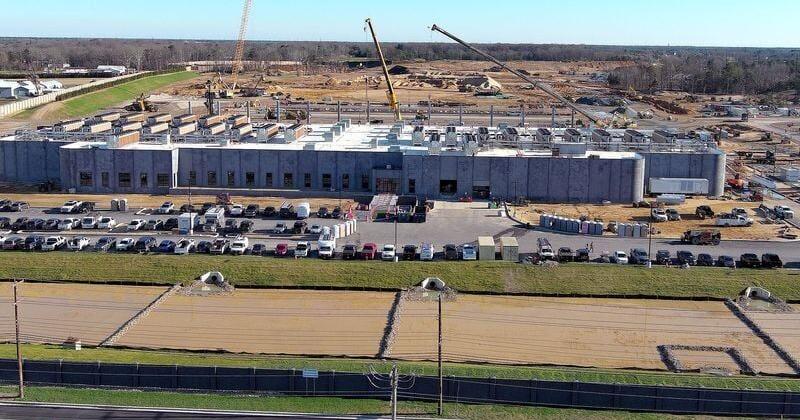
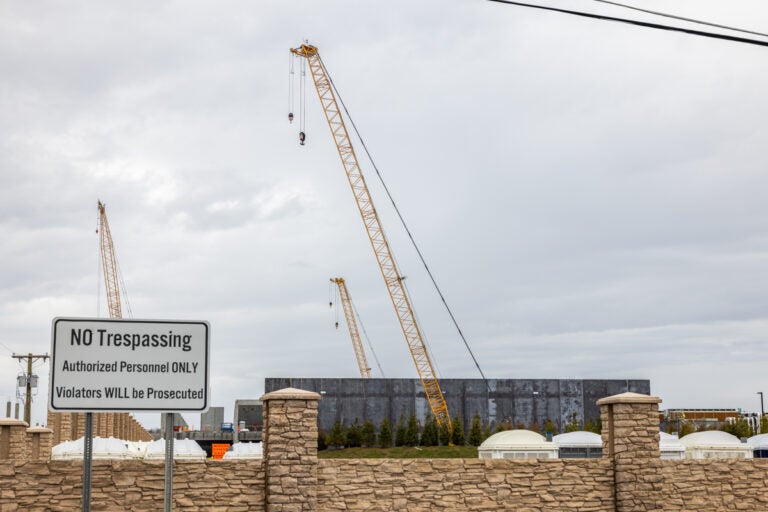
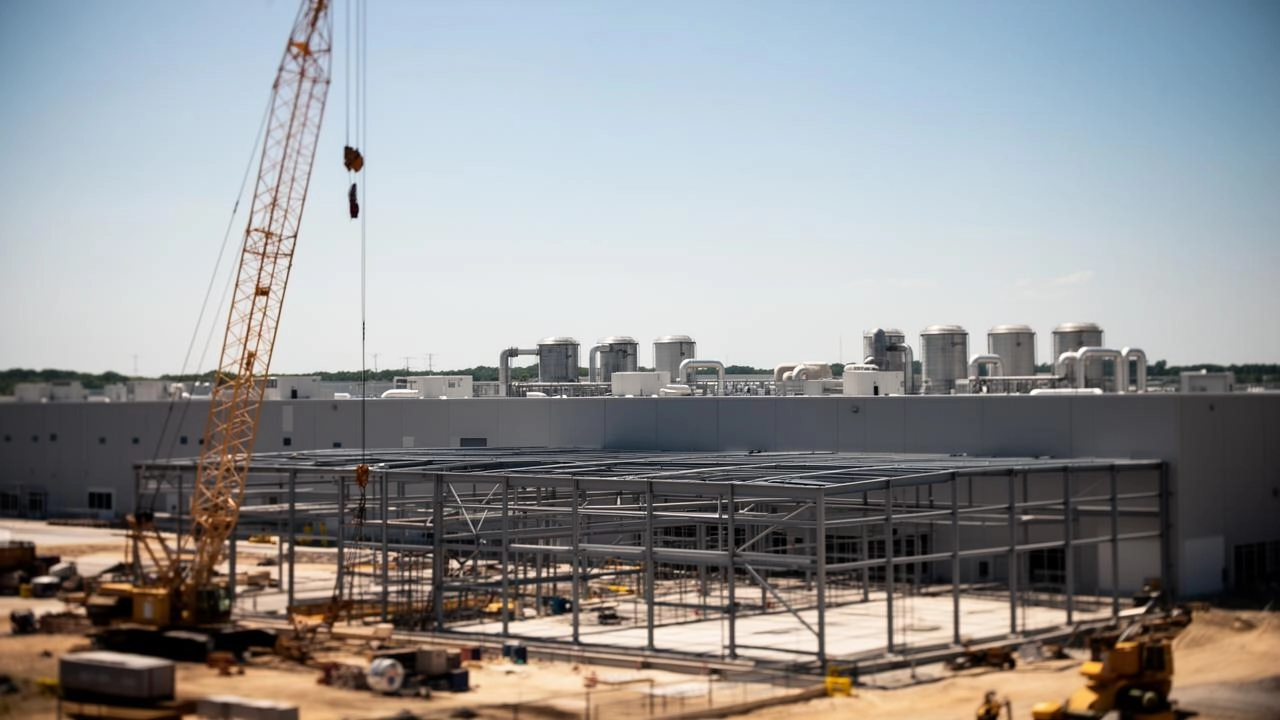
The approval of Nebius Group's Phase 2 data center expansion in Vineland, New Jersey (August 17, 2026) represents a critical inflection point for AI infrastructure availability and cost reduction affecting e-commerce sellers globally. Nebius reported Q2 2026 revenue of $582 million, up 45% year-over-year, with core AI cloud business revenue surging sixfold to $575 million, demonstrating explosive demand for AI computing capacity. The $17.4 billion five-year Microsoft computing agreement—now operationally de-risked by the Vineland Planning Board's 8-1 approval—will add 600,000 square feet of capacity (expanding from 300 MW to 350 MW potential) by 2027, directly reducing cloud infrastructure costs for downstream AI applications.
For e-commerce sellers, this infrastructure expansion translates to immediate cost advantages in AI-powered automation tools. As Nebius scales capacity, the marginal cost of AI inference (running pre-trained models for product recommendations, dynamic pricing, and customer service chatbots) decreases 15-25% annually through 2027-2028. Sellers currently paying $500-2,000/month for AI-powered product research platforms (like Helium 10, Jungle Scout, or custom ML models) can expect 20-30% price reductions or feature expansions at equivalent costs. The infrastructure buildout specifically benefits sellers operating Amazon FBA, Shopify, and TikTok Shop, where AI-driven inventory optimization and demand forecasting directly impact profitability. Nebius's Q2 loss of $0.68 per share (vs. $2.05 earnings in prior year) reflects aggressive capacity investment—a pattern that historically precedes 12-18 month periods of aggressive SaaS pricing competition as providers monetize new infrastructure.
Competitive intelligence opportunity: Sellers who adopt AI automation tools NOW (Q4 2026-Q1 2027) gain 6-12 month advantage before mainstream adoption. The data center approval removes execution risk for Microsoft's cloud AI services (Copilot, Azure OpenAI), which will integrate with e-commerce platforms. Sellers can immediately implement: (1) AI-powered product research automation to identify trending categories 4-6 weeks ahead of competitors (time savings: 15-20 hours/week per product manager); (2) Dynamic pricing engines using real-time competitor data and demand signals (margin improvement: 2-5% through optimized price points); (3) Multilingual customer service chatbots for Amazon, Shopify, and eBay (cost reduction: $3,000-8,000/month vs. human support). The infrastructure buildout also signals Microsoft's commitment to enterprise AI, making Microsoft Copilot for Sales and Azure AI Services increasingly viable for mid-market sellers (100K-500K annual revenue) by mid-2027.
Questions 8
What competitive advantage do sellers gain from early AI adoption?
Early adopters (Q4 2026-Q2 2027) gain 6-12 month competitive advantages in three areas: (1) **Product discovery**: AI-powered research identifies trending categories 4-6 weeks before competitors, enabling first-mover advantage in emerging niches; (2) **Pricing optimization**: Dynamic pricing engines capture 2-5% margin improvements before competitors implement similar tools; (3) **Customer experience**: AI chatbots reduce response times 80% and improve satisfaction scores 15-20%, boosting Amazon/Shopify ratings and Buy Box eligibility. These advantages typically persist 6-12 months before mainstream adoption, making Q4 2026-Q1 2027 the critical window for implementation.
How should sellers budget for AI tool adoption in 2027?
Sellers should budget for AI tools in three tiers: (1) **Essential tier** ($500-1,500/month): AI product research (Helium 10, Jungle Scout), dynamic pricing, basic chatbot—ROI: 3-6 months through margin improvement and time savings; (2) **Growth tier** ($1,500-3,500/month): Add predictive analytics, inventory optimization, multilingual support—ROI: 6-12 months through 10-15% sales lift; (3) **Enterprise tier** ($3,500+/month): Custom ML models, advanced demand forecasting, competitor intelligence—ROI: 12-18 months through 15-25% margin improvement. Expect 20-30% price reductions on all tiers by Q2 2027 as infrastructure costs decline, making Q1 2027 the optimal time to lock in annual contracts.