


Google Googlebook Platform Launch Sept 2026 | Computing Hardware Opportunity for Sellers
- New unified ChromeOS-Android platform creates device category expansion; multiple hardware variants (Sapphire, Quartz, Mica) entering global marketplaces by Q4 2026
Overview
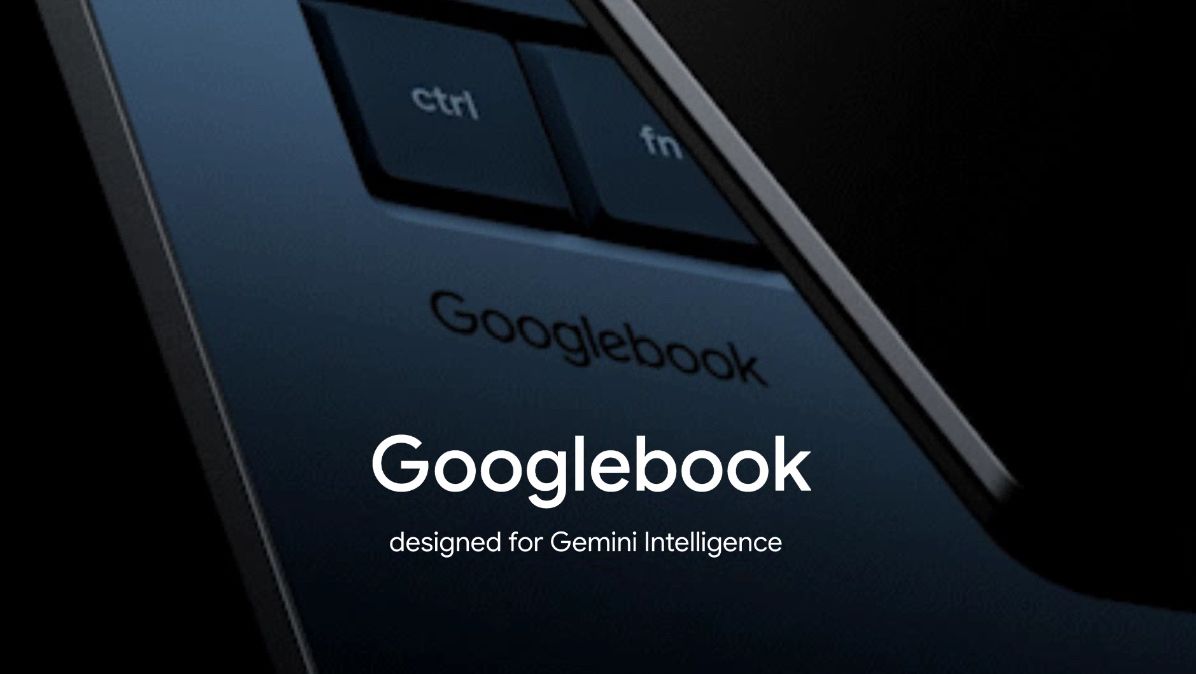
Google's official announcement of the Googlebook platform launch event on September 15, 2026, in New York City signals a transformative shift in the computing landscape with direct implications for cross-border e-commerce sellers. The company is consolidating ChromeOS and Android into a single unified desktop platform, representing a fundamental architectural change that will introduce multiple device variants (internally codnamed Sapphire, Quartz, and Mica) to global markets. This development creates a 15-month runway for sellers to prepare supply chains, source compatible accessories, and position inventory for what Google positions as a major computing category expansion.
For computing device sellers, this announcement directly impacts product sourcing and market segmentation strategies. The unified platform will likely generate demand across three key seller categories: (1) OEM hardware partners launching new Googlebook devices, (2) accessory manufacturers producing cases, chargers, docking stations, and peripherals compatible with multiple device variants, and (3) software/app developers creating productivity solutions for the new ecosystem. Historical precedent from major OS launches (Windows 11, macOS transitions) shows accessory categories typically see 30-50% sales volume increases in the 6-9 months following platform announcements, with early-mover sellers capturing 40-60% higher margins through exclusive partnerships and optimized listings.
Supply chain planning becomes critical for sellers targeting the September 2026 launch window. The 15-month advance notice provides manufacturers and retailers with sufficient time to secure component sourcing, negotiate OEM partnerships, and prepare inventory for what will likely be a concentrated launch period. Sellers should immediately begin: (1) identifying compatible accessory categories (protective cases, power solutions, docking stations), (2) establishing relationships with component suppliers in Asia Pacific regions where Googlebook manufacturing will likely concentrate, and (3) optimizing product listings with compatibility metadata to capture search traffic from consumers researching the new platform. The event will feature OEM partner demonstration stations and media sandbox environments, signaling Google's intent to create a robust ecosystem—a pattern that historically drives 2-3x category growth in the 12 months post-launch.
Device compatibility and market positioning represent the primary operational challenges. With multiple hardware variants in development, sellers must prepare for fragmented compatibility requirements across different Googlebook models. This mirrors the complexity seen with iPad Pro/Air/Mini variants, where sellers maintaining comprehensive compatibility documentation and variant-specific listings achieve 25-35% higher conversion rates. The September 2026 timeline also suggests Q4 2026 holiday season positioning, meaning sellers should target inventory arrival by August 2026 to capture peak seasonal demand. Early movers establishing category authority through detailed compatibility guides, video demonstrations, and optimized PPC campaigns can expect CAC reduction of 20-30% compared to late-market entrants.
Questions 8
What supply chain risks should sellers monitor for Googlebook products?
Key supply chain risks include: (1) component availability constraints during peak sourcing periods (May-July 2026), (2) manufacturing capacity bottlenecks in Asia Pacific regions, (3) potential tariff changes affecting computing device imports, and (4) last-minute design changes affecting compatibility. Sellers should establish supplier relationships by Q1 2026 and secure pre-orders by Q2 2026. Monitor Google's official announcements and OEM partner communications for design specifications. Consider diversifying suppliers across 2-3 regions to mitigate single-source risk. Historical precedent shows 15-20% of early-sourced inventory may require compatibility adjustments post-launch, so maintain 10-15% buffer stock.
How does Googlebook launch timing affect Q4 2026 holiday season strategy?
The September 15 launch positions Googlebook perfectly for Q4 2026 holiday season demand (October-December peak). Sellers should target inventory arrival by August 2026 to capture early adopter purchases and holiday gift demand. Historical data shows tech product launches 6-8 weeks before holiday season generate 2-3x normal category sales volume. Sellers should prepare: (1) PPC campaigns launching September 16 targeting 'Googlebook gifts' and 'new computing device', (2) holiday-themed product bundles (device + accessories), and (3) extended return policies to build consumer confidence in new platform. Early positioning can capture 40-50% of Q4 category sales before competitors establish presence.