




Rising US Treasury Yields Hit 4.75% | Critical Financing Cost Impact for Cross-Border Sellers
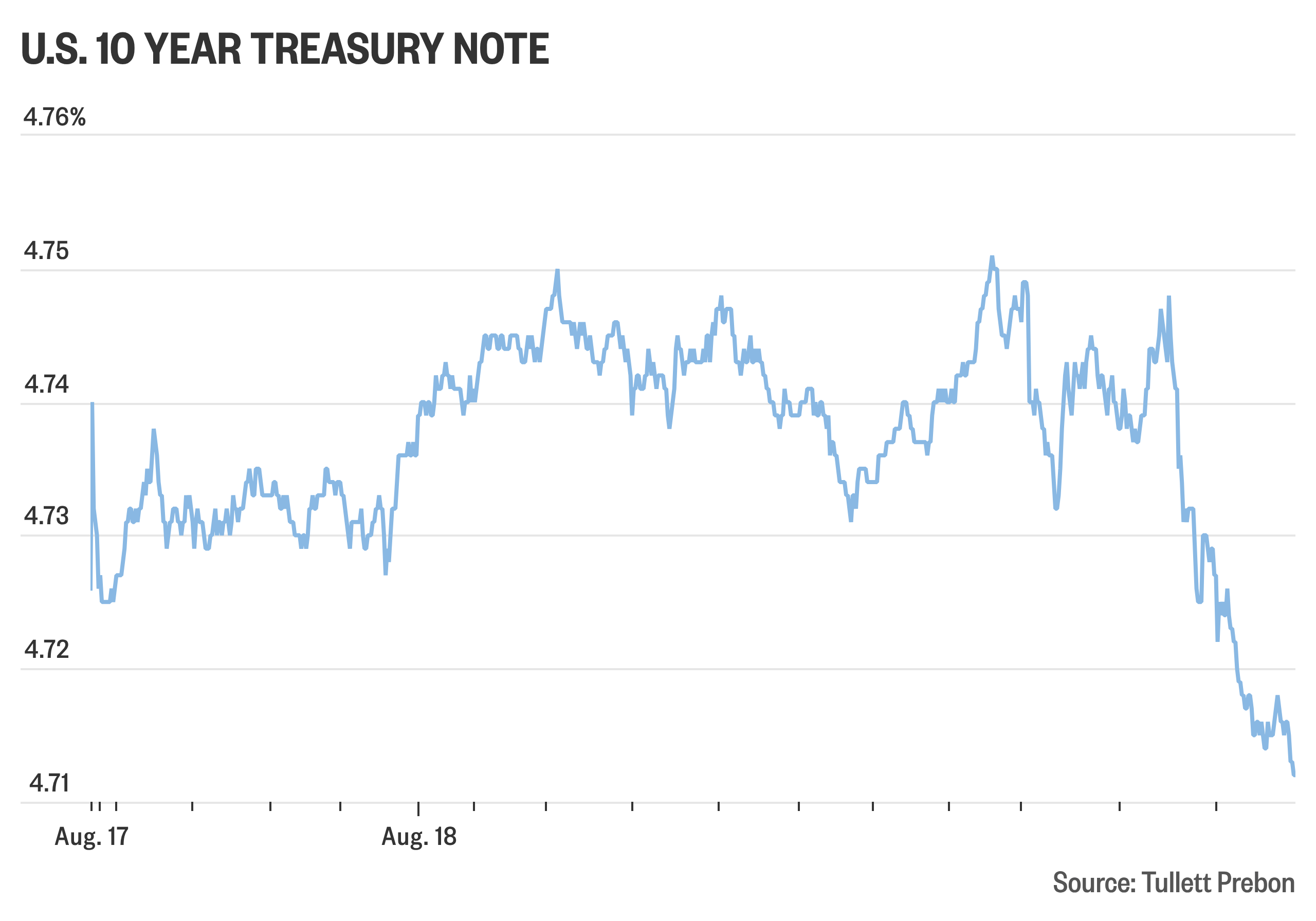
- 10-year yields reach 19-month highs on August 18, 2026; USD strengthens while borrowing costs surge for inventory financing and international operations













Overview
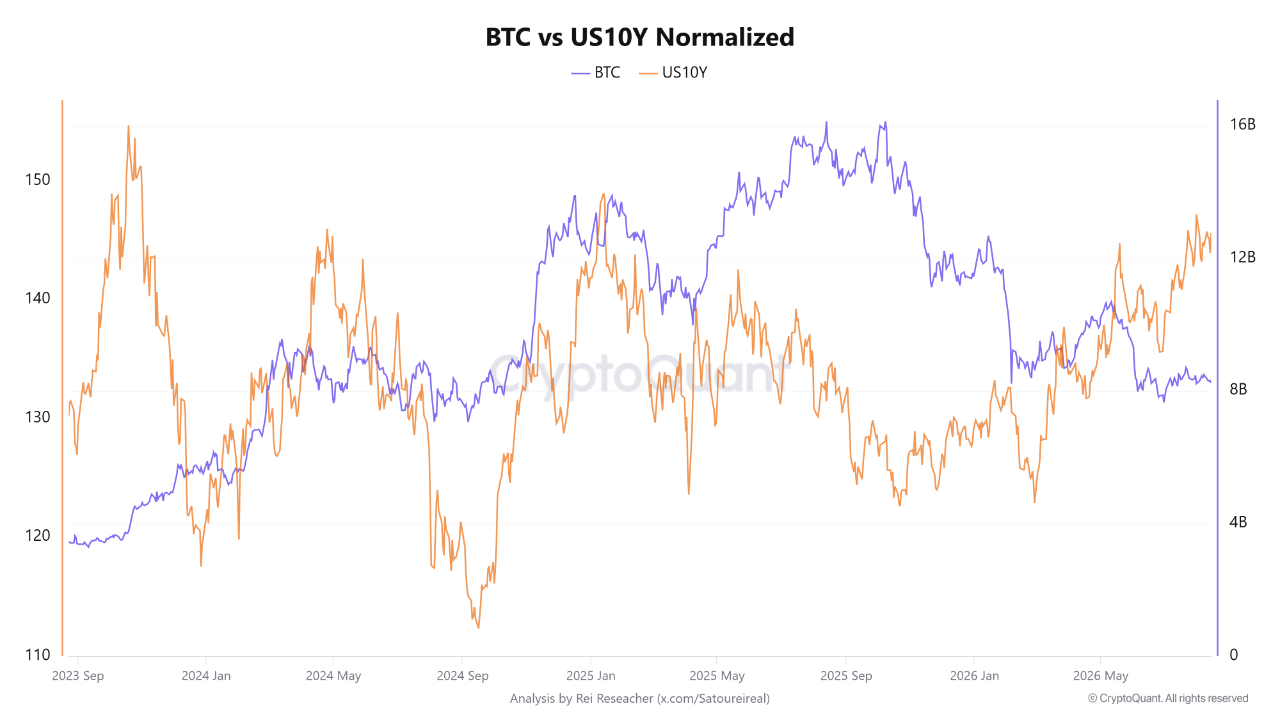
US Treasury yields climbed to 4.75% on August 18, 2026—the highest level in 19 months—as a global bond selloff intensified amid thin August trading volumes and persistent inflation concerns. This yield surge directly impacts cross-border e-commerce sellers through three critical financial channels: rising borrowing costs for inventory financing, stronger US dollar valuations that increase import costs, and tightening credit conditions for working capital needs.
Financing Cost Escalation for Inventory & Working Capital: The 2 basis point jump in 10-year yields signals broader credit market tightening. For e-commerce sellers relying on inventory financing, PO financing, or trade credit lines, this translates to immediate cost increases. Sellers with variable-rate debt tied to Treasury yields or SOFR benchmarks face higher monthly payments—a $500K inventory loan at 10-year yield + 2.5% spread now costs approximately $31,250 annually versus $30,000 six months prior. Actionable immediately: Sellers with floating-rate debt should lock in fixed rates before yields climb further; those planning Q4 inventory purchases should accelerate financing decisions to capture current rates before additional tightening.
Currency Headwinds & Import Cost Compression: Rising US Treasury yields typically correlate with USD strength, making imports more expensive for sellers sourcing from Asia, Europe, and Latin America. A 2% USD appreciation against CNY increases costs for Chinese electronics/apparel suppliers by 2-3%, directly compressing margins on categories like consumer electronics, home goods, and fashion. Sellers with unhedged currency exposure face margin compression of 50-150 basis points depending on sourcing geography. Strategic response: Implement FX hedging through forward contracts (1-3 month horizons) or currency options; consider shifting 15-20% of sourcing to non-USD denominated suppliers (Vietnam, India) to diversify currency risk.
Market Liquidity Fragility & Financing Access Risk: The August bond rout occurred during traditionally thin trading volumes, indicating underlying market structure fragility. This creates financing access risk for sellers dependent on supply chain finance, invoice factoring, or marketplace lending. Lenders tighten credit criteria during yield volatility, potentially reducing approval rates for working capital loans by 10-15% and increasing APR spreads by 50-100 basis points. Sellers with marginal credit profiles (sub-700 credit scores, <12 months operating history) face material financing constraints through Q4 2026.
Immediate Actions (0-30 days): (1) Review all debt instruments for yield-linked pricing; lock in fixed rates for any floating-rate facilities before September 2026; (2) Audit FX exposure by sourcing country and implement 1-3 month forward hedges for top 3 suppliers; (3) Secure working capital financing NOW—apply for inventory loans, PO financing, or invoice factoring before credit conditions tighten further. Strategic Adjustments (1-3 months): (1) Rebalance sourcing to reduce USD-denominated import costs; evaluate Vietnam, India, Mexico suppliers; (2) Shift 20-30% of inventory to 3PL providers to reduce working capital needs; (3) Evaluate alternative financing: supply chain finance platforms (Tradeshift, Fintech Collective) offer 2-3% lower rates than traditional lenders during yield volatility. Risk Mitigation: Monitor 10-year yields weekly; if yields exceed 5.0%, implement aggressive cost reduction (reduce SKU count 15-20%, negotiate supplier discounts 3-5%); establish credit lines with multiple lenders to avoid single-source financing dependency.
Questions 8
What financing alternatives should sellers consider during rising yield environments?
During yield volatility, sellers should diversify financing sources: (1) **Supply chain finance platforms** (Tradeshift, Fintech Collective, Coupa) offer 2-3% lower rates than traditional lenders and don't rely on Treasury yields; (2) **Invoice factoring** provides immediate cash conversion (70-80% of invoice value in 24-48 hours) without yield-linked pricing; (3) **Marketplace lending** (Amazon Lending, Shopify Capital) offers fixed-rate terms unaffected by Treasury movements; (4) **Supplier financing** (extended payment terms, 30-60 day agreements) reduces working capital needs without external borrowing. The August 2026 yield surge to 4.75% makes these alternatives 50-100 bps cheaper than traditional bank loans. Sellers should apply for multiple facilities now to lock in rates before further tightening.
How should sellers hedge currency risk when Treasury yields are rising?
Rising Treasury yields signal USD strength, requiring immediate FX hedging: (1) **Forward contracts** (1-3 month horizons) lock in exchange rates for planned imports—cost is 0.5-1.5% of transaction value but eliminates currency risk; (2) **Currency options** (calls/puts) provide downside protection while allowing upside participation—cost is 1-2% but offers flexibility; (3) **Diversified sourcing** shifts 15-20% of purchases to non-USD suppliers (Vietnam, India, Mexico) to reduce USD exposure; (4) **Natural hedging** matches USD revenues (Amazon US sales) with USD costs (US supplier purchases) to offset currency movements. For a seller with $1M annual imports from China, a 2% USD appreciation costs $20K in margin compression—forward contracts costing $5-15K provide 75% cost savings. Implement hedging immediately as yields approach 5.0%.